
The Root Beer Float Murder | Full Episode + Post Mortem
YouTube · -Tw9IFPboxc
Quick Read
Summary
Takeaways
- ❖Harold Allen's death was initially ruled natural causes due to pre-existing health issues, with no initial toxicology screen for poisons.
- ❖A burglary at Marsha Allen's home, reported by Marsha herself, led police to Steven White, who then revealed Marsha had poisoned Harold.
- ❖Investigators recovered nearly 7,000 deleted text messages between Marsha and her daughter Ashley, detailing their plot to murder Harold for his life insurance.
- ❖The mother-daughter duo attempted to poison Harold over three months using pong pong seeds, water hemlock, and ultimately ethylene glycol in a root beer float.
- ❖Marsha Allen committed suicide after being confronted with the evidence, leaving a note blaming Ashley.
- ❖Ashley Jones pleaded guilty to attempted murder and conspiracy to commit murder, receiving a 50-year prison sentence.
- ❖Ashley is also under investigation for the suspicious death of her first husband, Ty Jones, who died of 'heart issues' at 33 and was cremated before toxicology screening.
Insights
1Initial Misdiagnosis and Critical Evidence Retention
Harold Allen's death was initially attributed to cardiac issues, as he had a history of health problems and had visited the ER multiple times. The coroner did not screen for poisons because the death was not deemed suspicious. Crucially, Indiana law mandates blood and tissue samples be held for a year, allowing investigators to retest Harold's blood for poisons once suspicion was raised.
Harold had a history of genuine health issues and multiple ER visits (). Routine autopsies don't screen for every poison unless suspicious (). Indiana holds samples for a year, enabling later testing ().
2Unforeseen Burglary Unravels Murder Plot
The murder plot was uncovered indirectly when Marsha Allen reported a burglary at her home. One of the burglars, Steven White (Ashley's best friend), was identified via security cameras. When confronted, White revealed that Marsha had poisoned Harold, providing specific details about the root beer float. Marsha's 'vindictive nature' in reporting the burglary, knowing her daughter was involved, ultimately led to the murder investigation.
Marsha reported a burglary (). Steven White, Ashley's best friend, was identified (). White told police Marsha poisoned Harold with a root beer float (). Marsha knew Ashley was behind the burglary ().
3Digital Evidence: The Undoing of the Perpetrators
Despite Marsha's attempts to delete text messages from her phone during police questioning, investigators easily recovered nearly 7,000 texts exchanged between Marsha and Ashley. These messages meticulously detailed their three-month poisoning plot, including ordering poisons, discussing methods, and expressing glee over Harold's suffering and slow decline.
Marsha deleted items off her phone while alone (). Deleted texts were easily recovered (). Thousands of messages revealed the plot (). Texts showed discussions about grinding seeds, adding walnuts, and celebrating Harold's pain ().
4Motive and Methods: Greed and Multiple Poisons
The primary motive for Harold's murder was financial gain, specifically his $120,000 life insurance policy. Marsha and Ashley systematically attempted to kill Harold over three months using various poisons ordered online, including pong pong seeds (the 'suicide tree'), water hemlock, and finally, ethylene glycol (antifreeze), which they masked in a root beer float due to its slightly sweet taste.
Motive was financial gain, Harold had a $120,000 life insurance policy (). Ashley ordered pong pong seeds (). They used water hemlock (). They ordered ethylene glycol online (). Ethylene glycol was masked in a root beer float ().
5Marsha's Suicide and Ashley's Plea Deal
After being confronted with the recovered text messages and the impending re-testing of Harold's blood, Marsha Allen committed suicide. She left a note stating, 'I did not kill my husband. You win, Ashley.' Ashley, after initially denying involvement, quickly implicated her mother. She later took a plea deal, pleading guilty to attempted murder and conspiracy to commit murder, resulting in a 50-year prison sentence.
Marsha committed suicide after questioning (). She left a note: 'I did not kill my husband. You win, Ashley.' (). Ashley quickly turned on her mother (). Ashley took a plea deal in August 2025 ().
Bottom Line
The poisons used by Marsha and Ashley (pong pong seeds, water hemlock, ethylene glycol) are not illegal to purchase and have legitimate uses, making them accessible online without suspicion.
This highlights a potential loophole in regulations for substances that can be weaponized, allowing individuals with malicious intent to acquire deadly compounds under the guise of innocent purposes.
Policymakers could review regulations on the sale of substances with dual-use potential, especially those easily ordered online, to implement stricter controls or monitoring for suspicious purchase patterns.
Marsha Allen self-published a grief self-help book, 'From Surviving to Thriving,' six months after Harold's death, which investigators believe was a calculated attempt to appear mourning and cover her tracks.
This demonstrates a chilling level of manipulation and deceit, using public perception and a common human experience (grief) as a shield for a heinous crime.
In cases of suspicious death, investigators should consider unusual public displays of grief or attempts to control narratives as potential red flags, rather than genuine expressions of sorrow.
Ashley Jones, while in custody, plotted additional murders, providing a 'kill list' to a cellmate, including Steven White (the burglar who exposed the initial plot) and his mother.
This reveals a deeply ingrained, persistent homicidal intent beyond the initial murder plot, suggesting a broader pattern of dangerous behavior and lack of remorse.
The justice system could implement more robust psychological profiling and monitoring for individuals exhibiting such extreme and persistent homicidal ideation, even while incarcerated, to prevent future harm.
A secondary, unconfirmed motive for Harold's murder, discussed in the texts, was Marsha and Ashley's belief that a 'demon' lived inside Harold and needed to be released by killing him.
This bizarre explanation, whether genuinely believed or a twisted form of self-amusement, underscores the extreme psychological detachment and dehumanization of the victim by the perpetrators.
While often dismissed, unusual or fantastical motives in criminal investigations should be documented as they can provide insight into the perpetrators' mindset, even if not the primary legal motive.
Lessons
- Always assume digital communications are permanent and recoverable, regardless of deletion attempts. Law enforcement can often retrieve deleted messages, making them powerful evidence.
- In cases of sudden, unexplained death, especially with unusual symptoms, advocate for comprehensive toxicology screenings, even if initial findings point to natural causes.
- Pay attention to extreme or uncharacteristic behavior after a loved one's death, such as an immediate focus on financial benefits or an unusual lack of emotion, as these can be red flags.
Notable Moments
Marsha Allen's 911 call reporting Harold's death, where she appears to be crying and panicked.
This moment sets the initial scene of a grieving wife, which later contrasts sharply with the revealed truth of her calculated involvement in his death, highlighting her deceptive nature.
Steven White, a burglar caught on camera, reveals to police that Marsha Allen poisoned her husband with a root beer float.
This is the pivotal moment that shifts the investigation from a burglary to a potential murder, demonstrating how an unrelated crime can accidentally expose a hidden one.
Marsha Allen frantically deletes text messages from her phone while left alone by investigators, believing she is erasing incriminating evidence.
This act of deletion, which was easily undone by digital forensics, provided undeniable proof of her guilt and intent to conceal the crime, becoming a key piece of evidence.
Ashley Jones, during police questioning, quickly turns on her mother, implicating Marsha as the mastermind behind Harold's murder.
This demonstrates the breakdown of their 'loyal' mother-daughter bond under pressure, with Ashley prioritizing her own defense over protecting her mother, revealing the transactional nature of their relationship.
Marsha Allen commits suicide after being confronted with the evidence, leaving a note blaming Ashley.
This dramatic event underscores Marsha's desperation and possible attempt to further manipulate the narrative even in death, while also removing her from facing justice.
Harold's family hears about Ashley's text referencing Tai's weight in relation to Harold's poisoning, confirming their long-held suspicions about Tai's death.
This emotional moment provides a sense of closure and validation for Tai's family, highlighting how new evidence in one case can shed light on previously unsolved mysteries.
Quotes
"Steven White told me that Marsha Allen had killed her husband Harold by poisoning a root beer float."
"If the burglary wouldn't have happened, there would be no way that we would know about it at all."
"I am irritated and can't sleep peacefully. I need this to be over."
"They not only wanted to kill him, but it seems like they wanted to profoundly make him suffer."
"She didn't want to divorce him... She wanted to be free of him completely. She wanted him dead."
"I truly think they thought they were smarter than the system."
"I mean, a guy nicknamed Peanut, you know, is a good guy."
Q&A
Recent Questions
Related Episodes

Widow Realizes Cops Know She Poisoned Her Husband
"A seemingly routine burglary unexpectedly unravels a year-old murder, exposing a mother-daughter poisoning plot and a chilling pattern of suspicious deaths."

Hell On Wheels: Mackenzie Shirilla's Double Murder Crash
"A seemingly accidental car crash that killed two young men in Strongsville, Ohio, was meticulously uncovered by investigators to be a deliberate act of double murder by the 17-year-old driver, Mackenzie Shirilla, amidst a tumultuous relationship and a shocking lack of remorse."
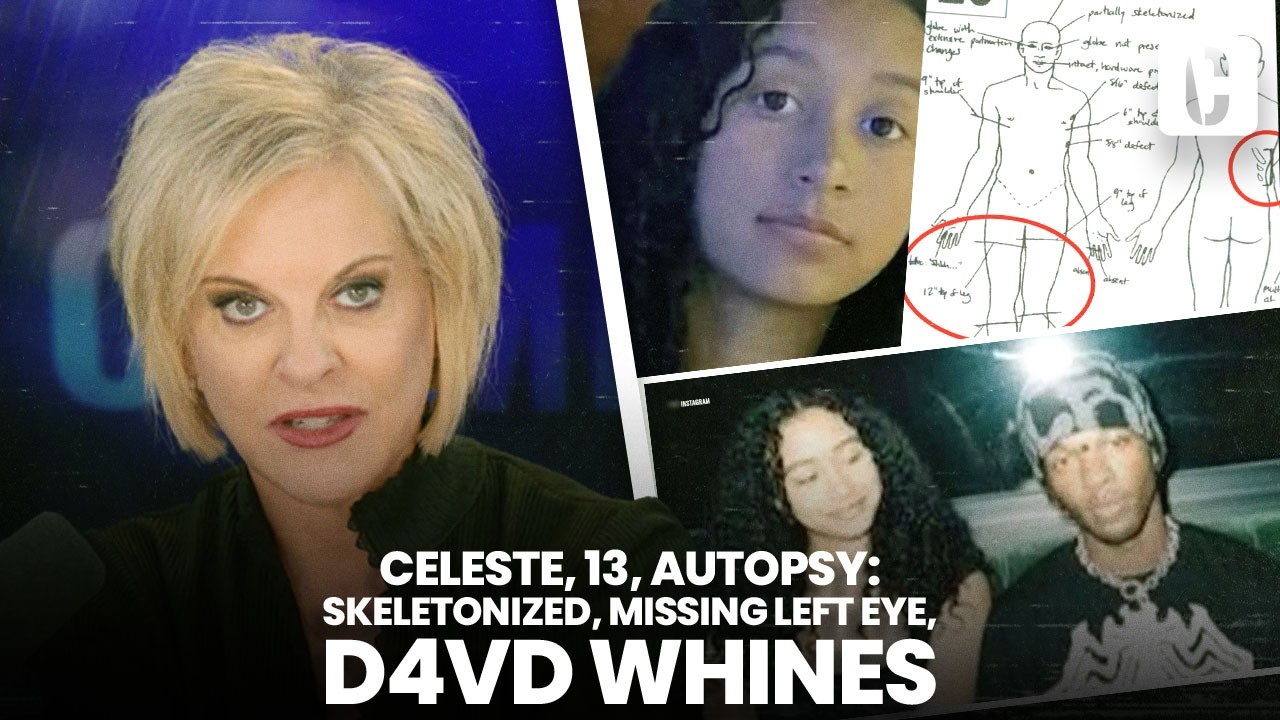
CELESTE, 13, AUTOPSY: SKELETONIZED, MISSING LEFT EYE, D4VD WHINES
"A 13-year-old girl, Celeste Rivas, was found partially skeletonized with a missing left eye, traces of meth and MDMA, and fatal stab wounds, while the accused musician David Anthony Burke (D4VD) complains about jail conditions."
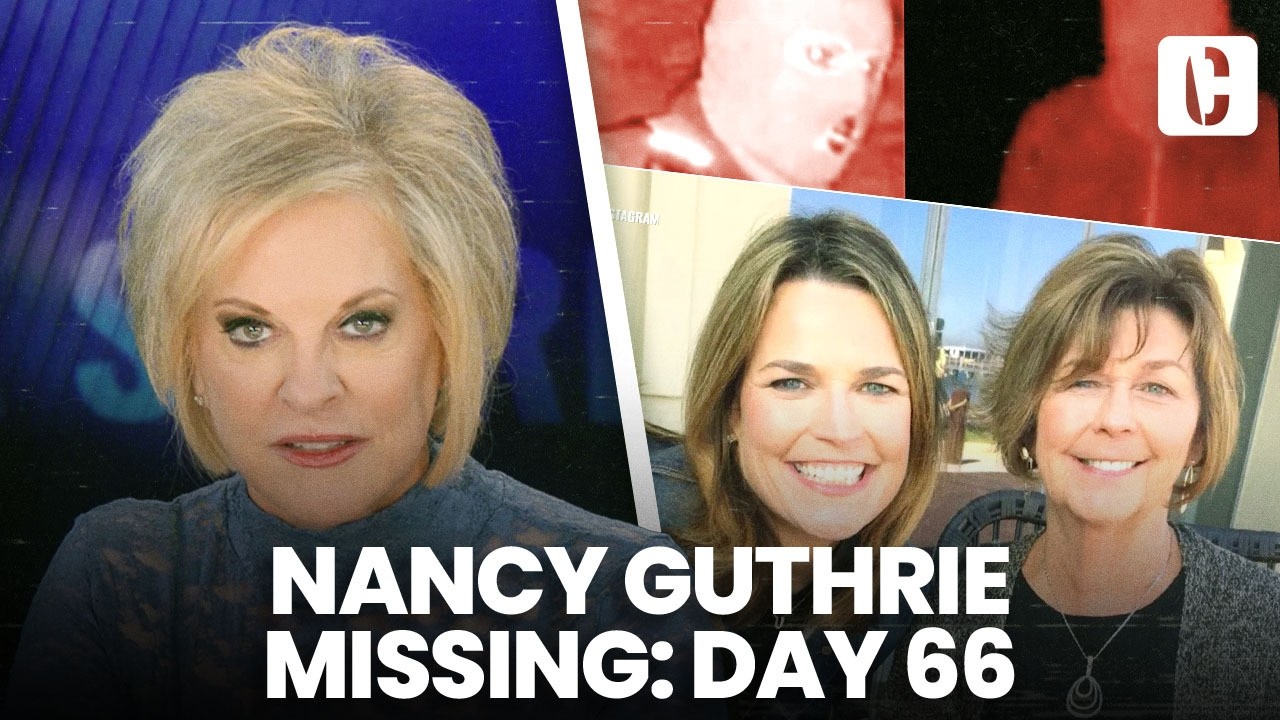
SAVANNAH GUTHRIE'S MOM MISSING: DAY 66
"On day 66 of Nancy Guthrie's disappearance, investigators grapple with two distinct sets of Bitcoin ransom notes, digital tracing challenges, and potential physical evidence like shoe coverings, as new, dubious claims emerge from a 'hyena' seeking payment for information."