
Bibi DEMANDS Ground Troops As Marines Rushed to Iran
YouTube · -cw6Kt21uis
Quick Read
Summary
Takeaways
- ❖Benjamin Netanyahu publicly stated that a 'revolution' in Iran cannot be achieved from the air and requires a ground component.
- ❖The US is accelerating the deployment of the Boxer Amphibious Ready Group and 11th Marine Expeditionary Unit (6,500 service members) to the Middle East.
- ❖Plans are reportedly being considered to occupy or blockade Iran's Car Island to force the reopening of the Strait of Hormuz.
- ❖US and allied forces have initiated combat operations, using A-10 Warthogs and Apache helicopters to clear Iranian naval threats in the Strait of Hormuz.
- ❖An F-35 fighter jet, a high-tech stealth aircraft, was reportedly struck by Iran over Iranian airspace, marking a significant and unexpected Iranian capability.
- ❖Iran has prepared for decades for such a conflict, developing alternative ports and defenses, and is willing to endure significant economic pain.
- ❖The conflict has already resulted in thousands of deaths in Lebanon and Iran, with little public conversation about the human cost.
- ❖The hosts argue that the US government underestimated Iran's resolve and the capacity of anti-regime forces to stage a revolution from within.
- ❖The current escalation risks creating a more hardline Iranian government, less likely to engage in future diplomacy or forgo nuclear weapons development.
Insights
1Netanyahu's Demand for Ground Troops and Dual Messaging
Israeli Prime Minister Benjamin Netanyahu publicly declared that air operations alone are insufficient for regime change in Iran and a ground component is necessary. He hinted at 'many possibilities' without specifics. The hosts highlight Netanyahu's dual messaging: telling English-speaking audiences the conflict could end quickly, while assuring Israelis it will continue 'as long as it needs to go.'
Netanyahu's public statements on ground component; host's observation of English vs. Hebrew messaging.
2US Marine Deployment and Car Island Strategy
The US is accelerating the deployment of approximately 6,500 Marines and sailors (Boxer Amphibious Ready Group and 11th Marine Expeditionary Unit) to the Middle East. Reports suggest the Trump administration is considering occupying or blockading Iran's Car Island to pressure Iran into reopening the Strait of Hormuz. This strategy is framed as a potential 'killbox' for US soldiers, with a Republican senator distinguishing 'boots on an island' from 'boots on the ground' in mainland Iran.
Newsmax reporting on accelerated deployment; Brock Ravine/Mark Caputo reporting on Car Island takeover; host's reference to a Republican senator's distinction.
3Strait of Hormuz Battle and Iranian Resilience
The US and its allies have intensified efforts to reopen the Strait of Hormuz, deploying A-10 Warthogs and Apache helicopters to engage Iranian naval vessels and drones. Despite these efforts, military analysts believe it will take weeks to reduce the threat, and a 100% secure passage is unlikely. Iran has demonstrated significant resilience, having prepared for decades for such contingencies, including developing alternative ports and advanced defenses, and successfully shutting down alternative oil pathways via the Houthis.
Wall Street Journal report on US warplanes; host's reference to Professor Pap's analysis of Iranian preparedness and Houthi actions.
4F-35 Strike Reveals Unexpected Iranian Capability
A US F-35 aircraft, one of the most advanced stealth fighter jets, reportedly made an emergency landing after being struck during a combat mission over Iran. This incident is considered 'very significant' by military analysts, as it reveals an unexpected Iranian capability to target high-tech US aircraft, making future sorties over Iran much more dangerous for US pilots. There is skepticism regarding the official narrative about the incident's specifics.
CNN and other reports on F-35 incident; host's commentary on military analyst views and skepticism.
5The Escalation Trap and Long-Term Consequences
The hosts frame the conflict as an 'escalation trap,' where initial US assumptions about a quick resolution or internal Iranian revolution were incorrect. The current path, including potential ground operations on Car Island, is unlikely to topple the regime and risks entrenching US forces in a difficult position. This escalation is predicted to lead to a more hardline Iranian government, less willing to engage in diplomacy and more likely to pursue nuclear weapons, creating a cycle of future conflict.
Host's reference to Professor Pap's 'escalation trap' model; analysis of the strategic outcomes of taking Car Island and hardening the Iranian regime.
Bottom Line
Iran's long-term strategic planning and adaptation, specifically developing F-35 counter-capabilities post-12-day war and alternative port usage, was severely underestimated by US intelligence and military planners.
This underestimation has led to a more dangerous and protracted conflict than anticipated, exposing US military assets to unexpected threats and invalidating initial 'air-only' strategies.
Future geopolitical analyses and military strategies must incorporate a deeper understanding of adversaries' long-term defensive preparations and adaptive capabilities, rather than relying on outdated assumptions or short-term diplomatic hopes.
The rhetorical distinction between 'boots on an island' versus 'boots on the ground' in mainland Iran is a political maneuver to minimize public perception of escalation, despite the island being sovereign territory and a direct military engagement.
This linguistic framing allows politicians to justify military actions that are functionally ground operations while attempting to avoid public backlash associated with full-scale invasions, potentially misleading the public about the true nature of the conflict.
Media and public discourse should critically analyze political rhetoric surrounding military deployments, focusing on the operational reality rather than semantic distinctions, to foster a more informed understanding of conflict escalation.
Lessons
- Monitor global oil prices and supply chain stability, as the Strait of Hormuz remains a critical choke point vulnerable to disruption.
- Evaluate investment portfolios for exposure to geopolitical risks in the Middle East, considering the potential for prolonged conflict and regional instability.
- Stay informed on official narratives versus independent analyses of military engagements, particularly regarding casualty figures and the effectiveness of military operations, to discern the true costs and progress of the conflict.
Notable Moments
The hosts highlight the significant human cost of the conflict, noting approximately 2,000 deaths in Lebanon and Iran within a couple of weeks, expressing concern over the public's desensitization to casualties in the Middle East.
This moment underscores the severe human toll of the escalating conflict, which often gets overlooked in strategic discussions, reminding listeners of the real-world impact beyond geopolitical maneuvering.
The discussion of a Republican senator attempting to differentiate 'boots on an island' from 'boots on the ground' to downplay the significance of a potential Car Island occupation.
This illustrates the political rhetoric used to frame military actions and manage public perception, even when the operational reality points to direct ground engagement.
Quotes
"Can't do a revolution in Iran from the air. There needs to be a ground component as well."
"This is going to go as along as long as it needs to go. We're going to be in here as long as we need to be there."
"It is the escalation trap as Professor Pap has laid out for us multiple times on our show."
Q&A
Recent Questions
Related Episodes

Patrick Henningsen: Hezbollah JUST Fired Back at Israel - Iran Vows to “Crush” All Attacks
"Patrick Henningsen argues that the US and Israel initiated an illegal war against Iran, driven by Trump's incompetence and Israeli influence, leading to an inevitable escalation with severe global economic repercussions."
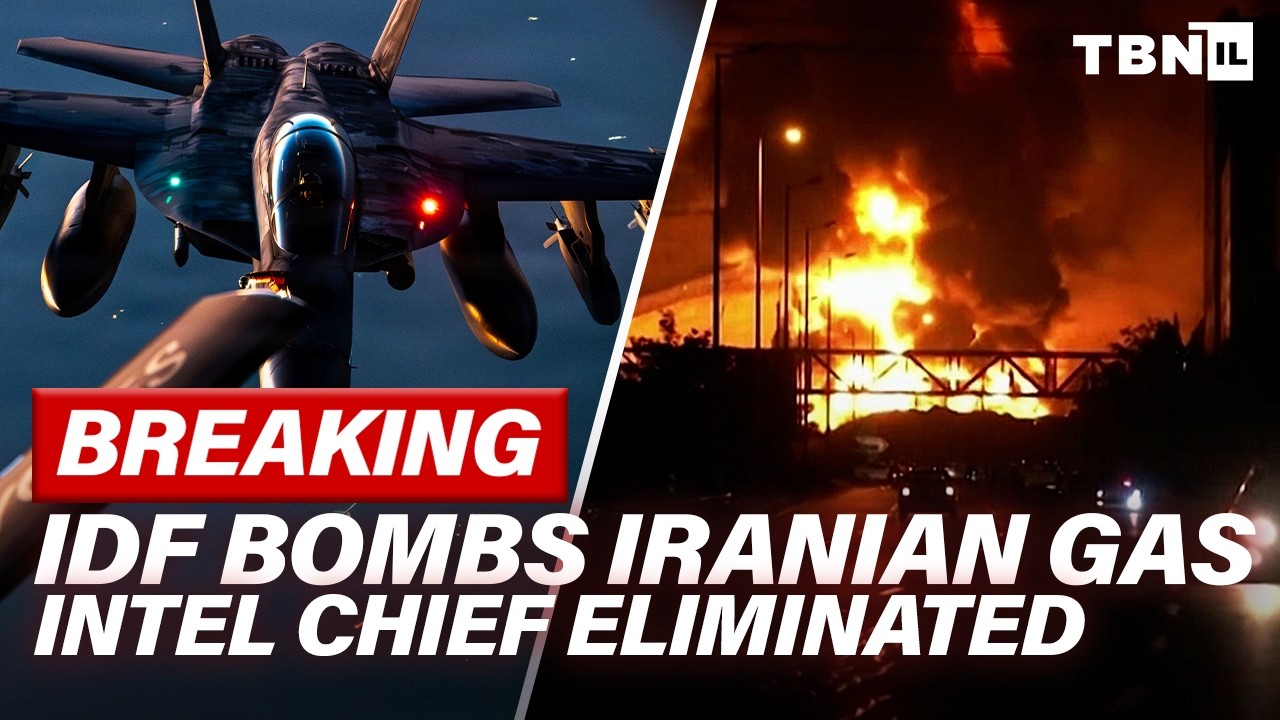
BREAKING: Israel BOMBS Major Iran Gas Site; Top Mullah ELIMINATED; Iran Vows VENGEACE | TBN Israel
"Israel and the United States have escalated their 'Roaring Lion War' against Iran, striking its largest gas facilities, eliminating key intelligence and military figures, and disrupting missile production, while Iran threatens a broader energy war in the Gulf."
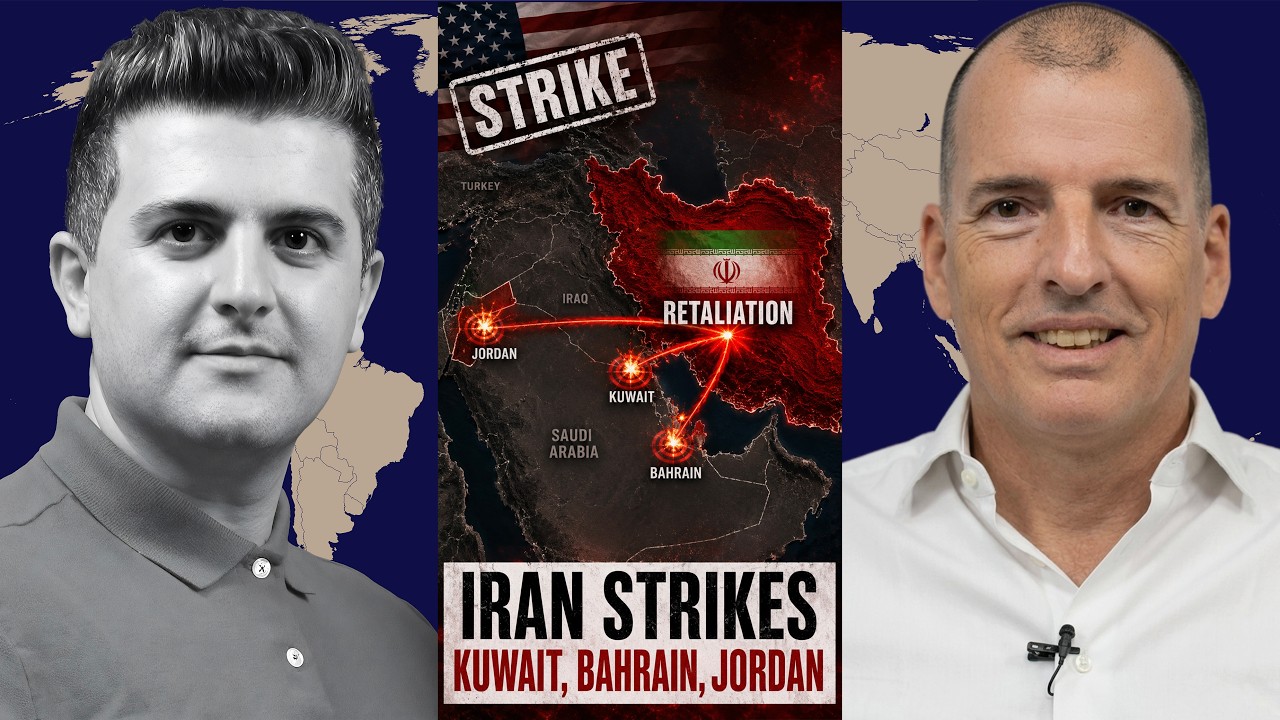
Alex Krainer: US STRIKES Iran – Iran RETALIATES Against Kuwait, Bahrain & Jordan!
"Amidst escalating US-Iran conflict and Iranian retaliation against regional US allies, this episode argues that US foreign policy is deeply controlled by an 'Anglo-Zionist conspiracy' led by the Rothschild banking dynasty, prioritizing Israeli interests over American ones."

Iran Update: Israel’s Newest Bombing Campaign, the Oncoming War With China and How to Avoid It
"Colonel Wilerson reveals how the US and Israel are actively bombing China's strategic infrastructure in Iran, escalating a covert economic war that Beijing intends to win without direct military conflict by dismantling the dollar's global dominance."