
Cam Thomas Landing In Milwaukee REIGNITES Gil's Arena
YouTube · 1_Zk5D5c_uY
Quick Read
Summary
Takeaways
- ❖Cam Thomas's 22-24 points per game average is an anomaly for a player who struggled to secure a significant contract or trade value.
- ❖The hosts debate whether a 'bad attitude' label, potentially spread by coaches, or a strategic 'devaluation' by the Nets, was responsible for his low market worth.
- ❖Cam Thomas's qualifying offer included a no-trade clause, which he could have used to veto trades, ultimately leading to his waiving.
- ❖The Milwaukee Bucks acquired Thomas without giving up assets, suggesting a strategic move to get a high-scoring player 'for the low'.
- ❖The situation is framed as unprecedented in modern NBA history for a player with his scoring ability to be waived or sign for such a low amount.
Insights
1The Unprecedented Devaluation of a 24 PPG Scorer
Cam Thomas averaged 22-24 points per game, a scoring output typically associated with high-value contracts and star status. However, he was unable to secure a significant long-term deal and was eventually waived by the Brooklyn Nets. This situation is described as historically unique in the modern NBA, where players with similar production levels are typically paid hundreds of millions.
The host states, 'What [expletive] average 24 don't get paid? What person in the National Basketball Association average 24 besides Thomas?' and 'No top 15 scorer in NBA history got bad cut from a team.'
2The 'Bad Attitude' vs. 'Collusion/Sabotage' Debate
A central argument revolves around why Thomas was devalued. One host suggests it was due to a 'bad attitude' or being 'uncoachable,' a label that can spread quickly across the league. The other host counters that this narrative could be a form of 'collusion' or 'sabotage' by teams to suppress a player's market value, especially if a coach has a personal disagreement with the player.
One host asks, 'Why do you keep egging on bad attitudes in locker rooms?' while the other responds, 'It's called Collusion. So, they just picked him out. They just singled him out.'
3The Impact of a No-Trade Clause on Player Movement
Cam Thomas's qualifying offer included a no-trade clause, giving him the power to veto any trade. This clause significantly impacted his situation, as it meant the Nets couldn't trade him to a team he didn't approve of. Ultimately, this leverage may have led to the Nets waiving him, allowing him to sign with his preferred destination (Milwaukee) without the Bucks having to give up any assets.
The host explains, 'He had the right to veto any trade. Who? Cam Thomas. So that must it had a no trade clause as a part of the qualifying offer.' and 'The Bucks said, 'We're not going to move none of our pieces. We can keep We can actually keep our pieces. You can tell them to let you go. We can pick you up and keep our pieces.''
4The Power Dynamic Between Coaches and Players
The discussion highlights the significant power coaches hold over players' careers. A disagreement with a coach can lead to a player being labeled 'uncoachable,' benched, and subsequently devalued across the league. This is particularly impactful for non-superstar players who lack the leverage to challenge coaching decisions without severe career repercussions.
The host states, 'One person you don't want to beef with is the person who got to sub you in and out the game.' and 'If him and the coach is having a problem and the coach thinks he has a bad attitude and he's not coachable, I'm going to bench him like we've done did everybody in this league.'
Quotes
"When you're on a bad team, you get a knock for playing bad basketball. And I remember Jordan Pool playing on a good team, getting a knock for playing bad basketball, helping them win a championship and playing the same style of basketball."
"All numbers aren't the same. Your relationship, how you how you talk to people, how you treat people, how you conduct yourself is a part of it, right?"
"If you have a disagreement with the coach, you're uncoachable. Especially if the coach is wrong."
"It's called Collusion. You can type it in Google and it is. So, they just picked him out. They just singled him out."
"No top 15 score in NBA history got bad cut from a team. Bro, you can't just have a mutual part ways."
Q&A
Recent Questions
Related Episodes

Luka & The Lakers CAN WIN The NBA Finals
"The Lakers' recent surge and Luka's MVP-level play ignite a fierce debate on their playoff ceiling, while the controversial waiving of Cam Thomas exposes the brutal realities of NBA contract negotiations and team perception."

Unc, Ocho & Iso Joe BEST of NBA! Ja TRADED, LaMelo MOVED, Giannis to Miami?! | Nightcap
"NBA analysts break down recent high-profile trades and contract decisions, revealing the financial and strategic shifts impacting player value and team building in the league."
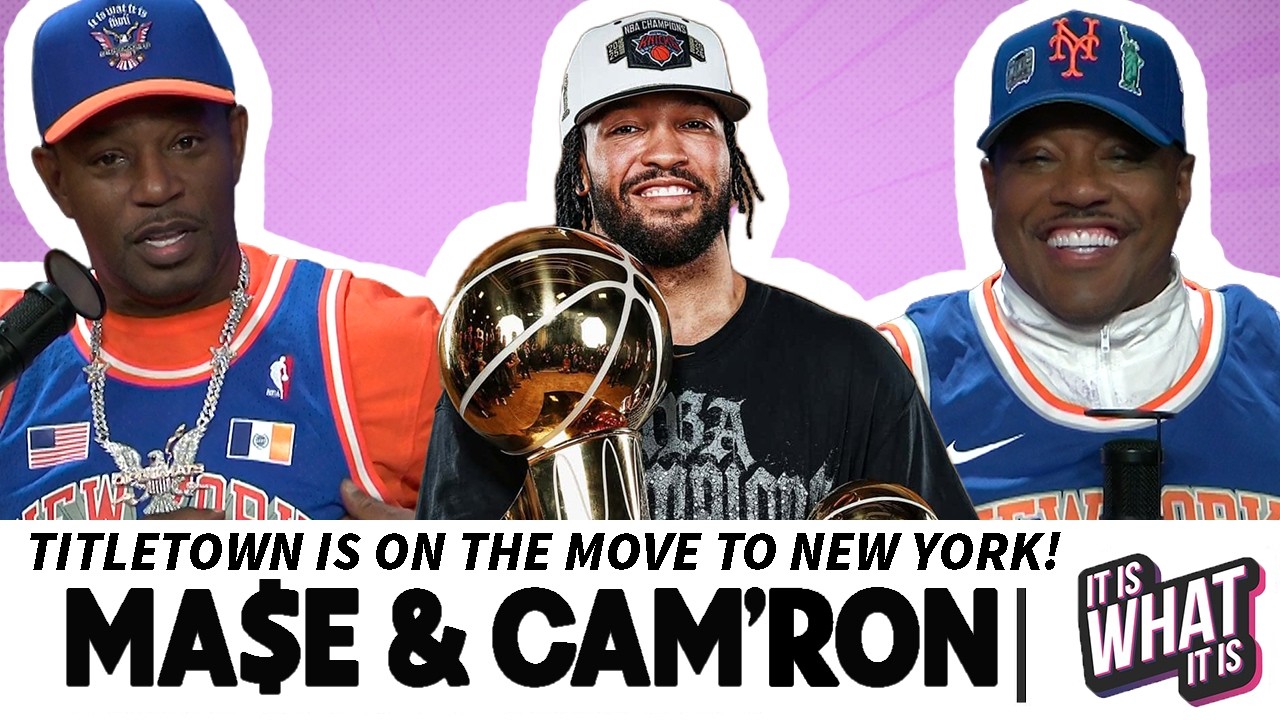
THE NEW YORK KNICKS FINALLY WON THE NBA CHAMPIONSHIP! SEASON 8 FINALE
"After a 53-year drought, the New York Knicks clinched the 2025-2026 NBA Championship, sparking city-wide celebration and intense debate on player legacies and future team strategies."

Shannon Sharpe OFFERS FREE SHIPPING to whomever will take De'Aaron Fox from the Spurs! | Nightcap
"Shannon Sharpe and Chad Ochocinco sharply criticize De'Aaron Fox's late-game decision-making and the Spurs' inability to close out games, arguing for greater player accountability and the need for veteran leadership in modern basketball."