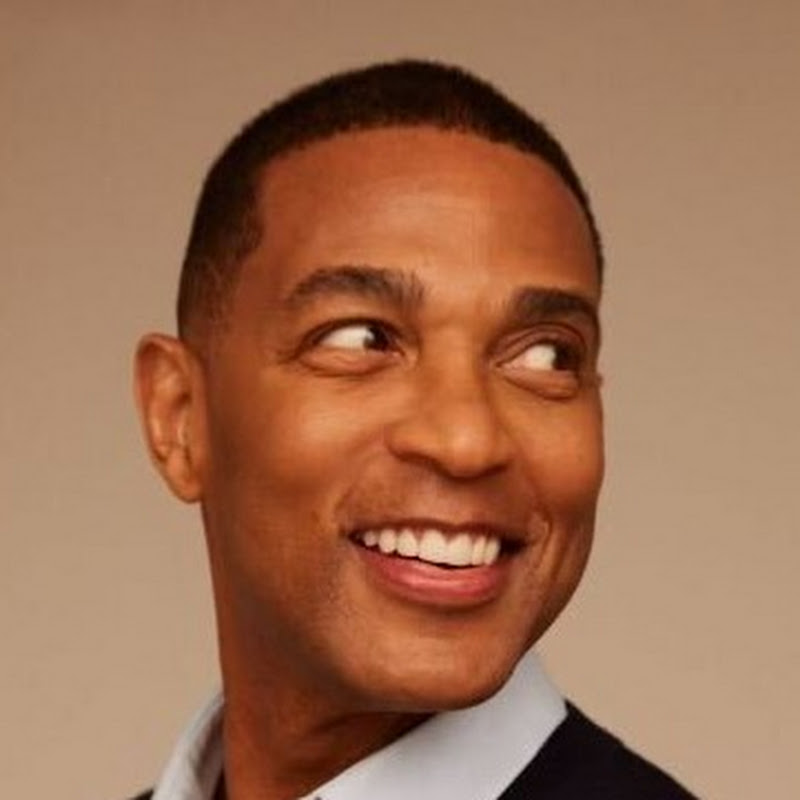
HOT TOPICS | Bad Bunny's Super Bowl Halftime Show Angers Donald Trump & MAGA!
YouTube · 1qHmGzaVxFI
Quick Read
Summary
Takeaways
- ❖Bad Bunny's Super Bowl halftime show was the most-watched in history, with over 135.4 million viewers, despite conservative criticism.
- ❖Critics like Donald Trump and others who called the performance 'un-American' are labeled as 'racist' and 'out of touch' by Don Lemon.
- ❖Lemon argues that Puerto Ricans are Americans and have a deep, often exploited, history with the U.S., similar to enslaved Black Americans.
- ❖The host highlights the hypocrisy of critics by contrasting Bad Bunny's performance with Kid Rock's past lyrics, which explicitly reference statutory rape.
- ❖John Halman suggests Trump's attacks on independent journalists and cultural figures like Bad Bunny are attempts to 'make America white again' and mobilize his base.
- ❖Don Lemon's recent arrest is framed as an attack on the First Amendment and independent journalism, with a court appearance scheduled.
- ❖AOC's clapback to Jake Paul, noting his move to Puerto Rico for tax avoidance while criticizing Bad Bunny, is praised for exposing hypocrisy.
Insights
1Bad Bunny's Halftime Show as a Cultural Battleground
Don Lemon asserts that the Super Bowl halftime show, featuring Bad Bunny performing largely in Spanish, became a flashpoint for racist and 'un-American' sentiments from conservative figures, including Donald Trump. He emphasizes Bad Bunny's identity as a Puerto Rican American, highlighting that Puerto Ricans are U.S. citizens, and criticizes the ignorance of those demanding 'more American' performances.
Lemon states, 'Bad Bunny was fire. I loved every second of it. And I love that it just drove these crazy racist people over the edge. We want more Americans. There should be more American. He is a American. He's a Puerto Rican. He's American. You guys are so dumb.'
2Historical Context of American Identity and Exploitation
Lemon draws parallels between the historical treatment of Puerto Rico and the exploitation of Black Americans, arguing that both groups were used for U.S. benefit (e.g., for war efforts) and then subjected to discrimination and attempts to erase their culture (e.g., forcing English in Puerto Rico). He connects this history to the current criticism of Bad Bunny's performance.
Lemon recounts, 'If you know the history of Puerto Rico and how they I mean, do you guys know what they did to Puerto Rico? They tried like back in the day they tried to make English like the only language that you could speak there. And I mean and and that they wanted um Puerto Rico to become part of the United States because they wanted them to fight in wars because they needed uh men.'
3Hypocrisy in Criticizing Performance and Morality
Lemon and John Halman expose what they see as hypocrisy among conservative critics. They highlight that while critics condemned Bad Bunny's dancing or Spanish lyrics as 'disgusting' or 'un-American,' they often support artists like Kid Rock, whose lyrics explicitly refer to statutory rape. This contrast underscores a selective application of moral standards.
Lemon quotes Kid Rock's lyrics: 'Young ladies, young ladies, I like them under AC. Some say it's that's statutory, but I say it's mandatory.' He then states, 'I say it's predatory. That's what I say.'
4Trump's Political Strategy and Disconnect from Mainstream Culture
John Halman analyzes Donald Trump's reaction to Bad Bunny, suggesting it stems from a 'make America white again' ideology and a desire to energize his base. Despite Trump's supposed business acumen and love for ratings, he fails to acknowledge Bad Bunny's immense global popularity, indicating a deep disconnect from current cultural trends and a reliance on divisive tactics.
Halman explains, 'If you're if you're if you're a president and a movement that is trying to make America white again, you know, the idea of a of a of a Latin pop star um who's going to who's going to come on and and then do their whole performance in Spanish is like the whole that's the whole cultural change.'
5The Role of Black Americans in Securing Rights for All
Lemon argues that the civil rights movement, largely driven by Black Americans, paved the way for rights and opportunities for all marginalized groups in the U.S., including Latinos and Indian-Americans. He calls on these groups to acknowledge and appreciate the sacrifices made by Black people.
Lemon states, 'Everyone should be in some way thanking black people for the [expletive] they went through for the in during the civil rights movement so that all of us can have rights. That was for everybody.'
6Comfort as a Threat to Democracy and Rights
In a speech at the Human Rights Campaign, Don Lemon warns that societal comfort can be a 'poison' that leads to the erosion of democracy and rights. He advocates for speaking truth and insisting on being seen, even when it is uncomfortable or unsafe, as essential for preserving freedom.
Lemon declares, 'Comfort is a poison. Everyone is so used to being comfortable right now. They're not used to sacrificing anything. We have grown so comfortable... that comfort will be the end of our democracy and the end of our rights.'
Lessons
- Challenge narratives that frame diverse cultural expressions as 'un-American' by understanding the historical context of American identity and citizenship.
- Recognize and call out hypocrisy when public figures apply selective moral standards to different artists or cultural events.
- Actively engage in civic discourse and support independent journalism, as silence in the face of injustice can erode democratic values and human rights.
Notable Moments
Don Lemon passionately defends Bad Bunny's Super Bowl performance, calling critics 'racist' and 'dumb' for their 'un-American' claims.
This sets the tone for the episode, establishing Lemon's strong stance against what he perceives as racially motivated criticism and highlighting the cultural significance of Bad Bunny's performance.
Lemon contrasts the criticism of Bad Bunny with Kid Rock's controversial lyrics, particularly those referencing statutory rape, to expose perceived hypocrisy.
This direct comparison serves as a powerful rhetorical tool to discredit conservative critics by highlighting a double standard in their moral outrage.
John Halman explains Trump's criticism of Bad Bunny as a political strategy to appeal to his base and 'make America white again,' despite the artist's massive popularity.
This provides a political analysis of the cultural debate, framing Trump's actions as calculated rather than purely reactive, and underscores the deep ideological divide in the country.
Don Lemon delivers an impassioned speech at the Human Rights Campaign, emphasizing that 'comfort is a poison' and advocating for speaking truth and insisting on being seen to protect democracy and rights.
This moment encapsulates Lemon's core philosophy of activism and journalism, urging listeners to actively resist complacency and fight for human rights, tying into the broader themes of the episode.
Quotes
"He's a Puerto Rican. He's American. You guys are so dumb."
"Donald Trump and MAGA, you are out of touch with this country. Like completely out of touch. And you know what? Good. Keep going."
"Why is every guy in America waiting for these chicks to turn 18? I mean, you know what I say? There's grass on the field. Play ball."
"If you're a president and a movement that is trying to make America white again, you know, the idea of a of a of a Latin pop star um who's going to who's going to come on and and then do their whole performance in Spanish is like the whole that's the whole cultural change."
"Every right that exists today, it exists because someone refused to be silent. Because someone told the truth when silence would have been safer. Comfort is a poison."
Q&A
Recent Questions
Related Episodes
“I’d Rather DIE Than Bend The Knee!” Megyn Kelly, Scott Galloway & More On Super Bowl Show
"This episode dissects the extreme political and cultural polarization in America, from the Super Bowl halftime show controversy to economic activism and political memes, revealing deep societal divides."

SHOCK LIVE: MAGA COLLAPSES, GHISLAINE MAXWELL PRISON FOOTAGE LEAKS!
"This episode dissects conservative outrage over the Bad Bunny Super Bowl halftime show, debates Don Lemon's arrest as journalistic suppression, exposes GOP hypocrisy on gay marriage and Trump, and questions the motives behind Ghislaine Maxwell's prison transfer and deposition silence."

HOT TOPICS | WARNING: Donald Trump's Iran War Chaos Has Hit the Point of No Return!
"Don Lemon delivers a scathing critique of Donald Trump's recent actions, framing them as desperate, unconstitutional attempts to consolidate power, undermine democracy, and distract from economic and foreign policy failures, all while questioning his mental stability."

🚨 HOLY F*CK HE WAS RIGHT 😂😂😂
"The host celebrates perceived conservative victories and the exposure of 'leftist' and 'communist' elements in American politics and culture, from Trump's enduring influence to alleged government fraud and societal decay."