
Gerhardt Konig Murder Trial: Wife's Shocking Survival Story - H3 After Dark #34
YouTube · 20qzeQwNKLo
Quick Read
Summary
Takeaways
- ❖Gerhardt Koig, an anesthesiologist, planned his wife Ariel's murder on her 36th birthday during a hike on Oahu's Poly Puka Trail.
- ❖The attack involved attempts to push Ariel off a cliff, sedate her with a syringe, and bludgeon her head with a rock.
- ❖Ariel's survival was due to her resistance and the timely intervention of two off-duty nurses who heard her screams.
- ❖Police apprehended Gerhardt after he fled the scene, finding him with blood on his clothes.
- ❖Evidence included a "Don't look down" selfie taken by Gerhardt at the cliff's edge moments before the attack.
- ❖Ariel later found Gerhardt's work bag containing syringes and medication at their home, which she reported to the police.
- ❖The defense tried to discredit Ariel by revealing an emotional affair and questioning her post-attack financial actions.
- ❖Gerhardt's son from a previous marriage was expected to testify that his father confessed to the attempted murder via FaceTime from the trail.
- ❖The case highlights the "Alpine divorce" phenomenon, where partners are murdered or abandoned in remote outdoor locations.
Insights
1Premeditated Murder Attempt on a Birthday Hike
Gerhardt Koig, an anesthesiologist, meticulously planned to murder his wife, Ariel, on her 36th birthday during a trip to Oahu. He chose the dangerous Poly Puka Trail, attempted to push her off a cliff, used a syringe to sedate her, and then bludgeoned her with a rock.
Gerhardt insisted on hiking a closed, dangerous trail (, ), tried to deter other hikers (), carried a syringe and vial in his backpack (, ), and took a "Don't look down" selfie with Ariel at the cliff's edge just before the attack ().
2Heroic Bystander Intervention
Two off-duty nurses, Amanda and Sarah, were hiking behind the Koigs and heard Ariel's screams for help. They rushed to the scene, witnessed Gerhardt hitting Ariel with a rock, and immediately called 911 while providing comfort and aid to the injured Ariel.
Witness testimony describes hearing screams (), seeing Gerhardt on top of Ariel hitting her with a rock (), and the 911 call (). The nurses helped Ariel, who could not walk, scoot down the trail ().
3Defense Strategy: Victim Blaming and Financial Discreditation
Gerhardt's defense team attempted to undermine Ariel's credibility by exposing an emotional affair she had and questioning her decision to move money from a joint account into a personal one shortly after the attack. They also presented a loving birthday card Gerhardt wrote to Ariel on the morning of the attack.
Cross-examination focused on Ariel's "emotional affair" () and her transfer of $123,515 from a joint account (). Ariel was made to read the birthday card in court ().
4"Alpine Divorce" as a Pattern of Violence
The case is framed within the context of "Alpine divorce," a historical and ongoing phenomenon where individuals, typically men, use remote or dangerous outdoor settings to kill or abandon their partners, staging the events as accidents.
The term originated from a late 1800s short story (). Examples of men abandoning or causing the death of partners on hikes are cited, including a man in Austria found guilty of manslaughter after leaving his girlfriend on a mountain ().
Bottom Line
The defendant, an anesthesiologist, possessed medical knowledge and access to sedatives, which he allegedly attempted to use during the murder attempt. This professional background provided both the means and a potential cover for the crime.
His medical expertise made the attack more calculated and dangerous, as he brought a syringe and vial to incapacitate his wife. This raises concerns about the potential for abuse of specialized knowledge in domestic violence cases.
Enhanced background checks and monitoring for medical professionals, particularly those with access to controlled substances, could be considered in cases involving domestic disputes or suspicious behavior.
Gerhardt's son from a previous marriage was prepared to testify that his father confessed to the attempted murder via FaceTime from the trail shortly after the incident.
This direct confession, despite legal challenges regarding hearsay, provides compelling evidence of guilt and reveals a disturbing lack of remorse or judgment immediately following the attack. It also highlights the profound impact of such crimes on extended family members.
Legal systems could explore mechanisms to streamline the admissibility of immediate, uncoerced confessions made to family members, especially when corroborated by other evidence, while safeguarding against false accusations.
Lessons
- Prioritize Safety in Remote Settings: If a partner suggests a hike or activity in a remote or unfamiliar location, especially after marital issues, be extra vigilant. Share your itinerary with trusted friends or family, including the exact location and expected return time.
- Recognize Red Flags in Relationships: Pay attention to controlling behaviors, extreme jealousy, or sudden shifts in a partner's demeanor, particularly after conflicts. Ariel noted feeling "uneasy" and her husband's spatial awareness of her position near the cliff.
- Understand "Alpine Divorce" and Similar Patterns: Be aware that some individuals plan violence in isolated environments to make it appear accidental. This knowledge can inform personal safety decisions and help identify suspicious circumstances.
- Support and Believe Victims: The defense's attempts to discredit Ariel's character highlight the need to support survivors of violence and avoid victim-blaming. Trust a victim's account, especially when corroborated by physical evidence and witness testimony.
Notable Moments
Two off-duty nurses, Amanda and Sarah, heard Ariel's screams and came upon Gerhardt actively hitting Ariel with a rock, directly intervening to save her life.
This intervention was critical to Ariel's survival, demonstrating the life-saving impact of bystander action in violent situations.
Ariel's quick thinking to throw herself to the ground to avoid being pushed off the cliff and her struggle to bat away the syringe and vial were critical to her survival.
Her immediate and strategic resistance against her larger attacker prevented the initial attempts to kill or incapacitate her, buying time for help to arrive.
Gerhardt insisted on taking a selfie with Ariel at the cliff's edge, with the caption "Don't look down," moments before he initiated the attack.
This detail reveals chilling premeditation and a manipulative attempt to create a narrative of an accidental fall, while also serving as a taunt to his unsuspecting victim.
Gerhardt's son from a previous marriage was expected to testify that his father confessed to attempting to kill Ariel via FaceTime from the trail.
This alleged confession provides direct evidence of Gerhardt's guilt and reveals a disturbing lack of remorse, implicating his own child in the aftermath of the crime.
Quotes
"Nobody's going to hear you out here. Nobody's coming to save you."
"You can't do this. Everyone knows we're on a hike. They'll know this wasn't an accident and our kids will be orphans. You'll go to jail and I'll I'll be dead. You have to stop."
"Happy birthday, Angel Face. There isn't an obstacle in this world too hard for me to fight through for you. Anything just to see your smile. You're one of the kindest, most giving, and selfless people I know. Putting others before yourself with so much love. You're the heart of our family and the heart. The kids and I hit the jackpot with you. Love always G."
Q&A
Recent Questions
Related Episodes
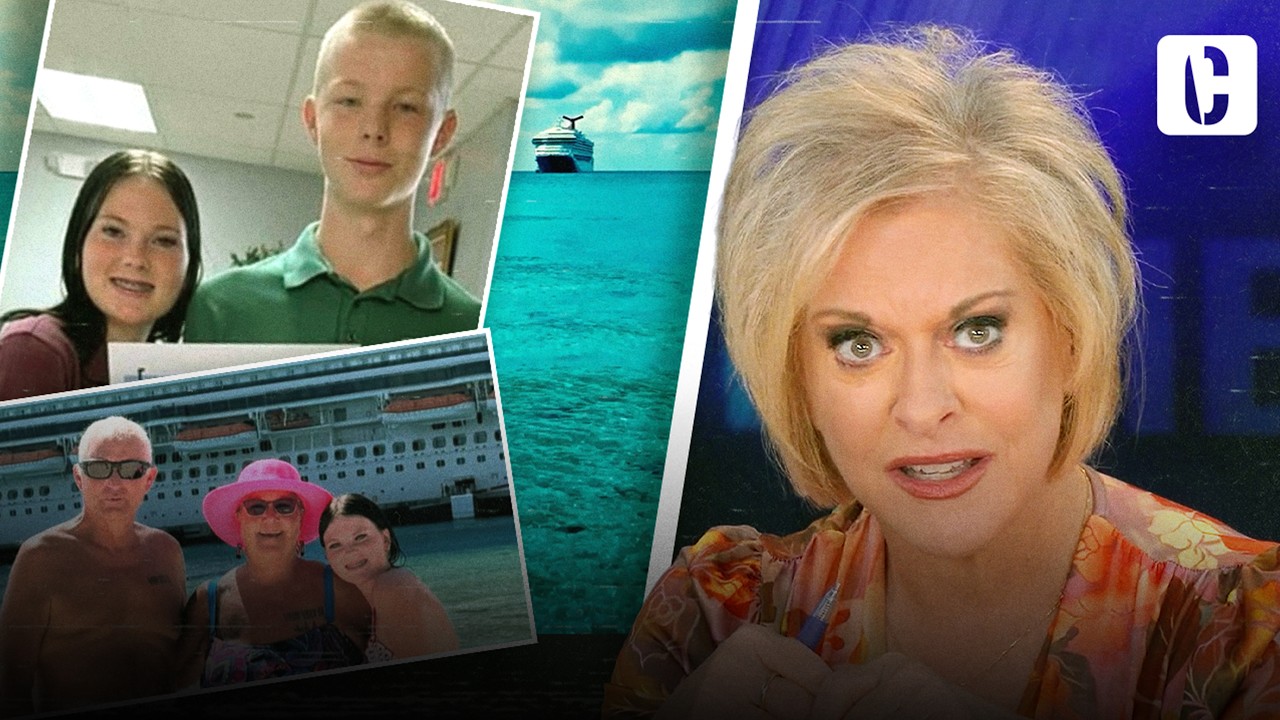
TEEN'S DNA REVEALED IN ANNA KEPNER'S R*** KIT
"The investigation into Anna Keaptainner's death on a cruise ship reveals shocking DNA evidence, a previously unknown male minor, and critical questions about evidence handling and family dynamics."
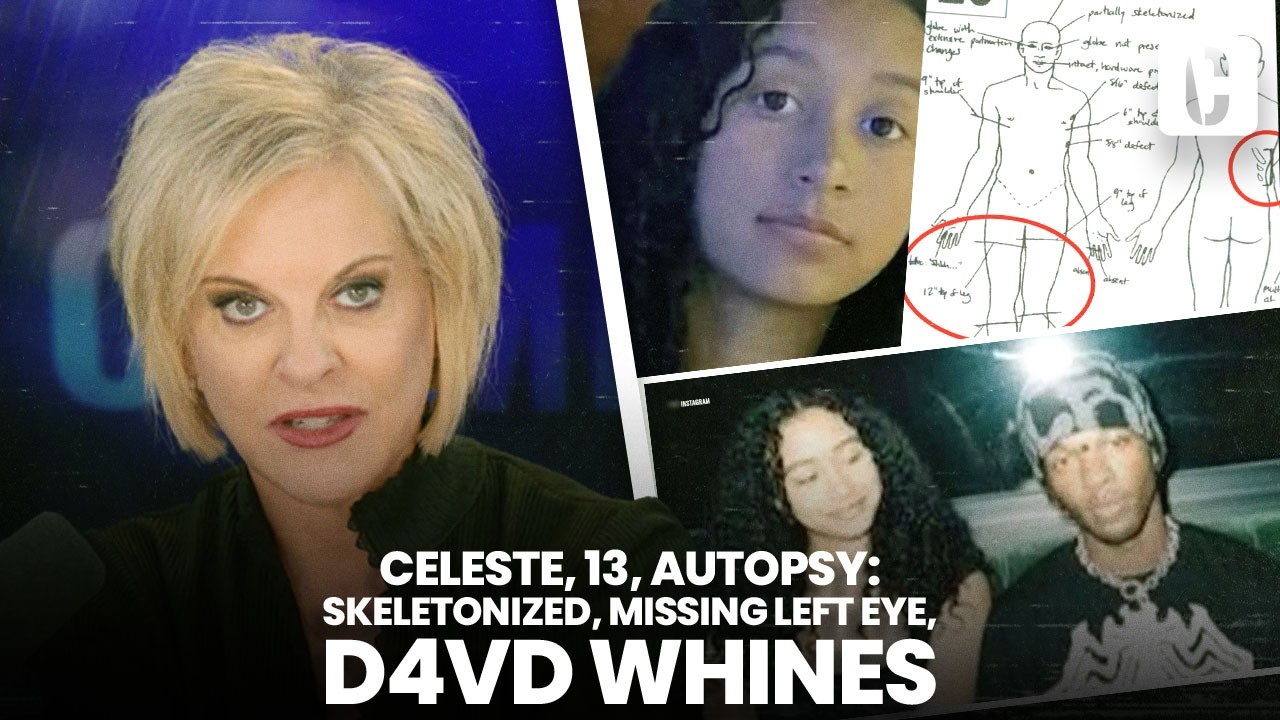
CELESTE, 13, AUTOPSY: SKELETONIZED, MISSING LEFT EYE, D4VD WHINES
"A 13-year-old girl, Celeste Rivas, was found partially skeletonized with a missing left eye, traces of meth and MDMA, and fatal stab wounds, while the accused musician David Anthony Burke (D4VD) complains about jail conditions."
5 Most Wicked Murder Cases Caught On Bodycam
"Bodycam footage provides an unfiltered, real-time look into five brutal murder investigations, exposing the immediate aftermath of horrific crimes and the initial interactions with suspects and witnesses."
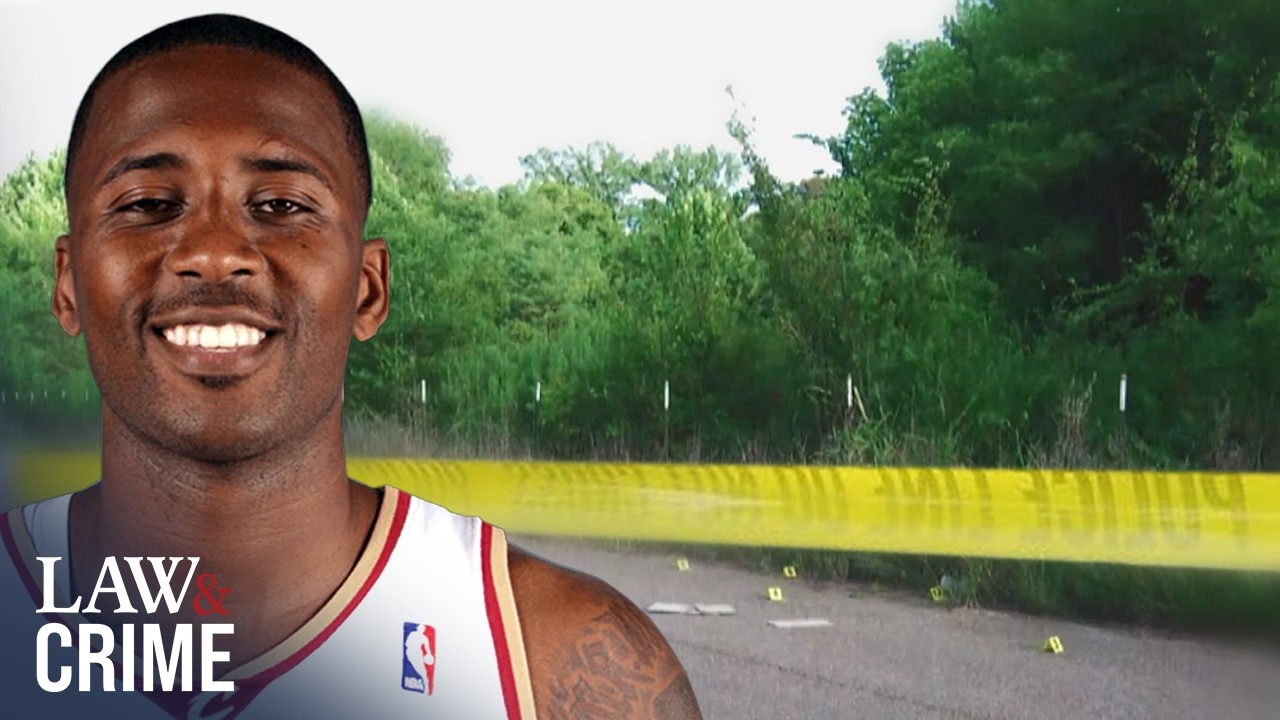
Killer Cases: NBA Star Lured to Execution In Rural Tennessee
"The decade-long cold case of NBA star Lorenzen Wright's murder was cracked through a persistent mother, a jailed informant, and a covert police operation that recovered the murder weapon from a lake and exposed a conspiracy driven by greed."