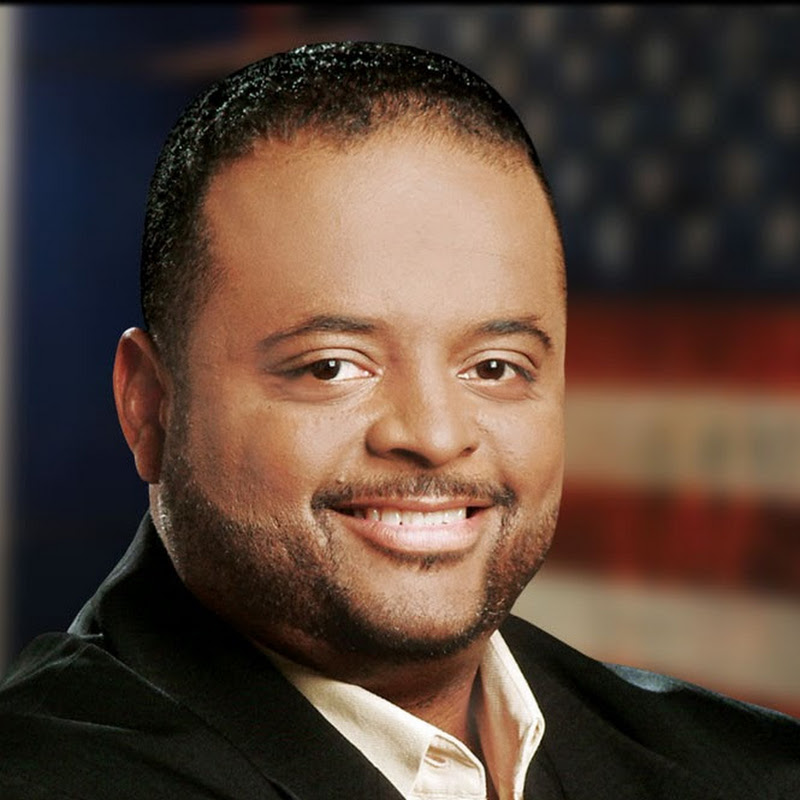
Charges Dropped in Christopher Mitchell Killing. RFK Jr Confronted. Ticketmaster Monopoly Ruling
YouTube · 2_y9G0WBRoU
Quick Read
Summary
Takeaways
- ❖Los Angeles County judges dismissed voluntary manslaughter charges against two former Torrance police officers in the 2018 shooting death of Christopher DeAndre Mitchell, despite a $7.8 million civil settlement.
- ❖The DA's office initially moved to dismiss the Mitchell case due to perceived court restrictions on pre-shooting tactic evidence, later changing the rationale to insufficient evidence strength.
- ❖A federal jury ruled that Ticketmaster and Live Nation operate an illegal monopoly, controlling ticketing, venues, and artist management, leading to overcharging consumers and stifling competition.
- ❖The Biden-Harris administration initiated the Ticketmaster antitrust case, aiming for a potential breakup of the company, which was nearly derailed by a Trump administration settlement attempt.
- ❖Robert F. Kennedy Jr., as Secretary of Health and Human Services, was confronted by Congresswoman Terry Sew over his 2024 podcast comments suggesting 'reparenting' Black children on ADHD medication.
- ❖Experts emphasize that domestic violence and murder-suicides are mental health issues rooted in trauma and societal pressures, requiring open conversations and proactive intervention from Black men and community organizations.
- ❖The host highlights a 'cone of silence' among Black men, where discussing emotional struggles is perceived as weakness, hindering efforts to address and prevent domestic violence.
- ❖The 'Power Wheel' model of domestic violence is recommended to help individuals recognize various forms of abuse beyond physical harm, including intimidation, isolation, and financial control.
Insights
1Dismissal of Charges in Christopher Mitchell Shooting Highlights Justice System Failures
Los Angeles County judges formally dismissed voluntary manslaughter charges against two former Torrance police officers involved in the 2018 shooting death of Christopher DeAndre Mitchell. This decision came despite Mitchell, a Black man, being shot while sitting in a car with an air rifle, never pointing it at officers, and his family having previously been awarded $7.8 million in a wrongful death lawsuit. The DA's office cited insufficient evidence strength after initially attempting to dismiss based on anticipated court rulings on pre-shooting tactics. The family's attorney plans to appeal to the California Department of Justice for 'abuse of discretion.'
The DA's office's rationale for abandoning the case varied, initially citing concerns about evidence admissibility and later stating the evidence was not strong enough to meet the burden. The family was aware of the impending dismissal. Sheila Bates of Black Lives Matter LA described the community's reaction as 'devastating' and not surprising, given the system's historical bias.
2Federal Jury Rules Ticketmaster/Live Nation an Illegal Monopoly
A federal jury ruled that Ticketmaster and its parent company, Live Nation, operate an illegal anti-competitive monopoly over large concert venues, stifling competition and overcharging consumers. This ruling favored 33 states and Washington D.C., finding Live Nation controlled too many aspects of live entertainment, including venues, ticketing, and artist management. The case proceeded despite alleged interference from the Trump administration, which reportedly tried to settle the federal case.
Morgan Harper, Director of Policy and Advocacy at the American Economic Liberties Project, explained that Live Nation's control over ticketing and venues forced venues to use Ticketmaster, leading to higher costs for consumers and less money for artists and independent venues. The Biden-Harris administration initiated the case, and a breakup of the company remains a potential remedy.
3RFK Jr. Confronted Over 'Reparenting Black Children' Comments
Robert F. Kennedy Jr., as Secretary of Health and Human Services, lost composure during a House Judiciary Committee hearing when Alabama Congresswoman Terry Sew confronted him about his 2024 podcast comments. RFK Jr. had suggested that Black children on ADHD medication should be 'reparented' and sent to 'wellness farms.' Congresswoman Sew highlighted his lack of medical qualifications and the deeply offensive nature of his remarks, especially given the painful history of Black family separation in the U.S.
Congresswoman Sew directly quoted RFK Jr.'s comments: 'Every Black kid is now just standardly put on Adderall, SSRI, benzo, which are known to induce violence, and that those children are going to have to go somewhere to get reparented.' She challenged his qualifications and stated his words endanger lives by promoting unproven statements.
4Addressing the Crisis of Domestic Violence and Murder-Suicides in the Black Community
The podcast delves into the alarming trend of murder-suicides and domestic violence cases involving Black men and women, citing recent tragic examples. Experts Dr. Monique Swift (Association of Black Psychologists) and Dr. Tori Protherwally (licensed professional counselor) emphasize that these are deeply rooted mental health issues, often stemming from trauma and societal pressures. They advocate for open, difficult conversations, proactive intervention from men, and community support to break cycles of violence.
Roland Martin shared personal anecdotes of his sister fleeing domestic violence and the recent cases of Justin Fairfax, Caleb Deer, and others. Dr. Swift highlighted a 'pervasive and insidious pattern' where Black women, once honored, are now victims of violence. Dr. Protherwally stressed the importance of empathy and self-awareness, noting that violence often originates from fear and that reformed men should share their stories to model change.
Key Concepts
Federalism in Legal Cases
The concept that state and federal legal systems operate independently, allowing state attorneys general to pursue cases (like the Ticketmaster monopoly) even when federal attempts to settle or interfere occur. This provides a crucial check and balance against centralized political influence.
The Power Wheel of Domestic Violence
A model illustrating the various tactics abusers use to maintain power and control over their victims, extending beyond physical violence to include intimidation, emotional abuse, isolation, minimizing, denying, blaming, using children, economic abuse, and male privilege. Understanding this wheel helps identify and address the full spectrum of abusive behaviors.
Trauma-Informed Approach to Violence
The understanding that individuals who commit violent acts are often 'hurt people who hurt people,' meaning their behavior is frequently rooted in their own past experiences of trauma. Addressing the underlying trauma and social conditions contributing to this pain is essential for breaking cycles of violence and promoting healing.
Lessons
- Black male organizations (Alphas, Kappas, Omegas, Sigmas, Iotas, Prince Hall Masons, church groups) must create safe spaces for difficult, intimate conversations about anger, mental health, and domestic violence among their members.
- Individuals should proactively check on friends and family members they suspect are struggling with mental health issues or are in potentially abusive relationships, offering support rather than judgment.
- Bystanders witnessing domestic violence should intervene, either by directly addressing the aggressor (e.g., 'Bro, let me talk to you') or by calling authorities, recognizing that silence perpetuates harm and that early intervention can prevent escalation to murder-suicide.
Community Response to Domestic Violence and Mental Health Crisis
**Initiate Open Dialogue:** Create platforms and spaces within Black communities (churches, fraternities, social groups) for men to openly discuss emotions, anger, trauma, and relationship challenges without fear of judgment.
**Promote Male Mentorship and Modeling:** Encourage reformed men or those who manage emotions healthily to mentor younger men and model respectful behavior towards women, emphasizing that strength is not about violence but emotional intelligence and affirmation.
**Educate on the 'Power Wheel' of Abuse:** Disseminate knowledge about the various forms of domestic violence (beyond physical abuse) to help individuals recognize signs in their own relationships or in others, fostering early intervention.
**Support Victims and Perpetrators (with Accountability):** Offer resources and safe havens for victims while also providing mental health support and counseling for perpetrators, ensuring accountability for their actions but focusing on understanding the 'why' to prevent future harm.
**Foster Community Intervention:** Empower bystanders to 'see something, say something' by providing clear guidelines on when and how to intervene in domestic disputes, whether through direct conversation, seeking external help, or involving law enforcement when necessary.
Notable Moments
Congresswoman Terry Sew's forceful cross-examination of RFK Jr. regarding his comments on 'reparenting Black children' and his lack of medical expertise.
This moment highlighted the significant public accountability faced by political figures for controversial statements, especially those touching on sensitive racial and medical issues, and underscored the importance of qualifications for high-level positions.
The host, Roland Martin, shares personal experiences with domestic violence in his family and challenges the community to move beyond grief to proactive intervention.
This personal revelation adds significant weight and authenticity to the discussion, making the abstract issue of domestic violence tangible and relatable, and setting a tone for urgent, empathetic action.
The debate among social media users and some activists about whether domestic violence should be framed as a mental health conversation or solely as a domestic violence issue.
This internal community debate reveals the complexities and sensitivities surrounding how to address such a painful issue, highlighting the tension between seeking justice for victims and understanding the root causes of perpetrators' actions.
Quotes
"You can't be blackowned media and be scared. It's time to be smart. Bring your eyeballs home, you dig?"
"The system was never built for us. And so it's not shock that they allowed to go to cops in this case unless... and it's not shocking that person is a black person that they allow for murderers to go."
"This is someone who is heavily involved in everything that's going on in the judicial process. He took a seat in the middle of a war. That is how important the judicial process is and that is how uh that's the type of eye that he has on the judicial process to make sure that it is not going to be working in the favor of people of color."
"They forgot about this whole principle called federalism that we have these states that they couldn't just negotiate away."
"You are not a doctor, have no formal medical training, and you've never parented a black child, and yet you are suggesting that the federal government should take black children away from their families and reparent them and send them off to some wellness farm instead of providing them with evidence-based..."
"The truth is hurt people hurt people. So the unpopular part of this conversation is recognizing that these people are that are committing these heinous crimes that are harming women in the way they are often themselves are hurt people and we don't want to look at that because we don't want to have the empathy."
"We will never be able to confront the violence that is happening if we don't confront the people who are committing the violence."
"I don't want nobody to know about my past. But but you can be freeing another brother who says, 'Oh man, I didn't realize that was your past.'"
"There are brothers in our midst who are laying hands on the women in their lives. There are brothers who we are going to cigar bars with, playing basketball with, watching games with, who are triggered, who are anger, who are committing acts of domestic violence, or they are on the pathway to commit acts of domestic violence, including the ultimate act, which is murder or murder suicide."
Q&A
Recent Questions
Related Episodes

Iran Deal Skepticism. Whoopi Vs Vance. Potomac Park Invasion. Racist Hurls Slurs At Black Boy.
"This episode dissects multiple instances of alleged anti-Black policies and racial injustice, from the Trump administration's legal challenges to reparations and the Iran deal, to police brutality and the erasure of Black history."

Mamdani CELEBRATES NYC Rent Freeze, This Will DESTROY The City | Timcast IRL
"New York City's rent freeze, celebrated by Mandami, is framed as a socialist 'land grab' that will devastate the city's housing market and economy, while a FIFA Pride Match in Seattle sparks outrage from conservative nations."

NC Targets DEI. Trump Blocks Housing Bill. Minority Banks Face New Rules. Kohen Wiley Protests
"This episode exposes how current political actions, from changes in minority bank definitions to attempts to regulate college athlete earnings and block foreign aid, are systematically undermining Black economic power, voting rights, and social justice."

Sadhguru - Stop Letting Your Mind DESTROY You | SRS #315
"Sadhguru challenges conventional wisdom on 'being in the moment' and stress, arguing that mastering the mind requires understanding its sophisticated design and consciously directing one's internal chemistry for profound well-being."