BREAKING: Iran MINES Hormuz; Nuclear BREAKOUT Nears; Hezbollah Cash Pipeline Hit | TBN
YouTube · 3KR7fRAjkuE
Quick Read
Summary
Takeaways
- ❖Iran planted dozens of naval mines in the Strait of Hormuz, capable of expanding deployment rapidly with an estimated 2,000-6,000 mines available.
- ❖The US responded by destroying 16 naval mine-laying ships and over 50 Iranian vessels, threatening severe consequences if oil flow is impeded.
- ❖Oil prices fell to below $85 per barrel after Trump's statement that the war had 'pretty much ended,' down from $115 just days prior.
- ❖Israeli and US strikes targeted Iran's nuclear project laboratories, ballistic missile development, and defensive industry production facilities, shifting from 'breaking the arm' to 'dismantling the body'.
- ❖US Defense Secretary stated Iran fired its lowest number of missiles in 24 hours, with White House claiming >90% failure for ballistic missiles and 85% for drones.
- ❖Iran possesses enough material for 11 nuclear bombs, including 460 kg of 60% enriched uranium, with experts warning strikes alone may not prevent a bomb within weeks or months if the regime survives.
- ❖Israel initiated an economic war against Hezbollah, striking 30 assets of the Elcard Elassan Association, its financial arm, which receives an estimated $750 million annually from Iran.
- ❖Hezbollah is experiencing its deepest economic crisis in years, struggling with salaries and routine payments due to financial pressure.
- ❖The Arab world exhibits an ambivalent attitude towards the war, showing relief over Iran's weakening but concern about a new regional order.
Insights
1Iran's Strategic Mining of the Strait of Hormuz
Iran has deployed dozens of naval mines in the Strait of Hormuz, a critical maritime chokepoint through which one-fifth of global oil supply passes. This move is framed as Iran's 'last pressure lever' to escalate the conflict into a global energy war, aiming to force the United States to de-escalate. Iran possesses an estimated 2,000 to 6,000 naval mines and the capacity to lay hundreds more quickly, threatening ongoing disruption and uncertainty for international shipping without needing to fully close the strait.
Reports indicate the revolutionary guards began laying 'dozens of naval mines' in the Strait of Hormuz (). Iran has 'between 2,000 and 6,000 naval mines' and '80% to up to 90% of the small boats and platforms that can lay hundreds of additional mines' ().
2US Military Response and Deterrence in Hormuz
The United States responded immediately to Iran's mining of Hormuz, destroying 16 naval mine-laying ships and a total of over 50 Iranian vessels. US President Trump issued a sharp ultimatum, demanding immediate removal of the mines and threatening 'military consequences on a level not seen before' and a '20 times harder' strike if oil flow is stopped. The US military is preparing additional options to ensure the strait remains open and is examining the possibility of escorting oil tankers.
US Central Command announced it 'destroyed 16 naval mine lane ships' (). Trump 'demanded that if mines were indeed laid, they be removed immediately' () and threatened to 'hit it 20 times harder' if oil flow stops ().
3Intensified Strikes on Iran's Nuclear and Missile Infrastructure
Israeli and US air forces continued deep strikes inside Iran, targeting not just launchers but the core production and development infrastructure for nuclear and ballistic missile programs. Targets included regime infrastructure, R&D components, underground missile routes, Quds Force headquarters, and weapon production sites, including a missile testing complex at Imam Hussein Military University. This signifies a strategic shift from merely 'breaking the arm' to 'dismantling the body that produces it again,' aiming to cripple Iran's long-term military capabilities.
Strikes targeted 'regime infrastructure, research and development components, underground routes for the development of ballistic missiles' (). A central strike was at the 'Imam Hussein Military University' destroying a 'missile site and an underground complex for testing and maximization in missile development' (). Israel and the US 'moved from the stage of breaking the arm to the stage of dismantling the body that produces it again' ().
4Hezbollah's Economic Strangulation and Iran's Financial Pipeline
Israel has opened a new economic front against Hezbollah, striking approximately 30 assets belonging to the Elcard Elassan Association, identified as Hezbollah's financial arm. This move aims to deepen the military blow through economic strangulation, as Hezbollah is reportedly experiencing its deepest economic crisis in years, struggling with salaries and routine payments. This financial vulnerability is linked to Iran's reported transfer of about $750 million in cash to Hezbollah over the past year, a pipeline that Israel is actively targeting.
The IDF struck 'about 30 assets belonging to the Elcard Elassan Association, which is the organization's financial arm' (). Hezbollah is in its 'deepest economic crisis that has has experienced in years' (). Iran 'transferred about $750 million in cash tobala over the past year' ().
Bottom Line
The Arab world's ambivalent reaction to the war against Iran presents a complex geopolitical opportunity and risk.
While some Arab states are relieved by Iran's weakening and the damage to its 'axis of resistance,' there's deep concern about the potential for a new regional order. This suggests a window for new alliances or increased instability, as regional powers recalibrate their positions.
Diplomatic efforts could leverage the relief over Iran's weakening to foster closer ties with certain Arab nations, while simultaneously addressing their concerns about regional stability to prevent further destabilization or the emergence of new threats.
Lessons
- Monitor global oil prices and shipping routes in the Strait of Hormuz for potential disruptions and their economic impacts.
- Assess the long-term implications of strikes on Iran's nuclear infrastructure, considering expert warnings that the regime could still develop a bomb within weeks or months.
- Observe the effectiveness of economic warfare against proxy groups like Hezbollah, noting its potential to cripple operational capabilities and reduce regional threats.
Quotes
"Iran will be able to create a bomb within a short time."
"If Iran stops the flow of oil, we will strike it harder than ever before."
"The American military is preparing additional options to ensure that the strait remains open. Trump is not afraid to use them."
"Whoever goes out into the street according to the will of the enemy, we will see him as the enemy himself."
Q&A
Recent Questions
Related Episodes

Patrick Henningsen: Hezbollah JUST Fired Back at Israel - Iran Vows to “Crush” All Attacks
"Patrick Henningsen argues that the US and Israel initiated an illegal war against Iran, driven by Trump's incompetence and Israeli influence, leading to an inevitable escalation with severe global economic repercussions."
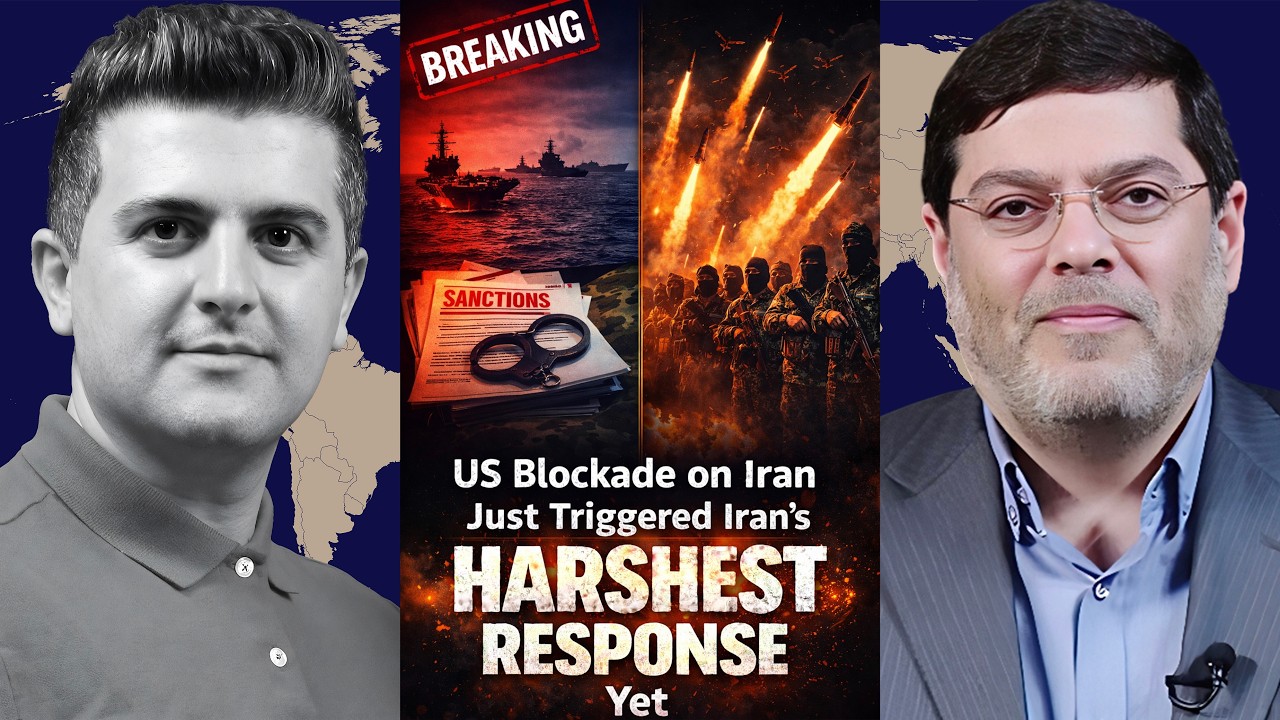
Seyed M. Marandi: US Blockade on Iran Just Triggered Iran’s HARSHEST Response Yet
"An Iranian professor details how US demands and an imposed blockade triggered Iran's harshest response, exposing American strategic missteps and the vulnerability of Gulf Arab states."
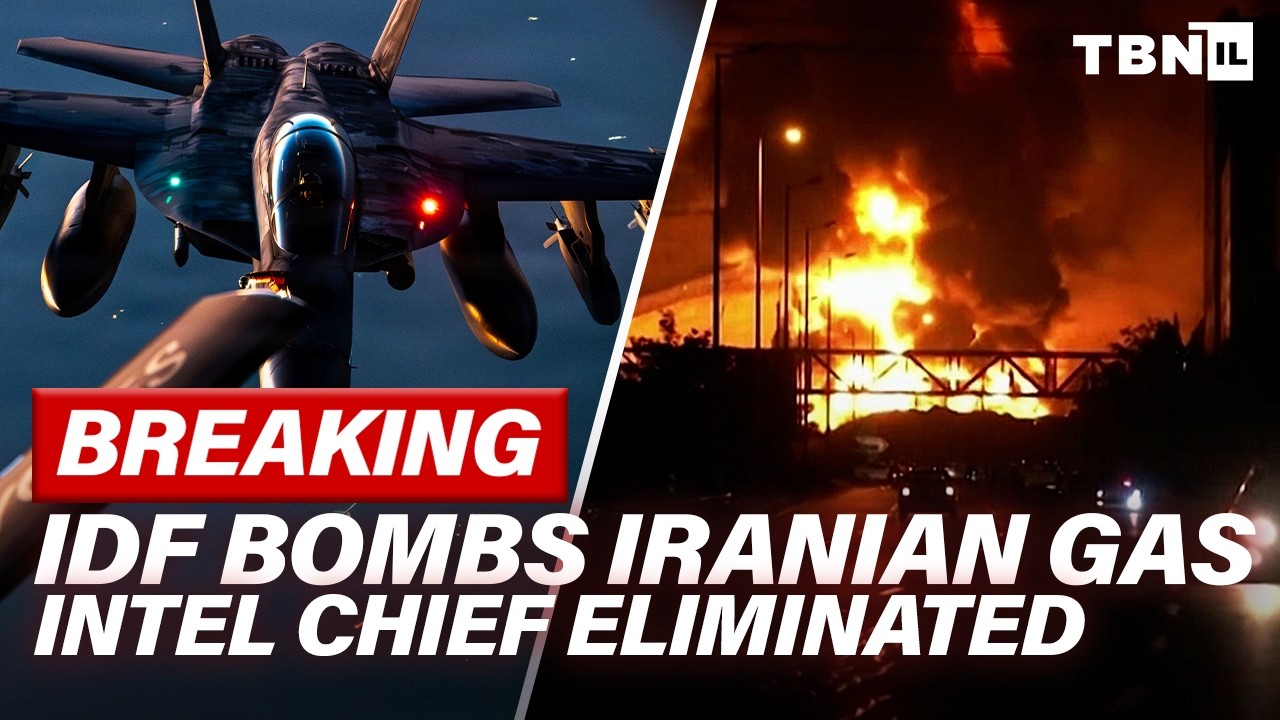
BREAKING: Israel BOMBS Major Iran Gas Site; Top Mullah ELIMINATED; Iran Vows VENGEACE | TBN Israel
"Israel and the United States have escalated their 'Roaring Lion War' against Iran, striking its largest gas facilities, eliminating key intelligence and military figures, and disrupting missile production, while Iran threatens a broader energy war in the Gulf."

BREAKING: Iran Threatens To END Talks; U.S. Vows Retaliation; Hezbollah Collapsing? | TBN Israel
"Iran is leveraging Hezbollah and the Strait of Hormuz to manipulate US negotiations, while Israel asserts its right to dismantle Hezbollah's eroding but still dangerous infrastructure in Lebanon, independent of international talks."