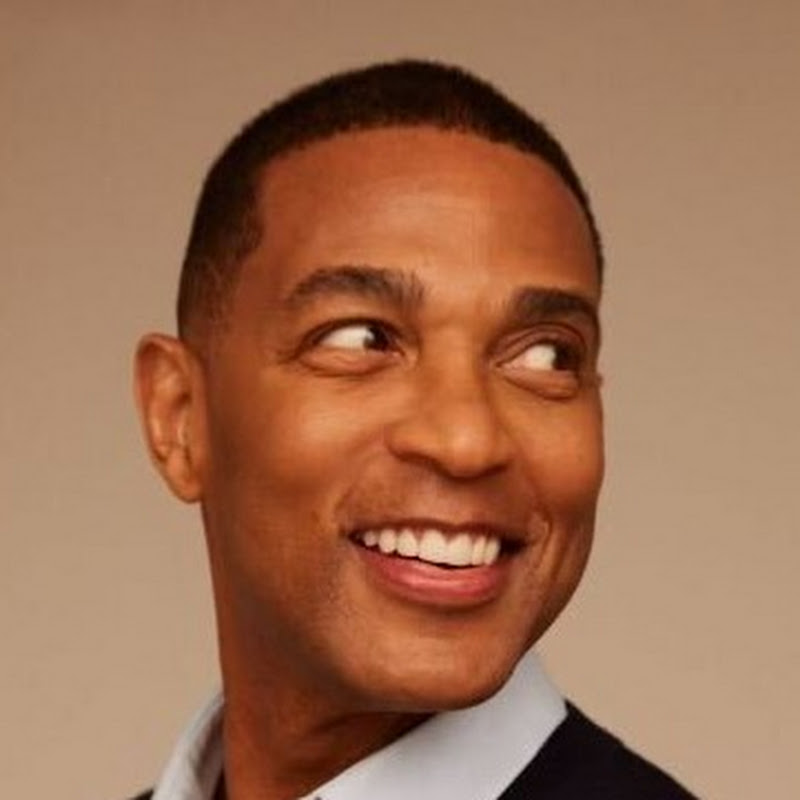
BREAKING: Don Lemon Pleads NOT GUILTY!
YouTube · 3aaT6Bsrlp4
Quick Read
Summary
Takeaways
- ❖Don Lemon pleaded not guilty to federal charges in St. Paul, Minnesota, which are widely viewed as an attack on journalism.
- ❖The charges are seen as politically motivated by the Trump administration's Department of Justice, aiming to intimidate independent media and dissenters.
- ❖Legal experts and commentators highlight irregularities in the prosecution, including initial rejections of arrest warrants by judges.
- ❖The 'process is the punishment' strategy aims to financially and emotionally burden those targeted, regardless of conviction likelihood.
- ❖There is a strong call for accountability for government officials who abuse the justice system for political ends.
- ❖Independent media is identified as a crucial check on power, especially as corporate media is perceived to be compromised.
Insights
1Weaponization of Justice Against Journalism
The Trump administration's Department of Justice is accused of weaponizing the legal system to target independent journalists like Don Lemon and Georgia Ford. This is exemplified by the use of the FACE Act, originally intended for clinic access, to prosecute journalists covering a protest.
Monique Presley states, 'the crime he's really being accused of is journalism.' Michael Fenone explains, 'They were looking for an opportunity to charge a person of color with a violation of the FACE act... this administration loves the irony of charging Don Lemon, a journalist, a person of color, with a violation of that act.'
2'Process is the Punishment' Strategy
The hosts and guests repeatedly assert that the legal process itself, including arrests, arraignments, and ongoing legal battles, serves as a punishment designed to intimidate, financially burden, and silence dissenters, rather than genuinely seeking justice.
Charles Coleman states, 'The punishment is the process here, that the the punishment is the process of trying to attach a stigma of going through this, of the expenses that are associated with this.' Don Lemon himself declares, 'the process is the punishment with them.'
3Irregularities in Prosecution
The prosecution of Don Lemon involved multiple failed attempts to secure an arrest warrant from judges, eventually leading to a grand jury indictment. This is highlighted as an unusual and potentially abusive legal maneuver.
Monique Presley notes, 'After multiple failed attempts by Pam Bondi and the Department of Justice... to get a judge to sign off on an on an arrest warrant... they went to a grand jury.' Katie Fang adds, 'a magistrate judge refused to issue warrants the first time around to this DOJ. Number two, the chief federal judge in that district in Minnesota said he found quote no evidence of criminal conduct on the part of Don Lemon and others.'
4Targeting of Black Journalists
Several speakers suggest that the targeting of Don Lemon and Georgia Ford, both Black journalists, is not a coincidence but rather consistent with a pattern of the Trump administration going after people of color and specific demographics.
Michael Fenone states, 'they were looking for an opportunity to charge a person of color with a violation of the FACE act... this administration loves the irony of charging Don Lemon, a journalist, a person of color, with a violation of that act.' Sam Cedar notes, 'it is also not a coincidence in my mind that... they are going after black journalists.' Don Lemon himself says, 'The president doesn't like me. I'm black. I have a platform. I'm gay. All of those things.'
5Erosion of First Amendment Rights
The case is framed as a direct assault on the First Amendment, particularly freedom of the press and the right to protest, with the goal of creating a 'chilling effect' on all journalists and activists.
Kurt Mardella states, 'this administration wants to use Don as an example to try to chilling to send that chilling message to every journalist who would dare question them.' Erin Haynes emphasizes, 'Committing journalism is not committing a crime... this situation raises really important questions about whether journalists can report on events... without fear of criminal prosecution.'
6Independent Media as a Counterforce
In an environment where corporate media is seen as 'neutered' or 'capitulating' to political pressure, independent journalists are presented as the essential voices for truth-telling and holding power accountable.
Justin Canoe states, 'the independent media is the real threat to them. That's why they're going after him. You know, they wouldn't be doing this to Don when he was on CNN.' Don Lemon adds, 'They have neutered corporate journalism... now the people who are closest to the ground without the gatekeepers are people like us.'
7Call for Accountability for Abuses of Power
There is a strong consensus among guests that those responsible for weaponizing the justice system, including Attorney General Pam Bondi and others in the administration, must be held accountable to prevent further erosion of democratic principles.
Kurt Mardella states, 'I want them to investigate all of these things. I want to know exactly who was calling the shots, who directed the Justice Department to take this action against Dun.' James Carville asserts, 'If there's no accountability here, we're just going to go through the same thing we go through every time.'
Bottom Line
The Trump administration's alleged strategy of 'flooding the zone' with numerous controversial actions and legal battles aims to overwhelm the public and media, making it difficult to track and hold bad actors accountable.
This tactic exploits public fatigue and limited media resources, allowing systemic abuses to persist without sufficient scrutiny.
Independent watchdog organizations and journalists can specialize in cataloging and exposing specific instances of waste, fraud, abuse, and corruption, creating a comprehensive record for future accountability.
The perceived incompetence of the DOJ under the Trump administration is not accidental but a 'weaponized incompetence' designed to push the boundaries of acceptable behavior and challenge public response.
This deliberate display of unprofessionalism and disregard for legal norms serves to desensitize the public and test the limits of what the administration can get away with, eroding trust in institutions.
Public figures and media can actively call out and dissect this 'weaponized incompetence,' framing it as a direct challenge to democratic norms and demanding higher standards of governance, thereby mobilizing public outrage.
Lessons
- Support independent journalists and media platforms to ensure diverse and unfiltered information remains available.
- Engage actively in political processes, including voting, to elect officials committed to upholding constitutional rights and accountability.
- Demand transparency and accountability from government officials and legal institutions, especially concerning politically motivated prosecutions.
- Educate oneself and others about First Amendment rights, particularly freedom of speech and press, to recognize and resist their erosion.
- Join or support organizations like the National Association of Black Journalists (NABJ) that defend press freedom and provide resources for journalists under attack.
Notable Moments
Don Lemon emerges from the courthouse after his arraignment, delivering a defiant statement that he will not be intimidated or silenced, and will fight the 'baseless charges,' emphasizing that 'the process is the punishment.'
This moment encapsulates the episode's central theme of resistance against perceived political persecution and highlights Lemon's commitment to independent journalism despite legal challenges, serving as a rallying cry for supporters.
Activist Nikima Levy Armstrong delivers a passionate speech outside the courthouse following her arraignment, condemning the Trump administration's 'authoritarianism, fascism, and tyranny' and calling for the protection of First Amendment rights.
Her speech reinforces the collective sentiment among those targeted that the legal actions are politically motivated attacks on fundamental democratic principles, galvanizing public support for free speech and assembly.
Multiple guests, including former police officer Michael Fenone and legal analyst Charles Coleman, detail alleged irregularities and political motivations behind the DOJ's actions, framing Attorney General Pam Bondi as a 'Trump sycophant' eroding the department's credibility.
This segment provides expert analysis on the perceived abuses of power within the justice system, lending weight to the claims of political weaponization and undermining public trust in the impartiality of federal law enforcement.
Quotes
"They were looking for an opportunity to charge a person of color with a violation of the FACE act... this administration loves the irony of charging Don Lemon, a journalist, a person of color, with a violation of that act."
"The punishment is the process here, that the the punishment is the process of trying to attach a stigma of going through this, of the expenses that are associated with this."
"I will not be intimidated. I will not back down. I will fight these baseless charges. And I will not be silenced."
"If they can go after Don, they can go after Georgia Fort and others, then people like all of us are not safe."
"The First Amendment protects journalism, not employment status. So journalists are there to document history. They shouldn't be punished for witnessing it."
"They have neutered corporate journalism... now the people who are closest to the ground without the gatekeepers are people like us."
"We are living what we voted for, or more correctly, what we didn't vote for. Those who didn't bother to show up to vote... there is real blood on your hands."
Q&A
Recent Questions
Related Episodes
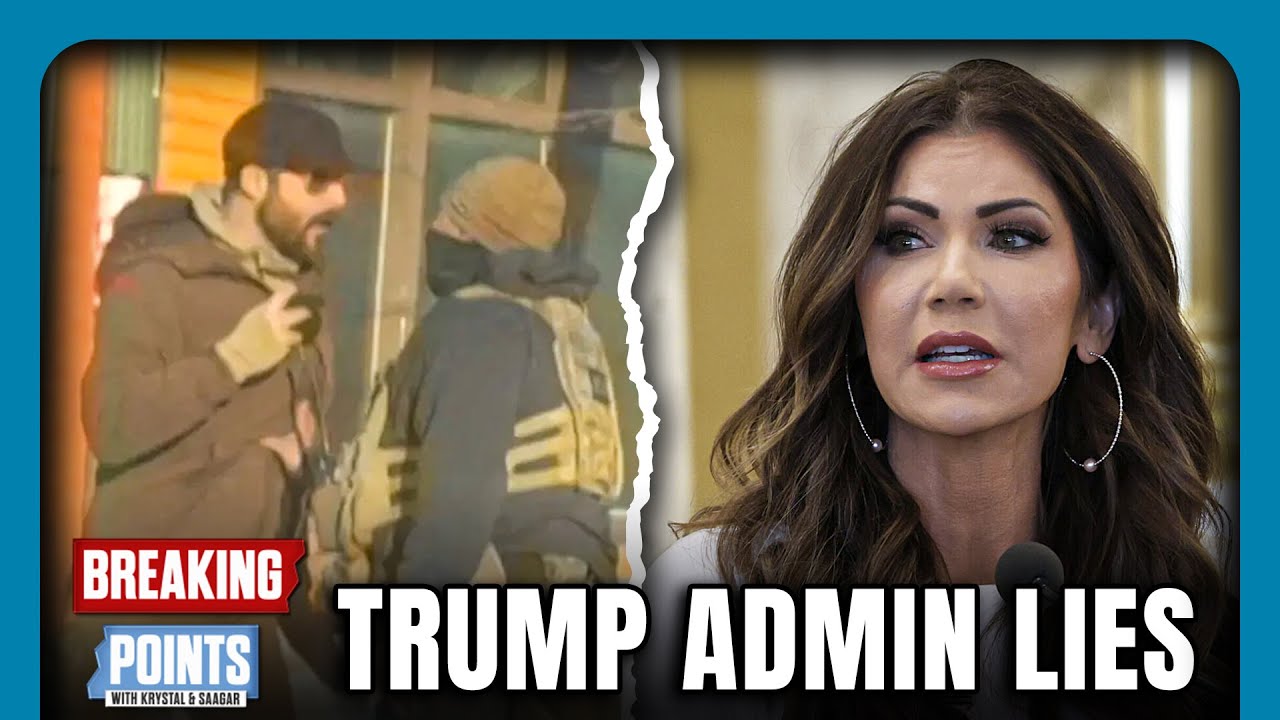
ROUNDUP: ALL Trump Admin LIES About MN Shooting
"This episode exposes the Trump administration's alleged lies and misrepresentations surrounding the fatal shooting of Alex Petti by federal agents in Minnesota, arguing it represents a severe erosion of civil liberties and public trust."
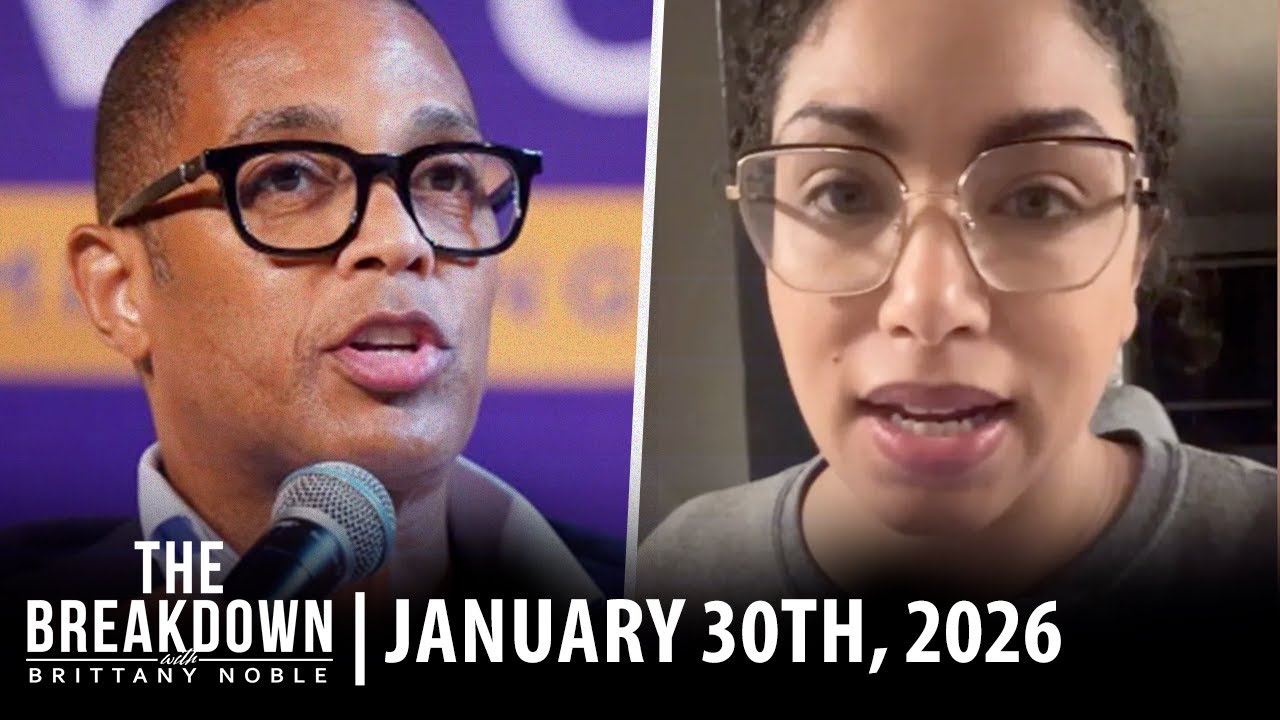
rump’s DOJ arrests journalists Don Lemon, Georgia Fort
"Federal agents arrested prominent journalists Don Lemon and Georgia Fort for covering a church protest, sparking widespread condemnation and raising critical questions about First Amendment rights and the weaponization of the Justice Department."
Don Lemon, Georgia Fort Arrested Over Church Protest. Press Freedom on the Line Under Trump.
"The Trump administration's arrest of journalists Don Lemon and Georgia Fort for covering a church protest is framed as a direct assault on press freedom and a calculated distraction from the release of damaging Epstein files."
NC Mom Sues Hospital For Negligence. Black NFL Coaches Win Major Ruling. Drug Test Scandal Exposed
"This episode exposes systemic failures and racial disparities across healthcare, professional sports, and politics, featuring a mother's harrowing hospital negligence lawsuit, a landmark NFL discrimination ruling, and alarming findings on flawed drug tests criminalizing new mothers."