The End of the Petrodollar? How Iran War Is Reshaping the Global Economy: Author Laleh Khalili
YouTube · 4GSqJ1Ey9Rc
Quick Read
Summary
Takeaways
- ❖The Strait of Hormuz, a critical global oil choke point, is experiencing a significant halt in vessel traffic due to Iranian attacks and prohibitive war risk insurance premiums.
- ❖Iran is strategically leveraging the crisis to propose oil transactions in Chinese yuan, directly challenging the US petrodollar regime and aiming for a multi-polar financial system.
- ❖While US oil companies profit from surging oil prices, the increased cost of fossil fuels makes China's advanced and inexpensive sustainable energy technologies (solar, batteries) more competitive, potentially accelerating a global energy transition.
- ❖The Israeli bombing of the South Pars gas field, shared by Iran and Qatar, has direct negative implications for Qatar's energy infrastructure and long-standing coordination.
Insights
1Strait of Hormuz as a Critical Choke Point
The Strait of Hormuz is the world's most significant oil choke point, with approximately 30% of global oil flowing through it. Current disruptions, including Iranian attacks and prohibitive insurance costs, have halted vessel traffic, leading to major clusters of ships waiting near ports like Fujairah and Ras Laffan.
About 30% of global oil flows through the Strait of Hormuz. Vessel traffic has come to a halt, with major clusters of ships near ports where oil is produced, such as Fujairah and Ras Laffan.
2Iran's Low-Cost Naval Strategy
Iran is effectively disrupting shipping using inexpensive drones and sea mines. These weapons are difficult to counter due to their low cost, extensive production, and small size, making them easily replenishable and hard to target.
Iran is attacking ships using very cheap drones or sea mines. These are produced extensively, are inexpensive, and can be replenished even if destroyed, making them harder to target.
3Impact of War Risk Premiums on Shipping
A major factor in the shipping halt is the imposition of 'war risk premiums' by maritime insurance brokers, primarily in London. These premiums can increase insurance costs for a supertanker from hundreds of thousands to millions of dollars, significantly raising the cost of oil transport.
Insurance brokers, primarily in London, are putting a specific war risk premium on ships. This means insurance costs for a supertanker can jump from hundreds of thousands to millions of dollars, increasing the cost of oil.
4Iran's Petroyuan Challenge to the Petrodollar
Iran is reportedly considering allowing oil tankers through the Strait if cargo is traded in Chinese yuan instead of US dollars. This directly challenges the petrodollar regime, a fundamental pillar of the US imperial financial order since WWII, aiming to foster a multi-polar financial system.
Reports indicate Iranians are suggesting allowing oil tankers through if oil cargo is traded in Chinese yuan rather than US dollars. This challenges the petrodollar regime, a fundamental basis of the US imperial order.
5US Oil Gains vs. China's Long-Term Renewable Advantage
While rising global oil prices benefit US oil companies (Chevron, Exxon) in the short term, this simultaneously makes sustainable energy alternatives relatively cheaper. China, being significantly ahead in developing and cheaply producing technologies like solar panels and battery storage, stands to gain long-term from this accelerated energy transition.
Higher oil prices benefit US oil companies like Chevron and Exxon. However, the higher the price of oil, the relatively cheaper sustainable alternatives become, benefiting China, which is ahead in producing cheap solar panels and battery technologies.
6Shared South Pars Field and Qatari Impact
The South Pars gas field, bombed by Israel, is shared between Iran and Qatar. Its destruction not only affects Iran's energy production but also impacts Qatar's infrastructure and the historical coordination between the two nations in utilizing the field.
The South Pars field is shared between Iran and Qatar. The destruction of infrastructure there will affect Iran's ability to produce electricity and fuel industries, and also impact Qatar's infrastructures, which have been used with extraordinary coordination.
Bottom Line
Iran's strategic proposal to trade oil in Chinese yuan through the Strait of Hormuz directly targets the petrodollar, a core mechanism of US global financial power.
This move, if successful, could accelerate the shift towards a multi-polar global financial system, diminishing the US's ability to use financial channels for coercion and sanctions.
Businesses and nations dependent on global trade and finance should prepare for increased currency volatility and diversification away from dollar-centric transactions, exploring alternative payment rails and hedging strategies.
The rising price of oil due to geopolitical conflict inadvertently makes sustainable energy solutions, particularly those developed by China, significantly more economically competitive.
This dynamic could accelerate the global energy transition, giving China a substantial long-term strategic advantage as a leader in cheap, renewable energy technologies.
Investors should re-evaluate portfolios for increased exposure to renewable energy technologies, especially those with strong ties to Chinese manufacturing and innovation. Policymakers should consider how to rapidly scale domestic renewable infrastructure to mitigate future fossil fuel price shocks and enhance energy independence.
Lessons
- Monitor global maritime insurance markets and war risk premiums as indicators of supply chain stability and potential cost increases for commodity transport.
- Assess the implications of a potential shift away from the petrodollar for international trade, currency hedging strategies, and investment in non-USD denominated assets.
- Evaluate the accelerating competitiveness of sustainable energy technologies, particularly those from China, and consider their long-term impact on energy portfolios and national energy security strategies.
Quotes
"The fact that Iran is actually looking for alternatives to the dollar... in order to challenge the petro dollar regime... is a really interesting and quite clever indication of how the Iranians are hoping to influence the crafting of a world post this war or a new world order post this war where there is a multi-polar financial system."
"The higher the price of oil goes up, the relatively cheaper it becomes to actually have sustainable alternatives, which of course that means that it benefits China in a major way since China is way ahead of the rest of the world in producing these technologies and in producing them cheaply."
"There is no way that Israel would have actually done this without coordination with the United States."
Q&A
Recent Questions
Related Episodes

🚨 THEY F*CKED AROUND FOR THE LAST TIME 😭😭😭
"This episode unleashes a torrent of highly opinionated commentary on the US-Iran deal, Israel's role, and a scathing critique of 'leftist' policies and immigration, particularly highlighting the UK grooming gang report as evidence of Western societal decay."
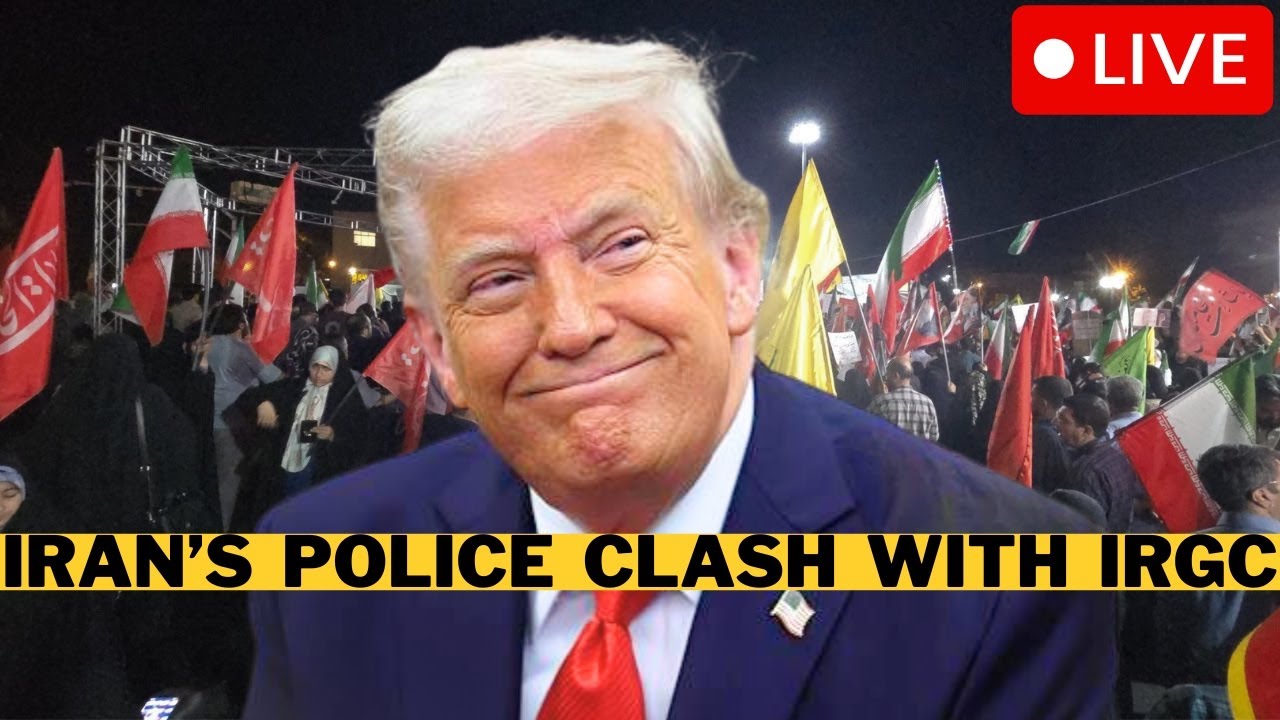
BREAKING: Protests ERUPT In Iran Over IRGC Surrendering To Trump - Infighting Clashes In Tehran
"Iran is experiencing severe internal infighting and protests as hardline IRGC elements clash with government figures over a perceived 'surrender' to the US, while mainstream Western media misrepresents the situation."

Alex Krainer: US STRIKES Iran – Iran RETALIATES Against Kuwait, Bahrain & Jordan!
"Amidst escalating US-Iran conflict and Iranian retaliation against regional US allies, this episode argues that US foreign policy is deeply controlled by an 'Anglo-Zionist conspiracy' led by the Rothschild banking dynasty, prioritizing Israeli interests over American ones."

Larry Johnson: Iran Missiles Rain Down on Northern Israel – Massive Strikes!
"Geopolitical analyst Larry Johnson details how Israel's recent strike on an 'empty building' in Beirut triggered direct Iranian missile retaliation, escalating regional tensions and jeopardizing a US-Iran peace deal brokered by Pakistan."