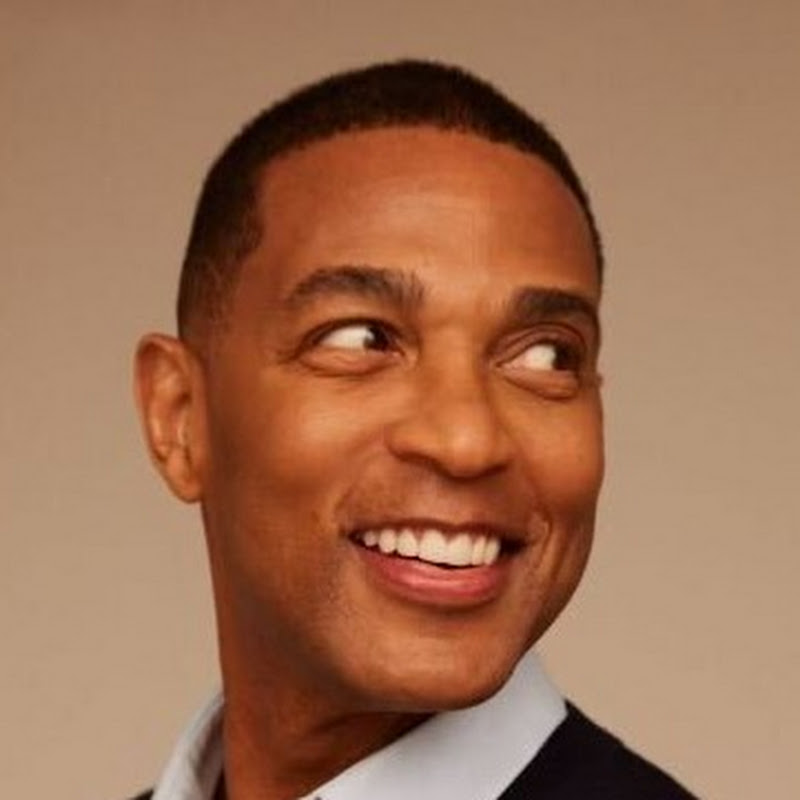
Lemon LIVE at 5 | Judge Refuses DOJ Case Against Don Lemon!
YouTube · 4YAz_mo9FvE
Quick Read
Summary
Takeaways
- ❖A magistrate judge refused to sign the DOJ's arrest warrant against Don Lemon, indicating a lack of probable cause in the initial pleading.
- ❖Don Lemon asserts his CNN departure was due to new management's ideological agenda to shift the network right, not his performance.
- ❖The host and guests characterize the DOJ's actions as an intimidation tactic against journalists, particularly independent ones, to suppress critical reporting.
- ❖Independent media is seen as increasingly vital because corporate media has allegedly capitulated to political and business pressures, compromising journalistic integrity.
- ❖The First Amendment's protections for speech and press are under severe threat, with comparisons drawn to authoritarian regimes.
- ❖The White House's use of AI-generated memes and dismissive responses to criticism about journalistic integrity is highlighted as immature and dangerous.
Insights
1Judge Refuses DOJ's Case Against Don Lemon
A magistrate judge refused to sign the Department of Justice's (DOJ) arrest warrant against Don Lemon, citing insufficient evidence or procedural flaws. Legal experts Charles Coleman and Monique Pressley explain this indicates the initial pleading lacked the necessary probable cause for an arrest, presenting a significant uphill battle for any renewed prosecution attempt.
Charles Coleman details that a magistrate judge refused to sign the pleading, indicating it lacked 'primacia case' for probable cause (). Monique Pressley states the judge found the accusations 'completely and totally lacking' ().
2CNN Departure Driven by Ideological Purge, Not Performance
Don Lemon reveals his departure from CNN was not due to performance issues but because new management sought to move the network to the right. He claims his ideology and questioning of conservatives did not align with their agenda, leading to a manufactured narrative against him.
Lemon states, 'All of that that you heard and wrote about me, that wasn't true. Most of it, if not all of it, was not true. But it was coming from inside of the house, meaning CNN and CNN's PR people, because the parent company did not want me there because my ideology and the way that I questioned conservatives and the Trump people did not line up with what they wanted.' ()
3DOJ Weaponizing Power Against Independent Journalists
The host and guests argue that the DOJ's attempt to prosecute Lemon for reporting on a protest is a deliberate intimidation tactic aimed at chilling journalistic freedom. They highlight that this administration targets independent journalists because corporate media has already been 'neutered' by political and business pressures, making independent voices harder to control.
Colby Hall states, 'This is to be clear, this is not law enforcement. It is intimidation. Full stop. When the government threatens journalists or critics for doing their jobs, they're not protecting order. It's a warning to to stay quiet.' (). Charles Coleman notes, 'This administration understands the value of independent media... and people who don't necessarily have direct bosses and can't be told what they can and cannot say.' (). Joy Reid adds, 'The mainstream is is knuckling under. And so what you're what you're getting is what happens quite frankly in Israel where the when I was working at MSNBC, you know, the major networks could not go into Gaza without the permission of the Israeli government.' ()
4First Amendment Under Threat: Comparisons to Authoritarian Regimes
The panel collectively expresses alarm over the administration's actions, viewing them as a direct assault on the First Amendment's protections for free speech and press. They draw parallels to authoritarian regimes that suppress media to control narratives and consolidate power.
Joy Reid reads the First Amendment () and concludes, 'We are in Putin noni territory. This is the way Russia operates. It's the way North Korea and China operate. It is not supposed to be the way the United States of America operates.' (). Colby Hall states, 'Weaponizing access and regulation is censorship in disguise... that is authoritarianism. And that's when we've lost democracy.' ()
Bottom Line
The current administration specifically targets independent journalists because corporate media outlets have largely been 'neutered' through settlements, business decisions, and regulatory pressures, making them less effective at holding power accountable.
This shift means the primary battleground for press freedom has moved from large media corporations to individual, independent creators. The government recognizes that these independent voices are harder to control due to their lack of direct corporate oversight and external business interests.
This creates a significant opportunity for independent media to fill the void left by compromised corporate journalism, offering unfiltered truth and fostering direct community engagement, but also places them at higher risk of direct government intimidation.
The White House is utilizing AI-generated or Photoshopped memes and dismissive social media responses to mock and delegitimize critics and those arrested, rather than engaging with factual reporting or legal processes.
This indicates a dangerous shift in official government communication, employing propaganda tactics and undermining the seriousness of legal actions. It normalizes misinformation and demonstrates a lack of respect for due process and public discourse.
Journalists and media literacy advocates have an opportunity to educate the public on identifying AI-generated content and critically evaluating official communications, exposing these tactics as a threat to informed citizenship.
Opportunities
Independent Journalist Support Platform
Create a platform or organization dedicated to providing legal, financial, and logistical support for independent journalists facing government intimidation or legal challenges. This could include a legal defense fund, pro-bono legal counsel network, and resources for secure reporting and content distribution.
Media Literacy & Critical Thinking Educational Content
Develop and distribute educational content (e.g., online courses, workshops, short-form videos) focused on media literacy, identifying misinformation, understanding journalistic ethics, and recognizing propaganda tactics, especially from official sources. This could be targeted at general audiences, students, and even other journalists.
Key Concepts
Canary in a Coal Mine
Don Lemon uses this analogy to describe his experience at CNN, suggesting his departure due to ideological clashes with new management was an early warning sign of broader issues affecting corporate journalism's independence and integrity.
Fourth Branch of Government
The press is referred to as the 'fourth branch of government' to emphasize its crucial role in providing checks and balances, holding power accountable, and informing the public, akin to the executive, legislative, and judicial branches.
Lessons
- Support independent journalists and media platforms through subscriptions, donations, and engagement, as they are increasingly vital for unfiltered reporting.
- Actively push back against perceived capitulation by corporate media to political pressures by demanding higher journalistic standards and accountability.
- Understand and advocate for the broad protections of the First Amendment, recognizing that its defense for all, regardless of political alignment, is crucial for democracy.
Notable Moments
Don Lemon recounts his CNN departure, attributing it to new management's ideological shift rather than performance, framing himself as a 'canary in a coal mine' for corporate media.
This personal account provides a specific example of how political pressures can influence editorial decisions and lead to the silencing of dissenting voices within major news organizations, highlighting a broader trend in journalism.
Legal experts explain the significance of a magistrate judge refusing to sign the DOJ's arrest warrant against Don Lemon, detailing the legal hurdles the prosecution now faces.
This offers a concrete example of the judiciary acting as a check on executive power, particularly in cases involving press freedom, and provides insight into the legal process behind such high-profile cases.
The panel discusses the White House's use of AI-generated or Photoshopped memes and dismissive social media responses in relation to the arrest of a protest organizer.
This illustrates a concerning shift in official government communication tactics, employing propaganda and undermining the seriousness of legal actions, which can erode public trust and normalize misinformation.
Quotes
"All of that that you heard and wrote about me, that wasn't true. Most of it, if not all of it, was not true. But it was coming from inside of the house, meaning CNN and CNN's PR people, because the parent company did not want me there because my ideology and the way that I questioned conservatives and the Trump people did not line up with what they wanted."
"This is to be clear, this is not law enforcement. It is intimidation. Full stop. When the government threatens journalists or critics for doing their jobs, they're not protecting order. It's a warning to to stay quiet."
"We are in Putin noni territory. This is the way Russia operates. It's the way North Korea and China operate. It is not supposed to be the way the United States of America operates."
"This administration understands the value of independent media and citizen journalism and people who don't necessarily have direct bosses and can't be told what they can and cannot say or what the slant is or is not."
"I want everyone in jail. I want all of them arrested."
Q&A
Recent Questions
Related Episodes
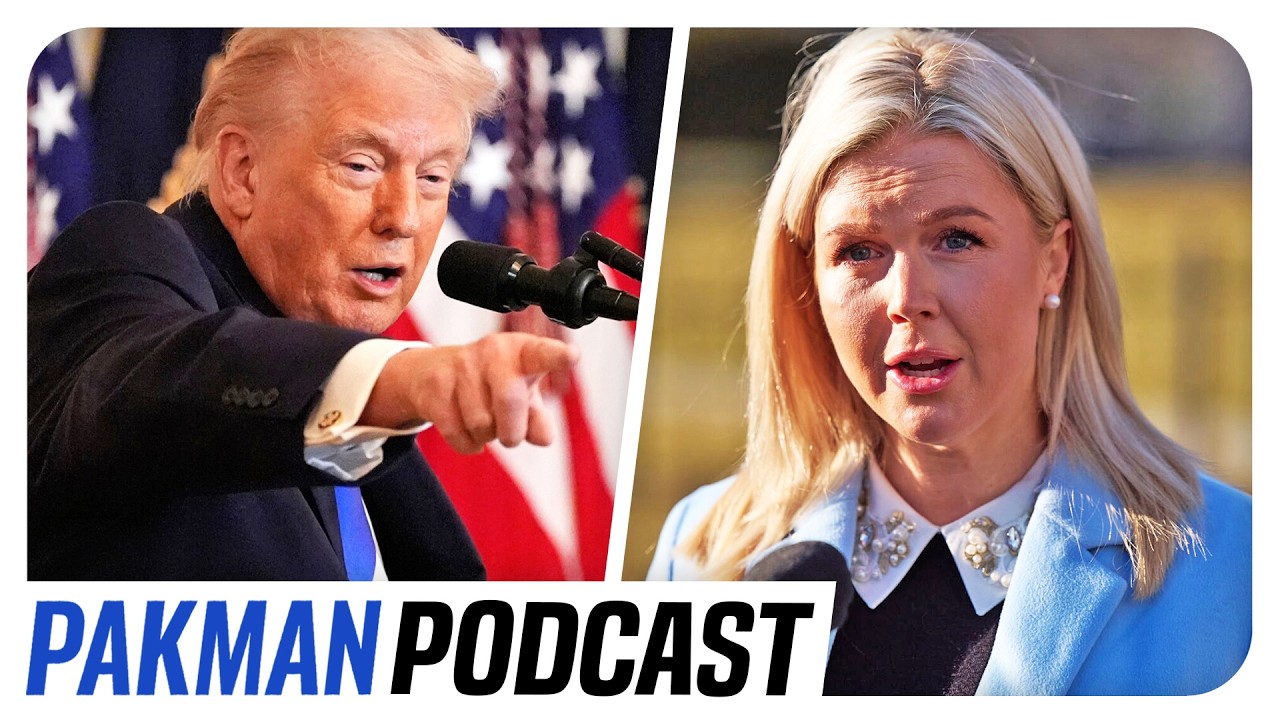
Reality distortion has become the norm
"David Pakman dissects the pervasive political reality distortion, highlighting Donald Trump's consistent pattern of fabricating facts, exhibiting cognitive decline, and undermining democratic institutions."

HOT TOPICS | Donald Trump In The Epstein Files - They Arrested The Wrong Don!
"Don Lemon and Congressman Jason Crow discuss the weaponization of the justice system against journalists and critics of Donald Trump, alongside the controversial handling of the Epstein files and the rise of independent media."
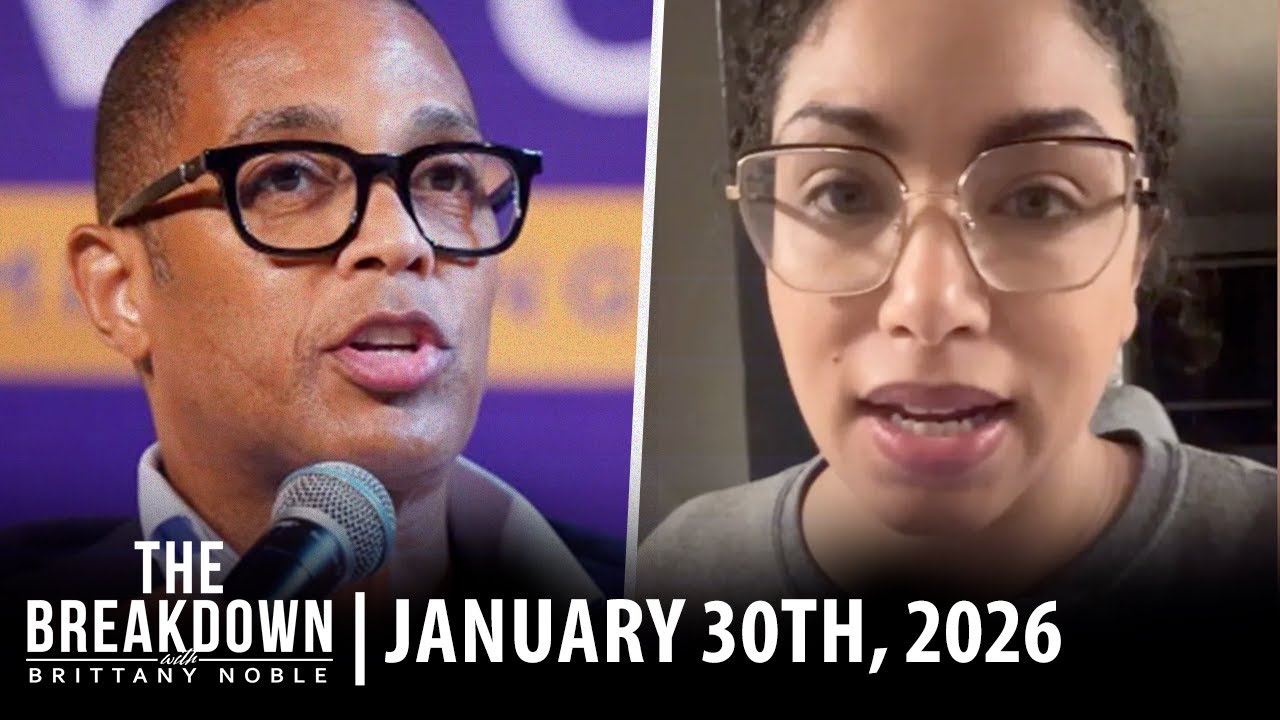
rump’s DOJ arrests journalists Don Lemon, Georgia Fort
"Federal agents arrested prominent journalists Don Lemon and Georgia Fort for covering a church protest, sparking widespread condemnation and raising critical questions about First Amendment rights and the weaponization of the Justice Department."
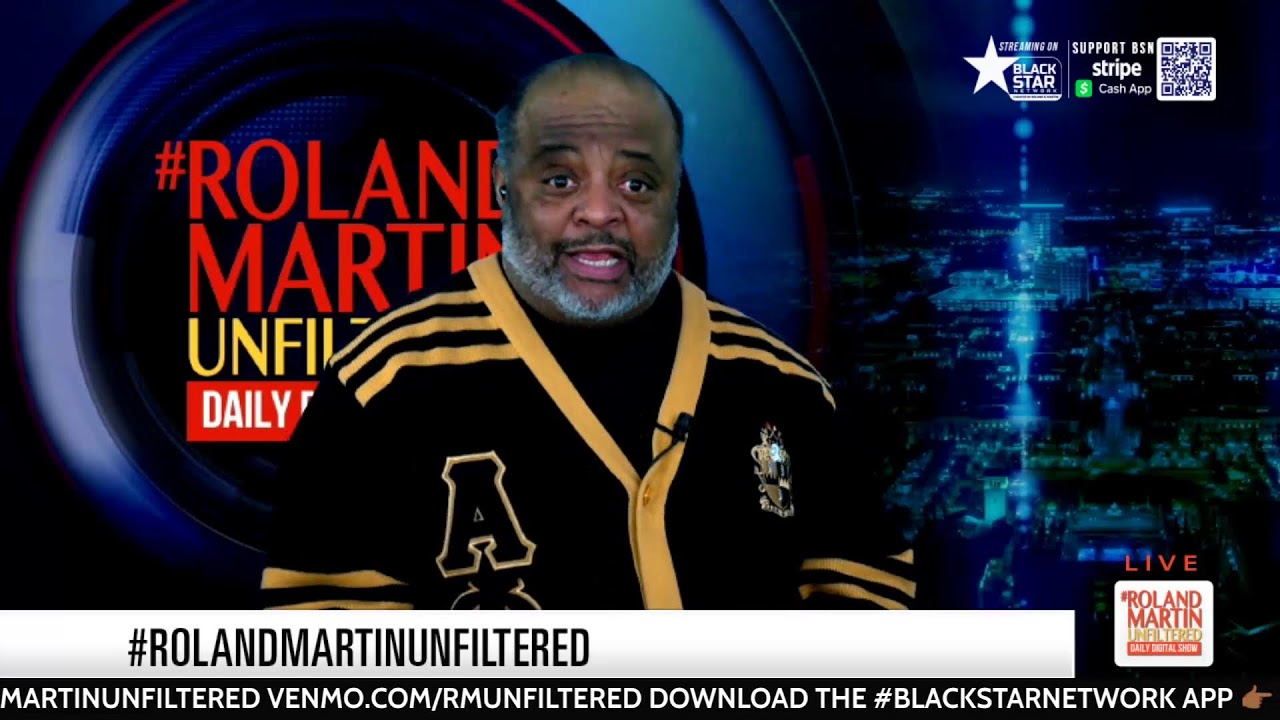
Don Lemon, Georgia Fort Arrested Over Church Protest. Press Freedom on the Line Under Trump.
"The Trump administration's arrest of journalists Don Lemon and Georgia Fort for covering a church protest is framed as a direct assault on press freedom and a calculated distraction from the release of damaging Epstein files."