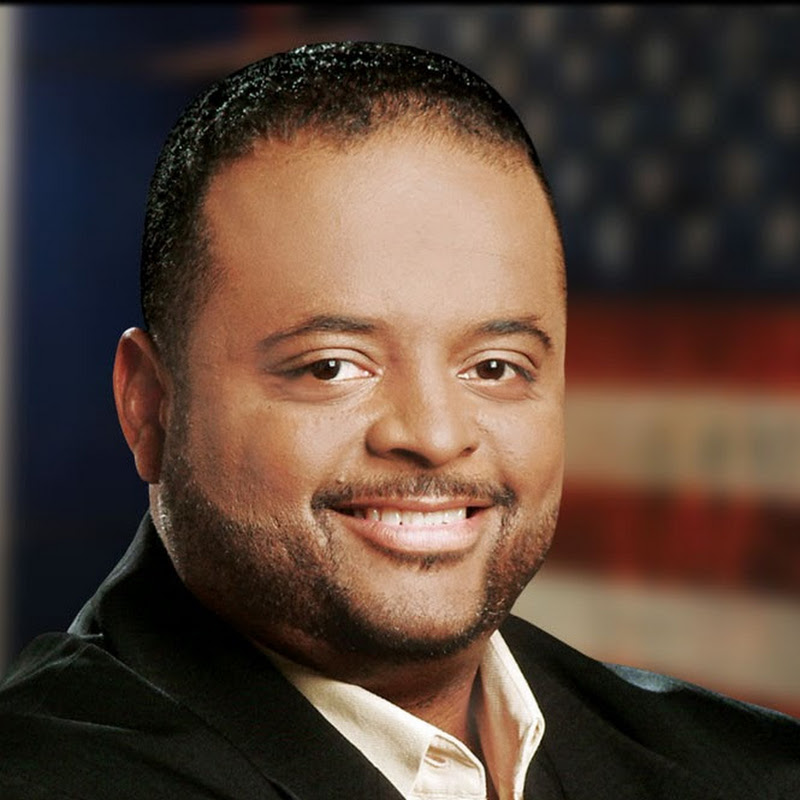
Black Men’s Mental Health Crisis Is Turning Deadly. Roland Martin Says This Must Be Faced
YouTube · 5SDo20zvDDU
Quick Read
Summary
Takeaways
- ❖Domestic violence, including murder, is inextricably linked to mental health issues, despite public resistance to this framing.
- ❖Societal pressures like racism, job scarcity, and a lack of recognition contribute to immense stress that can lead Black men to turn against their partners.
- ❖A culture of silence among Black men regarding emotional struggles and a lack of intervention from peers exacerbate the problem.
- ❖Empathy for both victims and perpetrators is essential for understanding and ultimately preventing violence, without excusing accountability.
- ❖Black male organizations (fraternities, church groups) must create safe spaces for difficult, intimate conversations about anger, trauma, and emotional control.
Insights
1Domestic Violence is a Mental Health Issue
Host Roland Martin and the expert psychologists firmly assert that domestic violence, including murder, stems from mental health issues. They challenge the public's reluctance to connect the two, arguing that extreme, violent behavior is a manifestation of mental distress, trauma, or dysfunctional thought processes. Understanding the 'why' behind the violence is crucial for prevention.
Roland Martin states, 'We have to deal with what's happening in a person's head that leads them to commit domestic violence.' () Dr. Swift adds, 'Domestic violence is mental... there's a mental health component to that. Why are people violent being violent toward one another? There's something going on when people are acting in ways that are out of the ordinary, when behavior is extreme, we're looking at mental health conditions.' ()
2Societal Stressors Drive Internal Breakdown
Dr. Swift explains that systemic issues like racism, economic hardship, and a lack of societal recognition place immense pressure on Black individuals, leading to a 'breaking point.' This external stress, coupled with historical trauma, causes people to turn against each other, eroding once-protective community bonds.
Dr. Swift notes, 'We are breaking under pressure... the racism is at an all-time high... jobs are hard to come by for many of us. There's a lot of stress in the home. There's stress in society... what was once protective for black people, right? Us with one another, we are now turning against one another under this pressure.' ()
3Disrespect as a Trigger for Violence in Black Men
Drawing on research, Dr. Swift highlights that perceived disrespect is a significant trigger for violent acts among Black men. This suggests a deep-seated vulnerability and a constant state of being 'on the edge' due to systemic experiences of marginalization and dehumanization.
Dr. Swift references a study by Dr. Joy DeGruy on post-traumatic slave syndrome, stating that 'out of all the things that she looked at... the thing that stood out the most... was disrespect.' ()
4The Necessity of Male-Led Conversations and Mentorship
The panelists stress that men must be central to conversations about domestic violence, not just women. Roland Martin recounts his struggle to get an all-male panel on CNN to discuss Chris Brown and Rihanna. Dr. Protherwally emphasizes the need for reformed men to mentor younger generations and model healthy emotional expression and love.
Roland Martin states, 'We cannot confront domestic violence and not have men a part of the equation... If we only have women talking about it and you leave men out of it, how do you leave people out of a conversation when 96% of the problem are men?' () Dr. Protherwally adds, 'Those reformed men need to come out and talk to men as to modeling, talk to men as to mentorship, talk to men as to humanness again.' ()
Bottom Line
The immediate aftermath of a tragedy, while a time for grief, is also the most opportune moment to initiate difficult conversations about prevention, as it captures public attention and personal urgency.
Delaying discussions on mental health and violence out of respect for grief risks missing a critical window for impact and allows the cycle of violence to continue unchecked.
Leverage moments of public tragedy to launch widespread, community-level dialogues and interventions, ensuring that the pain translates into proactive change rather than just reactive mourning.
The 'cone of silence' among Black men, where sharing emotions is perceived as weakness, is a direct pathway to violent outbursts and domestic abuse.
This cultural barrier prevents men from seeking help or confiding in peers, allowing anger and trauma to fester until they erupt destructively.
Black male organizations (fraternities, churches, social groups) must actively dismantle this silence by creating and normalizing safe spaces for vulnerable, intimate conversations about emotional struggles, fostering a culture where seeking help is seen as strength.
Key Concepts
Hurt People Hurt People
This model explains that individuals who have experienced trauma or pain are more likely to inflict harm on others, perpetuating cycles of violence. Understanding this dynamic is crucial for addressing the root causes of domestic violence.
Restorative Practice
This approach emphasizes repairing harm by bringing together those who harmed and those who were harmed. It focuses on understanding the circumstances, promoting accountability, and fostering reconciliation, rather than solely punitive measures.
The Power & Control Wheel
Developed in Duluth, Minnesota, this model illustrates the various tactics used by abusers to maintain power and control over their partners, including intimidation, isolation, emotional abuse, economic abuse, and physical violence. It helps people recognize domestic violence beyond just physical assault.
Lessons
- Actively check on friends and family members, especially men, who may be struggling with anger, grief, or relationship issues, even if they appear fine.
- Intervene when witnessing early signs of abusive behavior (e.g., yelling, disrespect) among peers, rather than remaining silent, by pulling the individual aside for a private, empathetic conversation.
- Educate oneself and others on the signs of domestic violence, including non-physical forms, using resources like the 'Power & Control Wheel' to identify and address abusive patterns early.
- For parents, especially fathers, model healthy emotional expression, conflict resolution, and respectful treatment of women to raise boys who do not perpetuate cycles of violence.
- Black male organizations and community leaders should proactively create and promote safe, non-judgmental spaces for men to discuss mental health, trauma, and emotional regulation.
Notable Moments
Roland Martin recounts multiple recent murder-suicide and domestic violence cases involving Black men, including former Lt. Governor Justin Fairfax, a Cook County Commissioner's son, and a Florida vice mayor's husband, highlighting the escalating crisis.
These specific examples ground the abstract discussion in real, tragic events, underscoring the urgency and severity of the problem within the Black community.
Roland Martin shares a personal anecdote about his sister fleeing an abusive relationship, emphasizing his lived experience with domestic violence and his motivation to address the issue.
This personal story adds credibility and emotional weight to his argument, demonstrating that his advocacy is rooted in direct experience and a desire to prevent similar suffering.
Dr. Protherwally highlights the need for empathy for both victims and perpetrators, noting that many Black women feel their experiences are minimized.
This acknowledges the complex emotional landscape surrounding domestic violence and the need for a balanced approach that validates victims' pain while still seeking to understand and address the perpetrators' underlying issues.
Quotes
"I don't want there to be more murders. I don't want there to be more folks beaten. And so, if we're going to confront murder suicides and sisters feeling unprotected, then we're going to have to understand what the hell is going on with these men, which requires us to analyze what is going through their minds."
"The unpopular part of this conversation is recognizing that these people are that are committing these heinous crimes that are harming women in the way they are often themselves are hurt people and we don't want to look at that because we don't want to have the empathy."
"The person that commits domestic violence or femicide or murder that's mental. Something something is going something is something was going on up here because that's not a normal thing. It is not normal for a man to beat his wife girlfriend. It's not normal for a man to pick a gun up and murder his wife."
"Out of all the things that she looked at, the thing that stood out the most and she was looking at black men was disrespect."
"We will never be able to confront the violence that is happening if we don't confront the people who are committing the violence."
"If we can get men to open up to a friend, then we're not they're now on the pathway to go talk to a therapist."
"There are brothers in our midst who are laying hands on the women in their lives. There are brothers who we are going to cigar bars with, playing basketball with, watching games with, who are triggered, who are anger, who are committing acts of domestic violence, or they are on the pathway to commit acts of domestic violence, including the ultimate act, which is murder or murder suicide."
Q&A
Recent Questions
Related Episodes

Amanda Knox and John Ramsey - Megyn Kelly's "Double Feature" of Fascinating Interviews
"This episode features two individuals, Amanda Knox and John Ramsey, whose lives were irrevocably altered by tragic crimes and subsequent wrongful accusations, revealing systemic failures in justice and media manipulation."

Sadhguru - Stop Letting Your Mind DESTROY You | SRS #315
"Sadhguru challenges conventional wisdom on 'being in the moment' and stress, arguing that mastering the mind requires understanding its sophisticated design and consciously directing one's internal chemistry for profound well-being."

Every Time You Think This Story Can't Get Weirder—IT DOES | The Trio
"A bizarre tale unfolds in MAGA D.C. as a Students for Trump founder and his associate are arrested, revealing a two-week-long Secret Service impersonation scheme involving fake badges, club entry, and claims of ordering airstrikes."

Steven Spielberg Believes in Aliens
"Steven Spielberg and screenwriter David Koepp discuss how their new film, 'Disclosure Day,' explores the public's 'right to know' about aliens, the critical role of empathy in storytelling, and the balance between scientific accuracy and entertainment in sci-fi."