Me drogué desde lo 9 años: maté a mi tía y la cárcel salvó mi vida | Diego #Penitencia 192 #México
YouTube · 68kWhVhrsQI
Quick Read
Summary
Takeaways
- ❖Diego started using drugs at 9, driven by feelings of loneliness and abandonment, which he describes as an attempt to 'anesthetize' emotional pain.
- ❖His addiction led him to commit homicide against his aunt, an act he attributes to a fusion of desperation, resentment, and a desire to end his own life.
- ❖Prison, initially a place where he continued his drug use, eventually became a 'great school of life' and the environment where he achieved 10 years of sobriety through a dedicated rehabilitation program and spiritual awakening.
Insights
1Childhood Loneliness as the Root of Early Addiction
Diego began inhaling resistol (glue) at age nine, not out of curiosity, but as a direct response to profound loneliness. His mother worked constantly, his father was absent, and older siblings were rarely home. The drug provided an escape from this emotional void, making him feel 'agreeable' and forgetting his solitude.
Diego recounts, 'Yo me sentía solo, o sea, realmente mi madre trabajaba, mi padre no lo conozco... mucho tiempo me la pasaba solo... la adicción en ese momento pasó a cubrir este o a anestesiar esa parte emocional.'
2The Progression from Emotional Escape to Physical Dependence
What started as an emotional crutch quickly evolved into a physical necessity. By age 11-12, after two to three years of continuous use, Diego's body began to demand the drugs, leading to anxiety, sweating, tachycardia, and desperation when he tried to stop. This marked the loss of his willpower.
He states, 'No te das cuenta en qué momento ya se empieza a volver una necesidad... El cuerpo te lo pide, ¿no? O sea, la mente te dice, 'Mi dosis'... y ya perdiste la voluntad.' He experienced 'crisis de ansiedad... sudoración, las manos, este, las taquicardias, la desesperación.'
3Incarceration as a Catalyst for Rehabilitation and Self-Discovery
Despite initially continuing drug use in prison, Diego describes his 11-year sentence as a 'great school of life.' The structured environment and access to a rehabilitation clinic, combined with a spiritual awakening, allowed him to achieve 10 years of sobriety. This period also enabled him to discover passions like music and barbering, which he believes he missed out on in childhood.
Diego says, 'El haber llegado a este lugar fue como un un hasta aquí, párale y tu vida va a cambiar... tu vida va a cobrar sentido, tu vida va a tener un significado, un propósito.' He highlights the prison clinic's role in his rehabilitation.
4The Complex Roots of Homicide: Resentment, Desperation, and Suicidal Ideation
Diego's murder of his aunt was a culmination of deep-seated resentment towards female figures (stemming from his mother's perceived abandonment and misdirected anger), combined with extreme drug-induced desperation and a long-standing desire to die by suicide. He intended to rob her to fund a final drug binge before taking his own life.
He explains, 'Las drogas tuvieron que ver, sí, y un tanto también resentimiento hacia la vida... hacia el género femenino desde mi madre... y al final fue mi desesperación en la vida por quererme seguir drogando. Yo ya me quería morir.'
5Reconciliation and Forgiveness within the Family
Despite the horrific crime, Diego's immediate family (mother, siblings, and some aunts) showed him 'arropo' (support) and understanding, rather than judgment. His mother, who initially disowned him, was the first to visit him in the hospital, asking for forgiveness for not understanding his struggles. This event led to a deeper, more honest family dynamic.
His mother told him she 'nunca me quería volver a ver nunca más en su vida' but then was 'la primera persona que fue a visitarme al hospital... pidiéndome que la perdonara porque no había sabido ser una madre.'
Bottom Line
Diego's mother, unconsciously, may have projected her resentment towards his absent father onto him, leading to harsh treatment. This dynamic, combined with her own expressed suicidal ideation, inadvertently transmitted a 'desire to die' to young Diego.
This suggests that intergenerational trauma and unresolved emotional issues within families can manifest as destructive patterns in children, even if parents act out of perceived love or discipline. Children can internalize parental struggles in unexpected ways.
Therapeutic interventions for families, especially those with a history of addiction or trauma, should explore these unconscious projections and intergenerational patterns to break cycles of harm. Parental mental health directly impacts child development in profound ways.
Despite achieving sobriety and personal growth in prison, Diego harbors significant fears about re-entering society, particularly regarding financial stability and starting a business. This fear of the unknown, even after overcoming severe addiction and crime, is a major barrier to reintegration.
The transition from incarceration to freedom is not inherently positive for everyone, especially those who have spent a significant portion of their adult lives inside. The 'comfort' of a predictable, albeit restricted, environment can make the uncertainties of freedom daunting.
Reintegration programs need to focus heavily on practical skills for entrepreneurship and financial literacy, coupled with robust psychological support to address the anxieties of starting over. Creating 'micro-economies' within prisons that mirror external business challenges could better prepare inmates for the realities of the outside world.
Key Concepts
The Paradox of Incarceration as Rehabilitation
Diego's experience illustrates how, for some, the structured and isolated environment of prison, combined with access to rehabilitation programs, can provide the necessary 'rock bottom' and removal from external triggers to initiate profound personal change and sobriety, even when freedom was previously overwhelming.
Trauma-Informed Addiction Model
Diego's narrative strongly supports the idea that addiction often stems from unaddressed childhood trauma, loneliness, and emotional neglect. The substance use serves as a coping mechanism to 'anesthetize' deeper psychological pain, rather than being merely a recreational choice.
Lessons
- Parents and guardians should actively seek to channel children's energy and talents into constructive activities like sports or music, rather than medicating or repressing 'hyperactivity,' to prevent the search for alternative, destructive outlets.
- Families dealing with addiction should look beyond substance use to address underlying emotional 'absences,' loneliness, or trauma, as these are often the true drivers of addictive behavior.
- Individuals in recovery should explore spiritual practices or creative outlets (like music, writing) as powerful tools for self-expression and channeling emotions, which can be crucial for long-term sobriety and healing.
Notable Moments
Diego's grandmother discovers him inhaling glue, marking the first confrontation with his addiction, which he initially hid.
This moment highlights the early detection of his addiction and the family's initial, albeit misinformed, attempts to intervene, setting the stage for years of struggle.
Diego makes a desperate prayer to God, expressing his exhaustion with his life and addiction, just before writing the request to enter the prison's rehabilitation clinic.
This signifies a critical turning point where he surrendered to a higher power and actively sought help, marking the beginning of his path to sobriety.
His mother visits him in the hospital after his arrest, apologizing for not being a better mother and not understanding his struggles, despite having previously disowned him.
This act of vulnerability and forgiveness from his mother initiated a profound healing process for Diego, addressing deep-seated resentments and fostering a new, more honest family dynamic.
Quotes
"Las adicciones no empiezan con una sobredosis, empiezan mucho antes, con una ausencia, con una soledad que no se nombra, con la que la necesidad de dejar de sentir, aunque sea por un rato, se vuelve constante."
"El haber llegado a este lugar fue como un un hasta aquí, párale y tu vida va a cambiar, ¿no? Tu vida va a cobrar sentido, tu vida va a tener un significado, un propósito."
"Cuando las consecuencias te alcanzan y ya son desagradables, este, ya eres infeliz, ya eres desgraciado, ya llega a ese punto de colapso, decir, ya, ya, ya no quiero, no, ya no quiero ir más para abajo, ¿no?"
"Yo siento que tu madre, así como amó a tu papá, así como lo idealizó tanto, también se resintió en gran manera con él. Y como tú te pareces a él, tú eres pagador, automáticamente eres pagador."
"No te aplaudo, no te voy a aplaudir, no te voy a tampoco te juzgo, ¿no? Solo tú sabes qué viviste, por qué lo hiciste, por qué llegaste hasta allá."
Q&A
Recent Questions
Related Episodes

Mamá me golpeaba, busqué a papá y él me trajo a la cárcel | Yahana #Penitencia 196 #México
"Yahana recounts her harrowing journey from a childhood marred by domestic violence and parental abandonment to drug addiction and eventual incarceration, directly caused by her father's actions."

A los 14, me drogaba con mi padre y vendía drogas con él | Octavio #Penitencia 189 #México
"Octavio, known as 'El Rayas,' shares a harrowing account of a childhood steeped in extreme violence, parental neglect, and a family history of abuse, addiction, and crime, revealing how these cycles shaped his path to incarceration."
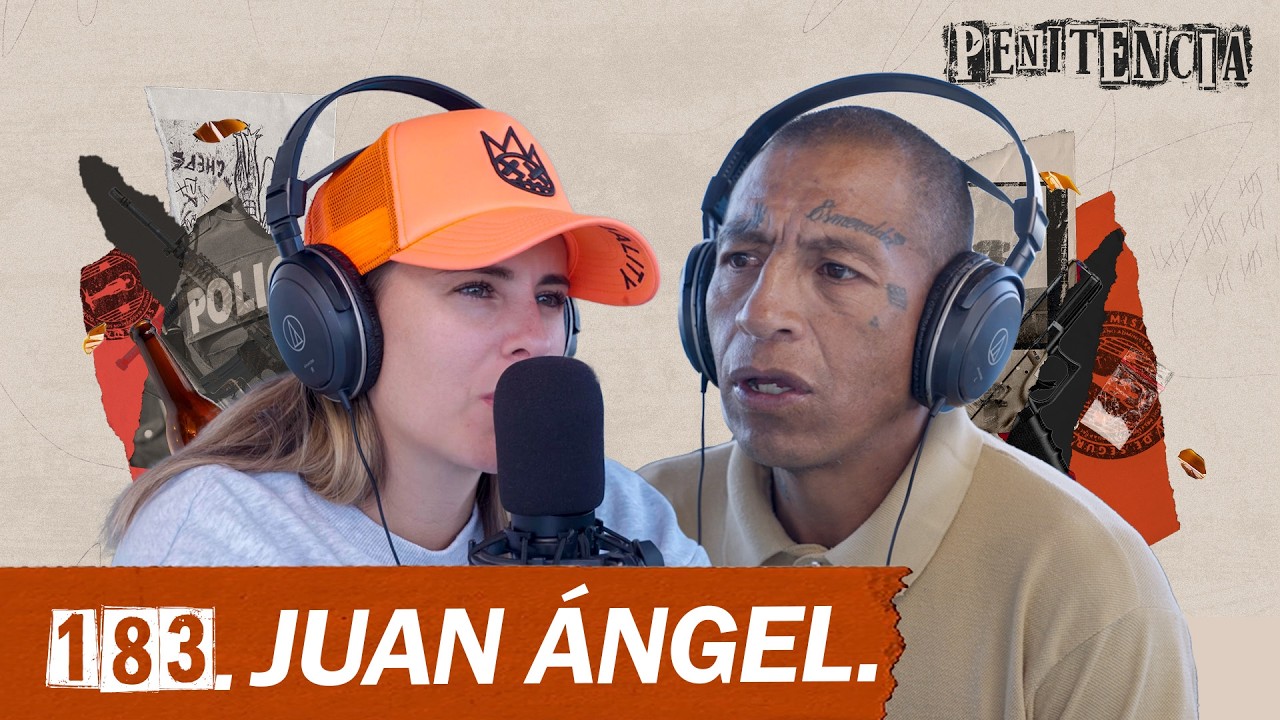
Maté por respeto: la cárcel se volvió mi hogar | Juan Ángel #Penitencia 183 #entrevista #México
"Juan Ángel's life story reveals a brutal cycle of violence, abandonment, and incarceration, where childhood trauma forged a path of crime and a desperate pursuit of respect through fear."

Somos hermanos y nos reencontramos en prisión | Christopher y Arturo #Penitencia 182
"Two brothers, Christopher and Arturo, recount their parallel lives of crime, absent fathers, and drug addiction, ultimately reuniting in prison after years apart, highlighting the cyclical nature of their circumstances."