Proof That Medications Are Making Mental Health Crisis Worse | Dr. Josef Witt-Doerring
YouTube · 73dYcbZ8jPM
Quick Read
Summary
Takeaways
- ❖Current psychiatric practice often leads to quick drug prescriptions without investigating underlying life issues, driven by commercial interests.
- ❖No psychiatric drugs are studied for longer than a year, leaving long-term effects largely unknown.
- ❖Mental health outcomes are worsening (highest depression, suicide rates in 20 years) despite record psychiatric medication use.
- ❖Many mental health problems stem from poor diet, lack of exercise, social isolation, and lack of purpose, which are often ignored.
- ❖High-potency cannabis (20-35% THC) and synthetic cannabinoids are neurotoxic and significantly increase the risk of psychosis and mania.
- ❖Social media overuse, especially among teens, is linked to increased anxiety, depression, and developmental disruption.
- ❖Normal life difficulties are increasingly being medicalized and treated with drugs, rather than being addressed through support and guidance.
- ❖Benzodiazepines (Xanax, Klonopin) and sedatives are particularly problematic for long-term use, often worsening anxiety and disrupting sleep.
- ❖Nutraceuticals like ashwagandha are potent drugs, not 'adaptogens,' and can lead to dependence and withdrawal, though generally safer than pharmaceuticals.
Insights
1The Paradox of Rising Medication and Worsening Mental Health
Despite a significant increase in the prescription and use of psychiatric medications, the general state of mental health in America is deteriorating. Depression levels are the highest ever, and the suicide rate is at a 20-year peak, steadily rising. This counterintuitive trend suggests that current treatment approaches, heavily reliant on drugs, are not effectively addressing the core issues.
Levels of depression are the highest they've ever been. The suicide rate is the highest it's been in 20 years and steadily rising. We're using more psychiatric medications than ever.
2Psychiatry's Commercial Bias and Lack of Long-Term Research
Psychiatrists often differentiate themselves by prescribing drugs, leading to a commercial incentive to provide quick pharmaceutical solutions rather than comprehensive, time-intensive care. This system overlooks the critical gap in research: most psychiatric drugs are not studied beyond a year, leaving their long-term effects largely unknown and potentially harmful.
Psychiatrists differentiate themselves by using drugs. They are hesitant to talk about huge gaps in research, like none of these drugs being studied longer than a year. We have no clue what they do long-term.
3Overlooked Root Causes: Lifestyle, Social Factors, and Medicalization
Many mental health issues stem from fundamental problems like poor diet (ultra-processed foods, added sugars), lack of exercise, social isolation, and a lack of purpose. These common-sense factors are often ignored in favor of diagnosing 'chemical imbalances' and prescribing drugs. Furthermore, normal human difficulties, especially in adolescence, are increasingly being medicalized as illnesses, rather than being seen as temporary challenges to navigate.
We don't really investigate the reasons why people are unhappy. Many are feeling bad because they're not looking after their health: eating bad food, not moving their bodies, smoking cannabis, drowning in stimulants. People interpret difficulties as being mental illnesses now. Teachers and parents are told to 'go and see a professional' instead of comforting and guiding young people through normal stuff.
4The Neurotoxic Threat of Modern Cannabis and Synthetic Cannabinoids
Contemporary cannabis, with THC concentrations significantly higher (20-35%) than in past decades (5%), is directly neurotoxic and a major contributor to mental health decline. Daily use of high-potency cannabis dramatically increases the risk of psychotic breaks and schizophrenia. Synthetic cannabinoids and Delta-8 are even more potent and dangerous, being full agonists at brain receptors, leading to severe anxiety, psychosis, and mania.
Cannabis in the last 10 years is insanely different from the early '90s. We've gone from 5% THC to 20-35%, and vape pens up to 90%. Daily use of 15% THC increased schizophrenia risk fivefold. Synthetic cannabinoids are full agonists, much more potent, and more likely to tip someone into severe anxiety, psychosis, mania. The drug at the top of the list for drug-induced psychosis leading to enduring symptoms was cannabis, not meth or LSD.
5Social Media's Detrimental Impact on Youth Mental Health
Social media platforms, particularly short-form content like TikTok and Instagram Reels, are consuming significant portions of teenagers' time (3.5 hours daily). This displaces activities crucial for healthy development like socializing, exercising, and sleeping. The constant exposure to curated, often superficial, content fosters comparison and insecurity, contributing to a 'poisonous' environment detrimental to mental well-being.
Jonathan Haidt's statistics are horrifying. Teens spend 3.5 hours on social media, displacing time with friends, exercising, sleeping. It sends poison, focusing on 'How much money do you have? What job do you have? How beautiful are you?'
Bottom Line
The 'Maha food pyramid' (emphasizing removal of ultra-processed food and added sugars) has been shown in randomized controlled trials to be four times more effective than antidepressants for severe depression with poor diets.
Dietary intervention, specifically adopting a whole-foods diet, is a powerful and underutilized treatment for depression, potentially surpassing pharmaceutical efficacy without the side effects.
Develop and promote comprehensive dietary programs specifically tailored for mental health, integrating nutritional counseling with psychological support, potentially as a first-line intervention.
The medicalization of normal human suffering, driven in part by pharmaceutical industry-funded 'awareness campaigns,' has disempowered parents and teachers from guiding youth through life's difficulties, pushing them towards professional intervention and medication.
This trend undermines natural resilience and community support systems, creating a dependency on the medical system for normal developmental challenges.
Create educational programs and resources for parents, teachers, and community leaders to equip them with tools to support youth mental well-being through non-medical, relational, and skill-building approaches, reframing normal distress as growth opportunities.
Lessons
- Prioritize auditing your life for fundamental issues like relationship problems, social isolation, and lack of purpose, seeking professional help to break down overwhelming problems.
- Implement a 'Maha-style' diet by removing ultra-processed foods, added sugars, and minimizing refined carbohydrates, while increasing fruit, vegetables, and meat intake.
- Critically evaluate cannabis use, especially high-potency strains and synthetic cannabinoids, understanding their significant neurotoxic risks and potential to induce psychosis and mania.
- Reduce social media consumption, particularly for young people, to free up time for real-world interactions, exercise, and sleep, which are crucial for mental development.
- If considering or currently on psychiatric medication, especially benzodiazepines, seek a professional who specializes in slow, patient-led tapering to minimize withdrawal effects and explore non-drug alternatives.
The Taper Clinic's Approach to Medication Withdrawal and Holistic Mental Health
Conduct very gradual, slow, patient-led tapers of psychiatric medications to prevent withdrawal symptoms, often taking much longer than typical medical practice.
Thoroughly understand the patient's life circumstances, including relationship issues, social isolation, and physical health problems.
Develop a custom plan integrating non-drug approaches tailored to the specific problems, focusing on diet, exercise, and removal of toxic substances (e.g., high-potency cannabis).
Address underlying issues like pornography addiction, social media overuse, or gambling by improving overall health, as these impulses often decrease when the nervous system is less 'revved up'.
Reframe mental distress as normal human experiences or consequences of lifestyle, rather than solely as medical illnesses requiring pharmaceutical intervention.
Quotes
"I actually believe in many cases medications are making people worse. And the overuse of these drugs is actually fueling the mental health care crisis."
"We've gone from cannabis that was 5% and lower THC concentration to most of it being like, you know, 20 to 35, and if you're using vape pens and things like that, that stuff destroys your mental health."
"People interpret difficulties as being mental illnesses now. They don't look at it as, 'Hey, this is a temporary thing that I'm going through.'"
"The drug at the top of the list was cannabis. It wasn't methamphetamine, it wasn't LSD, it wasn't cocaine, it wasn't all of the drugs that people think are worse."
"The Maha win over the weekend. The upside-down pyramid is one of the best things to ever happen to our health. Having government say we're not doing ultra-processed food, we're not doing added sugars."
Q&A
Recent Questions
Related Episodes

Unc, Ocho, & Joe BEST of NBA! Knicks are the CHAMPIONS, Harden ARRESTED, & Kyrie's BACK! | Nightcap
"The Nightcap crew dives into the Knicks' unexpected championship run, James Harden's legal troubles, Kyrie Irving's unparalleled ball-handling, and a heated GOAT debate, all while sharing wild personal anecdotes and strong opinions on sportsmanship and aging."
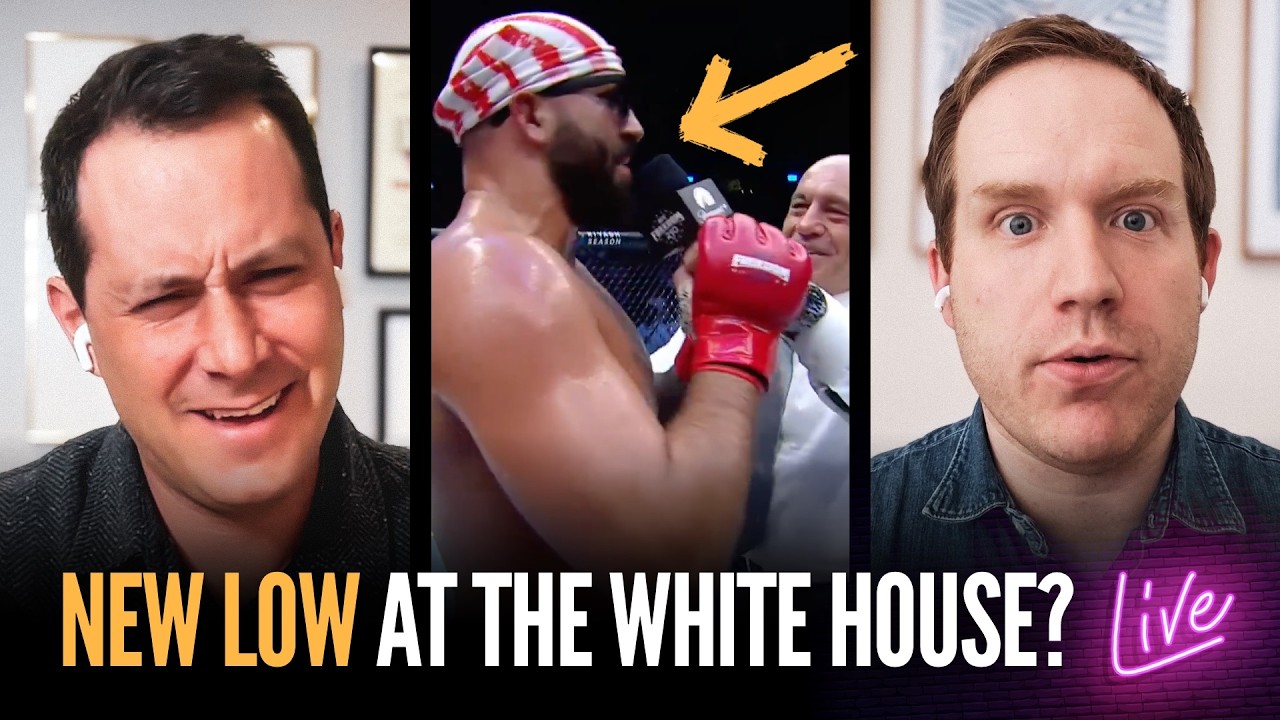
UFC Fighter Calls Michelle Obama a Man at Trump’s Birthday Party | MAGA Mondays
"The hosts dissect the controversial UFC event at the White House, highlighting a fighter's derogatory comments, alleged corruption involving Eric Trump, and the political implications of a new Iran deal."
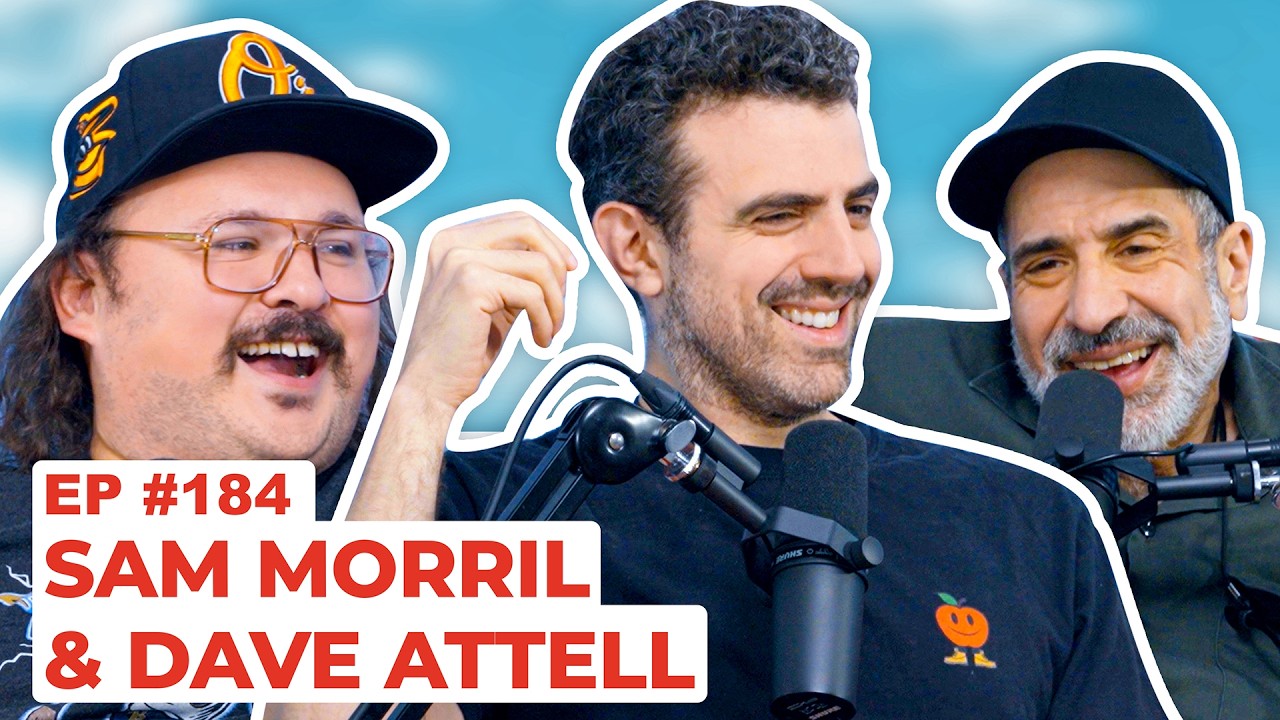
Stavvy's World #184 - Sam Morril and Dave Attell | Full Episode
"Comedians Stavros Halkias, Sam Morril, and Dave Attell offer unfiltered, humorous advice on listener problems ranging from OnlyFans roommate conflicts to dating an alcoholic, all while dissecting pop culture and the absurdities of modern life."

GAME 2 PREDICTIONS, KNICKS GOAT RANKINGS, ROZIER'S RETURN & SOCIAL MEDIA VS. ATHLETES | S8 EP100
"This episode dives into high-stakes NBA predictions, debates Jaylen Brunson's legendary status for the Knicks, and critically examines the career-altering legal troubles of Terry Rozier and the pervasive negative influence of social media on athletes like Brandon Aiyuk and Andre O'Chavez."