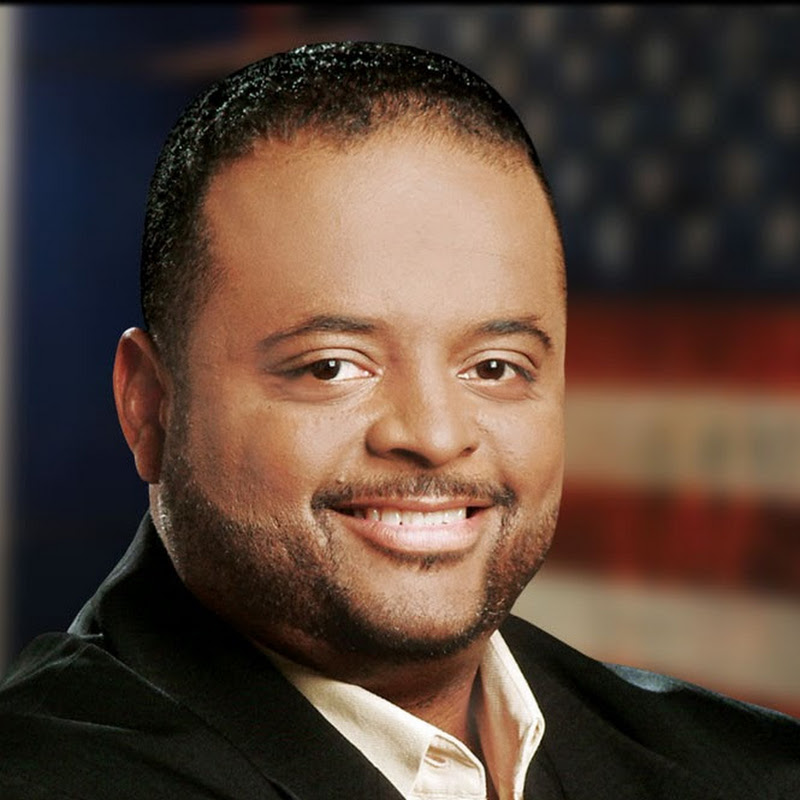
Male Vs. Man? Dondre Whitfield talks male mentoring & how to mentor men | #ABalancedLife
YouTube · 967gtqNQXBI
Quick Read
Summary
Takeaways
- ❖Mentoring is a two-way street: mentees must show desire, and mentors must adjust to the unique perspectives of younger generations.
- ❖Young Black men need visible role models beyond athletes and rappers, showcasing diverse professional paths like engineers, accountants, and skilled trades.
- ❖A woman can be a dynamic mother, but a son needs to be 'fathered' by a man to learn how to be a man.
- ❖Manhood is defined by being 'of service,' not just physical attributes or age; this must be taught and reinforced from childhood.
- ❖Effective male mentoring requires building deep, intentional relationships, fostering trust, and addressing underlying trauma before focusing on professional growth.
- ❖The scarcity of Black male teachers (only 2% in America) means young Black men often encounter authoritative figures (police) before instructional ones, highlighting a critical need for male mentors in educational spaces.
- ❖Mothers must be willing to 'move aside' and allow male mentors to guide their sons through the painful, transformative process of becoming a man, akin to boot camp.
Insights
1Distinguishing 'Male' from 'Man'
Dondre Whitfield asserts a fundamental difference: 'males look to be served while men look to be of service.' He clarifies that having a penis and pectorals makes one a male, but becoming a man requires understanding and dedication to being of service. This transition is not tied to a magical age but to receiving information, instruction, and being held accountable.
Dondre Whitfield's book 'Male Versus Man' highlights this distinction. He states, 'Simply because he has a penis and pecs doesn't make him a man. That makes him a male. But what makes him a man is his understanding that he should be dedicated to being of service.'
2The Indispensable Role of Male Mentors in Raising Sons
A woman, however dynamic as a mother, cannot teach her son how to be a man because she is not one. Sons need to be 'fathered' by a male figure, whether biological or not, to learn the specific nuances of manhood. This principle applies conversely to fathers raising daughters.
Dondre Whitfield explains, 'A woman can't teach you how to be something that she's not... the best that she can do is be a dynamic mother. She can't be a father. You don't have to be fathered by your biological, but you do have to be fathered.' He adds that he cannot teach his daughter how to be a woman, that is his wife's job.
3Early and Intentional Cultivation of Manhood
The formation of manhood should begin at the earliest possible age, mirroring the early introduction of sports or other activities. This involves consistently reading, conversing, and acting as a 'drill instructor' for what manhood entails, holding young boys accountable for embodying these principles.
Dondre Whitfield challenges the idea of waiting to teach manhood, asking, 'What age did you begin putting a ball in your son's hand? ... So, for once he started walking, once he started communicating... you put a ball in his hand. Well, why is it that you would put a ball in his hand hoping that maybe you might turn him into the next Kobe Bryant... but you won't invest the same energy and effort into making him the greatest version of himself that is a man?' He describes himself as a 'drill instructor' for his 13-year-old son.
4Overcoming Barriers: Trust, Trauma, and Relational Intentionality
Effective male mentoring, especially for Black men, must first address deep-seated issues like trauma, exposure to violence, and a lack of belonging. Men are often guarded and not taught to express feelings, making relational intentionality crucial. Mentors must build trust and empathy before focusing on professional development.
Corey Brisco states, 'We've got to have honest conversations about trauma and exposure to violence... how can I deal with professional... development, where I want to go when I still am dealing with mental trauma.' Pastor JT Johnson emphasizes 'being relationally intentional' because 'men are guarded... we are not taught to feel.'
5The Scarcity of Black Male Role Models in Education
A significant challenge is the severe underrepresentation of Black men in teaching roles. This means young Black men often first encounter authoritative figures (like police in schools) rather than instructional ones, making it harder to receive guidance and instruction.
Pastor JT Johnson cites a Stanford Graduate School of Education article: 'Only 2% of teachers are black men in America... our young men are having an interaction with an authoritative person first before they have one with an instructional person.'
Lessons
- Single mothers raising sons should actively seek out and partner with male mentors to provide the specific guidance on manhood that they, as women, cannot directly impart.
- Men aspiring to be mentors must prioritize building genuine relationships, fostering trust and empathy with their mentees, and be prepared to address personal traumas before focusing on professional or skill-based development.
- Parents and community leaders should introduce concepts of manhood, service, and accountability to boys from the earliest ages, treating it with the same intentionality as teaching sports or other skills.
- Mentors should model desired behaviors and values, understanding that 'more is caught than taught,' and actively demonstrate what it means to be a man 'of service' in their daily lives.
- Communities need to actively recruit and support more Black men in instructional roles (e.g., teachers, coaches, community leaders) to provide positive, consistent male role models for youth.
Quotes
"Our job is to be the model that we want our our brothers to ultimately mirror."
"A woman can't teach you how to be something that she's not."
"Males look to be served while men look to be of service."
"Manhood or becoming a man doesn't come with a magical age... You turn into a man by giving being given information, instruction, and being held to account."
"There are times when my wife stands in the way of my work... because they're trying to make your son a soldier. And that process is painful."
"Effective mentoring, it has trust. It has empathy. It has relationship building that allows me to see myself or allows me to understand my current predicament in a way that I can trust you."
Q&A
Recent Questions
Related Episodes
Hot Primary Elections. White Group Beats Black Teen. Surviving Gun Violence #TheBreakdown
"This episode dissects critical threats to Black political power, police accountability, and community well-being, offering strategies for resilience and collective action."
Try it For 1 Week: Small Ways to Make Your Life Fun & Exciting Again
"Transform mundane gatherings and strained relationships into meaningful connections by applying specific strategies for purpose, healthy conflict, and intentional openings and closings."
Jeffrey Lee Execution. Cross Burning Probe. Juneteenth Arson. Your Lawyer, Your Shield #TheBreakdown
"This episode unpacks crucial legal protections for wealth, the importance of youth empowerment through safe spaces, and strategies for Black professionals to navigate corporate America and build generational wealth, alongside critical discussions on racial injustice in the legal system."

The State of the Black Male. Presence, Purpose, and the Pressure to Provide #ABalancedLife
"This episode explores the unique challenges and opportunities young Black men face in navigating college, career, and personal development, emphasizing faith, mentorship, and self-discovery."