BREAKING: U.S. Apache CRASHES In Hormuz; Trump STOPS Israel Strike On Iran | TBN Israel
YouTube · 9cYEc5HYJdk
Quick Read
Summary
Takeaways
- ❖An American Apache helicopter crashed in the Strait of Hormuz, raising questions about the cause amidst high regional tensions.
- ❖Former President Trump intervened to stop a larger Israeli strike on Iran, despite Israel's readiness for a significant operation.
- ❖The US aims for a 'total victory' agreement with Iran, potentially within two weeks, to prevent nuclear weapons development.
- ❖US Vice President J.D. Vance stated that US actions, even if disliked by Israel, prioritize American interests.
- ❖Iran attempts to link a regional ceasefire to a cessation of Israeli strikes in Lebanon, aiming to protect Hezbollah and strengthen its regional influence.
- ❖Israel responded forcefully to Iranian aggression, striking petrochemical plants and military targets within Iran to restore deterrence.
- ❖Behind the scenes, US and Israeli military and government entities maintain high levels of coordination, despite public statements suggesting otherwise.
- ❖Saudi Arabia is actively reinforcing its air defense systems, anticipating potential escalation from Iran and its proxies in Iraq and Yemen.
- ❖Israel is concerned that a 'bad agreement' with Iran could provide economic relief, allowing Iran to rebuild its missile arrays and fund proxies.
- ❖The ongoing challenge for Israel is to maintain its freedom of action against Hezbollah in Lebanon without being drawn into a direct crisis with the United States.
Insights
1US Intervention Halts Broader Israeli Strike on Iran
Israel was preparing for a much more significant strike in Iran with dozens of aircraft, targeting petrochemical complexes and potentially energy facilities, in response to Iranian aggression. However, former President Trump intervened, ordering Israel to stop. This decision was driven by the US's desire to prevent a broad regional escalation and preserve ongoing contacts for a potential agreement with Tehran, despite having initially approved a 'measured' Israeli response.
Dozens of Israeli aircraft were waiting for the order and then Donald Trump called. Today, we will bring you the behind-the-scenes story of the decision to stop the IDF from continuing the strikes in Iran. Israel was already preparing for a more significant strike. But in the morning, when a broader escalation developed, Trump ordered him to stop.
2Divergent US and Israeli Interests in Iran Conflict
While both the US and Israel are aligned against Iran's nuclear ambitions and regional proxies, their immediate interests diverge. Israel seeks to continuously weaken Iran and Hezbollah without an end date or a need for an agreement. The US, particularly under Trump, seeks a 'clear, decisive win' or an agreement for internal political and diplomatic reasons, even if it means halting allied military actions. This creates a tension where the US prioritizes its own strategic calculus, as articulated by Vice President Vance, 'Israel can like it or not, but this is what is good for the United States.'
Israel wants to weaken Iran as much as we possibly can without an end date. We don't need to have an agreement. We don't need to end this war. We want to fight Hezbollah and weaken Iran... Trump has different interests. For Trump, for internal political reasons, for diplomatic reasons, there is a need, a desire to one way or another have an agreement. That is true. That is not the same interest as Israel. Vance added, 'Israel can like it or not, but this is what is good for the United States.'
3Iran's Strategy: Leverage Lebanon and US Diplomacy to Protect Proxies
Iran's strategy involves using Hezbollah in Lebanon as a proxy to test boundaries and influence US-Israel dynamics. By firing towards Israel in response to Israeli strikes in Beirut, Iran attempts to establish an equation where any Israeli action against Hezbollah in Lebanon triggers a direct Iranian response. This aims to force the US to pressure Israel into a ceasefire in Lebanon, thereby protecting Hezbollah through diplomatic means rather than direct military confrontation, turning Israeli strikes into a diplomatic crisis with the White House.
The Iranian regime made a fateful decision last night to fire towards Israel in response to the strike in Beirut. This is the largest stage so far in Iran's attempt to bind Lebanon into the framework of the ceasefire in order to strengthen the influence of the Revolutionary Guards over the state of Lebanon and to ensure the survival of the Hezbollah terrorist organization... The Iranian message was simple. If Israel strikes Hezbollah in Lebanon, Iran will respond directly against Israel. This is exactly the equation that Israel is not prepared to accept.
4US-Israel Coordination Beyond Public Narratives
Despite public statements from US officials suggesting they asked Israel to stop or that Israel acted independently, the hosts argue that behind-the-scenes coordination between the US and Israel is 'far more coordinated than people believe.' They suggest that public statements are often for PR, diplomatic appeasement, or to manage geopolitical tensions with other allies, while actual military and intelligence cooperation remains extremely tight, with shared command centers and daily communications.
Behind the scenes, Israel and the United States, this is my public my private opinion, I believe are working far more coordinated than people believe. We know that Trump knew about Israeli attacks in Lebanon, already had given the green light to that, and then after these attacks happened, said no, no, we asked Israel not to attack. The truth is that PR, that working with news outlets, that working the let's call it the geopolitical tension between the United States and its allies in the Gulf states, or the United States and Iran, when it comes to public statements, sometimes there's a gap between that and what the US actually wants to do.
Bottom Line
Iran's 'suspension of operations' after being hit by Israel is framed as propaganda, a 'black eye' attempting to project control despite suffering significant damage.
This highlights the information warfare aspect of the conflict, where perception management is as crucial as military action. It suggests that even when militarily disadvantaged, Iran seeks to control the narrative to maintain deterrence and influence regional actors.
Analysts should scrutinize official statements from all parties, especially those claiming 'suspension' or 'victory' after military exchanges, to discern actual outcomes versus propaganda efforts. This informs more accurate risk assessments and strategic planning.
The US is using economic suffocation (naval blockade, sanctions) as a primary long-term strategy to drive Iran to an agreement, rather than immediate, broad military strikes.
This indicates a preference for sustained, non-kinetic pressure over direct military confrontation to achieve strategic goals. It suggests that the US views economic leverage as a more sustainable and less escalatory path to influence Iranian behavior.
Businesses operating in or with the Middle East should closely monitor the efficacy and duration of US economic sanctions and blockades on Iran, as these measures significantly impact trade, energy markets, and regional stability. Investment strategies should account for this long-game approach to pressure.
Lessons
- Recognize that public diplomatic statements from major powers like the US may not fully reflect the extent of behind-the-scenes coordination and strategic alignment with allies.
- Understand that regional conflicts in the Middle East are often multi-layered, involving direct military action, proxy warfare, economic pressure, and sophisticated propaganda campaigns.
- When assessing geopolitical developments, differentiate between the immediate military outcomes and the longer-term strategic objectives and political motivations of all involved parties.
Quotes
"Israel may not like it. We are doing what is good for America."
"We're negotiating now. They are ready to give us everything, and they are ready for there to not be nuclear weapons in Iran."
"Israel and the United States, I need to say this clearly, are aligned. We don't agree on everything, don't get me wrong. We don't have the exact same interest, but we definitely have an understanding and an agreement as it relates as it portrays to most items related to the boots on the ground, to the war taking place in this region."
"If Israel expands the strike in Iran, it could find itself alone."
"This is not Iranian deterrence. This is Iranian propaganda with a black eye."
Q&A
Recent Questions
Related Episodes
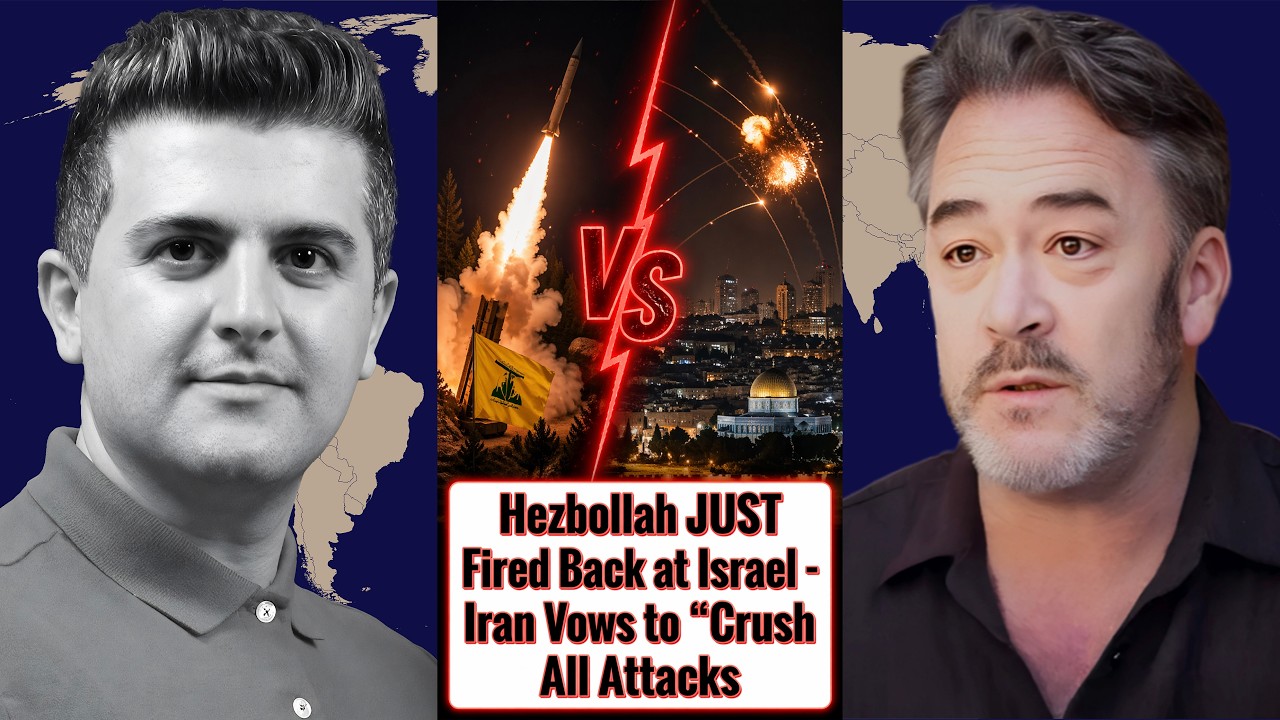
Patrick Henningsen: Hezbollah JUST Fired Back at Israel - Iran Vows to “Crush” All Attacks
"Patrick Henningsen argues that the US and Israel initiated an illegal war against Iran, driven by Trump's incompetence and Israeli influence, leading to an inevitable escalation with severe global economic repercussions."

BREAKING: Iran Threatens To END Talks; U.S. Vows Retaliation; Hezbollah Collapsing? | TBN Israel
"Iran is leveraging Hezbollah and the Strait of Hormuz to manipulate US negotiations, while Israel asserts its right to dismantle Hezbollah's eroding but still dangerous infrastructure in Lebanon, independent of international talks."
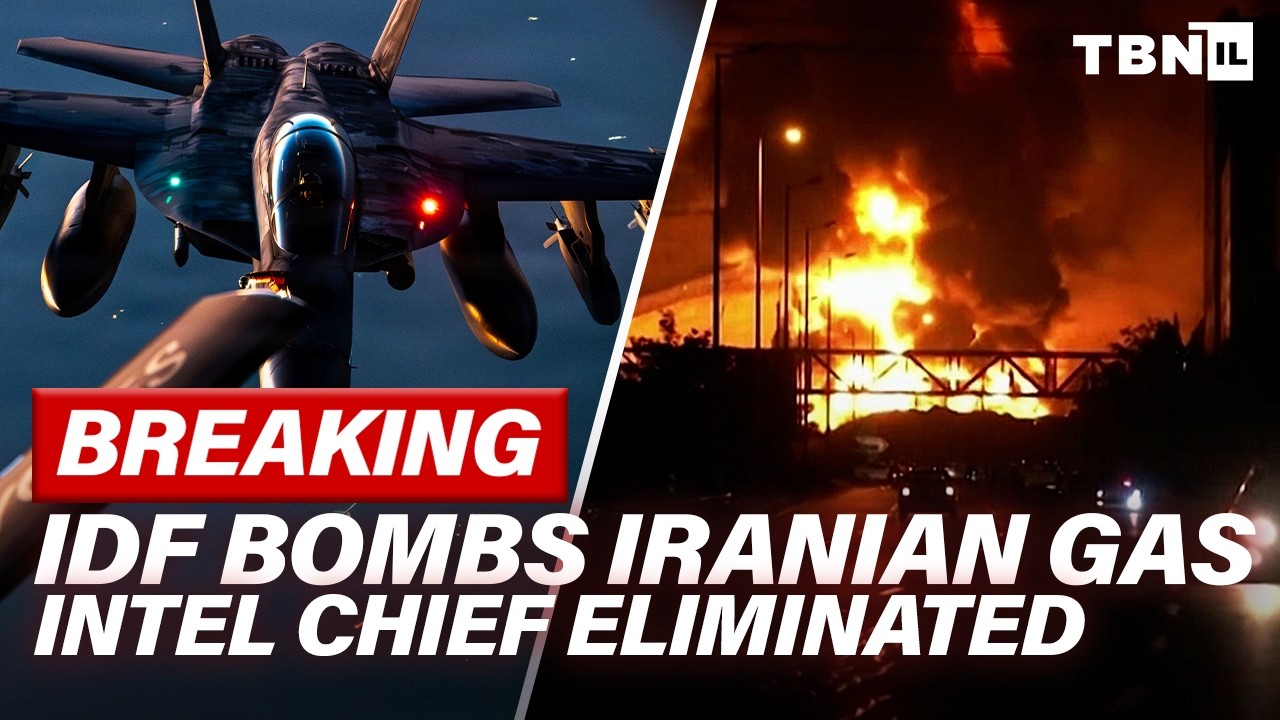
BREAKING: Israel BOMBS Major Iran Gas Site; Top Mullah ELIMINATED; Iran Vows VENGEACE | TBN Israel
"Israel and the United States have escalated their 'Roaring Lion War' against Iran, striking its largest gas facilities, eliminating key intelligence and military figures, and disrupting missile production, while Iran threatens a broader energy war in the Gulf."
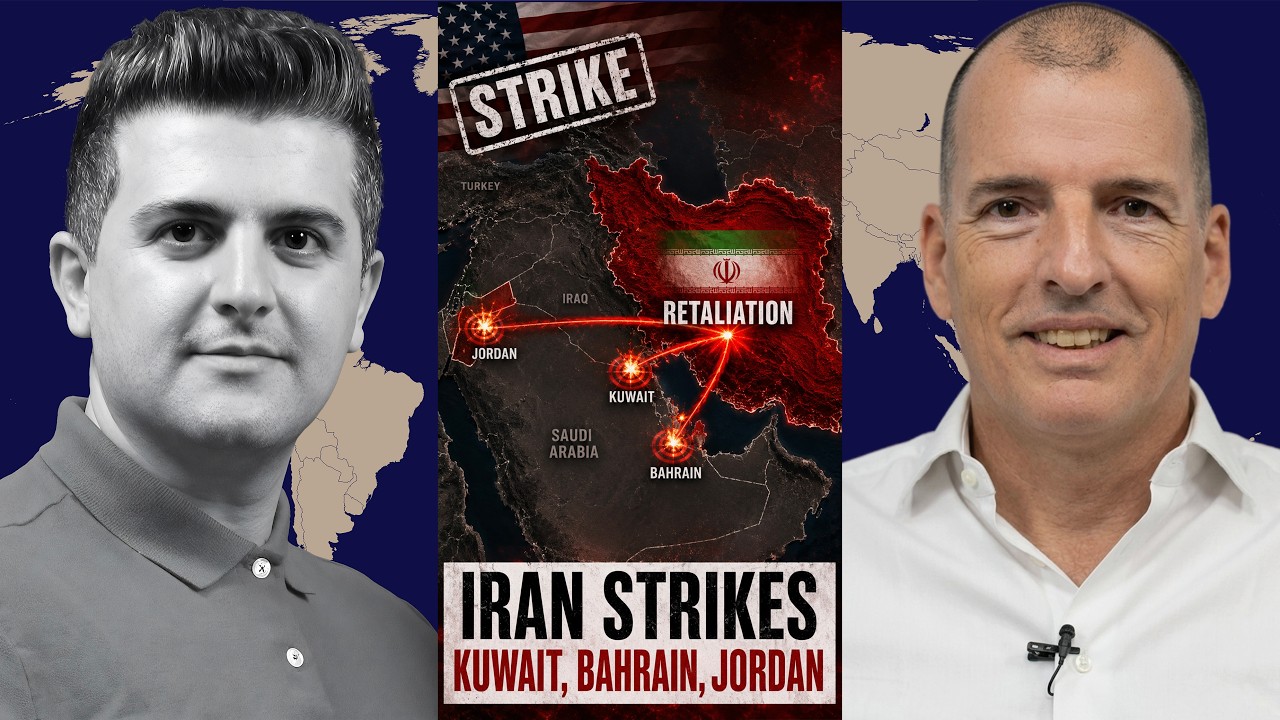
Alex Krainer: US STRIKES Iran – Iran RETALIATES Against Kuwait, Bahrain & Jordan!
"Amidst escalating US-Iran conflict and Iranian retaliation against regional US allies, this episode argues that US foreign policy is deeply controlled by an 'Anglo-Zionist conspiracy' led by the Rothschild banking dynasty, prioritizing Israeli interests over American ones."