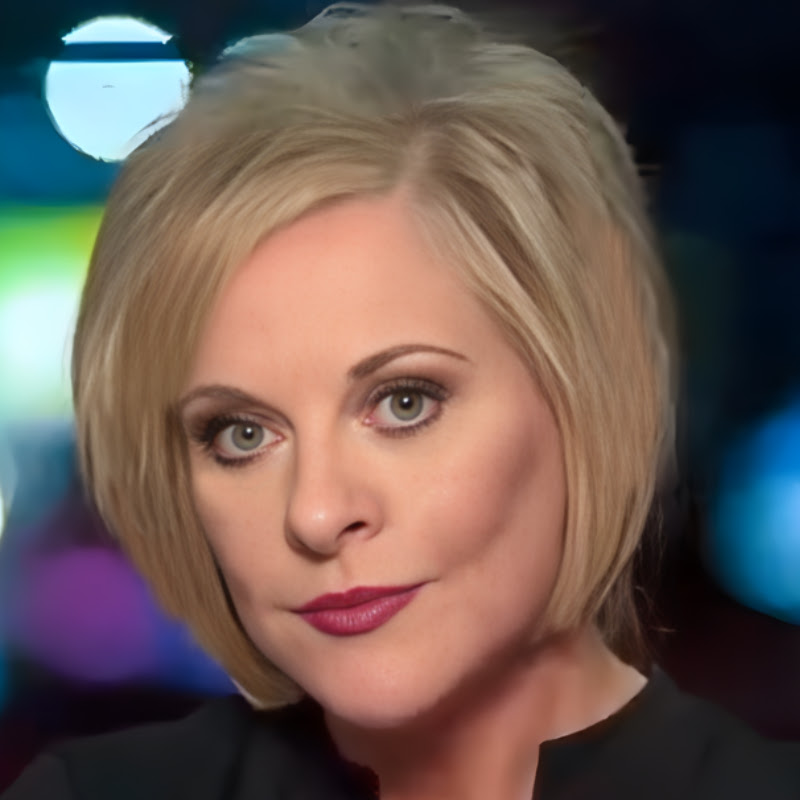
EPSTEIN BROTHER FURIOUS: THIS IS NO "DIRT-NAP" NOTE
YouTube · 9kwSjovYxLs
Quick Read
Summary
Takeaways
- ❖An independent pathology report will soon conclusively prove Jeffrey Epstein's death was a homicide, not suicide, based on his injuries.
- ❖Epstein's neck sustained three fractures (left/right thyroid cartilage, left hyoid bone), which are highly unusual in suicidal hangings.
- ❖Bruises on Epstein's body could not have been self-inflicted, indicating a direct impact or struggle.
- ❖The 'death note' is suspected to be a forgery, released years after Epstein's death to sow doubt about impending evidence of murder.
- ❖Bill Barr's public statements regarding surveillance footage and the lack of visitors to Epstein's tier were contradicted by actual video and prison conditions.
- ❖The medical examiner was reportedly prohibited from collecting DNA evidence or visiting the crime scene, hindering a proper investigation.
Insights
1Physical Injuries Inconsistent with Suicide
Forensic experts, including Joseph Scott Morgan and Dr. Michael Boden, assert that the ligature marks on Epstein's neck were straight across, typical of strangulation, rather than the 'smiley mark' seen in self-inflicted hangings. Crucially, Epstein's neck had three fractures—left thyroid cartilage, right thyroid cartilage, and left hyoid bone—a combination never observed in over a thousand suicidal hangings in New York City prisons over 40-50 years. Additionally, bruises on his body indicate direct impact, not self-infliction.
Joseph Scott Morgan's analysis of ligature marks and internal neck fractures; Dr. Michael Boden's statement on the rarity of three fractures in suicidal hangings; Mark Epstein's claims about body bruises.
2The 'Death Note' is a Suspected Forgery
Mark Epstein and Nancy Grace believe the recently unsealed 'death note' is a fake, intended to corroborate the official suicide ruling. They question its delayed release (years after Epstein's death) and its discovery by a convicted felon, Nick Tartaglione. While handwriting expert Bart Bagot found the notes from the jail cell were written by the same person and quickly/naturally, he noted the lack of typical depression or sadness in the content, suggesting Epstein was not psychologically ready for suicide. The host also suggests AI could have been used to mimic Epstein's handwriting and phrases.
Mark Epstein's report of handwriting experts saying the note doesn't match; Nancy Grace's skepticism about the timing and source; Bart Bagot's analysis of the note's content lacking suicidal indicators; Lynn Shaw's mention of AI capabilities.
3Official Narrative Undermined by Inconsistencies and Cover-up Allegations
The initial death certificate listed 'pending further study,' but the cause of death was quickly ruled suicide without a full investigation. Mark Epstein claims the July 'suicide attempt' was actually a cellmate assault, which Epstein recanted to avoid being a 'snitch.' Bill Barr's testimony about surveillance footage showing no one entering or leaving Epstein's tier was debunked by actual video showing obscured areas and an 'orange person' on stairs. Dr. Kristen Roman, the pathologist who performed the autopsy, was reportedly told not to collect DNA evidence and prohibited from visiting the crime scene.
Initial death certificate details; Mark Epstein's account of the July incident and recantation; Bill Barr's congressional testimony and subsequent video evidence; Dr. Kristen Roman's deposition regarding DNA and crime scene access.
4Epstein's Psychological Profile Contradicts Suicide
Psychoanalyst Dr. Bethany Marshall argues that Epstein's personality traits—being a meticulous planner, not impulsive, and consistently escaping consequences throughout his life—are inconsistent with someone who would commit suicide. He was about to face trial and likely believed he would 'get out of jail free' again, indicating a lack of the hopelessness typically associated with suicide.
Dr. Bethany Marshall's psychoanalysis of Epstein's planning, lack of impulsivity, and history of evading consequences.
Lessons
- Stay informed about the upcoming independent pathology report on Jeffrey Epstein's death, as it promises to provide conclusive evidence regarding the cause.
- Support efforts for transparency and accountability in the justice system, particularly concerning high-profile cases where official narratives are questioned.
- Consider the potential for advanced forgery techniques, like AI, when evaluating evidence in complex investigations, especially when timing and source are suspicious.
Notable Moments
Mark Epstein reveals an independent pathology report, currently peer-reviewed, will conclusively state Jeffrey Epstein could not have taken his own life due to injuries.
This is a significant claim that directly challenges the official cause of death and suggests new, definitive evidence will soon be public.
Nancy Grace details the distinct differences in ligature marks between suicide and homicide, stating Epstein's marks resembled homicide.
This provides a clear, forensic argument from an experienced prosecutor supporting the murder theory based on physical evidence.
Dr. Bethany Marshall explains that Epstein's personality (planner, not impulsive, history of escaping consequences) makes suicide highly improbable.
This adds a psychological dimension to the argument against suicide, suggesting his character was not aligned with such an act.
Quotes
"They conclusively decided that Jeffrey could not have taken himself out because the due to the injuries and bruises on his body they could not have been self-inflicted. So they they know for a fact that he was killed because it could not have uh he could not have done it himself."
"When an individual takes their own life, you will see a smiley mark from ear down toward the Adam's apple and to the other ear because of the positioning of the rope. If it is a rope, so the marking on your brother's neck, the first time I saw it from having handled so many homicides, I did not believe it could be anything other than homicide."
"There were two separate fractures in the cartilage in the neck right here. All right. One's on this side, one's on the other side. And then then you have, you know, the little bone that we always talk about, the only nonarticulating bone in the whole human body, the hyoid shaped like a horseshoe. Greater left horn is fractured. That's way way way way up in the neck. You know, when we see this, Nancy, we see it with manual strangulation."
"I have never seen three fractures like this in a suicidal hanging. Sometimes there's a fracture of the higher bone or a fracture of the thyroid cartilage. Going over over a thousand jail hanging in the New York City state prisons over the past 40, 50 years, no one had three fractures."
"Epstein was not impulsive. He was a planner. He bought the biggest mansion in Manhattan so he could use it as a trading principle with everybody around him... he probably thought he was going to get out of all the sex trafficking charges. So why would he unal alive himself before his greatest victory or glory when he thought he would get out of everything?"
Q&A
Recent Questions
Related Episodes

Ghislaine's BARGAIN: Pardon Me And I'll Clear Trump, Clinton
"Ghislaine Maxwell offered to exonerate Donald Trump in exchange for clemency, a move the hosts frame as a high-stakes power play to unite political machines and maintain silence among powerful figures implicated in the Epstein scandal."

EXPLOSIVE New Report CONNECTS Epstein Associate to Trump Insider?!?!
"An investigative journalist uncovers how Russian model Kira Dictiar, a key recruiter for Jeffrey Epstein, maintained ties to a Trump administration State Department official and Vladimir Putin's alleged partner, raising serious questions about uninvestigated connections."

Ken Paxton Dominates Cornyn Ahead of Race Against RADICAL Talarico, Plus SHOCK Prince Andrew Stories
"Megyn Kelly delivers a sharp analysis of Ken Paxton's decisive victory in the Texas Republican primary and his upcoming battle against a 'radical' Democratic opponent, alongside explosive new allegations of predatory behavior and corruption surrounding Prince Andrew and Sarah Ferguson."

Hunter Biden Returns. The White House Ghosts Me Regarding Erika… | Candace Ep 340
"Candace Owens details her surprising Hunter Biden interview, criticizes Turning Point USA's handling of Erika Kirk's succession with alleged AI video, and exposes what she frames as White House PR manipulation and suspicious DoD payments."