Kash Patel RAIDS Wapo Journo, SEIZES Computer
YouTube · A0GGQqHKGEI
Quick Read
Summary
Takeaways
- ❖The FBI executed a search warrant on Washington Post reporter Hannah Natanson's home, seizing her personal and work devices.
- ❖This action is considered exceptionally rare and a direct threat to First Amendment protections for a free press.
- ❖The search is linked to an investigation into a government contractor, Aurelia Perez Lagunas, accused of illegally retaining classified information.
- ❖Hosts compare this to the Obama administration's targeting of James Rosen and the Trump administration's prosecution of Julian Assange.
- ❖The hosts argue that government tactics against journalists have intensified since 9/11, leading to a 'chilling effect' on reporting.
- ❖Concerns are raised about the silence of powerful media owners like Jeff Bezos in defending their reporters and press freedom.
Insights
1FBI Executes Rare Search Warrant on Washington Post Reporter's Home
The FBI executed a search warrant on Washington Post reporter Hannah Natanson's home, seizing her personal phone, two laptops (one personal, one Post-issued), and a Garmin watch. This action is part of an investigation into a government contractor, Aurelia Perez Lagunas, accused of illegally retaining classified materials. The Washington Post's executive editor called it an 'extraordinarily aggressive action' that raises 'profound questions and concern around the constitutional protections for our work.'
Kash Patel's statement confirming the search warrant and arrest of an alleged leaker. The Washington Post's report detailing the seizure of devices and the subpoena issued to the Post. Kyle Cheney's reporting linking the search to the case of Aurelia Perez Lagunas.
2Historical Precedents and the 'Criminalization of Journalism'
The hosts frame the FBI's action as part of a broader trend to criminalize standard journalistic practices, drawing parallels to the Obama administration's targeting of Fox News reporter James Rosen and the Trump administration's prosecution of Julian Assange. In both cases, the government attempted to argue that encouraging or obtaining classified leaks constituted criminal conspiracy under the Espionage Act, a theory that threatens the core function of investigative journalism.
Discussion of the James Rosen case () where the Obama administration claimed his reporting encouraged a leaker, making him criminally liable. Comparison to the Assange case () where the Trump administration pursued a similar co-conspirator theory.
3Post-9/11 Shift Towards Government Control Over Media
The hosts argue that a significant shift occurred after 9/11, leading to an 'overwrought approach' by the government towards media. This period saw increased spying on journalists, direct oversight, and attempts to suppress reporting on classified information, often under the guise of national security. They suggest this trend is fueled by government's consistent dishonesty, which in turn motivates whistleblowers.
Reference to the 'war on terror' () and the NSA warrantless spying story () where the New York Times delayed publishing due to presidential pressure. The hosts state that 'since 9/11, there has been this overwrought approach' ().
4Critique of Media Ownership and Selective Outrage
The hosts criticize powerful media owners like Jeff Bezos for their silence in defending reporters targeted by the government. They suggest that Bezos's business interests and desire to maintain favor with administrations outweigh his commitment to press freedom. They also highlight how mainstream media often exhibits 'selective outrage,' ignoring attacks on press freedom when they target outlets they dislike (e.g., Fox News in the James Rosen case), which normalizes such tactics.
The hosts question Jeff Bezos's silence on the WaPo reporter's raid, suggesting he 'wants to cuddle up to Trump and get his goodies' (). They also point out that 'a lot of mainstream media didn't say anything about the James Rosen case' () because 'it's Fox News, screw them.'
Bottom Line
The increasing normalization of aggressive government tactics against journalists is partly enabled by the selective outrage of mainstream media, which often fails to defend press freedom universally.
This selective defense weakens the collective power of the press, allowing governments to incrementally expand their reach and control over information without facing unified opposition.
Independent media outlets have an opportunity to consistently advocate for press freedom across the board, regardless of the targeted outlet's political alignment, to build broader solidarity and resistance against government overreach.
The silence of billionaire media owners like Jeff Bezos in defending their journalists against government aggression suggests a prioritization of personal and corporate business interests over constitutional principles.
This compromises the independence and integrity of major news organizations, as their ultimate owners may be unwilling to risk their broader financial empires for the sake of investigative journalism that challenges powerful entities.
This creates a vacuum for truly independent, reader-supported media to emerge as the primary defenders of press freedom, as they are less beholden to corporate or political interests.
Key Concepts
Chilling Effect
The suppression of legitimate exercise of rights (like free speech or press freedom) by the threat of legal sanction or aggressive government action. In this context, the FBI's search on a reporter's home is intended to make journalists fearful of reporting on classified information, thereby discouraging such reporting.
Normalization of Aggression
The process by which extreme or previously unacceptable actions become commonplace and accepted over time. The hosts argue that aggressive government tactics against journalists, once rare, have been incrementally normalized since 9/11, allowing for increasingly severe actions like the FBI raid.
Lessons
- Recognize that government actions against journalists reporting on classified information are not isolated incidents but part of a historical pattern of escalating control.
- Be critical of media outlets that selectively defend press freedom based on political alignment, as this normalization of aggression can ultimately harm all journalism.
- Support independent media platforms that consistently advocate for First Amendment rights and challenge government overreach, as they are less susceptible to the pressures faced by corporate-owned outlets.
Notable Moments
Kash Patel's public statement framing the reporter's actions as endangering national security.
This statement, from a former government official, directly frames journalistic activity as a threat, setting a dangerous precedent and potentially justifying aggressive law enforcement actions against the press.
The Washington Post's executive editor calling the FBI's action 'extraordinarily aggressive' and 'deeply concerning'.
This highlights the severity of the incident from within the targeted news organization, underscoring the perceived threat to journalistic integrity and constitutional protections.
Discussion of the Pentagon's new press corps rules that led to a mass exodus of news outlets.
This illustrates a deliberate government strategy to control information flow by imposing restrictive rules on journalists, effectively attempting to ban reporting on anything the government doesn't want disclosed.
Quotes
"This morning, the FBI and partners executed a search warrant of an individual at the Washington Post who was found to be allegedly obtaining and reporting classified sensitive military information from a government contractor, endangering our warfighters and compromising America's national security."
"It is exceptionally rare for law enforcement officials to conduct searches at reporters' homes. Federal regulations intended to protect a free press are designed to make it difficult to use aggressive law enforcement tactics against reporters to obtain the identities of their sources or information."
"It is a direct threat against the First Amendment and particular about the right rights to a free press."
"The Obama administration had looked at the Assange case and said, 'We can't figure out how to prosecute this without criminalizing journalism.' The Trump administration decided to go forward with that and make a very similar argument that actually he was a co-conspirator because he had encouraged these series of leaks."
"This has been normalized, normalized, normalized. And then what do the Trump people do? They always just take the dial and turn it up to 12."
Q&A
Recent Questions
Related Episodes
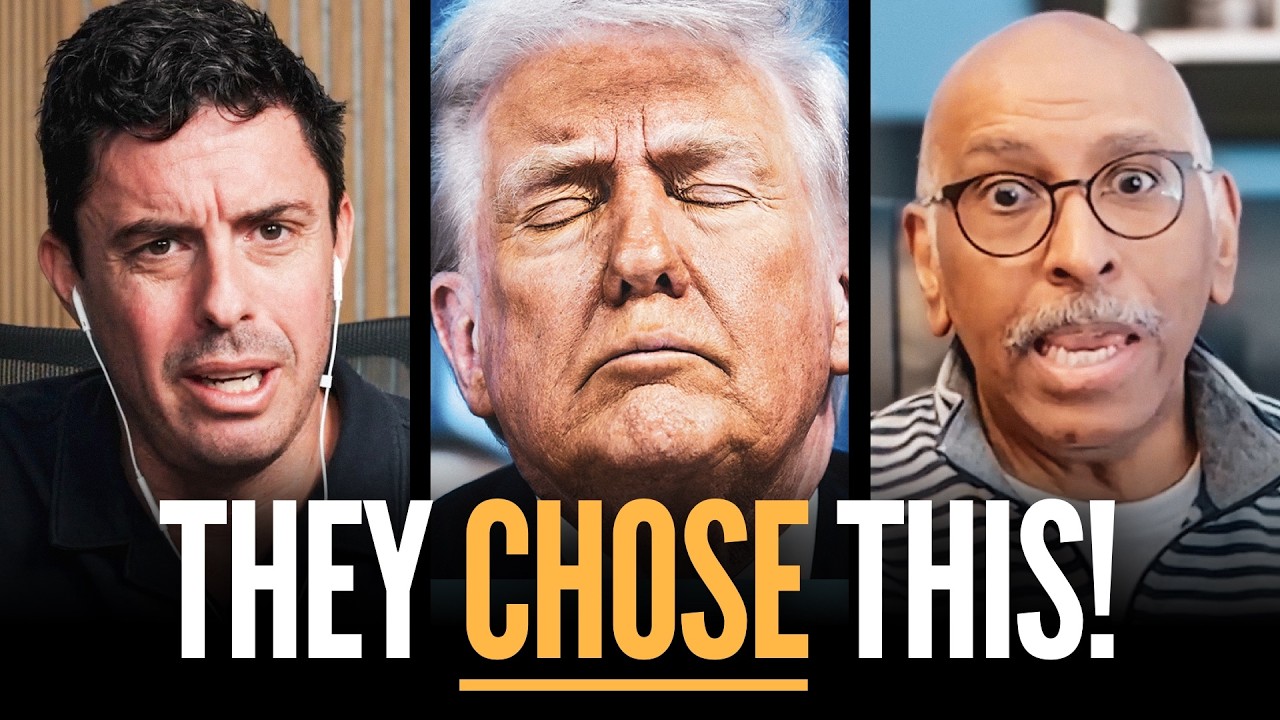
Republicans Own What Happens Next (w/ Michael Steele) | The Bulwark Podcast
"Michael Steele and Tim Miller dissect the current political landscape, arguing that the Republican Party's unwavering allegiance to Donald Trump has led to a cascade of government overreach, financial corruption, and a direct assault on constitutional liberties, making them fully accountable for the nation's chaotic state."
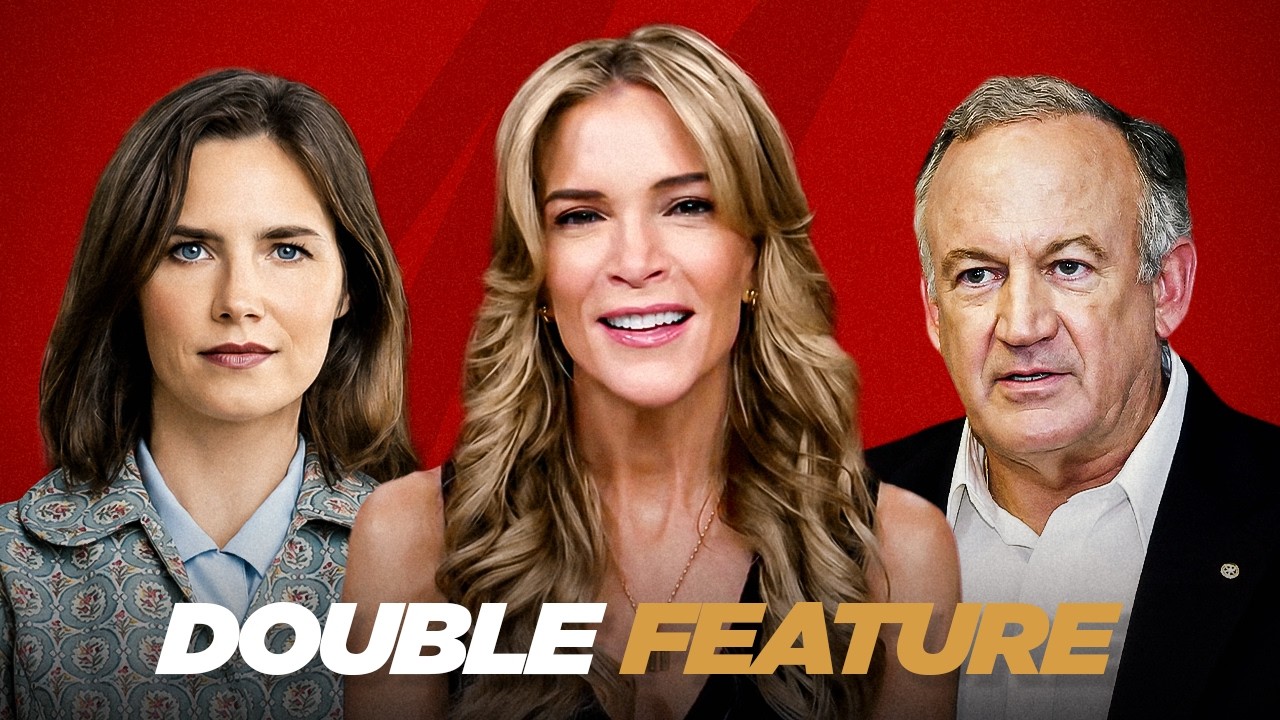
Amanda Knox and John Ramsey - Megyn Kelly's "Double Feature" of Fascinating Interviews
"This episode features two individuals, Amanda Knox and John Ramsey, whose lives were irrevocably altered by tragic crimes and subsequent wrongful accusations, revealing systemic failures in justice and media manipulation."

SHOCK LIVE: MAGA COLLAPSES, GHISLAINE MAXWELL PRISON FOOTAGE LEAKS!
"This episode dissects conservative outrage over the Bad Bunny Super Bowl halftime show, debates Don Lemon's arrest as journalistic suppression, exposes GOP hypocrisy on gay marriage and Trump, and questions the motives behind Ghislaine Maxwell's prison transfer and deposition silence."

HOT TOPICS | Donald Trump In The Epstein Files - They Arrested The Wrong Don!
"Don Lemon and Congressman Jason Crow discuss the weaponization of the justice system against journalists and critics of Donald Trump, alongside the controversial handling of the Epstein files and the rise of independent media."