
“Start From The INSIDE” Savannah Guthrie Faces Ransom Deadline After Mom Kidnapped
YouTube · AF-68QT5l_E
Quick Read
Summary
Takeaways
- ❖Nancy Guthrie, 84-year-old mother of Savannah Guthrie, has been missing for over a week, believed abducted from her Arizona home.
- ❖The case is considered unprecedented in U.S. history due to the lack of traditional proof of life or direct contact from abductors.
- ❖Ransom demands, reportedly for $6 million in Bitcoin, have been communicated through news agencies, not directly to the family or FBI.
- ❖Experts speculate on whether the motive is revenge or profit, and if the abductors are the same as the extortionists.
- ❖The family's public appeals are carefully worded, aiming to humanize Nancy and offer payment, while implicitly seeking proof of life.
- ❖Law enforcement faces significant challenges, as few current officers have experience with for-profit kidnappings of this nature.
- ❖Concerns exist about public speculation and wrongful accusations, especially regarding family members.
- ❖The proximity of Nancy's home to the U.S. border raises questions about potential cross-border movement.
Insights
1Unprecedented Nature of the Abduction
The kidnapping of Nancy Guthrie is described as unprecedented in U.S. history, particularly for a for-profit motive, due to the lack of clear communication, definitive proof of life, and the absence of traditional investigative leads. Unlike historical cases, there's no direct contact or verifiable evidence of Nancy's status.
Jim Fitzgerald states, 'This is clearly an abduction. It seems no and if or buts about that. The question is, is it for revenge or is it for profit? The revenge stuff may have been obvious early on, but the for-profit stuff didn't matter, didn't come up, I should say, till about 48 hours later. Bottom line here for this part, this is being run very differently than other kidnappings in my historical past and certainly in the US historical past.' (), and 'this is really unprecedented in US history.' ()
2Challenges for Modern Law Enforcement in Kidnapping Cases
Current law enforcement agencies in the U.S. lack experience with stranger-for-profit kidnappings, as these types of crimes are rare and typically unsuccessful. This creates uncharted territory for investigators, who cannot rely on recent institutional knowledge or established playbooks for such cases.
Jim Fitzgerald notes, 'There's no one in law enforcement today that's ever worked a for-profit kidnapping. They just haven't. There's some retired agents and investigators have.' ()
3Strategic Communication and Lack of Proof of Life
The Guthrie family's public video appeals are precisely worded, likely guided by law enforcement, to humanize Nancy and express willingness to pay, while implicitly demanding proof of life. However, there is no public indication that proof of life has been provided, which is a critical missing element in the investigation.
Jim Fitzgerald discusses the family's video, 'One key word is humanize, and that is make the mother seem like a real person... They should really be asking for proof of life and not something AI arguable.' (). Casey Jordan adds, 'they are not asking for proof of life and they any hopefulness is gone from their faces.' ()
4Risk of Opportunist Extortion and False Demands
The unusual method of communication (via news agencies) and the lack of direct contact raise concerns that the ransom demands might be from opportunists who are not directly responsible for Nancy's abduction. This complicates the investigation, as paying a ransom might not lead to her return or even confirm her abductors' identity.
Jim Fitzgerald considers the possibility of 'someone else possibly is an opportunist from another continent taking advantage of this situation trying to get money for it.' (). Casey Jordan states, 'We don't know that the people who are responsible for NY's disappearance are the same people demanding a ransom.' ()
5The Toll of 'Not Knowing' on Families
Families of missing persons often describe the 'not knowing' as the most agonizing part of their ordeal. The desire for answers, even if tragic, can outweigh the hope of a safe return, making families willing to pay ransoms simply for information or closure.
Callahan Walsh, whose brother Adam was abducted, states, 'my parents always said, was the hardest part. Once they knew Adam was deceased, they could bury him. They could end that chapter in their life and start writing new chapters.' (). Casey Jordan adds, 'the torture of not knowing is probably worth this money to them if they just know the answer.' ()
Bottom Line
The case highlights a critical vulnerability for public figures: their family members, particularly elderly ones, can become targets due to media exposure of their lifestyle or home environment.
This creates a new security concern for high-profile individuals, suggesting that even seemingly innocuous televised segments featuring family or homes could inadvertently provide intelligence to criminals.
Develop specialized security assessments and protocols for public figures that specifically address the risks posed by media exposure of their private lives and family members, including digital footprint analysis and home security audits tailored to publicly available information.
The communication of ransom demands through news channels, rather than direct contact, is highly inefficient and unusual for genuine kidnappers seeking payment, suggesting either amateur perpetrators or opportunist extortionists.
This communication breakdown complicates the FBI's ability to negotiate or verify the demands, potentially indicating that the 'ransom' is a separate criminal act from the abduction itself, or that the abductors lack sophistication.
Law enforcement agencies could develop public messaging strategies that subtly guide genuine abductors towards direct, secure communication channels, while simultaneously discrediting or exposing opportunistic hoaxes communicated through public media.
Key Concepts
Start From The Inside
In abduction investigations, particularly when the victim is elderly or vulnerable, the initial focus should be on individuals known to the victim (family, friends, service workers) before expanding the search. This is based on crime statistics indicating that harm often comes from known individuals.
Humanize The Victim
In hostage or kidnapping situations, appeals from the family often aim to humanize the victim to the captors. This strategy involves portraying the victim as a real, loving, and caring person, hoping to elicit empathy and improve the chances of their safe return.
Lessons
- Implement advanced home security measures, including doorbell cameras and comprehensive surveillance systems, especially for elderly or vulnerable family members.
- Exercise caution with public information shared about family members' residences or routines, particularly for individuals with public profiles, to avoid inadvertently providing intelligence to potential criminals.
- Understand that in abduction cases, law enforcement often advises families to prioritize obtaining proof of life before engaging in ransom negotiations, as payment does not guarantee safe return or even confirmation of the victim's status.
Notable Moments
Discussion of the family's first video appeal, where they explicitly state, 'We need to know without a doubt that she is alive and that you have her.'
This highlights the critical importance of proof of life in kidnapping cases and the family's direct, albeit public, attempt to establish contact and verify Nancy's condition, amidst a lack of direct communication from abductors.
The comparison of the family's appeal wording to a scene from 'Silence of the Lambs,' where a senator makes a direct plea to the captor.
This illustrates that law enforcement often employs a 'playbook' of psychological strategies in public appeals, even drawing from fictional portrayals, to try and elicit humanity from captors and secure a victim's return.
Quotes
"Look at crime statistics. We know that it's most likely that someone that's going to harm you is somebody that you know. So with with a case like this, you have to start from the inside."
"This is clearly an abduction. It seems no and if or buts about that. The question is, is it for revenge or is it for profit?"
"One key word is humanize, and that is make the mother seem like a real person, a loving person, a caring person."
"We have a long history in this country of convicting people in the court of public opinion before a charge has been filed in a court of law. We got to be careful not to speculate and certainly not to accuse people before they've been charged with anything because it does ruin lives."
"There's no one in law enforcement today that's ever worked a for-profit kidnapping. They just haven't."
Q&A
Recent Questions
Related Episodes
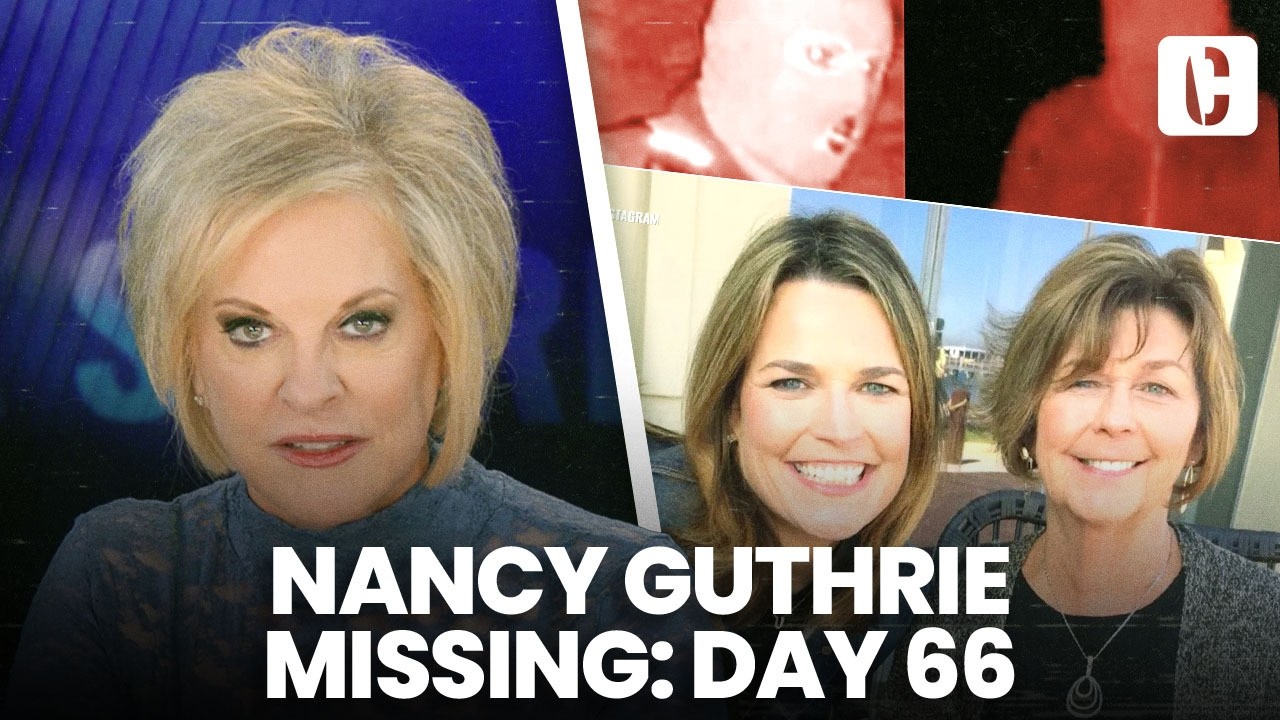
SAVANNAH GUTHRIE'S MOM MISSING: DAY 66
"On day 66 of Nancy Guthrie's disappearance, investigators grapple with two distinct sets of Bitcoin ransom notes, digital tracing challenges, and potential physical evidence like shoe coverings, as new, dubious claims emerge from a 'hyena' seeking payment for information."

GABRIELLE, 10, LAST SEEN NEAR MALL: WHERE’S GABBY?
"A 10-year-old girl, Gabrielle Terolong, has been missing since June 2025, with her mother, Pasha Davis, refusing to cooperate with authorities or the child's father, despite being incarcerated for child neglect and providing false information."

True-crime cases with recent developments | 48 Hours Full Episodes
"This episode reconstructs four complex true-crime cases, detailing the harrowing searches for missing persons, the challenges of prosecuting murders without bodies, and the enduring quest for justice in cold cases spanning decades."

Nancy Guthrie Investigation Mess, Shock Lawsuit Against "The Tell" Author, Kouri Richins Bombshells
"Megyn Kelly and her legal panel dissect a bombshell lawsuit against author Amy Griffin for allegedly stealing a sexual assault story, the ongoing Kouri Richins murder trial involving fentanyl poisoning, and a harrowing IVF clinic mix-up where parents received the wrong baby."