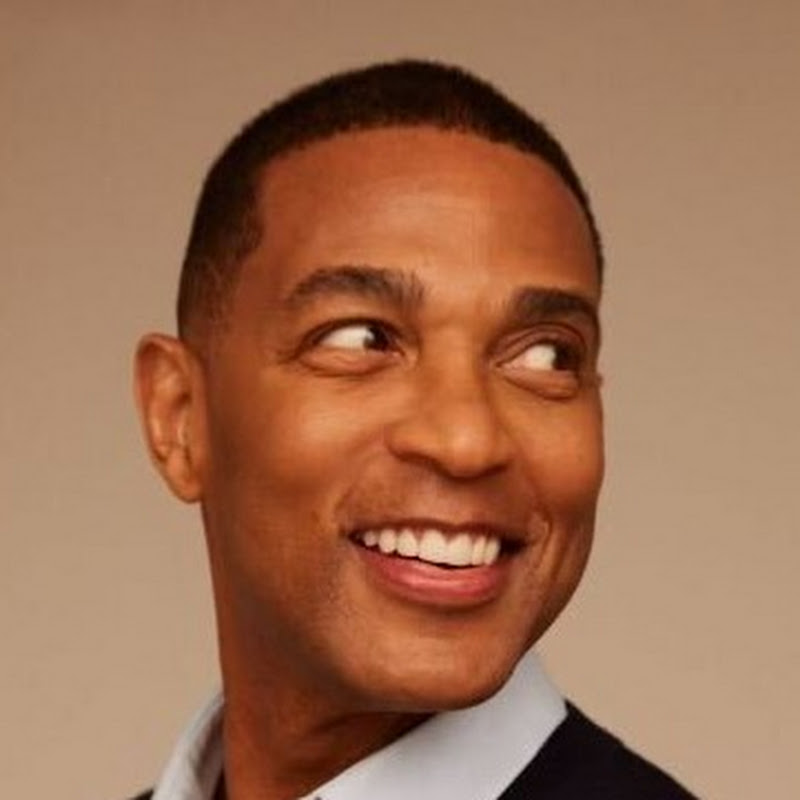
Lemon LIVE at 5 | Could Athlete Activism Fight MAGA Redistricting?
YouTube · CzAeOKocBTQ
Quick Read
Summary
Takeaways
- ❖Former President Trump is criticized for allegedly stating he doesn't think about Americans' financial situations while requesting trillions for defense.
- ❖The war has cost nearly $29 billion, with a request for $1.5 trillion for the next fiscal year, amidst rising inflation and public concern about the economy.
- ❖A proposal suggests black athletes boycott SEC schools in response to gerrymandering and the gutting of voting rights in Southern states.
- ❖Concerns exist about asking young athletes to sacrifice significant opportunities (NIL deals, NFL prospects) given the under-resourcing of HBCUs and lack of collective support.
- ❖Historically, Southern schools integrated black athletes only when they started losing, suggesting financial pressure can drive change.
- ❖The boycott strategy aims to hit states where it hurts financially, impacting the entire sports ecosystem from stadiums to local businesses.
- ❖Effective action requires collective effort from current and former athletes, coaches, boosters, and white allies, not just individual sacrifice.
Insights
1Trump's Alleged Disregard for American Finances Amidst War Spending
Don Lemon highlights former President Trump's alleged statement about not considering Americans' financial situations, even as his administration requested $1.5 trillion for the defense budget and had already spent $29 billion on a war. This is framed as a critical disconnect between national security priorities and the economic well-being of citizens, especially with rising inflation and a projected recession.
A reporter asked the president, 'To what extent are Americans financial situations motivating you to make a deal?' The president allegedly responded, 'I don't think about American financial situation. I don't think about anybody. I think about one thing: that Iran won't get a nuclear weapon.' The war has now cost nearly $29 billion, with a request for $1.5 trillion for the next fiscal year.
2Athlete Boycott as a Response to Voting Rights Suppression
The central idea proposed is for black athletes to boycott SEC (Southeastern Conference) schools in response to aggressive gerrymandering and the erosion of black voting rights in Southern states. The argument is that these states profit immensely from black athletic talent while simultaneously undermining black political power, and hitting them financially through sports could force political change.
Myron J. Clifton floated the idea that 'black athletes should stop going to these SEC southern schools because that's where it's happening.' Don Lemon states, 'If anything is going to make the white people in Louisiana care more about black representation and civil rights, it's taking something away from their LSU sports teams.'
3Challenges and Nuances of Athlete Sacrifice
Guests like Jamal Hill and Representative Justin Pearson raise valid concerns about asking young athletes to make immense personal sacrifices. They point out that HBCUs often lack the resources to offer comparable NIL (Name, Image, and Likeness) deals or provide the same visibility for NFL drafts, potentially jeopardizing athletes' professional careers and generational wealth opportunities. They argue for collective action rather than placing the burden solely on young individuals.
Jamal Hill states, 'We're asking these young people to sacrifice opportunities for the sake of I understand a very important wider cause.' She notes that in the past NFL draft, 'not one single player from an H.B.C.U. was drafted.' Representative Pearson adds, 'Telling poor kids in particular not to take access to opportunities that could actually lift their family out of poverty. I don't think that's the solution.'
4Historical Precedent for Sports-Driven Political Change
The panel references historical instances where athletic pressure led to political change. A notable example is a top recruit threatening to boycott a Mississippi school, which contributed to the state changing its Confederate-flag-inclusive state flag. This suggests that even a few high-profile athletes can create significant financial and political consequences.
Representative Pearson recounts, 'One of the top prospects for a school in Mississippi said that he would not play as long as the Confederate flag was a part of the state flag. And the next day, Mississippi actually changed their state flag because they knew the consequences for that financially.'
Bottom Line
Politicians could leverage NIL (Name, Image, and Likeness) money as a 'carrot' to engage young black athletes in political activism.
By highlighting how Republican policies might restrict athletes' ability to earn money from their NIL, politicians can create a direct, personal stake for athletes in the political process, motivating them to vote and advocate against those policies.
Democratic parties or advocacy groups in affected states could develop campaigns specifically targeting college athletes, educating them on the economic impact of political decisions on their NIL rights and connecting it to broader voting rights issues.
Lessons
- Current and former athletes, coaches, and boosters should publicly and privately withdraw financial and promotional support from universities in states actively suppressing black voting rights.
- Organize voter registration drives and educational campaigns at college sporting events, especially in SEC territories, to inform fans and athletes about the stakes.
- Advocate for collective action, ensuring that young athletes who choose to boycott or protest receive robust support from established figures, celebrities, and political leaders to mitigate personal sacrifice.
- Engage white allies in the sports community (athletes, fans, administrators) to speak out and participate in boycotts, emphasizing that voting rights erosion affects the entire democratic fabric.
SEC Athlete Boycott Strategy to Combat Voting Rights Suppression
Identify key states and SEC universities where voting rights suppression and gerrymandering are most egregious.
Mobilize a coalition of current and former black athletes, coaches, and boosters to commit to a coordinated boycott or protest action.
Actions can include top recruits de-committing from targeted schools, current players transferring or staging game-day protests (e.g., delaying game starts), and former players/boosters withholding donations and promotional support.
Simultaneously launch public awareness campaigns explaining the boycott's rationale, highlighting the financial dependence of SEC schools on black talent versus the political disenfranchisement in their states.
Secure commitments from political figures, media personalities, and civil rights organizations to provide financial, legal, and public relations support to boycotting athletes, ensuring their sacrifices are recognized and protected.
Integrate voter registration and education efforts at sporting events to convert public attention into increased political participation, especially among young voters.
Notable Moments
The host recounts the exchange between Senator Chris Van Hollen and Cash Patel during a hearing, where Patel deflected questions about his alleged misconduct by accusing the Senator of drinking margaritas with a 'gangbanging rapist,' which was later debunked as a misrepresentation of a meeting with a wrongly deported immigrant.
This moment exemplifies the political strategy of deflection and personal attack used by some officials to avoid accountability during congressional hearings, highlighting a breakdown in constructive dialogue and truth-seeking.
Representative Justin Pearson shares the story of a top recruit's threat to boycott a Mississippi school, which led to the state changing its Confederate-flag-inclusive state flag.
This provides a powerful historical precedent, demonstrating that athlete activism can indeed yield significant political and social change by impacting the financial and cultural priorities of a state.
Quotes
"I don't think about American financial situation. I don't think about anybody. I think about one thing."
"We're asking these young people to sacrifice opportunities for the sake of I understand a very important wider cause that yes, SEC football is a it is a it's a nerve center."
"Telling poor kids in particular not to take access to opportunities that could actually lift their family out of poverty. I don't think that's the solution."
"If anything is going to make the white people in Louisiana care more about black representation and civil rights, it's taking something away from their LSU sports teams."
"You cannot cash the check black athletes write every Saturday and then wipe out their communities political representation every Tuesday."
Q&A
Recent Questions
Related Episodes

All Roads Lead To the South: Nat’l Day Of Action For Voting Rights | Mass Rally | Montgomery, AL
"A mass rally in Montgomery, Alabama, ignites 'Freedom Summer 2026' to combat the Supreme Court's decimation of Black political power and demand unprecedented voter mobilization across the South."

Trump RUSHES Election Scheme as Midterms HAUNT HIM
"The hosts and guest expose the SAVE Act as a deceptive voter suppression tactic, drawing a stark contrast between the protection of gun rights and the erosion of voting rights."
NC Mom Sues Hospital For Negligence. Black NFL Coaches Win Major Ruling. Drug Test Scandal Exposed
"This episode exposes systemic failures and racial disparities across healthcare, professional sports, and politics, featuring a mother's harrowing hospital negligence lawsuit, a landmark NFL discrimination ruling, and alarming findings on flawed drug tests criminalizing new mothers."
Don Lemon, Georgia Fort Arrested Over Church Protest. Press Freedom on the Line Under Trump.
"The Trump administration's arrest of journalists Don Lemon and Georgia Fort for covering a church protest is framed as a direct assault on press freedom and a calculated distraction from the release of damaging Epstein files."