Will Nancy Guthrie’s abductor strike again? Retired FBI special agent thinks it’s likely - day 40
YouTube · DBLAfc10Al4
Quick Read
Summary
Takeaways
- ❖The abductor is likely to reoffend, especially if the motive was not a failed ransom.
- ❖No one has come forward for the $1 million reward because those with knowledge are likely culpable.
- ❖Annie Guthrie's car remains unreturned because parts may have been sent to Quantico for forensic analysis, and due to bureaucratic delays.
- ❖Early in the investigation, a communication breakdown between the sheriff's office and the FBI led to confusion over legitimate agents.
- ❖Law enforcement often prefers less media attention to focus on the case without political pressure or managing useless leads.
- ❖The perpetrator is likely closely monitoring all media coverage to anticipate investigative actions.
Insights
1High Likelihood of Reoffending by Abductor
Retired FBI agent Steve Moore believes the person responsible for Nancy Guthrie's disappearance is highly likely to reoffend. He posits that if the motive was not a failed ransom kidnapping (which would deter them due to immense effort for no gain), but rather driven by money needs, deviance, or randomness, those underlying drivers will recur. The abductor's success in evading capture reinforces their belief they can act again.
Moore states, 'If it's not a kidnapping, the things that drove them to this crime will recur... if they needed money, they'll need money again. If they are deviant in any way, shape or form, they're still going to be deviant after not being caught.' He adds that the least chance of recurrence is if it was a kidnapping because 'it didn't work.'
2Inter-Agency Communication Breakdown and 'Fake FBI' Incident
Early in the investigation, a significant communication breakdown occurred between the local sheriff's office and the FBI. This was highlighted by an incident where legitimate FBI agents, who were not from the local Tucson office, were mistaken for imposters by a neighbor. This led to the sheriff's department and local FBI agents spending four hours conducting a crime scene investigation at the neighbor's house, only to later confirm the initial agents were real, wasting critical resources.
The host recounts a neighbor's story where two individuals identifying as FBI agents visited her house. After she reported them as suspicious, the sheriff's office and FBI spent four hours investigating her house, taking fingerprints and DNA, before confirming the initial agents were legitimate. Moore attributes this to the influx of agents from outside Tucson and a lack of notification to the local command post, exacerbated by reported friction between the sheriff and the FBI.
3Reasons for Delay in Returning Annie Guthrie's Car
Annie Guthrie's car, towed early in the investigation, has not been returned despite the family being cleared as suspects. This delay is likely due to forensic analysis processes. FBI policy dictates sending entire units (e.g., a car seat or carpet section with a blood stain) to the lab in Quantico, Virginia, rather than cutting out small samples. The car may be partially disassembled, with components undergoing extensive testing, and its release requires authorization from the United States Attorney's Office, adding bureaucratic layers.
Moore explains, 'It is very possible that large portions or large pieces of the car went to Quantico.' He notes that 'the middle name of FBI is bureaucracy' and that evidence cannot be released until the U.S. Attorney's Office authorizes it for trial purposes.
4Law Enforcement's Preference for Less Media Attention
Law enforcement agencies, particularly the FBI, often prefer less media coverage on ongoing investigations. While public awareness can generate leads, it also creates significant work managing press inquiries, political pressure, and sifting through a high volume of largely useless tips. A quieter investigation allows agents to focus more intently on the case without external distractions.
Moore states, 'I know it's true of agents, they don't want it in the press. I mean, it's so much easier and so much less work to investigate a case that nobody's really looking at from the outside.' He adds that 'a lot of case time is spent managing press, managing public questions' and dealing with 'tens of thousands of leads pouring in, 99% of which are going to be by definition useless.'
Bottom Line
The perpetrator of a high-profile crime is likely a 'voracious' consumer of all media coverage related to their case.
This media consumption is not merely for curiosity; it serves as an intelligence gathering operation for the criminal, allowing them to understand law enforcement's focus, public perception, and anticipate investigative moves.
Law enforcement could potentially use carefully crafted media releases to disseminate information that misdirects or subtly pressures the perpetrator, knowing they are monitoring. However, this carries ethical and practical risks.
The question 'Do you have a pacemaker?' asked by FBI agents during an early interview, despite its unusual nature, points to specific, undisclosed intelligence being pursued.
This suggests law enforcement had information, however obscure, about a potential tracking method or a medical detail relevant to the victim or perpetrator, which was not widely known or understood by the interviewing agents themselves.
This highlights the highly compartmentalized nature of intelligence gathering in major cases, where field agents execute specific tasks without full context, based on directives from a central command with a broader, but often opaque, understanding of the case.
Key Concepts
Bureaucratic Inertia
Large organizations like the FBI, despite their efficiency in some areas, are subject to bureaucratic processes that can slow down operations, such as returning evidence or coordinating with other agencies. This 'bureau' aspect can lead to delays and miscommunications, even in critical investigations.
Perpetrator's Media Consumption
Criminals in high-profile cases often avidly follow media coverage of their crimes. This isn't just for ego; it provides them with insights into law enforcement's investigative focus, public sentiment, and potential weaknesses in the case, allowing them to adapt and anticipate moves.
Lessons
- Always verify the identity of unexpected law enforcement officials by calling their official agency directly, especially if their behavior seems unusual or they are not from a local office.
- Understand that a lack of public updates in a high-profile case might not indicate inaction, but rather a strategic decision by law enforcement to work without external pressures and media management.
- Recognize that inter-agency cooperation is paramount in complex investigations; friction or lack of communication between different law enforcement bodies can severely hinder progress.
Notable Moments
A neighbor's account of two individuals identifying as FBI agents visiting her house, which she reported as suspicious, leading to a four-hour crime scene investigation by local authorities who initially believed them to be imposters, only to later confirm they were legitimate FBI agents.
This incident vividly illustrates the communication breakdown and potential disorganization between the local sheriff's office and the influx of FBI agents early in the Nancy Guthrie investigation, leading to wasted resources and public confusion.
Quotes
"If the bureau knew that, they'd they'd be a long a long way down the road. But I think the reason is most likely the fact that the only people who have knowledge of this are culpable."
"If it's not a kidnapping, the things that drove them to this crime will recur... if they needed money, they'll need money again. If they are deviant in any way, shape or form, they're still going to be deviant after not being caught."
"The middle name of FBI is bureaucracy. It's a bureau and so they have to go through all sorts of hoops. They have to jump through hoops to return it."
"When you have a one agency, a local agency or a federal agency at war with the other... you've already tied one arm behind your back. It's just that simple."
"I think they're they're voracious. Uh uh there's because that's how they're finding out about the case and that's worked a little bit in their favor because they know what the FBI is looking at. They know what the sheriff's department is looking at and um so it it helps them anticipate law enforcement's moves."
Q&A
Recent Questions
Related Episodes

Nancy Guthrie Detective Reveals Chilling New Theory
"Investigators in the Nancy Guthrie disappearance are leveraging cutting-edge genetic genealogy and advanced surveillance tech, revealing new theories about a targeted crime and the suspect's amateur yet elusive tactics."
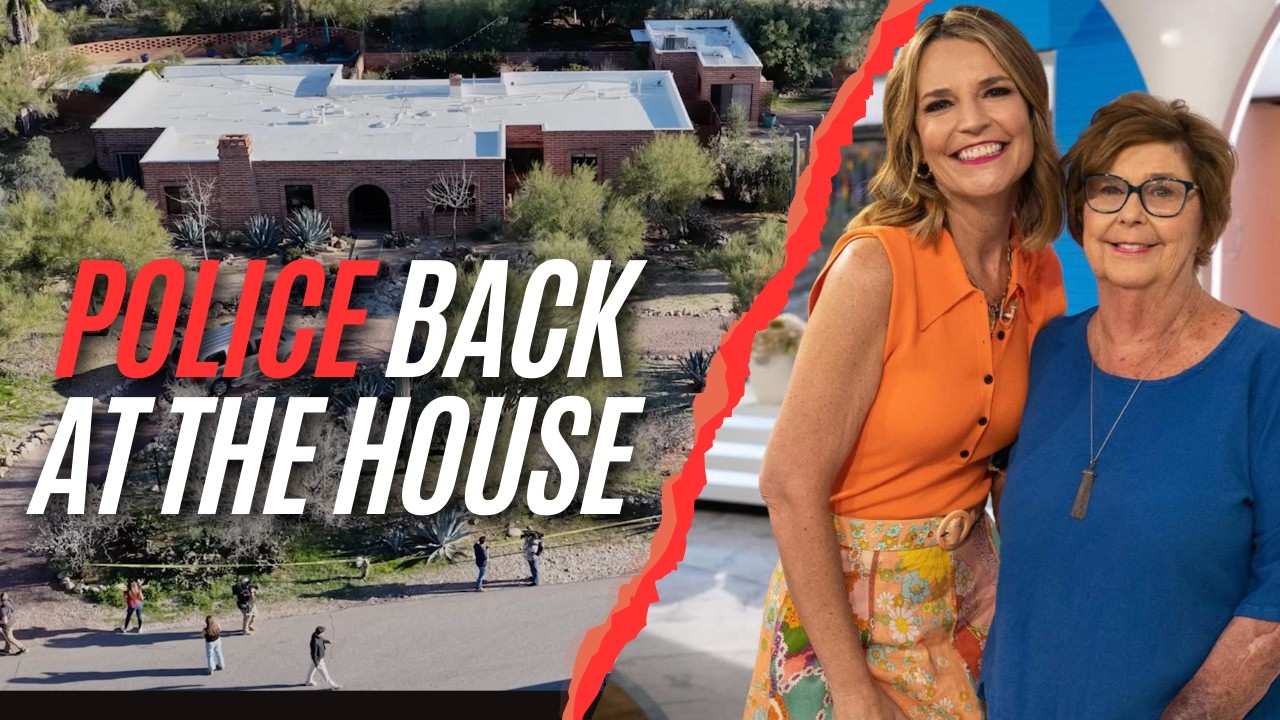
Police back at Nancy Guthrie's house -- what evidence did they take as Savannah pleads with captors
"Federal agents re-entered Nancy Guthrie's home for a targeted search and assisted Savannah Guthrie in crafting a public plea to her mother's alleged captors, revealing critical insights into the ongoing kidnapping investigation."
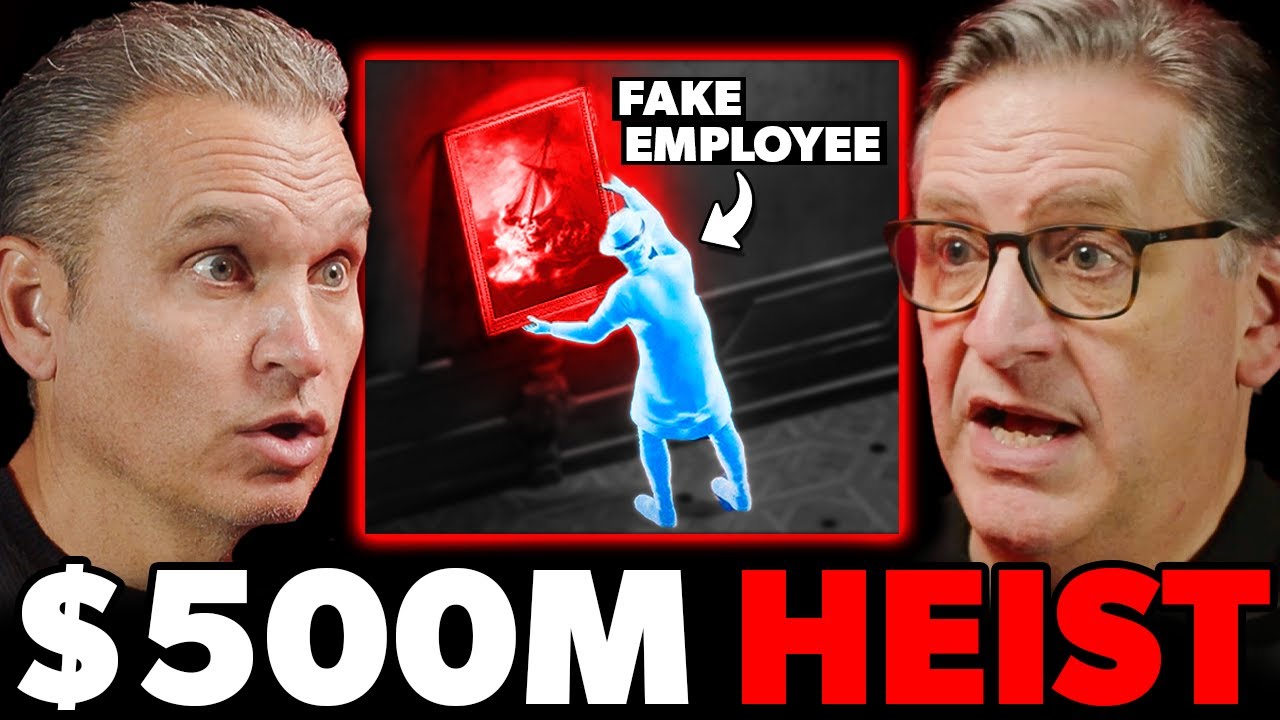
Insider Exposes Secrets Behind the World’s Largest Heist | Gardner Museum Heist
"An art theft investigator reveals the true, often mundane, nature of major art heists, contrasting them with Hollywood myths, and details the infamous Gardner Museum robbery and the unique motivations of legendary thief Miles Connor."
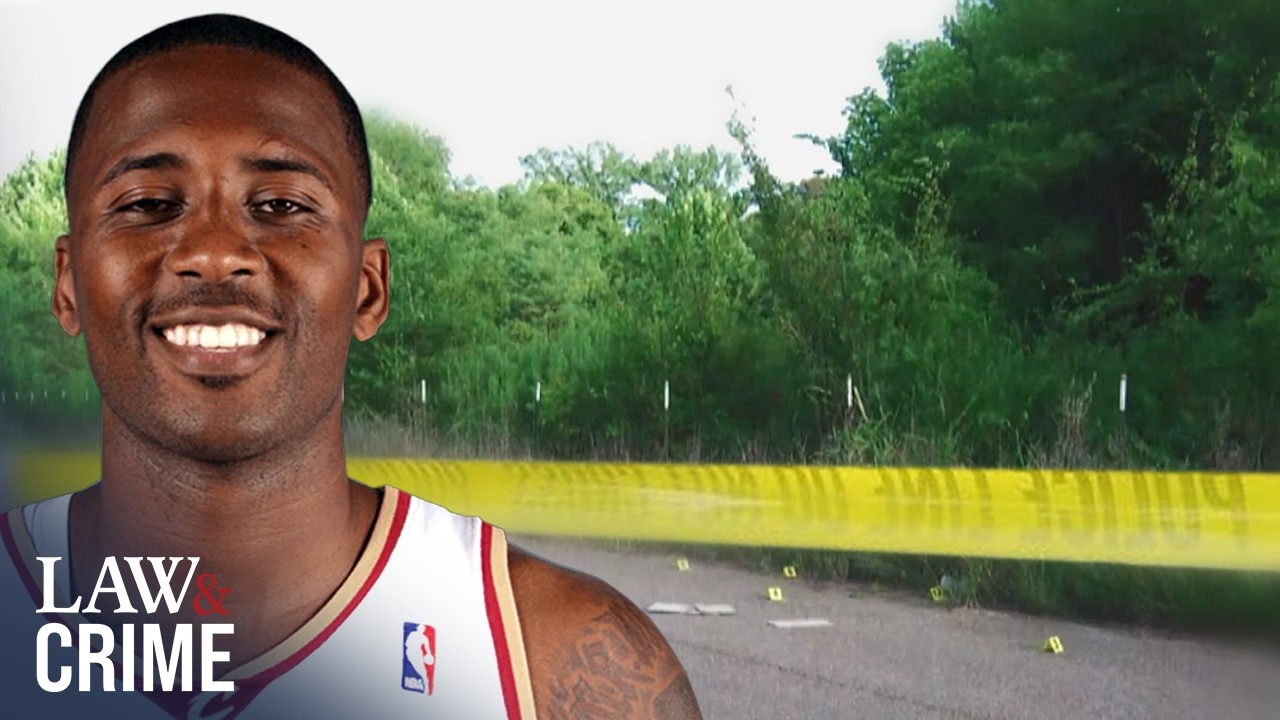
Killer Cases: NBA Star Lured to Execution In Rural Tennessee
"The decade-long cold case of NBA star Lorenzen Wright's murder was cracked through a persistent mother, a jailed informant, and a covert police operation that recovered the murder weapon from a lake and exposed a conspiracy driven by greed."