'RUPTURE': Canada's PM UNLEASHES As Markets PLUMMET
YouTube · DlLOT4hOWUw
Quick Read
Summary
Takeaways
- ❖Mark Carney, a former central banker, delivered a 'seismic speech' declaring a 'rupture' in the international rules-based order, not just a transition.
- ❖Carney acknowledged the previous rules-based order was a 'useful fiction' but now economic integration is being weaponized by great powers.
- ❖The hosts argue Carney laments the end of the 'pretense' of the rules-based order, while Trump is simply being more honest about its inherent power dynamics.
- ❖Trump's administration intervened to lower mortgage rates by having the Treasury buy mortgage-backed securities, but then caused rates to spike again with new tariff threats.
- ❖Ray Dalio stated the 'monetary order is breaking down,' noting central banks are moving away from fiat currencies and debt, evidenced by a surge in gold prices.
- ❖Elite figures like Scott Bessant and Brooke Rollins made comments that highlighted a perceived disconnect from the economic realities faced by average citizens.
Insights
1The 'Rupture' of the Rules-Based Order
Mark Carney, a figure embodying globalization, delivered a speech asserting that the international rules-based order is not merely transitioning but experiencing a 'rupture.' He stated that the 'fiction' of mutual benefit through integration no longer works when integration itself becomes a source of subordination and economic tools are used as weapons.
Carney's speech details how 'great powers have begun using economic integration as weapons, tariffs as leverage, financial infrastructure as coercion, supply chains as vulnerabilities to be exploited.' He concludes, 'This bargain no longer works. We are in the midst of a rupture, not a transition.'
2Trump's Volatile Economic Interventions and Market Impact
Trump's administration made a direct intervention to lower mortgage rates by ordering the Treasury Department to buy mortgage-backed securities, which initially caused rates to drop. However, this progress was immediately undone when Trump announced new tariffs related to Greenland, causing mortgage rates to spike back up and the bond market to crash, wasting billions in taxpayer money.
On January 9th, Trump ordered the Treasury to buy MBS, leading to a 'collapse in mortgage rates.' Soon after, 'mortgage rates jumped 14 basis points to an average of 6.21% on Tuesday morning' following Trump's tariff threats, undoing the previous intervention.
3The Monetary Order is Breaking Down
Ray Dalio, founder of Bridgewater Associates, observed that the global monetary order is breaking down. He highlighted a shift where central banks are no longer holding fiat currencies and debt as reliable stores of wealth in the same way, leading to 'capital wars' and a significant increase in gold buying.
Dalio stated, 'the monetary order is breaking down... fiat currencies as and and debt as a storehold of wealth is not being held by central banks in the same way.' He noted, 'The biggest market to move last year was the gold market far better than the tech markets.'
4Elite Disconnect from Economic Reality
The episode highlights a perceived profound disconnect between global elites and the economic struggles of average people. Examples include a financier suggesting 'mom and pop' might own '5, 10, 12 homes' and a cabinet member claiming one can survive on $15.64 a day for three meals and a snack, while simultaneously cutting food stamps.
Scott Bessant, when discussing protecting 'mom and pop' investors, stated, 'your parents for their retirement have bought 5, 10, 12 homes.' Brooke Rollins, a cabinet member, claimed, 'A full day meaning three full square meals and a snack is about $15.64.'
Bottom Line
The US chose this moment to accelerate its departure from global hegemony, potentially before it is industrially prepared for such a shift.
This self-inflicted timing of de-globalization, without prior re-industrialization, could leave the US economically vulnerable and destabilize global trade relationships, making the transition more chaotic and costly.
Nations and businesses should anticipate continued US economic unpredictability and diversify supply chains, investment strategies, and diplomatic alliances to mitigate risks associated with an unready hegemon.
The 'lie' of the rules-based international order, though a fiction, provided a 'restraining ability' and a hope for future reality, which is now lost.
The collapse of this pretense removes a psychological and diplomatic buffer, potentially leading to more overt and aggressive nationalistic economic policies and direct confrontation, as nations no longer feel compelled to adhere to a shared, albeit flawed, ideal.
Businesses and policymakers must prepare for a more transactional and less predictable international environment, prioritizing resilience and self-sufficiency over optimized global integration, and seeking new frameworks for cooperation among like-minded nations.
Lessons
- Monitor global financial markets closely for signs of capital flight from fiat currencies and debt into alternative assets like gold, as central banks adjust their holdings.
- Evaluate investment portfolios for exposure to US dollar-denominated debt and consider diversification strategies given the stated 'monetary order breaking down' and 'capital wars'.
- Stay informed on shifting international trade policies and geopolitical tensions, as these directly impact market stability, supply chains, and consumer costs, particularly in real estate and essential goods.
Notable Moments
Mark Carney's 'seismic speech' at Davos declaring a 'rupture' in the international order.
This statement from a prominent globalist signals a fundamental shift in how even establishment figures view the global system, moving beyond mere 'transition' to a complete breakdown of previous norms.
Trump's policy oscillation: intervening to lower mortgage rates, then immediately causing them to spike with new tariffs.
This demonstrates the direct and immediate impact of US policy decisions on domestic markets and the financial well-being of citizens, highlighting policy incoherence and its economic cost.
Ray Dalio's assertion that the 'monetary order is breaking down' and central banks are moving to gold.
This indicates a significant, underlying shift in global financial architecture and trust in traditional fiat currencies, with implications for inflation, asset values, and international economic power dynamics.
Quotes
"We are in the midst of a rupture, not a transition."
"You cannot live within the lie of mutual benefit through integration when integration becomes the source of your subordination."
"Denmark's investment in US Treasury bonds, like Denmark itself, is irrelevant."
"A full day meaning three full square meals and a snack is about $15.64."
Q&A
Recent Questions
Related Episodes
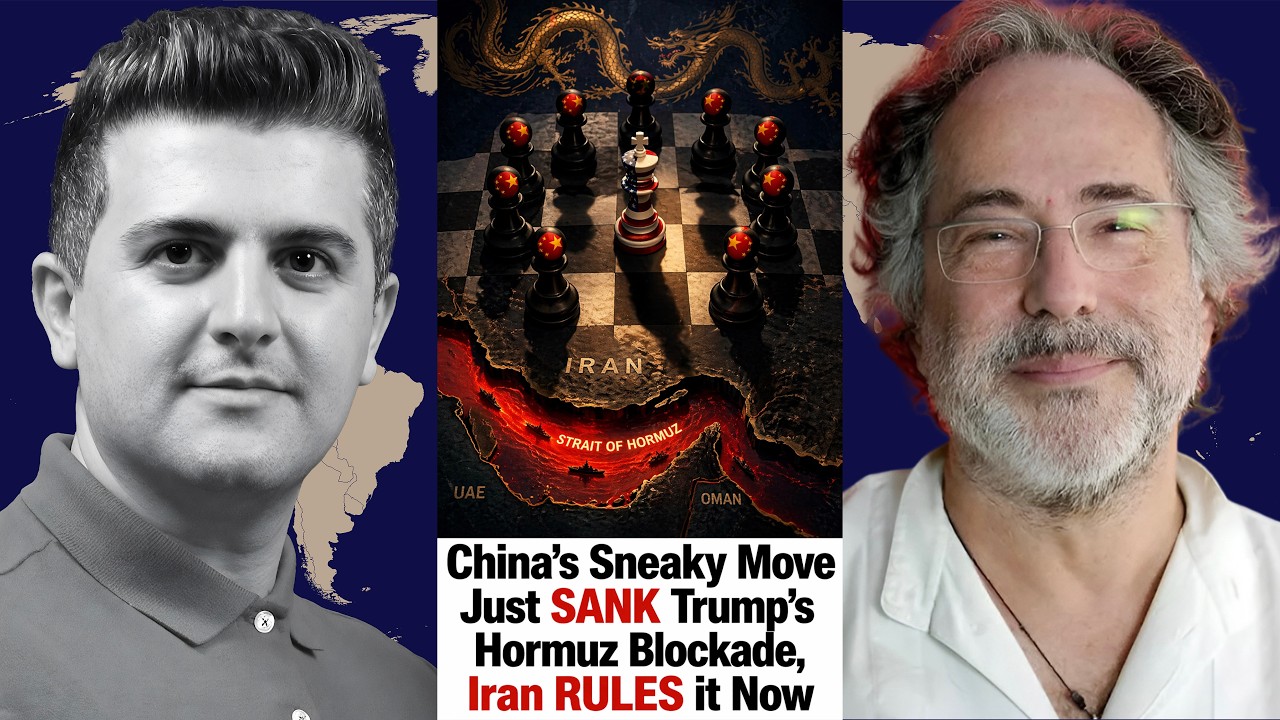
Pepe Escobar: “Total Failure”: Trump’s Blockade Just Backfired Disastrously
"Pepe Escobar argues that the US blockade against Iran, spearheaded by Donald Trump, has utterly failed and backfired, accelerating global economic chaos and challenging US geopolitical dominance."
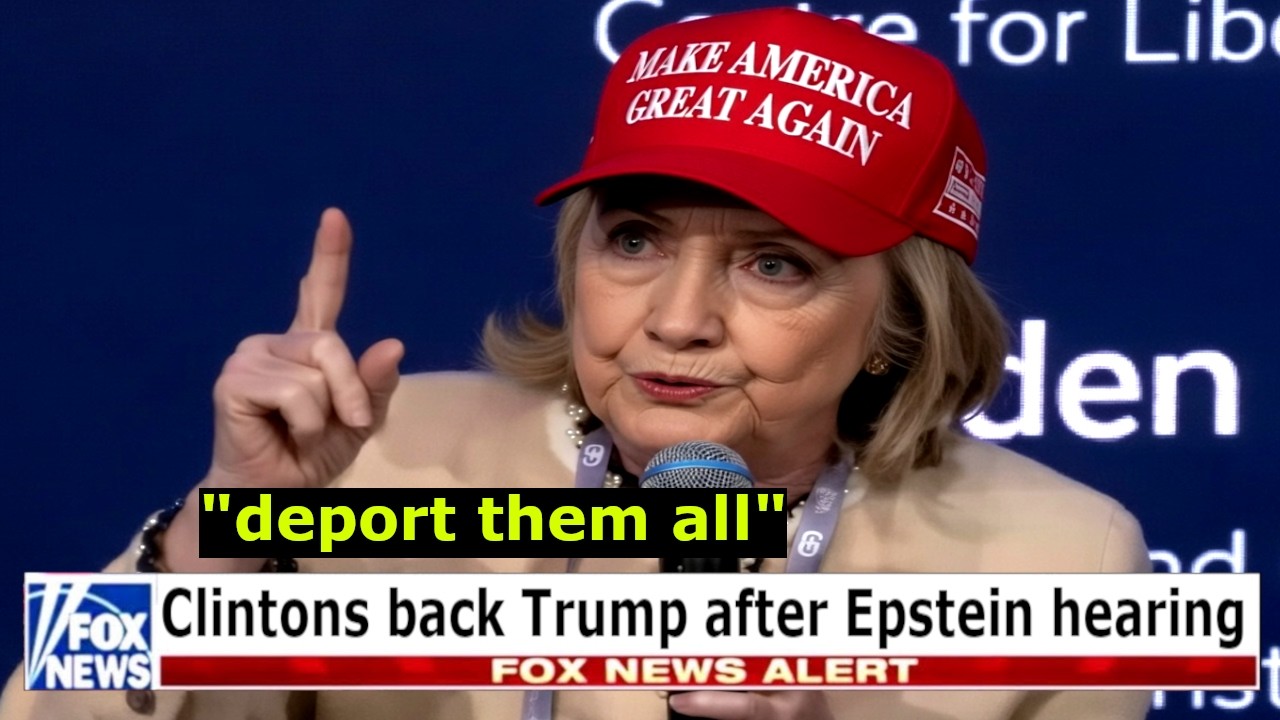
🚨 WTF!! NO ONE F*CKING SAW THIS COMING.. 😂😂😂
"The host reacts with shock and strong opinions to Hillary Clinton's unexpected stance on deportation, AOC's perceived incompetence, and Marco Rubio's 'diabolical' speech advocating for national sovereignty and Western civilization."

Mamdani CELEBRATES NYC Rent Freeze, This Will DESTROY The City | Timcast IRL
"New York City's rent freeze, celebrated by Mandami, is framed as a socialist 'land grab' that will devastate the city's housing market and economy, while a FIFA Pride Match in Seattle sparks outrage from conservative nations."

BREAKING: Iran Threatens To END Talks; U.S. Vows Retaliation; Hezbollah Collapsing? | TBN Israel
"Iran is leveraging Hezbollah and the Strait of Hormuz to manipulate US negotiations, while Israel asserts its right to dismantle Hezbollah's eroding but still dangerous infrastructure in Lebanon, independent of international talks."