BREAKING: U.S. Marines Attack & CAPTURE Iranian Ship; Mossad THWARTS Terror Plot | TBN Israel
YouTube · GFm3m7o4d1g
Quick Read
Summary
Takeaways
- ❖US Marines executed a direct operational interception of the Iranian cargo ship 'Tuska' in the Strait of Hormuz, suspected of transporting weapons of mass destruction components.
- ❖The 'Tuska' was identified as a vessel linked to Iran's WMD program and had been under sanctions for years, not just an ordinary oil tanker.
- ❖Iran maintains a 'shadow fleet' that uses deceptive practices like broadcasting false data, jamming locations, and changing identities to evade maritime tracking and sanctions.
- ❖Israel's Mossad, IDF, and Shin Bet exposed Iran's 'Unit 4000' terror network, responsible for covert operations against Israeli and Western targets globally.
- ❖The exposed terror plots included targeting the BTC oil pipeline, Israeli embassies, synagogues, and American air bases using explosive drones.
- ❖Iran views the US naval blockade as a clear violation of the ceasefire and a betrayal of diplomacy, hardening its position in ongoing negotiations.
- ❖Iranian negotiation tactics involve creating PR noise, issuing conflicting information, and drawing out talks to outmaneuver Western countries and ensure regime survival.
- ❖Iran is actively studying the Ukraine battlefield to upgrade its military capabilities, focusing on drone warfare, flexible units, AI, nanotechnology, and quantum systems.
- ❖Hezbollah fired on UNIFIL forces during the ceasefire in southern Lebanon, killing one member and wounding three, highlighting the fragility of regional arrangements.
- ❖Global energy markets are experiencing volatility due to the threat to navigation and supply chain uncertainty caused by the escalating conflict.
Insights
1US Seizes Iranian Cargo Ship 'Tuska' Carrying WMD Components
US Marine commandos, dropped from helicopters, seized the Iranian cargo ship 'Tuska' in the Strait of Hormuz after it ignored warnings. The ship, nearly 900 feet long, was identified as being connected to Iran's weapons of mass destruction program and ballistic missile components, having been under sanctions for years. This was not an ordinary oil tanker but a vessel specifically designed for illicit cargo, marking a direct operational interception by the US Navy.
American commando teams launched a crazy operation. The United States attacked and seized a tanker that according to the sources arrived from North Korea and apparently has full of weapons of mass destruction and other materials on its way to the revolutionary guards in Iran. () ... the Tuska is a ship connected to Iran's weapons of mass destruction and the weapons program. () ... it is not suited for carrying oil at all. And for years, it has been under sanctions related to the spreading of weapons of mass destructions. ()
2Mossad Exposes Iran's Global Terror Network 'Unit 4000'
A joint operation by the Mossad, IDF, and Shin Bet exposed Iran's Revolutionary Guards' covert attack network, 'Unit 4000,' led by Rahman Mugadam. This unit is responsible for terror operations outside Iran against Israeli and Western targets, including attempts to smuggle advanced weapons. The exposure detailed foiled plots to strike the BTC oil pipeline in Georgia/Turkey, the Israeli embassy and synagogues in Baku, and American air bases in Turkey and Cyprus, using explosive drones and other means. Key operatives within this network, including Majid Kadami and Mushian Suri, were eliminated.
the Mossad revealed that Iran's secret terror mechanism for targeting senior Israeli officials in Azar Van. A terror cell was foiled that plan to strike the embassy and the synagogues in the country using explosive drones. () ... the head of the network was Rahman Mugadam, who also serves as a chief of the unit 4,000 in the revolutionary guards intelligence organization. () ... Above him stood Majid Kadami, the head of Iran's intelligence organization, who was also eliminated during the campaign. ()
3Iran's 'Shadow Fleet' Evades Blockades with Advanced Deception
Iran operates a sophisticated 'shadow fleet' that employs various deceptive practices to bypass international blockades and sanctions. These methods include broadcasting false data, jamming location signals, changing ship identities, and reporting false cargo loading ports to disappear from digital tracking systems like AIS. Civilian tracking companies now use multi-layered detection, combining satellite imagery, electro-optical sensors, infrared radar, radio frequency collection, Bluetooth, Wi-Fi, GPS, and even mobile device presence to track these elusive vessels.
Most of the ships that Iran operates under the blockade are shadow tankers that smuggle oil while broadcasting false data and disappearing from the radars. () ... More than half of the ships that passed through the straight of Hormuz disappeared completely at least once. () ... They assemble a picture from satellite imagery, electrooptical sensors, infrared, infrared radar, radio frequency collection, Bluetooth, Wi-Fi, GPS, ship registry, databases, and at times even patterns of human presence from mobile devices active on board. ()
4Iran Studies Ukraine War to Upgrade Future Warfare
A review of over 300 international military journals indicates that the Iranian military is meticulously studying the battlefield in Ukraine. This analysis is aimed at understanding and integrating modern warfare tactics and technologies into its future military doctrine. Key areas of interest include drone warfare, smaller and more flexible maneuvering units, and the incorporation of advanced technologies such as artificial intelligence, nanotechnology, and quantum systems into future weapons.
A review based on more than 300 articles that were published in international military journals. These suggest that the Iranian military is studying the battlefield in Ukraine with great care. () ... Yan sees major value in drone warfare, in smaller and more flexible maneuvering units, and in combating technologies like artificial intelligence, nanotechnology, and quantum systems into future weapons. ()
Bottom Line
The technological arms race in maritime surveillance is intensifying, with Iran developing sophisticated methods to create 'shadow fleets' and the West countering with multi-layered, AI-driven tracking systems that integrate diverse data sources beyond traditional AIS.
This signifies a critical shift in naval intelligence, moving beyond simple transponder data to complex data fusion. Companies and governments involved in maritime security or logistics must invest heavily in advanced analytics and sensor integration to maintain situational awareness against increasingly deceptive actors.
Development of next-generation maritime intelligence platforms that can correlate disparate data points (satellite, RF, mobile device presence, AI pattern recognition) to predict and expose illicit shipping activities, offering a competitive advantage in defense, trade, and insurance sectors.
Iran's strategic study of the Ukraine conflict for military modernization, particularly in drone warfare and AI, indicates a proactive approach to evolving its 'axis of evil' capabilities despite current pressures.
This suggests that even under sanctions and military pressure, Iran is not merely defending but actively adapting and preparing for future conflicts with advanced tactics. This makes long-term containment strategies more complex and necessitates continuous monitoring of Iran's military doctrine and technological acquisitions.
Intelligence agencies and defense contractors should prioritize developing counter-drone technologies and AI-driven defensive systems, as well as predictive models for Iran's military adaptations, to preempt future threats and maintain a technological edge.
Key Concepts
Iranian Negotiation Tactics
Iran's negotiation strategy is characterized by a 'long game' approach, aiming to minimize damage, draw out conversations, and create 'PR noise' with conflicting information. This tactic seeks to exhaust or divert the attention of Western opponents, who operate on shorter political cycles, ultimately aiming for a 'toothless' deal that ensures regime survival rather than genuine concessions. The US, under the Trump administration, appears to have recognized and begun countering these tactics by demonstrating a willingness to disengage from non-productive talks and enforce stated red lines.
Multi-Domain Warfare
The conflict with Iran is not confined to a single domain (e.g., naval, diplomatic, or conventional military). It encompasses maritime interdiction, global covert terror operations, cyber warfare (e.g., jamming, false data), and diplomatic maneuvering. Iran seeks to open 'many small valves' of friction across these domains simultaneously, while the US and Israel aim to systematically dismantle Iran's operational architecture in each domain, from tracking shadow fleets technologically to eliminating terror network leadership.
Lessons
- Monitor global energy markets and shipping routes, particularly the Strait of Hormuz, for increased volatility and disruptions due to escalating US-Iran tensions and Iran's 'shadow fleet' activities.
- Assess and bolster cybersecurity and physical security measures for critical infrastructure, diplomatic missions, and Jewish community sites, especially in regions identified as targets by Iran's exposed terror networks.
- Stay informed on the evolving diplomatic landscape between the US and Iran, recognizing Iran's negotiation tactics of delay and obfuscation, to anticipate potential shifts in regional stability and international policy.
Notable Moments
US Marine commandos fast-roped from helicopters onto the deck of the Iranian cargo ship 'Tuska' after a precise strike disabled its engine room, taking the vessel into American custody.
This marked a direct, forceful operational interception by the US, signaling a significant escalation in enforcing the naval blockade against Iran and moving beyond mere tracking to active interdiction of suspected illicit shipments.
Quotes
"The US warned first. The US set very clear rules of what's going to happen to the Iranian forces. The Iranians on and contrary to that when ships travel through the straight of Humus with the permission the knowledge and the approval of the Iranian regime they still opened fire on those very ships which is a completely different situation than what the US is doing."
"The Iranians have never before lost in a negotiation against the West. And this is something important to remember as we try to decipher what they're actually trying to do here."
"If your enemy is one who's willing to harm civilians wherever they are in the world, if your enemy is such that's willing to pay the most evil of people, wherever they are, whatever ethnicity, whatever ideology they carry to harm you and your loved ones around the world, what should you do to stop them?"
"If you choke us, you do not get only an Iranian crisis. You get risk to every shipping lane, every fuel place, every supply chain."
Q&A
Recent Questions
Related Episodes

BREAKING: Iran Threatens To END Talks; U.S. Vows Retaliation; Hezbollah Collapsing? | TBN Israel
"Iran is leveraging Hezbollah and the Strait of Hormuz to manipulate US negotiations, while Israel asserts its right to dismantle Hezbollah's eroding but still dangerous infrastructure in Lebanon, independent of international talks."

🚨 THEY F*CKED AROUND FOR THE LAST TIME 😭😭😭
"This episode unleashes a torrent of highly opinionated commentary on the US-Iran deal, Israel's role, and a scathing critique of 'leftist' policies and immigration, particularly highlighting the UK grooming gang report as evidence of Western societal decay."
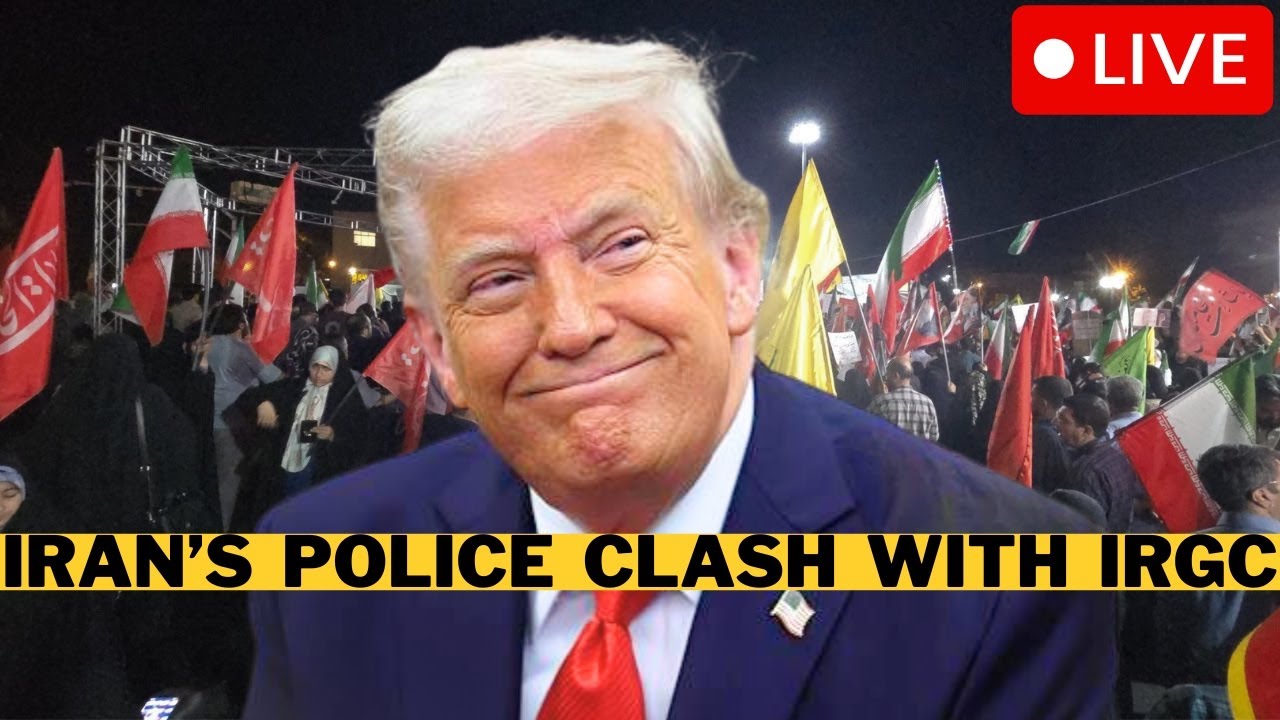
BREAKING: Protests ERUPT In Iran Over IRGC Surrendering To Trump - Infighting Clashes In Tehran
"Iran is experiencing severe internal infighting and protests as hardline IRGC elements clash with government figures over a perceived 'surrender' to the US, while mainstream Western media misrepresents the situation."
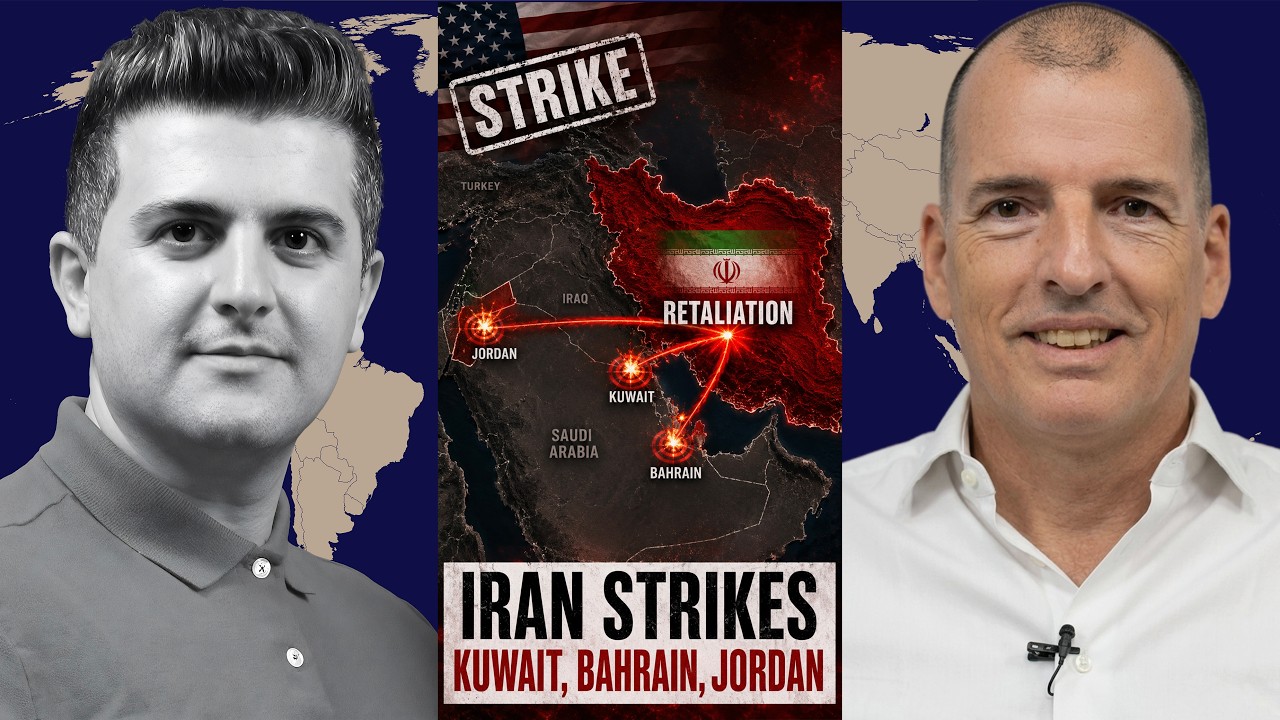
Alex Krainer: US STRIKES Iran – Iran RETALIATES Against Kuwait, Bahrain & Jordan!
"Amidst escalating US-Iran conflict and Iranian retaliation against regional US allies, this episode argues that US foreign policy is deeply controlled by an 'Anglo-Zionist conspiracy' led by the Rothschild banking dynasty, prioritizing Israeli interests over American ones."