
Guthrie Family to Cops: "She Left Her Doors Unlocked" | Nancy Guthrie Missing Update
YouTube · GwzPKewjSiw
Quick Read
Summary
Takeaways
- ❖Nancy Guthrie's family informed police she routinely left her back doors unlocked, altering the investigative focus.
- ❖This suggests an "opportunity narrative" where the perpetrator exploited a known vulnerability, potentially a local or observant individual.
- ❖The Guthrie family's public statement explicitly highlights January 11th and January 24th as critical dates for potential casing, despite previous official ambiguity.
- ❖Discrepancies exist between Sheriff Nanos's statements and FBI sources regarding the reliability of surveillance images from these earlier dates.
- ❖Forensic analysis of the home's layout identifies five entry points, with sliders and the garage door being potential points of entry.
- ❖Blood spatter analysis from sources indicates vertical drops, no struggle, and no footprints, suggesting slow movement or being carried out.
- ❖The host theorizes the perpetrator disabled the front camera, entered through a back door, immobilized Nancy, and then brought a car around to exit via the front.
Insights
1Unlocked Back Doors Redefine Offender Profile
Nancy Guthrie's family informed investigators that she frequently left her back doors unlocked. This information shifts the offender profile from someone executing a "sophisticated high-skill breach" to an "opportunity narrative," suggesting a perpetrator who exploited a routine vulnerability. This means investigators are now more likely to consider someone local or observant who noticed this pattern, rather than a perpetrator requiring specialized tools or inside access. This significantly impacts solvability and lead generation.
The Guthrie family has told the local investigators... that Nancy Guthrie frequently left her back doors open, unlocked, which now would make a lot more sense as to how this guy got in so easily. () and More likely somebody local or observant who noticed the pattern of unlocked doors, not necessarily someone with specialized tools or inside access. ()
2Discrepancies in Key Casing Dates
The Guthrie family's public statement, including Savannah Guthrie, explicitly requested the public to recall information from January 11th and January 24th, in addition to the abduction dates (Jan 31st/Feb 1st). This contradicts earlier statements from Sheriff Nanos who downplayed the significance of January 11th, citing Google's retraction of initial surveillance image dating. The host highlights that FBI sources had previously indicated a second image of the intruder (without a backpack or gun) was from January 11th, a detail Nanos dismissed. The family's direct appeal for these dates suggests they hold investigative significance, potentially indicating the perpetrator cased the home.
Savannah Guthrie's statement: Please search your memories, especially around the key timelines of January 31st and the early morning hours of February 1st, as well as the late evening of January 11th. () and Sheriff Nanos maintains it remains unclear if the suspect showed up at Guthri's home prior to the night of her abduction. ()
3House Entry Points and Perpetrator's Plan
Forensic mapping expert Gray Hughes identified five potential entry points to Nancy Guthrie's home: the front door, a garage interior door, a storage room door, a master bedroom slider, and a living room slider. The host theorizes the perpetrator entered through a back door, immobilized Nancy, then disabled the front camera before bringing a car around to exit via the front door to avoid detection. The detailed walkthrough of the house layout, combined with the knowledge of unlocked back doors, suggests the perpetrator chose an entry point based on routine vulnerability. The plan to disable the front camera and use the front door for exit indicates a calculated abduction.
There are five five different entry points. () and I do really suspect that whoever did this had a plan and planned all along to do his deed... and take her out the front to a car that was waiting, but not a car that was waiting before he immobilized her, went back outside and went up that front entrance and did his business with the front camera to make sure that then he could bring her out the front door without that camera catching him, her, and the car that was waiting. ()
Bottom Line
The repeated canvassing of neighbors about January 24th, a week before the abduction, suggests law enforcement has strong indications of prior surveillance or activity by the perpetrator, despite official ambiguity on earlier dates.
This implies a pattern of casing beyond the initially disputed January 11th, reinforcing the "observant offender" profile and the planned nature of the crime.
Investigators should prioritize re-interviewing neighbors about any unusual activity, vehicles, or individuals observed on January 24th, even if seemingly insignificant at the time.
The host's sources describe blood specks inside the home and droplets outside as "straight up and down, no sign of struggle, no footprints in the blood," indicating slow movement or Nancy being carried.
This forensic detail challenges theories of a struggle or rapid escape, reinforcing the idea of a controlled abduction, possibly with Nancy immobilized or unconscious.
Further analysis of blood spatter patterns could refine the sequence of events and the perpetrator's actions, potentially ruling out certain abduction scenarios.
Lessons
- Review personal camera footage, journal notes, text messages, and conversations from January 11th, January 24th, January 31st, and February 1st for any unusual observations related to Nancy Guthrie's neighborhood or individuals.
- Consider if any acquaintances (ex-boyfriends, sons, colleagues) exhibited strange behavior, vanished, or had unexplained absences on or around these dates.
- If you have any information, no matter how small, contact the FBI at 1-800-CALL-FBI, as even seemingly insignificant details could be crucial.
Quotes
"The Guthrie family has told the local investigators... that Nancy Guthrie frequently left her back doors open, unlocked, which now would make a lot more sense as to how this guy got in so easily."
"More likely somebody local or observant who noticed the pattern of unlocked doors, not necessarily someone with specialized tools or inside access."
"We desperately ask this community for renewed attention to our mom's case. Please consult camera footage, journal notes, text messages, observations, or conversations that in retrospect hold significance. No detail is too small. It may be the key."
"I do really suspect that whoever did this had a plan and planned all along to do his deed... and take her out the front to a car that was waiting, but not a car that was waiting before he immobilized her, went back outside and went up that front entrance and did his business with the front camera to make sure that then he could bring her out the front door without that camera catching him, her, and the car that was waiting."
Q&A
Recent Questions
Related Episodes
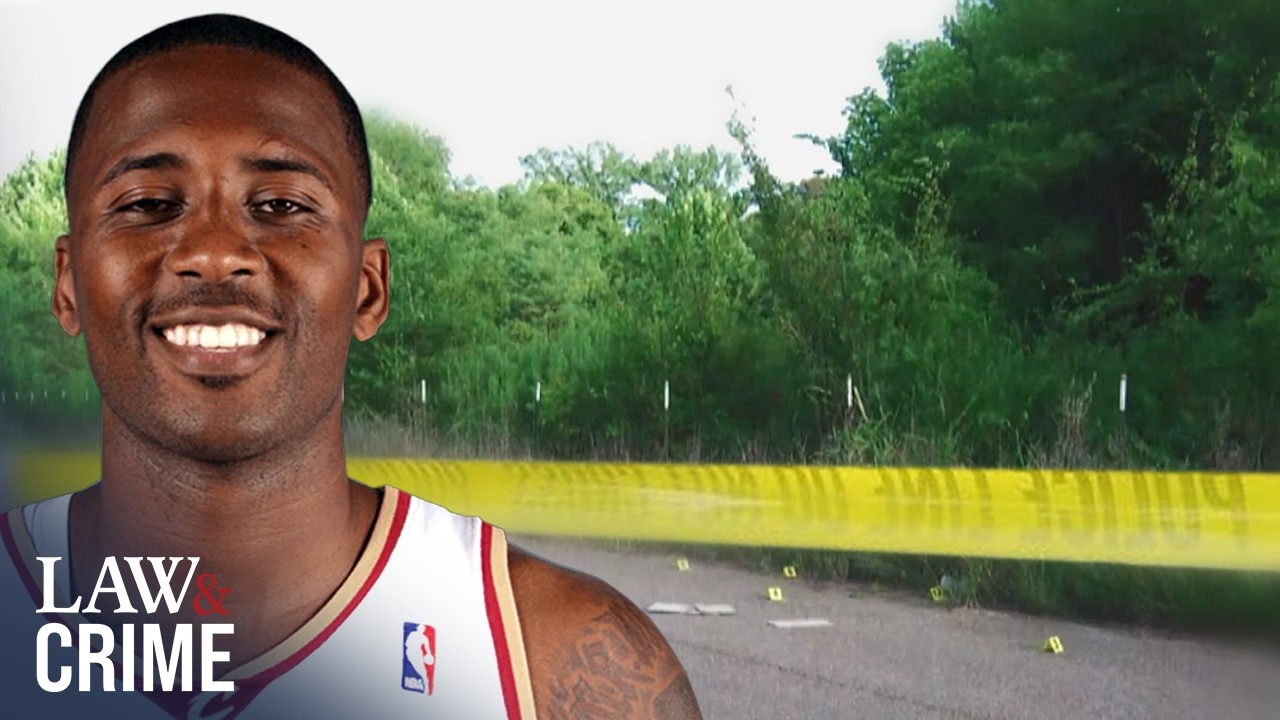
Killer Cases: NBA Star Lured to Execution In Rural Tennessee
"The decade-long cold case of NBA star Lorenzen Wright's murder was cracked through a persistent mother, a jailed informant, and a covert police operation that recovered the murder weapon from a lake and exposed a conspiracy driven by greed."

Amanda Knox and John Ramsey - Megyn Kelly's "Double Feature" of Fascinating Interviews
"This episode features two individuals, Amanda Knox and John Ramsey, whose lives were irrevocably altered by tragic crimes and subsequent wrongful accusations, revealing systemic failures in justice and media manipulation."
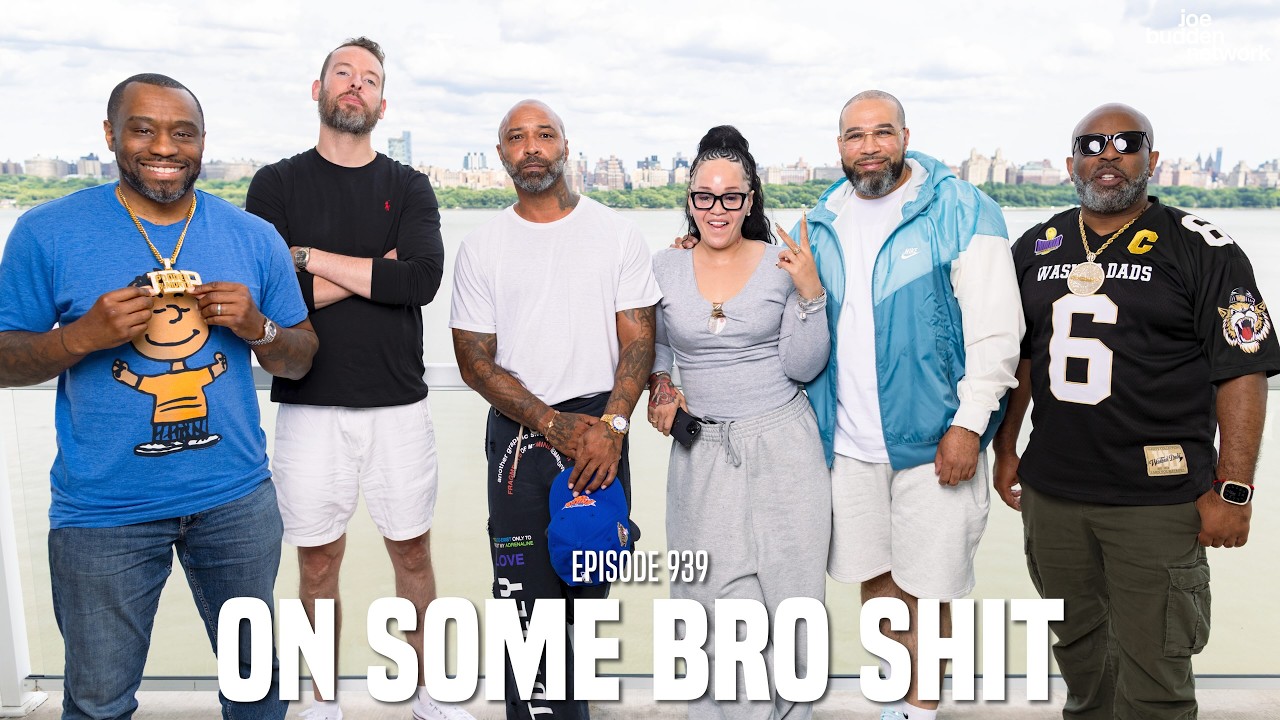
The Joe Budden Podcast Episode 939 | On Some Bro Shit
"The Joe Budden Podcast crew dives into personal grooming, the chaotic Knicks championship parade, the decline of unique cultural experiences, and controversial celebrity revelations, sparking lively debates on relationships, addiction, and public behavior."

TEEN'S DNA REVEALED IN ANNA KEPNER'S R*** KIT
"The investigation into Anna Keaptainner's death on a cruise ship reveals shocking DNA evidence, a previously unknown male minor, and critical questions about evidence handling and family dynamics."