Jan. 6 Remembrance, LA Mayor Karen Bass, Richard Smallwood Talks
YouTube · IE_TABxmI64
Quick Read
Summary
Takeaways
- ❖Republicans on Capitol Hill boycotted a hearing commemorating January 6th, demonstrating a continued effort to downplay the event.
- ❖A plaque honoring law enforcement heroes of January 6th, passed by Congress, remains uninstalled due to Republican obstruction.
- ❖LA Mayor Karen Bass describes the January 6th rioters as 'hunting' members of Congress and highlights the racial disparity in law enforcement response compared to Black Lives Matter protests.
- ❖The Urban Civil Rights Museum in Harlem aims to fill a historical gap by chronicling the fight for civil and economic rights in the Northern United States.
- ❖Gospel legend Richard Smallwood's autobiography, 'Total Praise,' reveals his struggles with depression and a physically abusive, pedophile stepfather, emphasizing music as his escape and therapy.
Insights
1Republican Obstruction of January 6th Commemoration
Republicans in Congress actively boycotted a hearing commemorating the January 6th Capitol attack and have blocked the installation of a congressional plaque honoring the law enforcement officers who defended the Capitol. This is framed as a deliberate attempt to rewrite history and align with Donald Trump's narrative.
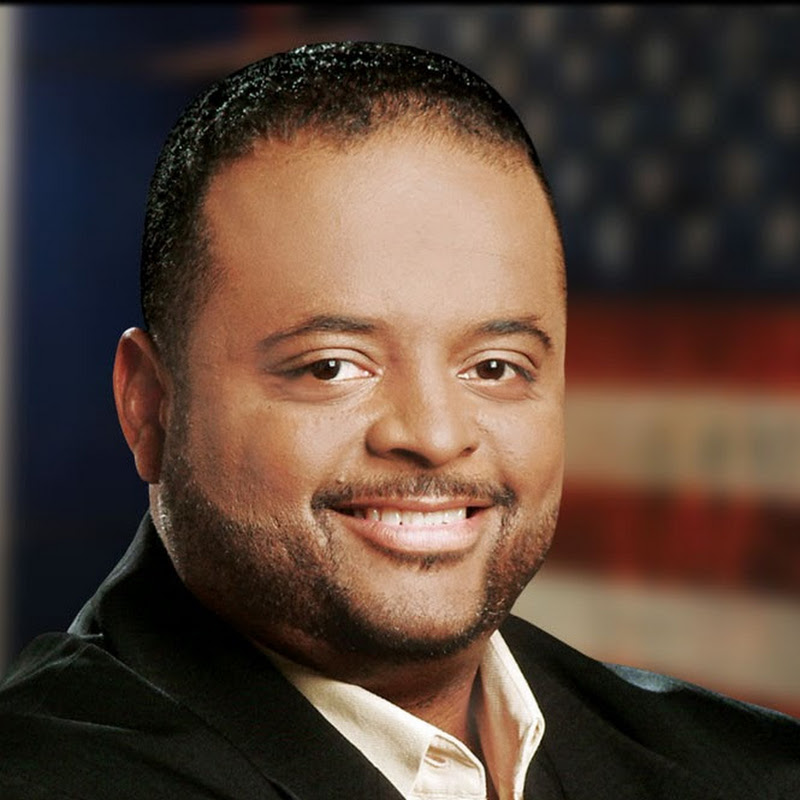
Host Roland Martin states, 'Democrats on Capitol Hill held a hearing today. Guess who didn't show up? Republicans.' () Congresswoman Norma Torres confirms, 'that plaque continues to sit in a basement somewhere in storage.' () Senator Alex Padilla's resolution condemning January 6th and supporting Capitol Police was blocked by Republicans ().
2Firsthand Account of January 6th and Racial Disparity
LA Mayor Karen Bass, present during the Capitol attack, describes the experience as rioters 'hunting' members of Congress. She critically notes the stark difference in law enforcement response compared to Black Lives Matter protests, asserting that if the rioters 'looked different, there would have been blood everywhere.'
Mayor Bass states, 'they were hunting for us, Roland, hunting for us. They wanted to find Pelosi. They wanted to find AOC.' () She adds, 'I knew if those protesters rioters looked different there would have been blood everywhere they would have never entered the capital.' ()
3The Urban Civil Rights Museum in Harlem
The National Urban League has opened the Urban League Empowerment Center in Harlem, which will include the Urban Civil Rights Museum. This museum aims to highlight the often-overlooked history of the black experience and the fight for civil and economic rights in the Northern United States, from the Great Migration to the rise of African-American political and economic power.
Mark Morial, CEO of the National Urban League, explains, 'We have just opened the Urban League Empowerment Center in Harlem... next fall we will open another component... the Urban Civil Rights Museum in Harlem.' () He emphasizes it will look at 'the black experience and the civil rights experience of the northern states often overlooked and forgotten.' ()
4Richard Smallwood's Personal Struggles and Musical Inspiration
Gospel maestro Richard Smallwood discusses his autobiography, 'Total Praise,' revealing his lifelong battle with depression and the trauma of a physically abusive and pedophile stepfather. Music served as his primary escape and therapeutic outlet, shaping his unique songwriting approach, often drawing from pain.
Smallwood states, 'I didn't know if I wanted to be that transparent... about my depression issues and things in my family, you know, scandals in my family.' () He adds, 'the physical abuse, which probably was the reason that I ran to music and it felt so safe and so comfortable.' () He reveals 'Total Praise' was written during a period of intense personal struggle ().
Opportunities
Cheesy Dates Board Game
A board game designed by a licensed mental health therapist to help couples and friends explore compatibility through questions on finances, intimacy, social, and political issues, and generate new date ideas. It aims to facilitate dialogue and enhance relationships.
Key Concepts
Historical Revisionism (The Whitewashing of History)
The deliberate act of reinterpreting or distorting historical facts to align with a particular political agenda, as seen in Republican efforts to reframe the January 6th Capitol attack as a 'peaceful tour' or to deny the need for a commemorative plaque.
The Power of Collective Action
The idea that significant social and political change requires organized, unified efforts from individuals, rather than passive observation, emphasized in the context of voting rights and civil rights movements.
The Therapeutic Role of Art
The concept that creative expression, particularly music, can serve as a profound coping mechanism and source of healing for personal trauma and mental health struggles, exemplified by Richard Smallwood's life story.
Lessons
- Engage in collective action and vote to counter political efforts that undermine democracy and voting rights, as highlighted by the speakers' concerns about election integrity and legislative changes.
- Support independent, fact-based journalism and Black-owned media like the Black Star Network to ensure diverse stories are told and to combat misinformation and historical revisionism.
- Seek professional mental health help if struggling with depression or trauma, as exemplified by Richard Smallwood's positive experience with therapy and his advocacy for destigmatizing mental health support.
Notable Moments
Republicans' Absence from January 6th Hearing
The deliberate absence of Republicans from a hearing commemorating the January 6th attack underscores the deep political divide and a concerted effort to minimize or ignore the event's significance, further polarizing public discourse.
Richard Smallwood's 'Total Praise' Origin Story
The revelation that the popular gospel song 'Total Praise' was born from a period of profound personal pain and struggle offers a powerful testament to the transformative power of faith and music, challenging common assumptions about the source of inspirational art.
Sammy Davis Jr. Encounter
Richard Smallwood's recounting of freezing up when asked to play for Sammy Davis Jr. backstage serves as a relatable lesson on seizing opportunities and being prepared, highlighting the unexpected moments that can shape a career or provide valuable life lessons.
Quotes
"You can't be black-owned media and be scared. It's time to be smart. Bring your eyeballs home."
"Donald Trump may have pardoned your crimes, but only God can pardon your sin."
"If those protesters rioters looked different, there would have been blood everywhere. They would have never entered the capital."
"You will never find justice in a world where criminals set the rules."
"Music is spiritual... It transcends cultural boundaries. It transcends language barriers. It's something that's spiritual that people feel in the innermost parts of their hearts."
"I'm always on the mountaintop screaming, 'Get help, get professional help. Reach out.'"
Q&A
Recent Questions
Related Episodes

Iran Deal Skepticism. Whoopi Vs Vance. Potomac Park Invasion. Racist Hurls Slurs At Black Boy.
"This episode dissects multiple instances of alleged anti-Black policies and racial injustice, from the Trump administration's legal challenges to reparations and the Iran deal, to police brutality and the erasure of Black history."

🚨 THEY… F*CKING... FOUND… OUT… 😂😂😂
"The host delivers a fiery, unfiltered commentary on global and domestic political events, framing them as a battle between a 'collapsing globalist order' and a 'resurgent new right' that prioritizes national sovereignty and traditional Western values."

🚨 LEFTISTS ARE F*CKING SEETHING 😂😂😂
"The host aggressively celebrates perceived 'wins' for the right-wing, from global conflicts and domestic politics to cultural shifts, framing them as a 'humiliation' for the 'leftist world order' and a testament to Donald Trump's influence."

Trump RUSHES Election Scheme as Midterms HAUNT HIM
"The hosts and guest expose the SAVE Act as a deceptive voter suppression tactic, drawing a stark contrast between the protection of gun rights and the erosion of voting rights."