RUSH (2013) Movie Reaction! | First Time Watch! | Chris Hemsworth | Daniel Brühl | Olivia Wilde
YouTube · IU4-tHZQ7OU
Quick Read
Summary
Takeaways
- ❖The movie 'Rush' is praised for its realistic depiction of Formula 1's inherent dangers, making viewers genuinely fear for the drivers' lives.
- ❖The narrative effectively showcases the contrasting personalities and approaches to racing of Niki Lauda (disciplined, analytical) and James Hunt (reckless, passionate).
- ❖The hosts highlight the film's strong character development, particularly Niki Lauda's journey from a calculating racer to a man driven by a profound will to survive and compete.
- ❖The technical aspects, including editing and cinematography, are lauded for creating intense, kinetic race sequences without relying solely on extensive race footage.
- ❖The film's emotional core lies in the evolving respect between Lauda and Hunt, demonstrating how a powerful rivalry can be a catalyst for personal growth and extraordinary achievement.
Insights
1Unconventional Portrayal of Racing Danger
Unlike typical racing films that glorify speed and victory, 'Rush' immediately establishes the deadly stakes of Formula 1, causing viewers to anticipate potential fatalities rather than just wins. This creates a unique, constant tension throughout the movie.
The hosts note, 'This is the first racing movie that felt not um like all the other racing movies for me, they feel like glorious. They get you excited. You're like, 'I want to do that.' This one felt very real to me with the dangers and the the kind of like maybe I would not want to do this because it's it's a lot.'
2Niki Lauda's Character Arc and Narrative Perspective
The film, while featuring James Hunt as a central figure, is narrated by Niki Lauda, offering a clinical yet deeply personal observation of their rivalry. Lauda's journey, particularly his recovery from a near-fatal crash, highlights his immense resolve and how his rivalry with Hunt motivated his return.
The hosts discuss, 'It's largely told from Niki's perspective, but James Hunt is the main character.' They also note, 'Niki using that anger as inspiration to get through his healing process so he could go back to racing.'
3Technical Excellence in Depicting Races
The movie excels at creating kinetic, edge-of-your-seat race sequences through clever editing and POV shots, rather than relying on full, extended race footage. This approach maintains high tension and sincerity, focusing on the emotional and physical toll of racing.
One host states, 'They do a great job in the editing and the way it's shot of creating that kinetic like edge of your seat feeling where you don't know what's going on in the races.'
4Evolution of Rivalry into Mutual Respect
The film effectively illustrates how the initial animosity and competition between Lauda and Hunt gradually transform into a deep, mutual respect. This is exemplified by Hunt's defense of Lauda against a journalist and their final conversation, where they acknowledge how they pushed each other to be better.
The hosts observe, 'you can kind of see how their rivalry they grow on each other a lot over time... they still had a really really deep respect for one another.'
Key Concepts
The Power of Rivalry
The film exemplifies how an intense, personal rivalry can serve as a powerful external motivator, pushing individuals to overcome immense challenges and achieve feats they might not have otherwise considered possible. Niki Lauda's recovery and return to racing were directly fueled by his desire to compete against James Hunt.
Balanced Approach to Success
The contrasting philosophies of Niki Lauda (discipline, precision, calculated risk) and James Hunt (raw talent, passion, recklessness) illustrate different paths to success. The film suggests that while both can lead to championship, a blend of these qualities, or an understanding of their value, contributes to a more complete and fulfilling journey, as hinted by their mutual learning.
Lessons
- Watch 'Rush' (2013) to experience a sports drama that prioritizes character development and the raw realities of extreme competition over typical heroic narratives.
- Reflect on the nature of your own rivalries or competitive relationships; consider how they might be pushing you to achieve greater personal growth and respect.
- Consider the contrasting philosophies of discipline (Lauda) and passion (Hunt) in your own pursuits, and how integrating aspects of both might lead to more balanced success.
Notable Moments
The film's opening sequence immediately establishes the high mortality rate in Formula 1, setting a grim tone for the inherent dangers of the sport.
This early revelation grounds the entire narrative in a sense of peril, making every race and crash feel genuinely life-threatening, a departure from many 'glorious' sports films.
Niki Lauda's meticulous approach to car engineering and track analysis is contrasted with James Hunt's raw, instinctive driving style.
This highlights the fundamental differences in their personalities and methods, which fuels their rivalry and ultimately leads to their mutual respect.
Lauda's horrific crash at Nürburgring and his agonizing, medically improbable recovery process.
This sequence is central to the film's theme of survival and resolve, showcasing the extreme physical and mental toll of the sport and Lauda's incredible willpower, partly driven by his desire to beat Hunt.
James Hunt's act of punching a journalist who asked Niki Lauda a disrespectful question about his wife and appearance post-accident.
This moment signifies a turning point in their rivalry, showing Hunt's burgeoning respect and even protectiveness towards Lauda, transcending their competitive animosity.
The final conversation between Lauda and Hunt in the hangar, where they acknowledge how they pushed each other and the value of their rivalry.
This scene encapsulates the film's core message about the transformative power of rivalry, where two opposites find common ground and mutual appreciation for their impact on each other's lives.
Quotes
"This is the first racing movie that felt not um like all the other racing movies for me, they feel like glorious. They get you excited. You're like, 'I want to do that.' This one felt very real to me with the dangers and the the kind of like maybe I would not want to do this because it's it's a lot."
"It really was the story of like two very, very different people that both had the same drive and drive. But on Yeah. You know? Yeah."
"A wise man gets more from his enemies than a fool from his friends."
"You make me feel more alive than any woman ever could."
Q&A
Recent Questions
Related Episodes

PREDATOR: BADLANDS Movie Reaction! | First Time Watch | Dimitrius Schuster-Koloamatang, Elle Fanning
"This 'Predator: Badlands' reaction unpacks how the film redefines the Predator narrative, focusing on an underdog protagonist, complex family dynamics, and a unique 'Predator as prey' planet, all while seamlessly integrating the Wayland-Yutani Corporation."
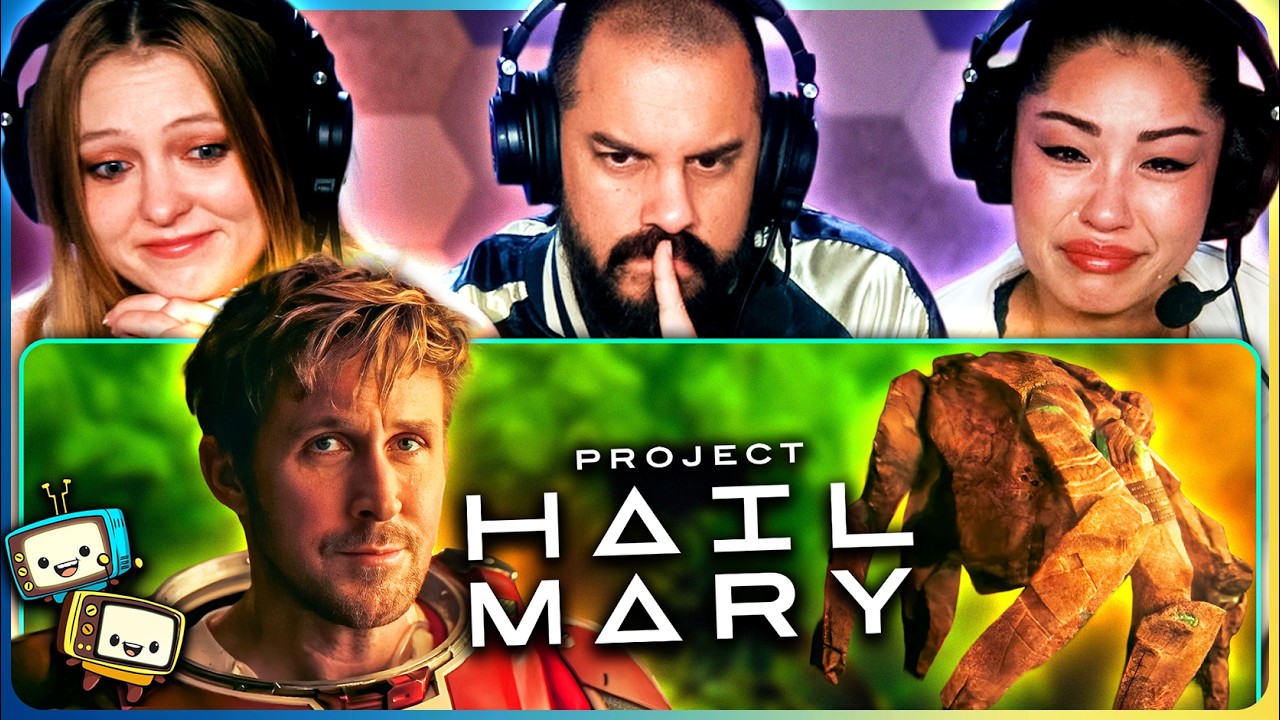
PROJECT HAIL MARY Has One Of The Best Sci-Fi Friendships Ever! | Movie Reaction! | Ryan Gosling
"The CinePals hosts deliver a highly enthusiastic reaction to 'Project Hail Mary,' praising its innovative sci-fi narrative, compelling alien-human friendship, and Ryan Gosling's surprisingly versatile comedic and emotional performance."
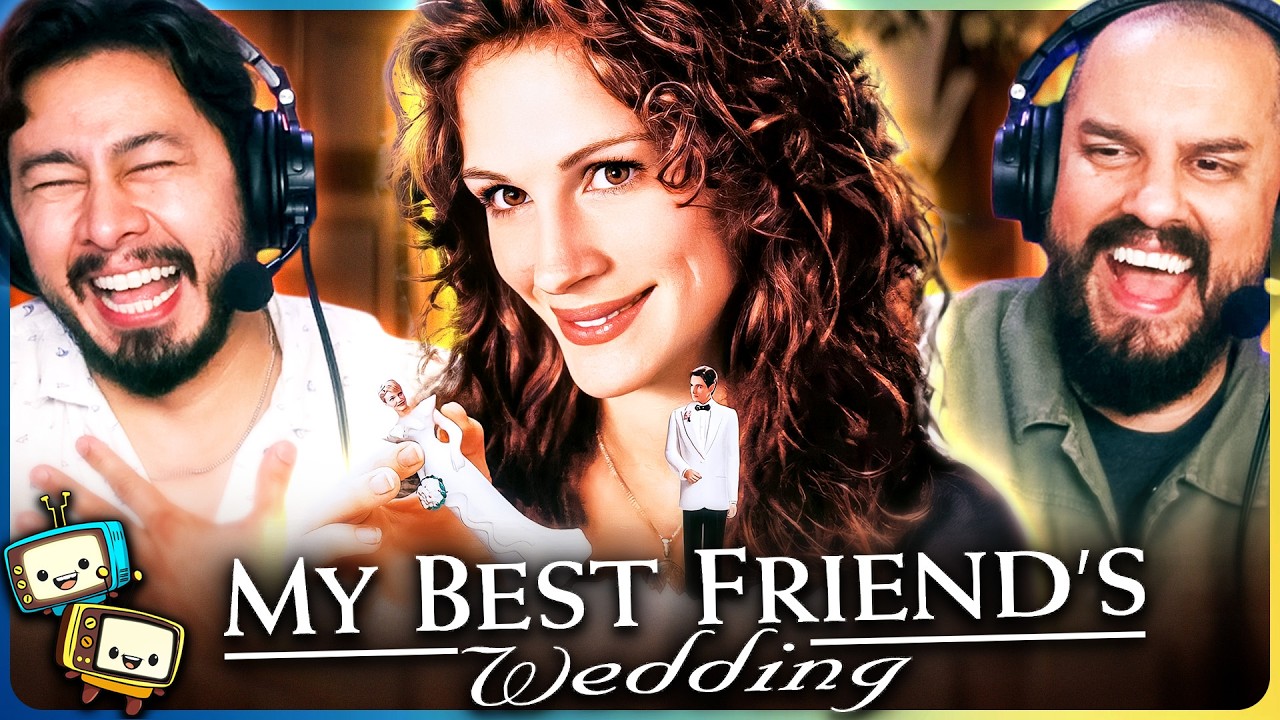
MY BEST FRIEND'S WEDDING (1997) Movie Reaction! | First Time Watch | Julia Roberts | Dermot Mulroney
"The hosts react to 'My Best Friend's Wedding,' highlighting how Julia Roberts' inherent charm makes her morally questionable character likable and how Cameron Diaz's 'perfect' bride subverts rom-com tropes."

RED, WHITE & ROYAL BLUE Movie Reaction! | First Time Watch | Nicholas Galitzine, Taylor Zakhar Perez
"CinePals hosts react to 'Red, White & Royal Blue,' praising its witty writing and visual storytelling while critiquing certain plot pacing and character agency issues."