
VA v. Brendan Banfield - Day 2 - Au Pair Juliana Magalhães cross-examination. It's.... something.
YouTube · JJSQ_gojOt8
Quick Read
Summary
Takeaways
- ❖Juliana Magalhães, the au pair, accepted a plea deal for manslaughter, with the prosecution recommending time served.
- ❖Brendan Banfield's mother paid for Juliana's legal representation from the time of her arrest until she signed her plea deal.
- ❖Juliana expressed significant frustration with her defense attorney's perceived delays and lack of preparedness via jail communications.
- ❖Juliana was in active negotiations with production companies (e.g., Netflix, 48 Hours) to sell her story for a book and movie, receiving commissary funds from media contacts.
- ❖Her relationship with Brendan Banfield and his family fractured after his arrest and her plea deal, leading to the cessation of their financial and emotional support.
- ❖Juliana's testimony suggests Brendan Banfield was the primary planner of the murder, providing specific instructions on evidence manipulation and alibi creation.
- ❖The defense attorney's cross-examination was criticized for being unfocused, repetitive, and failing to establish a clear narrative or effectively impeach the witness.
Insights
1Plea Deal Details and Sentencing Implications
Juliana Magalhães's plea deal involved a reduced charge of manslaughter for Count One and dismissal of Count Two. The maximum sentence is 10 years, with the prosecution recommending 'time served' (incarceration since October 2023) contingent on her continued cooperation. The judge retains discretion for the final sentence.
Juliana read paragraph 5 and 8 of her plea agreement into the record, detailing the charges, maximum sentence, and the prosecution's recommendation. She confirmed her understanding of the potential 10-year sentence.
2Defendant's Family Funded Au Pair's Defense
Brendan Banfield's mother paid for Juliana's attorneys from the time of her arrest. This arrangement ceased when Juliana signed her plea deal, leading to a loss of financial and communication support from the Banfield family.
Juliana explicitly stated, 'Brena's mother' paid for her attorneys (). She later confirmed that all financial and communication support from the Banfield family stopped when she signed the plea deal ().
3Au Pair's Frustration with Legal Counsel and Jail Conditions
Juliana's jail communications reveal intense frustration with her lawyer, citing delays, lack of communication, and perceived incompetence (e.g., showing up with an uncharged laptop). This frustration contributed to her desire to 'end' her situation and potentially influenced her decision to cooperate.
Numerous jail mail excerpts show Juliana complaining about her lawyer postponing trial dates, not visiting, and being unprepared (e.g., , , ). She explicitly stated, 'I should have changed lawyers long ago, but now it's too late' () and 'It's because of him that I'm still in this place' ().
4Monetization of Story After Plea Deal
After signing her plea deal, Juliana began actively negotiating with media production companies (e.g., Crane Productions, Netflix) to sell her story for documentaries and books. These companies provided her with financial support for commissary and communication in jail.
Juliana confirmed talking to producers from '48 Hours' () and later 'Crane Productions' (), who were putting money on her books to facilitate communication and commissary (). She discussed a Netflix documentary offer for $10,000 (potentially $55,000 in Brazilian currency) for exclusive rights, which she found too low ().
5Defendant's Role as Primary Planner and Investigator
Juliana's testimony consistently portrayed Brendan Banfield as the mastermind behind the murder plot, leveraging his IRS investigator background to plan details like new iCloud accounts, phone changes, and alibi construction. She indicated that information about investigative tactics came from him.
Juliana stated they didn't discuss their relationship beyond a fling until Banfield talked about 'getting rid of his wife' (). She cited him as the source for needing new iCloud accounts and phones 'because of the investigation' (). Her mother's message also referenced 'he planned it' ().
6Defense's Ineffective Cross-Examination Strategy
The defense attorney's cross-examination of Juliana was largely ineffective, characterized by disorganization, repetitive questioning about minor details (like who typed specific messages or specific dates), and a failure to establish a coherent narrative to challenge her testimony. This approach risked alienating the jury and inadvertently bolstering the witness's credibility on core facts.
The host repeatedly criticized the defense's questioning as 'rambling and pointless' (), 'not precise' (), and 'not prepared' (). Juliana's responses often highlighted the attorney's lack of specificity or understanding (e.g., , ). The host noted the defense failed to 'close the loop' on any potential arguments ().
Notable Moments
Revelation that Brendan Banfield's mother paid for Juliana's legal defense.
This introduces a potential conflict of interest and suggests an attempt by the Banfield family to control Juliana's narrative or loyalty, which later backfired when she cooperated.
Juliana's 'Gen Z stare' at the defense attorney during repetitive questioning.
This moment highlights her frustration and perceived condescension towards the defense's questioning, potentially impacting jury perception of both the witness and the attorney.
Juliana's mother's jail message advising her to tell Brendan's mother that 'he planned it' to avoid being cut off.
This message strongly implies Juliana had already communicated Brendan's role as the planner to her own family, reinforcing her testimony about his culpability.
Juliana's detailed account of her lawyer repeatedly showing up unprepared, including with an uncharged laptop.
This provides context for her deep dissatisfaction with her legal representation, explaining her desperation to resolve her case and potentially influencing her decision to take a plea deal.
Juliana discussing a Netflix deal for her story, including compensation and exclusivity.
This reveals a significant financial incentive for her testimony, which the defense attempted to use to discredit her, though the timing (after her plea deal) complicates that argument.
Quotes
"She said that she and her employer, the codefendant Banfield Brandon, didn't have a conversation about their relationship being more than just a physical fling until after he started talking about getting rid of his wife."
"I told the version that Brennan had told me. Because that's what he had told me all along. If I ever was going to speak with the lawyer or I should have told that version."
"I'm not willing to spend life in prison for something I didn't do."
"I would give my life for his and I would never do anything to hurt him or against him. Whatever they're saying, whatever they want to believe, I don't care. I would take the blame for both of us."
"My lawyer came to see me, but he brought his computer uncharged yet again. He came, but we didn't do anything."
"I had a video call with a producer who works with Netflix and they want to make a movie, a documentary about my case, and he's in terms of compensation, money, etc. Things that Josh had denied saying that don't do that. Right. Anyway, he wants to finalize the contract already."
"My point of view is mostly, it's always been most about my family and what I've put them through, what they've been going through since my arrest and all this happened. what they've been struggling with. And so my whole point was about helping them because I can't that was when I was working before. And if they can have something to help them, I want them to have it."
"Your brain has a way to defense mechanism it's called and it protects you from losing your mind losing yourself and many things our brain blocks out and I guess everybody can relate to that at some point."
"I felt alone. I felt that he was being offered for for not helping when the whole point of him being in jail was because of his plan, what he had planned and he was not the one being with fence."
Q&A
Recent Questions
Related Episodes

How Detectives Expose a Narcissist
"This episode dissects the chilling interrogation of a self-proclaimed victim turned murderer, revealing how detectives masterfully exploit narcissistic traits to secure a confession."

Missing Girl’s ‘Party Mom’ Under Investigation for Murder
"A mother initially arrested for severe child abuse of one daughter is now under investigation for the capital murder of another daughter, Ava Gonzales, who has been missing for a decade, with police alleging a 14-year-old son witnessed the fatal assault."
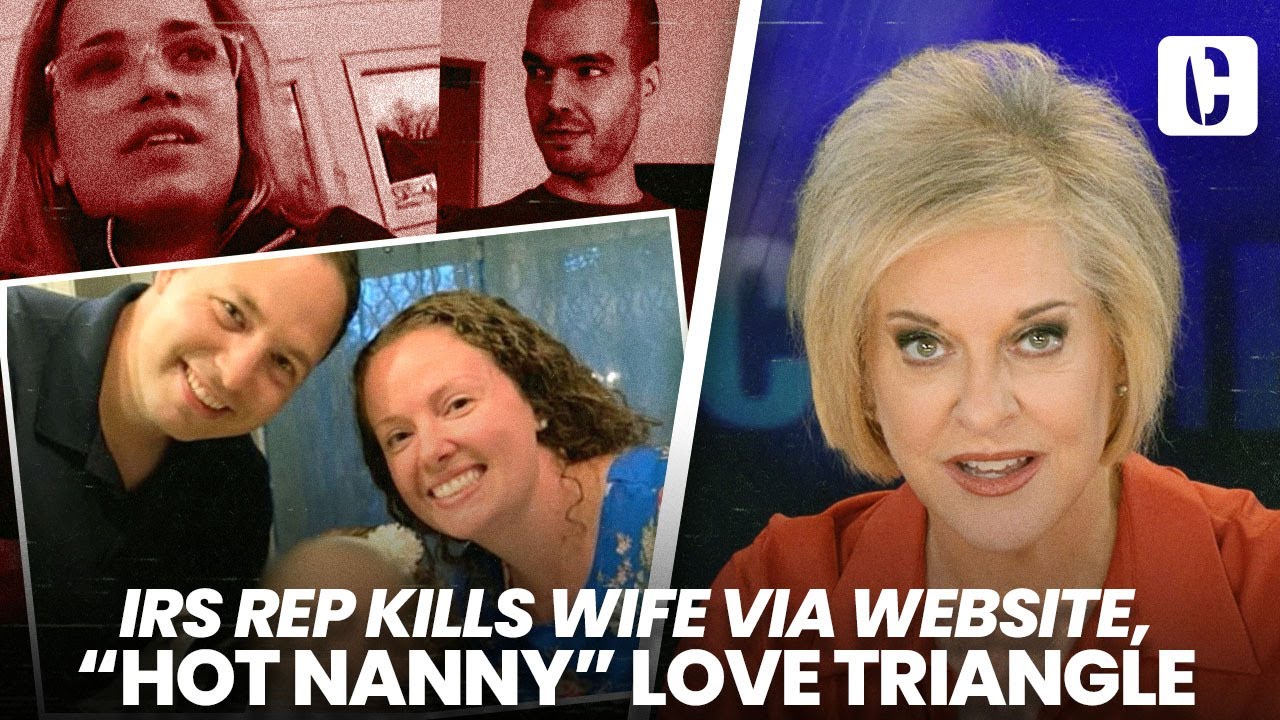
HUBBY-FROM-HELL: IRS REP KILLS WIFE, "HOT NANNY" LOVE TRIANGLE, COPS
"An IRS agent and his 'hot nanny' lover allegedly orchestrated a double murder, luring a stranger via a fetish website to cover up the brutal stabbing of the wife."
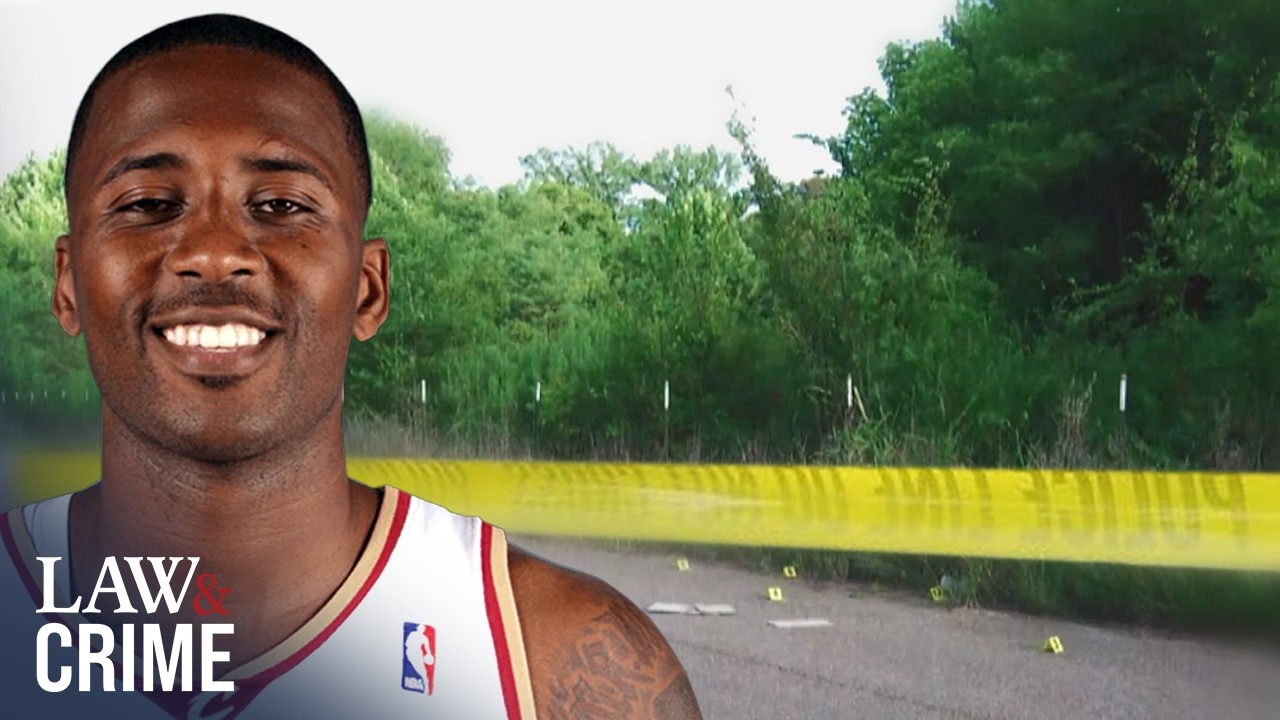
Killer Cases: NBA Star Lured to Execution In Rural Tennessee
"The decade-long cold case of NBA star Lorenzen Wright's murder was cracked through a persistent mother, a jailed informant, and a covert police operation that recovered the murder weapon from a lake and exposed a conspiracy driven by greed."