
The Spurs' NBA Playoffs Path SETS OFF Gil's Arena
YouTube · K24pmqxdwrM
Quick Read
Summary
Takeaways
- ❖The Spurs are criticized for resting Victor Wembanyama, which allowed the Nuggets to secure the three seed and a potentially tougher matchup for San Antonio.
- ❖Gil argues that an easier playoff path, especially for a young star like Wemby, is crucial for conserving energy for later rounds.
- ❖The physical toll of guarding elite players like Nikola Jokic for multiple rounds can exhaust a star player, impacting their overall playoff performance.
- ❖Historical NBA champions often had star players whose defensive workloads were managed or who faced less demanding defensive assignments in early playoff series.
- ❖The debate highlights a clash between the 'any challenge' mentality and the strategic importance of workload management and favorable seeding.
Insights
1Spurs' Strategic Misstep in Playoff Seeding
The panel debates whether the Spurs 'played themselves' by resting Victor Wembanyama in a game against the Nuggets. This decision potentially led to the Nuggets securing the three seed, setting up a much harder playoff path for the Spurs, including a likely second-round matchup against the defending champion Nuggets and then potentially another strong team like OKC, followed by the defending champs.
The Spurs rested Wemby, allowing the Nuggets to secure the three seed. This means a potential second-round series against Denver, followed by another tough opponent, and then potentially Boston in the Finals. (, , )
2The 'Workload' Theory of Playoff Success
A central argument is that a star player's defensive workload in early playoff rounds significantly impacts their energy and performance in later, more critical games, particularly the Finals. Gil asserts that teams should aim for an easier path to conserve their best player's energy.
Gil references Giannis Antetokounmpo's championship run, noting he faced less demanding defensive matchups (Trevor Ariza, Blake Griffin, Clint Capela) in early rounds, allowing him to have peak energy for the Finals. He also mentions Stephen Curry benefiting from not having to guard the opponent's best player, and Klay Thompson struggling due to tough defensive assignments. (, , , )
3Wemby's Playoff Readiness and Physical Toll
Concerns are raised about Victor Wembanyama's ability to handle the increased minutes and intense defensive demands of a deep playoff run, especially against a physically dominant player like Nikola Jokic. Given Wemby's regular-season minute restrictions, a tough early matchup could lead to exhaustion and foul trouble, hindering his effectiveness in subsequent rounds.
Wemby played only 29 minutes per game in the regular season. Facing Jokic, who averages 37 points against him, would force Wemby to play extended minutes on both ends, potentially leading to fatigue and foul trouble. This contrasts with an easier path against teams with less dominant centers (e.g., Phoenix, Portland, Lakers, Timberwolves), where Wemby could conserve energy. (, , , )
Lessons
- Teams should prioritize strategic load management for their star players throughout the regular season to ensure peak performance and energy levels for the demanding playoff schedule.
- Front offices and coaching staff must carefully consider playoff seeding and potential matchups, as an 'easier' path can significantly increase a team's chances of reaching and winning the NBA Finals.
- Players, especially young stars, need to develop a two-way game that allows for efficient energy expenditure, or their team needs to provide defensive support to mitigate fatigue from demanding matchups.
Quotes
"If I know he was just going to play only a few minutes, then sit and everybody else is going to sit. Then in hindsight, as you play chess, yes, you will want this win."
"If my best player is a defender and he only plays a certain amount of minutes and we're trying to rep it up. My first round is against Phoenix. Who's their center? Okay. Portland, who's their center? Right. So that means for Wimby himself, he don't really have to exert much energy individually, just help defense, right?"
"You're going to get beat up guarding him. I'm not worried about that. Yeah, you're going to get a whole we got a whole team. We got a whole bunch of real killers out there that can go out there and play."
"To tame a lion, you need a lion. If I want to challenge Steph, I don't put a defensive player on him who can't play offense. No, I'm going to put another offensive guy. So when you try to score, he's trying to score, too. Now play defense."
Q&A
Recent Questions
Related Episodes
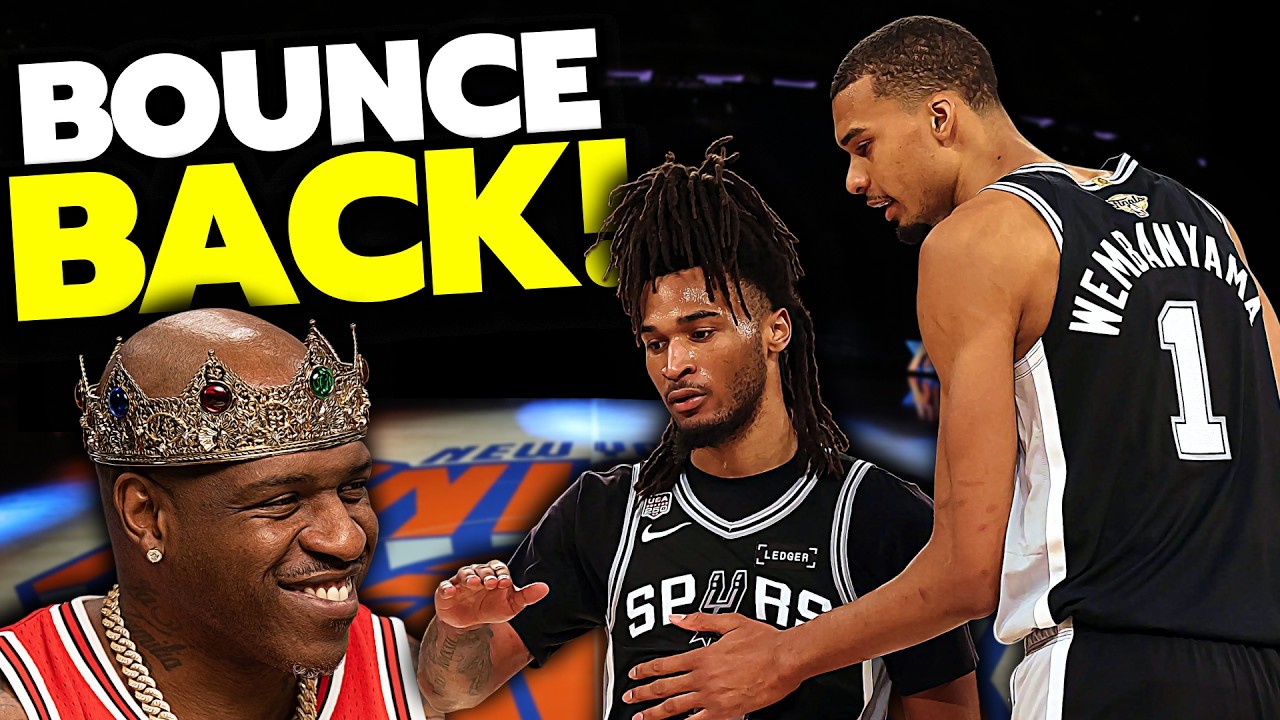
Wemby & The Spurs PROVED They're Ready For The Moment
"The San Antonio Spurs, led by Victor Wembanyama's adjusted play and the team's resilience, secured a critical Game 3 victory against the New York Knicks, who succumbed to the immense pressure of playing at Madison Square Garden."

The NBA Playoff's WILD Weekend LIGHTS UP Gil's Arena
"NBA analysts debate referee bias, player injuries, and coaching adjustments impacting the Western Conference Finals, while celebrating the Knicks' historic sweep to the Eastern Conference Finals and Jalen Brunson's leadership."

Rashad TRIGGERS The Arena After The Knicks Game 1 WIN
"The Gil's Arena panel dissects the Knicks' Game 1 victory over the Spurs, highlighting Jalen Brunson's clutch performance and Karl-Anthony Towns' surprising defensive impact on Victor Wembanyama, while debating coaching decisions and player roles."

The New York Knicks May NEVER Lose Again!!
"The New York Knicks' dominant sweep of the Cleveland Cavaliers has ignited fervent belief among analysts that their unique team chemistry, star player role acceptance, and strategic coaching adjustments make them an unstoppable force heading into the NBA Finals."