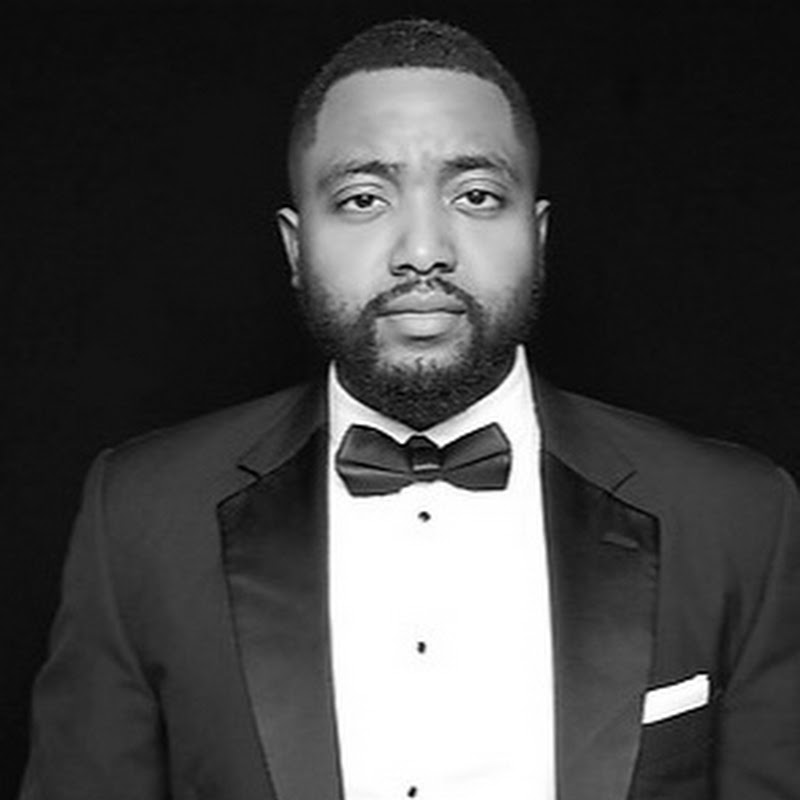
Stephen A Smith SWATS DOWN CBS Reporter Confronting Him On Facing Racism While Running For President
YouTube · KRXfg9slYCM
Quick Read
Summary
Takeaways
- ❖Stephen A. Smith plans to decide on a presidential run in early 2027, leaning towards running as a Democrat.
- ❖Smith identifies as fiscally conservative but socially liberal, supporting strong borders and increased police funding.
- ❖He believes racism is not as prevalent in American politics today as some suggest, and most Americans judge character over race.
- ❖The host views Smith as a 'race hustler' but also theorizes he is a 'plant' to moderate the Democratic party.
- ❖Smith's role, according to the host, is to provide a centrist voice in the Democratic primary, pushing other candidates away from far-left positions to enhance general election winnability.
Insights
1Stephen A. Smith's Stated Political Stance
Stephen A. Smith indicates he would run for president as a Democrat, describing himself as a fiscal conservative and social liberal. He supports strong borders, more police, and believes the economy is key to societal stability. He also asserts that race is not the primary factor holding people back in America today to the degree it was decades ago.
Smith states, 'I'm a fiscal conservative. I can't stand high taxes, but I'm a social liberal.' () He adds, 'I like strong borders... We wouldn't have a border crisis under my watch. Hell no. We wouldn't have this crime... We ain't defunding any police. I'm calling 911 when there's a problem... There's going to be more.' (, , -) On race, he says, 'I do not believe it is as prevalent as some on the left would like us to believe. I do believe a vast majority of Americans judge you on the content of your individual character rather than the color of your skin.' ()
2The Host's 'Political Plant' Theory for Smith's Candidacy
The host posits that Stephen A. Smith is not genuinely seeking the presidency but is acting as a 'plant' to force the Democratic party towards the political center. This strategy aims to make the party more appealing to moderate voters in a general election, providing cover for other Democratic candidates to adopt less extreme positions.
The host states, 'I think he's a plant, right? I think he's a plant to give the Democrats cover to move to the center, right, in order to win a general election.' () He further explains, 'Him being in a race puts pressure on the Democrats... to not be lunatics, right? To appeal more to the center, to appeal more to the moderates.' ()
3Critique of Stephen A. Smith's Inconsistency on Race
The host criticizes Stephen A. Smith for inconsistency on racial issues. While Smith downplays the prevalence of racism in his potential presidential platform, the host points out that Smith frequently discusses race and is perceived as a 'race hustler' in other contexts, undermining his current moderate stance.
The host notes, 'Stephen A lowkey was kind of playing the race card here, right? Even though he swatted it down and said, 'Hey, you know, it's not really that big of a deal.'... every chance that Stephen A gets, he's always talking about race, right? He's always bringing up race. He is a race hustler, right?' (, )
Bottom Line
Stephen A. Smith's potential presidential run is a calculated political 'plant' by centrist Democrats to moderate the party's far-left leanings and improve general election viability.
This suggests that some high-profile candidacies may be less about winning and more about influencing internal party dynamics and platform shifts, impacting the broader political landscape.
Political strategists could analyze such 'plant' candidacies to understand how internal party pressures are exerted and how public figures are utilized to shape political narratives and voter perceptions.
Key Concepts
The Political Plant Strategy
This model describes a scenario where a political figure enters a race not with the primary goal of winning, but to influence the discourse, shift the party's platform, or provide strategic cover for other candidates to adopt more moderate positions. The 'plant' acts as a proxy for a faction within the party seeking to broaden its appeal.
Lessons
- When evaluating political candidates, consider whether their stated intentions align with their broader public persona and potential strategic roles within their party.
- Analyze the internal ideological conflicts within political parties, as these can drive unconventional candidacies aimed at shifting party platforms.
- Observe how media figures with strong public platforms might leverage their influence to impact political discourse and party direction, beyond just seeking office.
Notable Moments
Stephen A. Smith's response to a reporter's question about facing racism if he ran for president, where he downplayed its current prevalence.
This moment went viral, but the host argues Smith himself introduced racial elements into the discussion earlier, highlighting a perceived inconsistency in Smith's approach to race.
Quotes
"I'm a fiscal conservative. I can't stand high taxes, but I'm a social liberal."
"I do not believe it is as prevalent as some on the left would like us to believe. I do believe a vast majority of Americans judge you on the content of your individual character rather than the color of your skin."
"We wouldn't have a border crisis under my watch. Hell no. We wouldn't have this crime that exists in the streets of New York. You wouldn't hear about me saying defund the police. We ain't defunding any police. I'm calling 911 when there's a problem... There's going to be more."
"I think he's a plant, right? I think he's a plant to give the Democrats cover to move to the center, right, in order to win a general election."
"Him being in a race puts pressure on the Democrats, the ones who actually have a good chance of winning the primary, to not be lunatics, right? To appeal more to the center, to appeal more to the moderates."
Q&A
Recent Questions
Related Episodes

🚨 THEY… F*CKING... FOUND… OUT… 😂😂😂
"The host delivers a fiery, unfiltered commentary on global and domestic political events, framing them as a battle between a 'collapsing globalist order' and a 'resurgent new right' that prioritizes national sovereignty and traditional Western values."

Ken Paxton Dominates Cornyn Ahead of Race Against RADICAL Talarico, Plus SHOCK Prince Andrew Stories
"Megyn Kelly delivers a sharp analysis of Ken Paxton's decisive victory in the Texas Republican primary and his upcoming battle against a 'radical' Democratic opponent, alongside explosive new allegations of predatory behavior and corruption surrounding Prince Andrew and Sarah Ferguson."

A major shift is happening right now
"Donald Trump is losing his grip on the Republican party and movement, evidenced by internal dissent and a broader political landscape grappling with a collapse of accountability and truth."

SOTU: Trump In FREEFALL With Independents Ahead Of Big Speech
"Donald Trump faces unprecedented declines in independent voter approval, with his populist promises from a year prior largely unfulfilled, signaling a significant shift in his political standing."