BREAKING: Israel UNDER ATTACK; IDF Hits Iran’s Energy Lifeline; Houthis Join War | TBN Israel
YouTube · KiyR1S-T2zw
Quick Read
Summary
Takeaways
- ❖Israel's strike in Beirut's Dahiya district, targeting Hezbollah, was a catalyst for direct Iranian missile attacks.
- ❖Iran launched dozens of ballistic missiles, including Kaibar Shikan types, towards Israeli air force bases.
- ❖The IDF responded with strikes inside Iran, targeting military infrastructure, UAV production, Tehran's international airport, and strategic oil facilities.
- ❖A petrochemical plant in Mashar, a major source of foreign currency for Iran, was specifically targeted by Israel.
- ❖Houthi forces in Yemen fired ballistic missiles at Israel and declared a ban on Israeli shipping in the Red Sea.
- ❖The conflict has led to the closure of airspace over Iran, Iraq, and parts of Syria, disrupting civilian air routes.
- ❖Israel views its response as essential to maintain deterrence and prevent Iran from dictating new 'response equations'.
- ❖Hosts suggest Iran's escalation is partly driven by internal protests and a desire to derail negotiations with the US.
- ❖Despite US calls for restraint, Israel proceeded with retaliatory strikes, demonstrating its independent operational freedom.
- ❖The targeting of dual-use materials like nitric acid in the petrochemical plant sends a direct message about Iran's chemical and security production chain.
Insights
1Escalation to Direct Conflict and Economic Targets
Following an Israeli strike in Beirut's Dahiya neighborhood, Iran launched dozens of ballistic missiles at Israel. The IDF responded with strikes inside Iran, notably targeting a petrochemical plant in Mashar, a critical economic asset. This marks a shift from proxy warfare to direct military engagement and the targeting of Iran's economic lifeline, signaling a new dimension of the conflict.
Iran launched dozens of ballistic missiles towards Israel. The IDF struck inside Iran, including a sensitive petrochemical facility in Mashar, southern Iran, which is one of Iran's important sources of foreign currency alongside oil. The plant produces raw materials for industries and sensitive dual-use materials like nitric acid.
2Houthi Involvement and Maritime Choke Points
Yemen's Houthi forces joined the conflict by firing ballistic missiles towards Israel and announcing a ban on Israeli shipping in the Red Sea. This action, combined with potential threats to the Strait of Hormuz, creates double pressure on two of the world's most sensitive maritime trade routes, impacting global oil prices and shipping logistics.
The Houthis in Yemen began firing ballistic missiles towards Israel. They announced the closure of Babel Mandab Strait to Israeli vessels and later expanded threats to attack every Israeli ship in the Red Sea. This creates double pressure on two of the world's most sensitive maritime trade routes.
3Iran's Strategic Motivations: Sabotage and Internal Diversion
The hosts suggest Iran's rapid escalation was not primarily to achieve military gains but to sabotage ongoing negotiations with the United States and divert attention from internal protests and economic problems. By escalating, Iran creates an excuse to break from negotiations, which it lacks the power to follow through on, and rallies domestic support against an external enemy.
Mati Shashani states, 'I think the Iranians were looking for an excuse to blow up the negotiation... they don't have the power to actually follow through on a negotiation.' He also suggests it's a tactic to 'divert the conversation every time there's internal problems,' referencing nationwide protests and a catastrophic economy.
4US-Israel Coordination Amidst Divergent Political Agendas
Despite public statements from US President Trump calling for restraint and expressing unhappiness with Israeli strikes, there is deep military coordination between the US and Israel. However, their political needs are not entirely aligned: Trump seeks a 'win' and a deal with Iran, while Israel prioritizes maintaining deterrence and freedom of action against Iranian aggression.
Mati Shashani explains, 'We do coordinate with the United States... Everything is coordinated, everything is communicated.' However, he notes, 'When it comes to the political needs of Netanyahu and Trump, they're not completely aligned.' Trump's public statements urged Iran to 'return to the negotiating table' and expressed hope Israel 'will not respond.'
Bottom Line
Israel's targeting of Iran's petrochemical industry, specifically the Karun company's facility in Mashar, highlights a strategic shift towards economic warfare, impacting Iran's foreign currency earnings and dual-use material production.
This move directly attacks Iran's financial stability and its capacity to produce materials that could have both civilian and military applications, escalating the pressure beyond conventional military targets.
Analysts should monitor the global petrochemical market and Iran's economic indicators for signs of impact, as well as the international community's response to the targeting of civilian-linked infrastructure in conflict.
Iran's alleged use of a 'deliberate deception' narrative, claiming Trump and Netanyahu coordinated to lower Iran's alertness before the Israeli strike, reveals internal embarrassment and a struggle to explain the intelligence failure.
This narrative, even if unconfirmed, indicates a significant blow to Iran's perceived intelligence capabilities and its ability to control the information space internally, potentially leading to increased paranoia within the regime.
Observe how Iran's internal media and intelligence bodies frame future events, as this 'deception' narrative could become a recurring theme to explain away operational setbacks or justify future aggressive actions.
Lessons
- Monitor global shipping routes, particularly the Red Sea and Strait of Hormuz, for disruptions and increased insurance premiums due to Houthi threats.
- Track international oil and energy prices, as direct attacks on Iranian energy infrastructure and threats to maritime choke points can cause significant market volatility.
- Observe the diplomatic responses from the United States and other global powers, as their reactions to this escalation will shape the future trajectory of the conflict and potential for broader regional involvement.
Notable Moments
The IDF's strike in Beirut's Dahiya neighborhood, a Hezbollah stronghold, was identified as the 'breaking point' that triggered Iran's direct missile response.
This specific strike, not just another in southern Lebanon, was perceived as a direct blow to a symbol of Iranian power and deterrence, fundamentally altering the conflict's dynamics.
The hosts discuss the immediate closure of airspace over Iran, Iraq, and Syria, creating 'large holes' on flight maps, and the temporary shutdown of airports in Tehran and Damascus.
This highlights the immediate and widespread disruption to civilian infrastructure and international travel caused by the escalation, demonstrating the broad regional impact beyond direct military targets.
Quotes
"If Israel does not break the Iranian equation, then we will be destroyed."
"What was it that the IDF was after in that area of Beirut in Lebanon? What were we looking for? And the answer is likely that there was a very specific target."
"They're not trying to reach an agreement. They were looking for an excuse to go back to full-on conflict because for them it's the best thing. They want to draw this out. They want violence. They want instability."
"If Iran attacks Israel, there is no attack that goes unanswered. Period. No negotiation on the topic."
"For Trump, the goal is to save the negotiations and reach an agreement with Iran. For Israel, the question is different. If Iran fires ballistic missiles at air force bases and at Israeli cities, can we continue as if this is only a small disturbance on the way to an agreement?"
Q&A
Recent Questions
Related Episodes
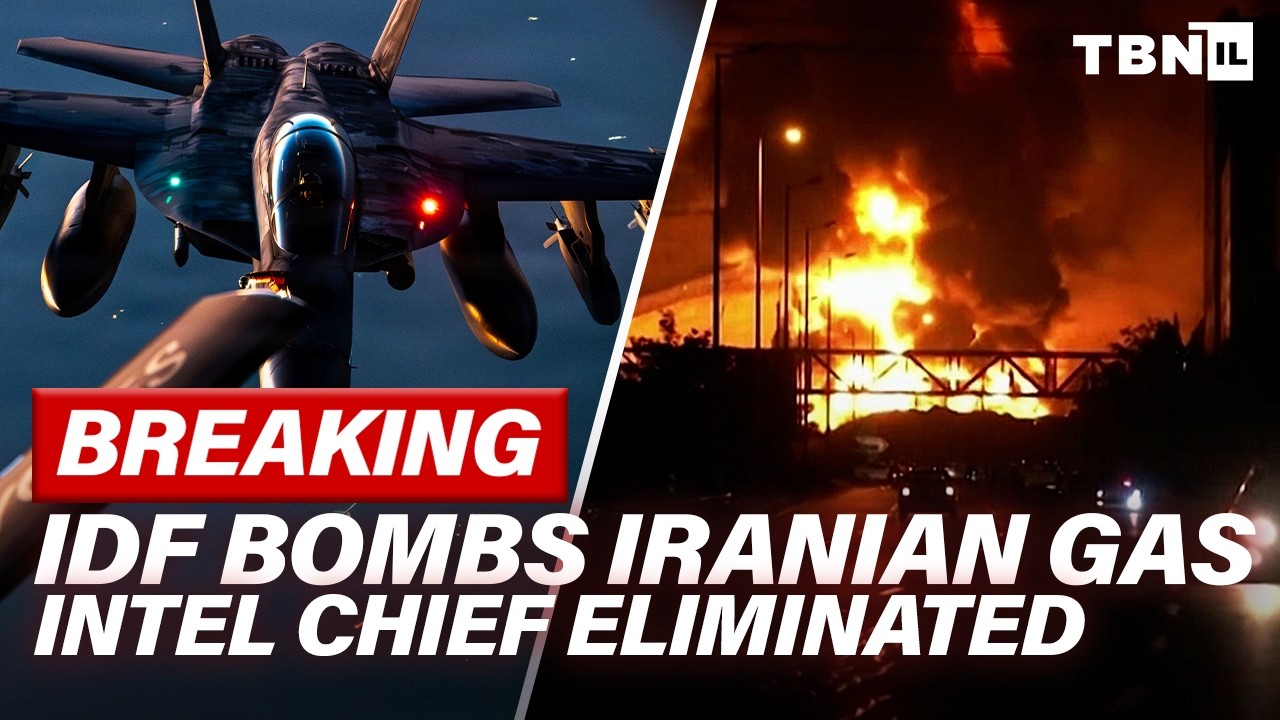
BREAKING: Israel BOMBS Major Iran Gas Site; Top Mullah ELIMINATED; Iran Vows VENGEACE | TBN Israel
"Israel and the United States have escalated their 'Roaring Lion War' against Iran, striking its largest gas facilities, eliminating key intelligence and military figures, and disrupting missile production, while Iran threatens a broader energy war in the Gulf."

Iran Update: Israel’s Newest Bombing Campaign, the Oncoming War With China and How to Avoid It
"Colonel Wilerson reveals how the US and Israel are actively bombing China's strategic infrastructure in Iran, escalating a covert economic war that Beijing intends to win without direct military conflict by dismantling the dollar's global dominance."

Patrick Henningsen: Hezbollah JUST Fired Back at Israel - Iran Vows to “Crush” All Attacks
"Patrick Henningsen argues that the US and Israel initiated an illegal war against Iran, driven by Trump's incompetence and Israeli influence, leading to an inevitable escalation with severe global economic repercussions."
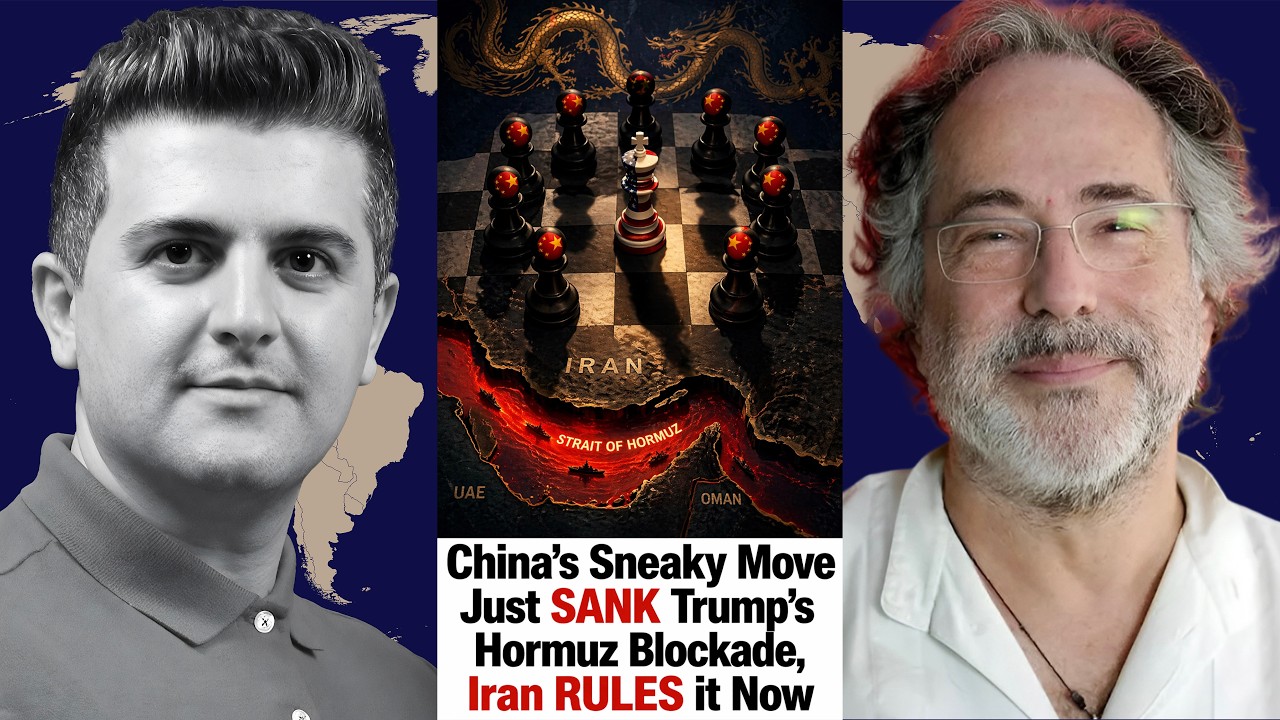
Pepe Escobar: “Total Failure”: Trump’s Blockade Just Backfired Disastrously
"Pepe Escobar argues that the US blockade against Iran, spearheaded by Donald Trump, has utterly failed and backfired, accelerating global economic chaos and challenging US geopolitical dominance."