
High School Rapist Gets Big Win in Court, Again
YouTube · M851wPrFTR0
Quick Read
Summary
Takeaways
- ❖Jesse Butler, a high school senior, was charged with nearly a dozen felonies, including attempted rape and strangulation, against two ex-girlfriends.
- ❖Despite the serious charges, Butler was granted 'youthful offender' status, leading to probation, counseling, and community service, with his record potentially sealed.
- ❖Victims' attorneys filed a motion alleging violations of Marsy's Law, claiming the District Attorney's office misled families and failed to keep them adequately informed about plea negotiations.
- ❖Judge Michael Cullin ruled that victims were informed and had opportunities to confer, but Oklahoma law does not grant them authority to direct or veto prosecutorial decisions.
- ❖A separate investigation found no evidence of misconduct by Judge Susan Worthington, who initially accepted Butler's plea deal, despite public speculation about conflicts of interest.
- ❖Legal experts clarify that prosecutors represent the state and community, not individual victims, and must consider all aspects of justice, including defendant rights.
Insights
1Lenient Sentencing for Serious Felonies
Jesse Butler, facing nearly a dozen felony charges including rape and strangulation, was reclassified as a 'youthful offender' and received probation, counseling, and community service instead of prison time. This outcome allows his record to be sealed if he completes the program, effectively erasing the legal consequences of his actions.
Butler was facing years in prison after being charged with almost a dozen felonies... Butler receives probation, counseling, community service, social media ban, a restitution payment. Now, if he fails, he could face reportedly a 10-year prison sentence, but if he completes it, his record sealed, it's essentially like nothing ever happened legally.
2Allegations of Marsy's Law Violations by Victims
Victims and their families alleged that the District Attorney's office failed to keep them adequately informed about plea negotiations and even misled them, contradicting the protections afforded by Marsy's Law. Specific claims included a victim being told not to inform her mother about a plea deal and families not being provided specifics of the 'youthful offender' certification.
According to Busset's motion, the victims had apparently not been kept in the loop about what was happening behind the scenes with this case... The DA told KS not to tell her mother. Around p.m., the DA called KS's mother and advised her that she'd agreed to a plea deal where Butler would plead guilty and serve time in a juvenile facility in exchange for a YOA sentence. The family was not provided any other specifics of the deal for the YOA certification.
3Court Upholds Prosecutorial Discretion Over Victim Veto Power
Judge Michael Cullin ruled that while victims have the right to be informed of plea negotiations and to confer with the state's attorney, neither Oklahoma's Constitution nor statutes grant victims the authority to direct, control, or veto prosecutorial decision-making. The court found that the victims were notified and afforded opportunities to confer, and their dissatisfaction with the outcome did not constitute a denial of rights.
However, neither provision confers upon victims the authority to direct, control, or veto prosecutorial decision-making. The absence of such language is significant... 'Based upon the totality of the evidence, the court finds that movants were informed of plea negotiations and were afforded the opportunity to confer with the attorney for the state. While movants clearly disagreed with the outcome of those negotiations, dissatisfaction with the result does not equate to a denial of rights guaranteed under Oklahoma law.'
4Prosecutors Represent the Community, Not Just Victims
Legal expert Marion Bracha clarified that prosecutors do not represent individual victims but rather the state or the community. Their role is to ensure justice is pursued for all members of the community, which includes protecting the rights of defendants and considering the broader implications of legal decisions, not solely the specific interests or desires of the victim.
Prosecutors in the courtroom, prosecutors in any state, in any jurisdiction in the United States of America, do not represent the victim. They are not their personal attorneys. The prosecution is there to ensure that justice is pursued. That even means making sure that the rights of the defendants are protected.
Key Concepts
Marsy's Law (Victim's Rights vs. Prosecutorial Discretion)
Marsy's Law aims to protect victims' privacy and ensure they are informed and involved in the legal process. However, as demonstrated in the Butler case, these rights do not extend to giving victims the authority to direct, control, or veto prosecutorial decision-making, such as plea deals or sentencing recommendations. Prosecutors retain discretion as they represent the broader community's interest in justice, not solely the individual victim's interests.
Due Process vs. Due Result
This model highlights that while all parties in the legal system (including victims) are entitled to due process—fair treatment and adherence to legal procedures—they are not guaranteed a specific 'due result' or outcome. Victim dissatisfaction with a case's resolution, even if understandable, does not automatically equate to a violation of their rights if proper procedures for notification and consultation were followed.
Lessons
- Victims and their advocates should understand the precise scope and limitations of victim's rights laws like Marsy's Law, recognizing that they confer rights to information and consultation but not control over prosecutorial decisions.
- Families of victims should seek independent legal counsel early in criminal proceedings to ensure their specific interests are represented and to clarify the roles and limitations of the District Attorney's office.
- For those advocating for victims' rights, focus on strengthening notification requirements and ensuring meaningful opportunities for input, while also educating victims about the boundaries of their influence within the criminal justice system.
Quotes
"However, neither provision confers upon victims the authority to direct, control, or veto prosecutorial decision-making. The absence of such language is significant."
"While movants clearly disagreed with the outcome of those negotiations, dissatisfaction with the result does not equate to a denial of rights guaranteed under Oklahoma law."
"Everyone has a right to due process. They don't necessarily have a right to due result."
"Prosecutors in the courtroom... do not represent the victim. They are not their personal attorneys. The prosecution is there to ensure that justice is pursued."
Q&A
Recent Questions
Related Episodes

Mystery Man Buys D4vd’s Tesla as Other Teen Girls Surface in Case | Celeste Rivas Hernandez Update
"A 14-year-old girl's dismembered body was found in a rising singer's Tesla, but the investigation is plagued by alleged police mishandling, sealed evidence, and a lack of charges, raising questions about justice and transparency."

Jeanine Pirro suffers ULTIMATE HUMILIATION in court
"Former Fox News host Jeanine Pirro, now US Attorney for DC, faced significant embarrassment after a jury delivered a 35-minute 'not guilty' verdict in a felony case involving a homeless man and a cat toy laser pointer."

Amanda Knox and John Ramsey - Megyn Kelly's "Double Feature" of Fascinating Interviews
"This episode features two individuals, Amanda Knox and John Ramsey, whose lives were irrevocably altered by tragic crimes and subsequent wrongful accusations, revealing systemic failures in justice and media manipulation."
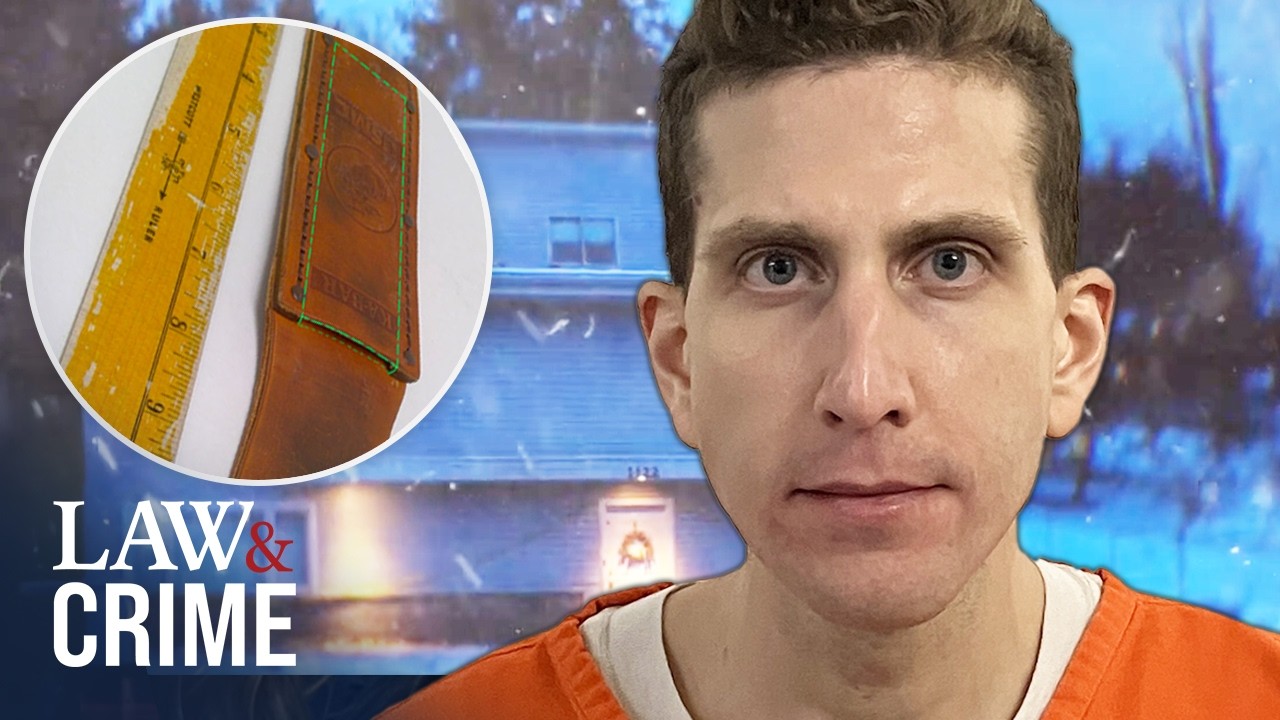
Bryan Kohberger Experts Make EXPLOSIVE Claims in Idaho Murders
"A former FBI agent and author of 'Broken Plea' reveals critical, previously undisclosed issues with evidence in the Bryan Kohberger Idaho murder case, suggesting the plea deal may have circumvented major defense challenges."