FBI Raids Home of Washington Post Reporter as Attacks on Press Freedom Intensify Under Trump
YouTube · MGrJ4P2ERzM
Quick Read
Summary
Takeaways
- ❖The FBI raided the home of Washington Post reporter Hannah Natanson, seizing her phone, Garmin watch, personal computer, and a Post-owned laptop.
- ❖The raid was linked to an investigation of a government contractor accused of illegally retaining classified materials, with whom Natanson had been communicating.
- ❖Natanson is known for cultivating over a thousand federal government sources reporting on the Trump administration's policies and won a Pulitzer Prize for January 6th coverage.
- ❖Legal experts describe the raid as 'extremely rare' and an obvious attempt to intimidate journalists and their confidential sources.
- ❖The legal landscape for journalists' protections is complex and unclear, with Congress failing to pass legislation and the Justice Department recently weakening its own guidelines.
- ❖The seizure of Natanson's devices potentially exposes communications with all her sources, not just the one related to classified information.
- ❖Washington Post owner Jeff Bezos had not publicly commented on the raid, raising concerns about institutional support for press freedom.
- ❖The incident is part of a broader pattern of attacks on press freedom, including congressional subpoenas against other reporters and concerns over media consolidation.
Insights
1FBI Raid on Washington Post Reporter Hannah Natanson
The FBI executed a search warrant on the Alexandria, Virginia home of Washington Post reporter Hannah Natanson, seizing her electronic devices including a personal computer and a Post-issued laptop. The raid was tied to an investigation into Aurelio Perez Lugones, a government contractor and Navy veteran accused of illegally retaining classified materials. Natanson was reportedly messaging Lugones at the time of his arrest. Jameel Jaffer of the Knight First Amendment Institute noted the extreme rarity of such an action against a journalist in the U.S.
FBI agents searched Natanson's home and seized a phone, a Garmin watch, her personal computer, and one owned by the Post. Agents reportedly told Natanson the raid was related to their investigation of Aurelio Perez Lugones, who was reportedly messaging the reporter at the time of his arrest last Thursday. (, , , )
2Intimidation of Sources and Chilling Effect
The raid is perceived as a deliberate effort to intimidate not only journalists but also their confidential sources. Natanson is known as the 'Post Federal Government Whisperer,' having cultivated over a thousand current and former federal workers as sources for her reporting on the Trump administration. The seizure of her devices, which likely contain communications with these numerous sources, creates a significant risk of exposure for whistleblowers and a chilling effect on future disclosures of government information, even if unrelated to classified national security matters.
Natanson said her reporting had led to more than a thousand new sources who are current or former federal workers. It's hard not to see it as an effort to intimidate not just journalists, but the sources that would communicate with them. Now the government has possession of all of those communications. (, , )
3Weakened Legal Protections for Journalists
The legal framework protecting journalists' sources is described as 'complicated' and 'messy' due to a cryptic 1972 Supreme Court decision that did not grant special constitutional protection to journalists. Congress has repeatedly failed to pass legislation to provide clearer protections. While the Biden administration initially strengthened Justice Department rules regarding journalists, Attorney General Pam Bondi subsequently weakened them, a move press freedom advocates predicted would lead to an increase in investigations targeting the press and their sources.
It's a very complicated legal landscape, mainly because the Supreme Court issued this decision in 1972, which is to put it generously very cryptic. Congress has been asked over and over again by press freedom organizations...to pass legislation that would give reporters clearer protection. The Biden administration had strengthened the rules protecting journalists...but the attorney general...weakened those rules last year. (, , )
4Broader Assault on Press Freedom
The raid on Natanson's home is presented as part of a larger, systemic 'all-out assault' on press freedom under the Trump administration. This pattern includes the House Oversight Committee's vote to subpoena investigative reporter Seth Harp for publishing publicly available information, despite First Amendment protections. Concerns also extend to the consolidation of control over major media organizations and instances of self-censorship or politically motivated editorial decisions, such as CBS News's perceived pro-government bias and the pulling of a story on Venezuelan prisoners.
The House Oversight Committee is facing growing criticism for voting to subpoena the prominent investigative reporter Seth Harp. This is plainly First Amendment protected activity. It's a terrible time for for press freedom...the Trump administration is engaged in a kind of all-out assault on press freedom. Speaking of CBS, this is the new CBS news anchor, Tony Dokoupil, closing out Tuesday night's broadcast with a salute to Secretary of State Marco Rubio. (, , , )
Lessons
- News organizations, like the Washington Post, should actively challenge government searches and seizures of journalistic materials in court to establish legal precedents and protect source confidentiality.
- Press freedom advocates and the public must lobby Congress to pass robust shield laws that provide clear, statutory protections for journalists against compelled process, including subpoenas and search warrants.
- Journalists should reinforce digital security practices to protect their communications and sources, recognizing that current legal protections are insufficient.
- The public should remain vigilant and demand transparency from both government agencies and media organizations regarding actions that impact press freedom and the public's right to know.
Notable Moments
FBI raids the home of Washington Post reporter Hannah Natanson, seizing her electronic devices.
This is an extremely rare and significant event, directly targeting a journalist and her ability to protect sources, signaling a major escalation in government pressure on the press.
Washington Post owner Jeff Bezos had not publicly commented on the FBI raid on his reporter's home.
The silence from a powerful media owner during a direct attack on his publication's journalist raises concerns about the institutional defense of press freedom and journalistic independence.
The House Oversight Committee voted to subpoena investigative reporter Seth Harp for publishing publicly available information.
This demonstrates a multi-branch government effort to intimidate the press, extending beyond the Justice Department to Congress, and challenges the fundamental First Amendment right to publish information, even if the government deems it classified.
Quotes
"It's hard not to see it as an effort to intimidate not just journalists, but the sources that would communicate with them."
"The Biden administration had strengthened the rules protecting journalists in very important ways, but the attorney general, the current attorney general, Pam Bondi, weakened those rules last year."
"This is plainly First Amendment protected activity. You can you can publish information that is already publicly available and the fact that the government says that this information is classified doesn't actually change the calculus because the First Amendment protects the the right of news organizations and journalists to publish government secrets."
"It's a terrible time for for press freedom and the important thing about that is that we need the press to inform the public about the government's actions and decisions and to help us hold government officials to account."
Q&A
Recent Questions
Related Episodes
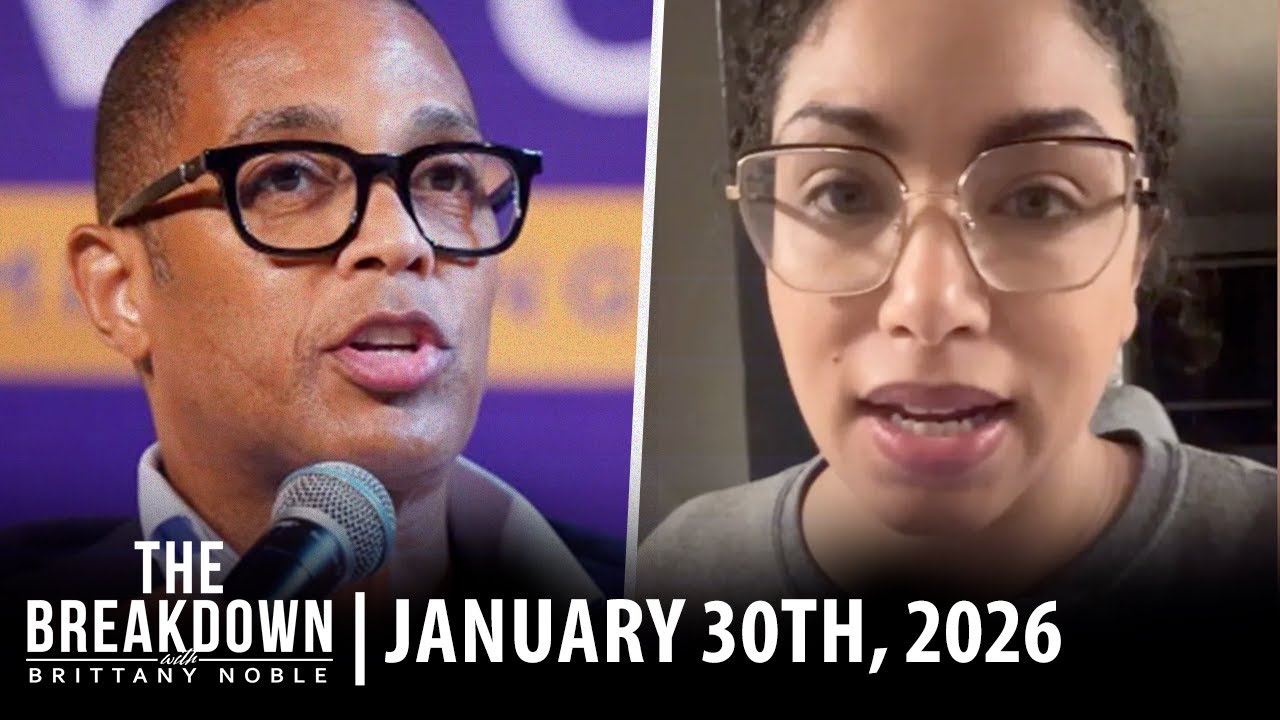
rump’s DOJ arrests journalists Don Lemon, Georgia Fort
"Federal agents arrested prominent journalists Don Lemon and Georgia Fort for covering a church protest, sparking widespread condemnation and raising critical questions about First Amendment rights and the weaponization of the Justice Department."
Don Lemon, Georgia Fort Arrested Over Church Protest. Press Freedom on the Line Under Trump.
"The Trump administration's arrest of journalists Don Lemon and Georgia Fort for covering a church protest is framed as a direct assault on press freedom and a calculated distraction from the release of damaging Epstein files."

SHOCK LIVE: MAGA COLLAPSES, GHISLAINE MAXWELL PRISON FOOTAGE LEAKS!
"This episode dissects conservative outrage over the Bad Bunny Super Bowl halftime show, debates Don Lemon's arrest as journalistic suppression, exposes GOP hypocrisy on gay marriage and Trump, and questions the motives behind Ghislaine Maxwell's prison transfer and deposition silence."

HOT TOPICS | Donald Trump In The Epstein Files - They Arrested The Wrong Don!
"Don Lemon and Congressman Jason Crow discuss the weaponization of the justice system against journalists and critics of Donald Trump, alongside the controversial handling of the Epstein files and the rise of independent media."