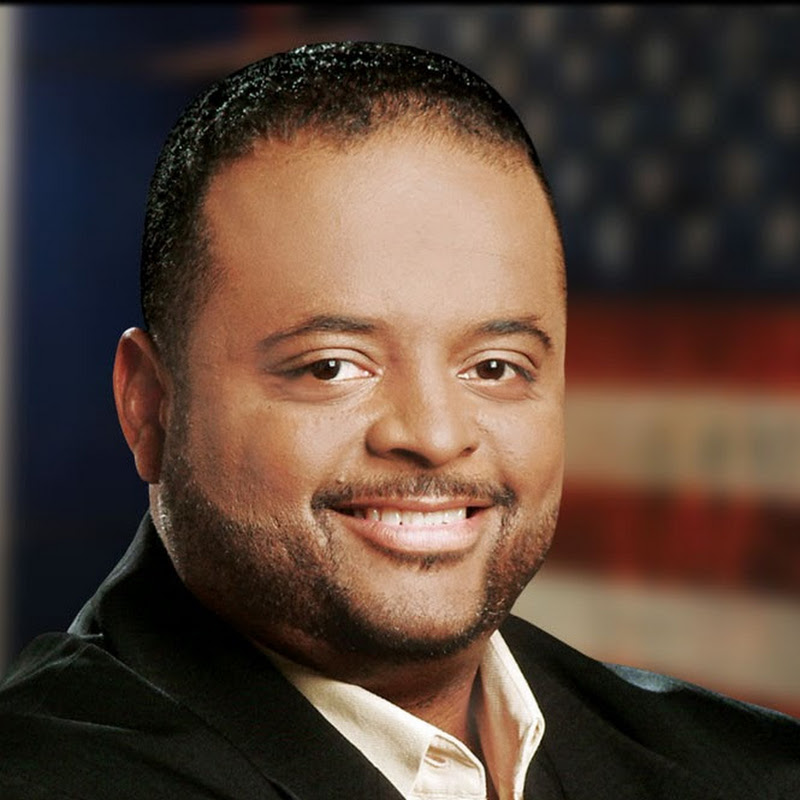
Fisk Data Center Plot Exposed. Justin Jones Says Black Nashville Is Being Targeted
YouTube · MH0Vx8efKwI
Quick Read
Summary
Takeaways
- ❖Fisk University is pursuing a $400 million data center project in North Nashville as part of a $1 billion campus modernization.
- ❖State Representative Justin Jones and community members are fighting the project, calling it 'digital redlining' and an environmental hazard.
- ❖Opponents cite potential noise, water, and air pollution, and increased rates of respiratory illnesses in the already impacted North Nashville community.
- ❖Nashville officials are accused of hypocrisy for opposing a data center near the zoo but supporting the one in a Black neighborhood.
- ❖Justin Jones's teaching fellowship at Fisk was terminated after he discussed environmental racism, which he links to the data center controversy.
- ❖Fisk University has been criticized for a lack of transparency, refusing to name corporate partners, and avoiding open dialogue with the community and media.
Insights
1Fisk's Data Center Plan Sparks Community Outcry
Fisk University announced a $1 billion 'Quantum Leap' initiative, including a $400 million 'Innovation Center' that will house a 30-megawatt, 70,000-square-foot data center in North Nashville. This plan has met significant resistance from students, alumni, and local residents who view it as an imposition on a historically Black community already suffering from environmental injustices.
Fisk President announced a $1 billion initiative including a $400 million innovation center with a data center. State Representative Justin Jones stated it would be a '30-MW, 70,000-sq ft data center in the heart of North Nashville, the heart of the black community.'
2Allegations of 'Digital Redlining' and Environmental Racism
Opponents argue that placing an industrial-sized data center in North Nashville constitutes 'digital redlining' and environmental racism. They highlight that the community already experiences high rates of asthma and respiratory illnesses due to historical infrastructure decisions (like forcing an interstate through the area) and fear the data center will exacerbate these health issues through noise, water, and air pollution.
Jones stated, 'North Nashville has some of the highest rates of asthma, respiratory illness because they forced the interstate through the black community in the 1960s... and now they're trying that same tactic with these AI data centers under the guise of innovation.' He called it 'digital redlining.'
3Hypocrisy in Data Center Siting Decisions
Critics point out a double standard in Nashville's approach to data center development. While city council members and the mayor expressed concerns and opposition to a proposed data center near the Nashville Zoo due to potential harm to animals, they appear to support the Fisk project located in a dense residential Black neighborhood.
Jones noted, 'there's another proposal in Nashville to build a data center by the zoo. And you have council members and even the mayor saying, 'We will not support this by the zoo... because of the harm that it'll do to the animals... but we're going to build this type of data center in the black neighborhood.''
4Suppression of Dissent and Academic Freedom
State Representative Justin Jones, a former John Lewis fellow at Fisk, claims his fellowship and course on climate colonialism and environmental racism were canceled by the university president after she questioned if his curriculum would conflict with her data center plans. This action is seen as an attempt to silence critical voices and prevent open discussion about the project's potential negative impacts.
Jones recounted, 'the president we met and she asked me in her office if my course would conflict with her plan to build this AI data center because on my syllabus we talked about environmental racism... my course didn't last a week, they canceled my class... my fellowship had ended at Fisk.'
5Lack of Transparency and Community Engagement
Fisk University's administration is accused of pushing the data center project through without adequate transparency or community input. They have not named the corporate partners involved in the $900 million investment, held no public town halls, and announced the project after students had left for summer break, leading to widespread distrust.
Jones stated, 'She hasn't even told us what corporation is pledging this $900 million.' He added, 'All of this is being done without informing with a no no town hall meetings. Not letting the people who live in the public housing next door.'
Bottom Line
Fisk University, an HBCU, hired an expensive, predominantly white PR firm (Finn Partners) to manage the controversy surrounding its data center project, rather than a Black-owned firm.
This decision undermines the economic empowerment of Black businesses and raises questions about the university's commitment to its community's economic ecosystem, especially when facing criticism from within the Black community.
HBCUs and other institutions serving Black communities should prioritize contracting with Black-owned businesses, including PR and communications firms, to ensure alignment with community values and foster economic growth within those communities.
Lessons
- Community members, students, and alumni should continue to demand open public forums and town halls with Fisk University leadership and board members to discuss the data center project's full implications.
- Advocates should press the Nashville City Council to implement a moratorium on data center construction that would prevent the Fisk project from being 'grandfathered in' and ensure new environmental standards apply.
- Concerned citizens should contact Fisk University President Agyenim Clark (awclark@fisk.edu) and board members to request full transparency regarding corporate partners, environmental impact assessments, and community benefit agreements.
Quotes
"If it's not good to be by a zoo, then it's not good to be by our HBCUs. Why would you build this in the heart of of our community?"
"My course didn't last a week, they canceled my class, my students were already enrolled... and I was told that my fellowship had ended at Fisk."
"We don't sell out the soul of our university... because at the end of the day this AI data center could could could destroy our university."
"If you're willing to engage with anyone, then why are you sending me a press release? If you're willing to engage, why not have Dr. Clark or her chosen representative come on this show and actually explain what this is?"
"Fisk University would spend a lot of money that could be used for scholarships maybe instead of using on a PR firm. If you just simply came and held a meeting with students in the in the Fisk way."
Q&A
Recent Questions
Related Episodes

NC Targets DEI. Trump Blocks Housing Bill. Minority Banks Face New Rules. Kohen Wiley Protests
"This episode exposes how current political actions, from changes in minority bank definitions to attempts to regulate college athlete earnings and block foreign aid, are systematically undermining Black economic power, voting rights, and social justice."

Iran Deal Skepticism. Whoopi Vs Vance. Potomac Park Invasion. Racist Hurls Slurs At Black Boy.
"This episode dissects multiple instances of alleged anti-Black policies and racial injustice, from the Trump administration's legal challenges to reparations and the Iran deal, to police brutality and the erasure of Black history."

Black Men Created America’s First Paramedics. Freedom House’s Hidden History
"Discover the untold history of Freedom House, where Black men in Pittsburgh founded America's first paramedic service in 1966, revolutionizing emergency medicine despite facing pervasive systemic racism and institutional sabotage."
Tim Almost Strokes Out Hearing That Big Tech STILL Likes Trump (Jason Calacanis) | Bulwark Podcast
"Silicon Valley's elite, driven by pragmatic business interests like low taxes and M&A, continue to support Donald Trump despite his erratic behavior, viewing tariffs as inconsequential and access to power as paramount."