
Blood at Nancy Guthrie’s House Tells Chilling Story: Expert
YouTube · MUn_MBebtZM
Quick Read
Summary
Takeaways
- ❖Nancy Guthrie's blood on her front steps includes both free-falling droplets and fine, "expirated" drops, suggesting an injury involving her mouth or respiratory tract.
- ❖DNA found inside Guthrie's home does not match her, her family, or close associates, and has not hit in CODIS, prompting the potential use of genetic genealogy.
- ❖Investigative genetic genealogy (IGG) can build a detailed genetic profile (hair, eye color, height, geo-markers) and identify distant relatives (e.g., 6th-8th cousins) from open-source DNA databases.
- ❖Local law enforcement faced criticism for releasing the crime scene too early, potentially compromising evidence and allowing journalists access to sensitive areas.
- ❖The FBI is involved and uses Othram Labs for IGG, but initial local decisions to use a different lab may have delayed the process and complicated chain of custody.
- ❖Tens of thousands of public tips have been received, but authorities request only concrete information about Nancy Guthrie's whereabouts or the perpetrator, not theories or opinions.
- ❖Mexican authorities denied receiving a formal request for collaboration from US agencies regarding Nancy Guthrie, despite FBI reports of contact.
Insights
1Expirated Blood Suggests Forceful Injury
Forensic expert Joseph Scott Morgan identified both free-falling and fine, "expirated" blood droplets on Nancy Guthrie's front steps. Expirated blood indicates a forceful expulsion from the mouth or respiratory system, such as from coughing after being struck in the face or nose, providing a specific detail about the nature of her injury.
You have what appears to be fine drops, which is indicative of expert [expirated blood]... if you get punched in the nose, you get struck in the mouth, you're going to have blood indwelling those areas and you're going to you're going to cough. So if you see the tiny droplets, I think that's expirated blood.
2Genetic Genealogy as a "Light Speed" Investigative Tool
Investigative Genetic Genealogy (IGG) is described as an incredibly powerful tool that can build a detailed genetic profile from a DNA sample, including phenotyping for physical characteristics (hair/eye color, height, geo-markers) and then connecting it to distant relatives (e.g., sixth, seventh, or eighth cousins) through open-source genealogy databases. This process can identify individuals even without a direct CODIS hit, as demonstrated in cases like the Golden State Killer.
You might get connectivity where you've got individuals that might be a sixth, seventh, an eighth cousin. And then you pull it back into focus genealogically. You pair that with the biology with this profile you've created biologically and it's incredibly powerful tool.
3Crime Scene Compromise by Early Release
The Pima County Sheriff's office faced criticism for releasing Nancy Guthrie's home as a crime scene too early, allowing journalists to access and film sensitive areas where blood evidence was present. This premature release potentially compromised the scene, making it difficult to fully document and preserve evidence, which can irreversibly damage an investigation.
How in the hell does Brian have access to this? ... Oh yeah, I forgot you took the tape down. It was wide open. Yeah, it was... I go back to the discovery that Brian made and his ability to make that discovery. Uh because there was no barrier, there was no tape, you know, he just walked up to the house.
Bottom Line
The initial decision by local law enforcement to use a specific Florida lab for DNA analysis, rather than immediately involving the FBI and its established partnership with advanced IGG labs like Othram, may have created delays and chain-of-custody issues.
This suggests a potential bureaucratic or jurisdictional friction that could slow down the application of cutting-edge forensic techniques, wasting critical time in a missing person's case where "time is precious."
Law enforcement agencies should establish clear protocols for immediate federal agency involvement and direct access to specialized IGG labs in high-stakes cases to maximize the speed and efficiency of DNA analysis and minimize chain-of-custody risks.
The overwhelming volume of public tips, many consisting of theories or opinions rather than concrete information, diverts significant law enforcement resources.
This "static" can hinder the investigation by forcing officers to sift through irrelevant data, delaying focus on actionable leads.
Public awareness campaigns should clearly define what constitutes useful information versus speculation, potentially through dedicated portals for theories separate from critical tips, to streamline the intake and processing of public assistance.
Key Concepts
Bloodstain Pattern Analysis (BPA)
The interpretation of bloodstains at a crime scene to determine the actions that created them. Joseph Scott Morgan explains the difference between free-falling blood (larger, dime/nickel-sized droplets from gravity) and expirated blood (fine drops from force applied to the mouth/respiratory system, like coughing or being struck). This distinction provides insight into the nature of the injury.
Investigative Genetic Genealogy (IGG)
A forensic technique that uses DNA evidence to identify unknown individuals by searching public genealogy databases for relatives. It involves building a genetic profile (phenotyping for physical traits and geo-markers) and then using genealogists to construct a family tree to identify distant relatives (e.g., 6th-8th cousins), eventually leading to a suspect who then requires a confirmatory DNA sample.
Lessons
- In high-stakes investigations, prioritize immediate engagement with federal agencies and specialized forensic labs (e.g., Othram for IGG) to leverage advanced technology and avoid delays from local lab backlogs or limited capabilities.
- Implement rigorous crime scene preservation protocols from the outset, treating every scene like a "surgical suite" to prevent contamination and ensure all evidence is documented before any public access or scene release.
- When seeking public assistance, clearly communicate the specific type of information needed (e.g., direct knowledge of whereabouts or perpetrator) and discourage speculative theories to optimize resource allocation for actionable tips.
Optimizing High-Stakes Crime Scene Management
Secure and Isolate Immediately: Establish a wide perimeter and strict access control, treating the scene as a "surgical suite" from the moment of discovery.
Document Exhaustively: Conduct comprehensive photography, videography, and sketching of the entire scene before any evidence is moved or collected, ensuring multiple perspectives and detailed context.
Prioritize Advanced Forensics: Expedite the collection of biological evidence and immediately consult with or transfer samples to specialized labs (e.g., for Investigative Genetic Genealogy) that possess cutting-edge technology and expertise, bypassing potential local bottlenecks.
Maintain Strict Chain of Custody: Ensure every piece of evidence is meticulously logged, packaged, and transferred with a documented chain of custody to prevent contamination and uphold its integrity for court.
Control Public Information: Manage media access and public appeals carefully, providing clear guidelines for useful tips while discouraging speculative submissions to focus investigative resources.
Notable Moments
Joseph Scott Morgan's detailed breakdown of the blood evidence on Nancy Guthrie's steps, distinguishing between free-falling and expirated blood.
This forensic analysis provides a concrete, episode-specific detail about the nature of Nancy Guthrie's injury, suggesting a violent encounter involving her mouth or respiratory system, which is a significant clue in the absence of other direct information.
The host and expert discussing the criticism of the Pima County Sheriff's office for prematurely releasing the crime scene.
This highlights a critical error in the initial phase of the investigation that could have irreversible consequences for evidence collection and preservation, underscoring the importance of proper crime scene management.
Quotes
"You can never walk across the threshold into the room of a crime scene for the first time again."
"Time is precious here. It's the most important commodity here. It was the and you have to assume as an investigator the most precious commodity that you have at at Jump Street is time and it it it shouldn't be wasted in any way."
"Don't watch the locals. Watch the feds. That's what I'd say. The feds working feds work in their own bubble. And as you can see, they don't run their mouths."
Q&A
Recent Questions
Related Episodes

TEEN'S DNA REVEALED IN ANNA KEPNER'S R*** KIT
"The investigation into Anna Keaptainner's death on a cruise ship reveals shocking DNA evidence, a previously unknown male minor, and critical questions about evidence handling and family dynamics."

The Lindbergh Conspiracies | Post Mortem
"Explore the enduring mystery of the 1932 Lindbergh kidnapping, from the compromised investigation and Bruno Hauptmann's unfair trial to Charles Lindbergh's controversial character and the modern resurgence of conspiracy theories."
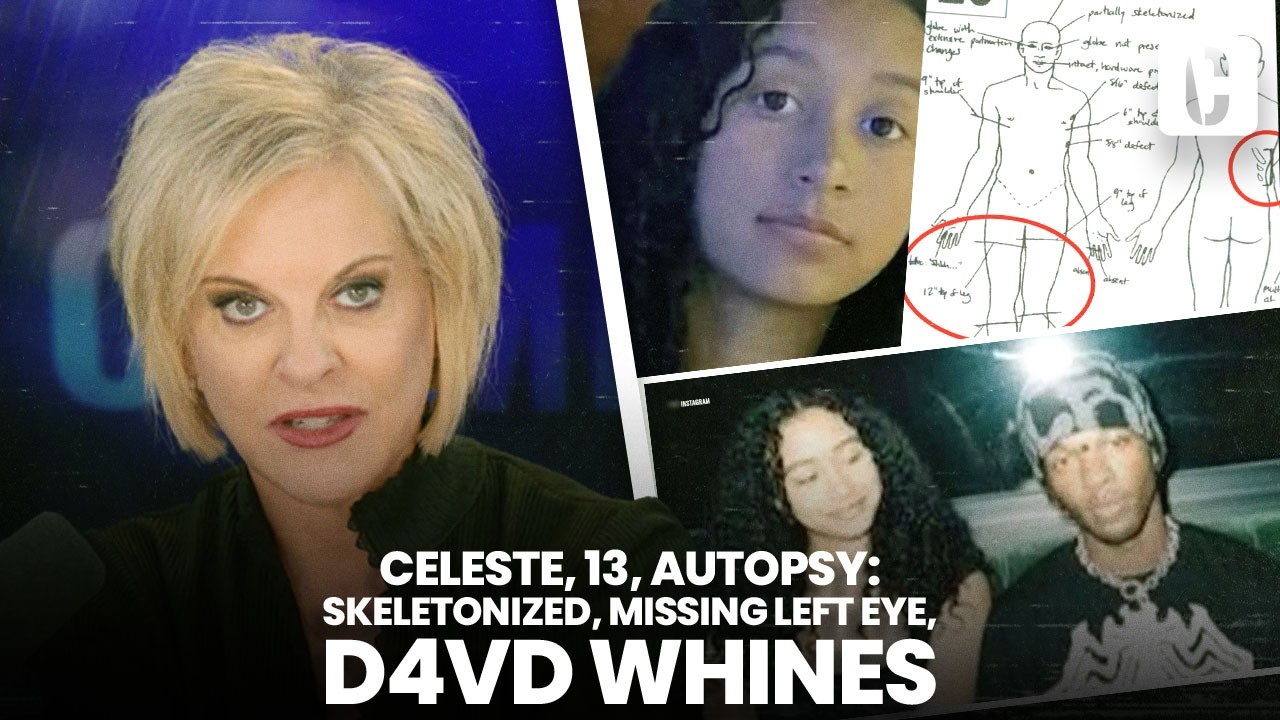
CELESTE, 13, AUTOPSY: SKELETONIZED, MISSING LEFT EYE, D4VD WHINES
"A 13-year-old girl, Celeste Rivas, was found partially skeletonized with a missing left eye, traces of meth and MDMA, and fatal stab wounds, while the accused musician David Anthony Burke (D4VD) complains about jail conditions."

True-crime cases with recent developments | 48 Hours Full Episodes
"This episode reconstructs four complex true-crime cases, detailing the harrowing searches for missing persons, the challenges of prosecuting murders without bodies, and the enduring quest for justice in cold cases spanning decades."