Glenn Greenwald GOES OFF: Matt Walsh, ICE Face Scanning Protestors
YouTube · MiwT6tyfwUo
Quick Read
Summary
Takeaways
- ❖ICE agents are explicitly telling protesters they are being added to 'domestic terrorist' databases, reflecting a broader policy from the Trump administration.
- ❖The historical taboo against domestic surveillance by the US security state has been systematically dismantled since 9/11, with both parties failing to enact meaningful reform.
- ❖The American right exhibits significant hypocrisy by now supporting aggressive federal law enforcement and questioning the right to protest armed, a stance contrary to their historical principles.
- ❖The use of masked federal agents operating without clear identification or local accountability is a dangerous erosion of checks on state power.
Insights
1ICE Labels Protesters as 'Domestic Terrorists' for Database Inclusion
An ICE agent in Portland, Maine, was recorded telling a protester she was being added to a 'nice little database' and was considered a 'domestic terrorist.' Glenn Greenwald asserts this is not an isolated incident but part of a concerted effort by the Trump administration, ICE, and Homeland Security to expand domestic surveillance and label dissent as terrorism.
Video of an ICE agent in Portland, Maine, stating, 'Now you're considered domestic terrorist. So, we're videotaping you.' () Greenwald's analysis of statements from Steven Miller and Christine Gnome labeling citizens as domestic terrorists ().
2Erosion of the Domestic Surveillance Taboo Post-9/11
Historically, the US security state was constrained by the rule that its powers could not be turned inward on American citizens. Greenwald explains that this 'great taboo' was violated after 9/11, leading to the growth of domestic surveillance without democratic accountability or transparency. Both parties have since failed to enact legislative reforms, allowing this expansion to continue.
Snowden's revelations about the NSA's domestic surveillance programs (). Greenwald's point that 'the one rule that was supposed to constrain it... was that whatever it is you're doing can't be turned inward' ().
3Political Hypocrisy on Federal Power and the Second Amendment
Greenwald highlights the profound hypocrisy of the American right, which historically championed anti-federal government sentiments and the Second Amendment as a check against state tyranny. Now, figures like Matt Walsh, Kirstjen Nielsen, and Cash Patel condemn armed protesters and support aggressive federal actions, even labeling legal gun ownership at protests as suspicious. This shift demonstrates a partisan abandonment of principles when their 'side' is in power.
Matt Walsh's tweet condemning an 'armed leftist' interfering with law enforcement (). Greenwald's reference to Charlie Kirk's tweet on the Second Amendment's purpose (). The shift from 1990s anti-federal government sentiment () to current support for federal agents ().
4Masked Federal Agents Undermine Accountability
The use of masked federal agents operating in public spaces, refusing to be identified, is a dangerous practice that removes a critical layer of accountability. Greenwald argues that this practice, especially when federal agencies refuse to allow state and local investigations into their actions, is characteristic of a dystopian state and should be opposed by all ideologies.
Greenwald's argument that masked agents take away a major part of accountability, especially when the federal government refuses to allow states and cities to investigate crimes by them ().
Q&A
Recent Questions
Related Episodes
Dems Celebrate George Floyd on Memorial Day, and AOC 2028 Rumblings, with Rich Lowry & Charles Cooke
"Megyn Kelly and guests Rich Lowry and Charles Cooke lambaste Democratic politicians for prioritizing George Floyd's commemoration over Memorial Day, expose the 'revisionist history' of BLM riots, and critique the political posturing of Kamala Harris, AOC, and other progressive figures."
ROUNDUP: ALL Trump Admin LIES About MN Shooting
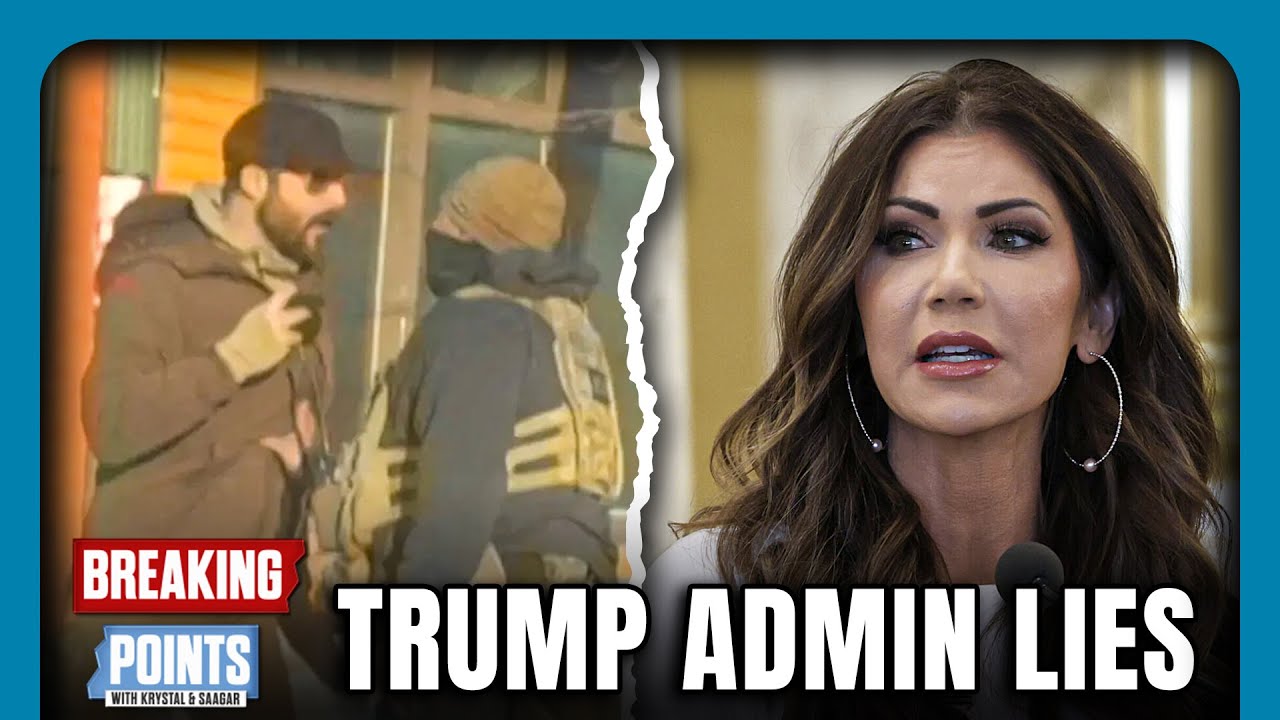
"This episode exposes the Trump administration's alleged lies and misrepresentations surrounding the fatal shooting of Alex Petti by federal agents in Minnesota, arguing it represents a severe erosion of civil liberties and public trust."

Dan Bongino’s EPIC CRASHOUT Over Jimmy Dore!
"Jimmy Dore dissects Dan Bongino's alleged hypocrisy regarding the Epstein files and his public meltdown during a past interview, framing it as a case of psychological projection and political opportunism."
“You’re A JOKE!” Trump Shooting Debate & Free Speech ‘Hypocrisy’ | With Cenk Uygur & Glenn Beck
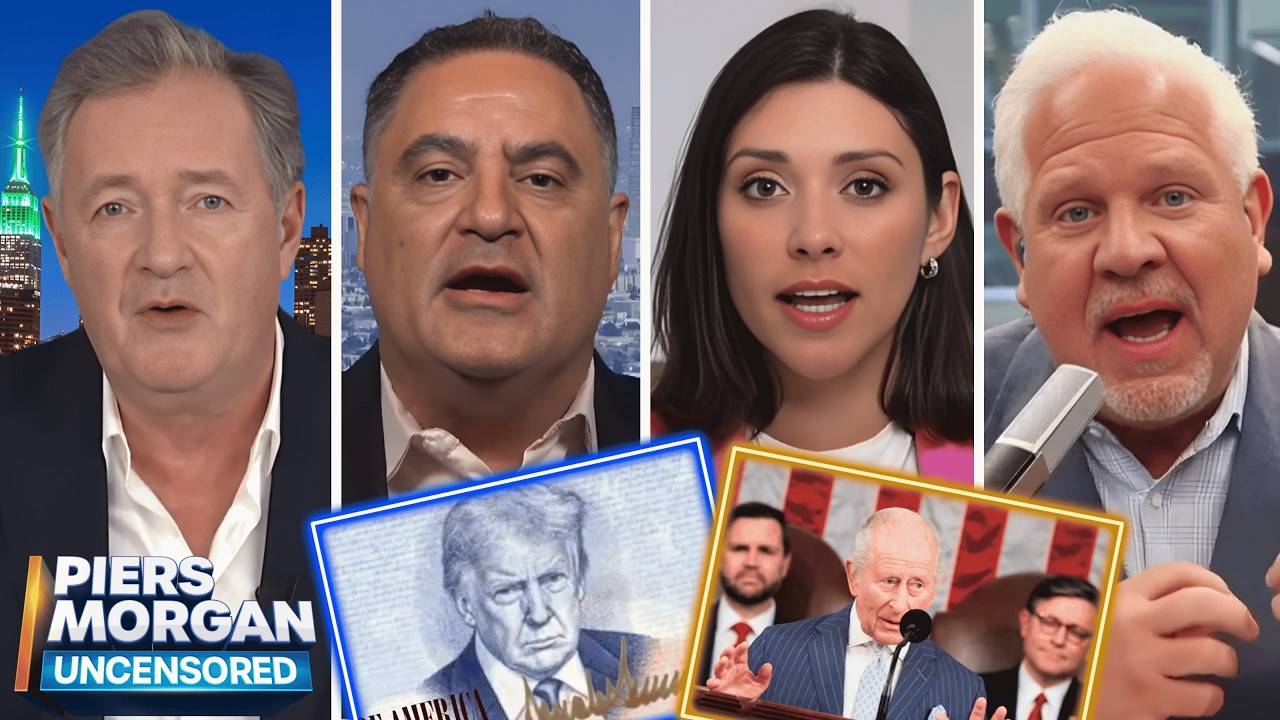
"Piers Morgan and guests debate the political implications of King Charles's US visit, the Secret Service's failures in protecting Donald Trump, the surge in political violence, and the controversial figure of Tommy Robinson."