
SAVANNAH GUTHRIE'S MOM MISSING: DAY 32
YouTube · MwvLI-1u9LQ
Quick Read
Summary
Takeaways
- ❖The FBI moved its main investigation to Phoenix to leverage full equipment for analyzing thousands of video leads, indicating an intensification, not a slowdown.
- ❖DNA analysis from the scene, including a glove, is complicated by 'touch' or 'transfer' samples which often contain mixed, low-level, or partial profiles from multiple individuals.
- ❖Ransom notes sent to media outlets were described as 'eloquent' and contained specific details about Nancy Guthrie's room, making them appear legitimate to the family, despite lacking proof of life.
- ❖Experts widely agree the kidnapping was not a professional operation, with one calling it 'how not to conduct a kidnapping' due to its illogical nature and unusual communication strategy.
- ❖An accomplice is highly probable, given Nancy Guthrie's age and mobility issues, the 'bungling' nature of the visible kidnapper, and the unexplained appearance/disappearance of a backpack on video.
- ❖Mexican cartel involvement is dismissed by experts due to the victim's profile, the high-profile nature of the case, and the absence of traditional cartel kidnapping hallmarks.
- ❖Sheriff Nanos is heavily criticized for publicly 'blurting out' strategic information, such as the belief in an accomplice or Nancy Guthrie being held 'close to home,' which could compromise the investigation.
Insights
1FBI Investigation Intensifies with Phoenix Relocation
The FBI's move from Tucson to its main office in Phoenix is not a sign of the case cooling down, but rather an escalation. The Phoenix office provides superior equipment and resources necessary to process thousands of video leads and other evidence, indicating a concentrated effort to advance the investigation.
Jennifer Coffendafer, a former FBI investigator, stated, 'This case is red hot and the only people that would see it as possibly cold are people who have never worked an investigation whatsoever.' The move was to access 'all of their equipment' for video analysis.
2Complexities of DNA Analysis in 'Touch' Samples
DNA collected from 'touch' or 'transfer' samples, such as from a glove found inside the home, is often difficult to analyze. Modern DNA testing is highly sensitive, frequently picking up mixtures of DNA from multiple individuals, potentially even from those who were never physically present but whose DNA was transferred indirectly. These samples can be low-level, partial, and mixed, making direct identification challenging and unsuitable for immediate database matching.
Susanna Ryan, a forensic DNA analyst, explained that 'it is really common for us to pick up mixtures of multiple people' from touch DNA, which can be 'low-level' and 'partial,' making them 'really difficult to work with.'
3Unusual Ransom Notes Point to Insider Knowledge
Multiple ransom notes were sent to media outlets, described as 'eloquent' and 'clear, concise,' containing specific details about Nancy Guthrie's room (e.g., a watch, items in her room) that only someone with direct knowledge would possess. These notes, while unusual in their distribution and lack of immediate proof of life, were taken seriously by the family due to their specific content.
Mary Coleman, a news anchor who received notes, described them as 'eloquent' and 'clear, concise,' stating, 'there were some details in there that only a person who perhaps was with Nancy would would know.'
4Kidnapping Defies Traditional Logic, Suggesting Amateur Perpetrator
Experts across the panel agree that the Nancy Guthrie kidnapping operation makes no logical sense, deviating significantly from typical kidnapping protocols. The delay in sending ransom notes, the choice of media outlets over direct family contact, and the absence of proof of life are all considered highly unusual for a professional operation, suggesting an amateur or highly irrational perpetrator.
Irv Brandt, a former US Marshall, stated, 'If you were going to write how not to conduct a kidnapping, this is this is the perfect example. This case makes no sense.' Brian Fitzgibbons added, 'these ransom notes that were sent to the media outlets don't meet any of the traditional hallmarks of a kidnap and ransom case.'
5Strong Evidence for an Accomplice
Multiple factors strongly suggest the involvement of an accomplice. Nancy Guthrie's advanced age and limited mobility would make her extremely difficult for a single individual to abduct. The 'bungling' actions of the visible kidnapper on surveillance video, coupled with the unexplained appearance and disappearance of a backpack, imply a coordinated effort and a superior directing the 'foot soldier.'
Dave Mack noted, 'we've got an 84 year old woman who lacks mobility and is going to need help to leave.' Brian Fitzgibbons observed the 'bungling kidnapper's' 'lack of sophistication' and the backpack's movement, suggesting 'someone else involved who's his superior.' Tom Smith emphasized, 'To carry someone out and get someone out of a house, even remotely resisting is very, very difficult for one person to do.'
6Cartel Involvement Dismissed by Experts
The theory of Mexican cartel involvement is largely dismissed by experts. Cartels typically target individuals within Mexico, and this high-profile case involving a US citizen would draw unwanted federal attention. Furthermore, the operation lacks the sophisticated payment and communication hallmarks characteristic of cartel kidnappings.
Brian Fitzgibbons stated, 'Not at all, Nancy,' regarding cartel resemblance, citing 'a US citizen, high-profile in nature' and the lack of 'clear and sophisticated way to pay.'
7Sheriff Nanos's Public Statements Criticized as Detrimental
Sheriff Nanos is heavily criticized for publicly revealing strategic information, such as his belief in an accomplice and that Nancy Guthrie is being held 'close to home.' Such disclosures are considered highly detrimental to the investigation, potentially alerting suspects and providing them with valuable information, thereby hindering efforts to apprehend them.
Nancy Grace stated, 'He is getting all of his information, anything he needs to know from Nanos.' Criminal defense attorney Fron Borcart added, 'he needs to shut his hole and just and stop because he's not helping the investigation.'
Bottom Line
The 'bungling' nature of the kidnapper seen on video, combined with the 'eloquent' and detailed ransom notes, suggests a significant disconnect between the operational execution and the communication strategy. This could imply a perpetrator with limited practical experience but access to detailed information, possibly directed by another individual who crafted the notes.
This disconnect challenges the assumption of a single, consistent perpetrator profile. It forces investigators to consider scenarios where different individuals are responsible for different aspects of the crime (e.g., one for abduction, another for planning/communication), or where the perpetrator is highly intelligent but lacks street-level operational competence.
Focusing on forensic linguistics of the notes and comparing them to known writings or communications of potential suspects, while simultaneously analyzing the physical evidence for a less sophisticated individual, could help narrow down the search for both the 'brains' and the 'brawn' behind the kidnapping.
The public's perception of the FBI's relocation to Phoenix as a 'cold case' signal, despite it being an intensification, highlights a critical gap in public understanding of complex investigations and law enforcement resource allocation.
Misinformation or misinterpretation of investigative actions can lead to public distrust, reduced cooperation, and potentially influence the narrative around a case negatively. It underscores the challenge law enforcement faces in managing public perception while maintaining operational secrecy.
Law enforcement agencies could develop more proactive and transparent communication strategies to explain complex investigative maneuvers (without revealing sensitive details), helping to manage public expectations and maintain confidence during prolonged, high-profile cases.
Key Concepts
Information Control in Investigations
The principle that law enforcement agencies should carefully control the release of information during an active investigation to prevent compromising leads, alerting suspects, or providing defense attorneys with exploitable material. Sheriff Nanos's public statements about an accomplice and the victim's proximity are cited as direct violations of this model, potentially hindering the case.
The 'Dead Weight' Principle
The physical difficulty of moving an incapacitated or unwilling person, especially an elderly individual with limited mobility. This model is used to argue that it would be nearly impossible for a single person to abduct Nancy Guthrie, strongly supporting the theory of an accomplice.
Lessons
- Law enforcement agencies should implement strict protocols for public communication during active investigations, particularly for high-profile cases, to avoid compromising leads or informing suspects.
- Investigators should be prepared for the complexities of 'touch' or 'transfer' DNA analysis, understanding its limitations and the time required for processing mixed and low-level samples.
- When facing unusual criminal patterns, investigators should broaden their profiling beyond traditional models, considering scenarios involving amateur perpetrators, multiple actors with differing skill sets, or highly personal motives that defy typical criminal logic.
Notable Moments
Savannah Guthrie's emotional video pleas for her mother's return, showing her visible deterioration over time.
These videos underscore the immense personal toll of the kidnapping on the family and served as a public call for information, reflecting the family's desperation and their belief in the legitimacy of the ransom notes.
The change in the reward conditions, removing the requirement for arrest or conviction, and instead focusing solely on information leading to Nancy Guthrie's return.
This shift indicates a heightened urgency and a willingness by the family to prioritize Nancy's safe return over punitive justice, reflecting a strategic move to incentivize information from anyone, including those who might be complicit but not directly involved in the abduction.
Quotes
"This case is red hot and the only people that would see it as possibly cold are people who have never worked an investigation whatsoever."
"If you were going to write how not to conduct a kidnapping, this is this is the perfect example. This case makes no sense."
"These ransom notes that were sent to the media outlets don't meet any of the traditional hallmarks of a kidnap and ransom case."
"He is getting all of his information, anything he needs to know from Nanos."
"The longer that kidnappers have their victims with them, it gives law enforcement a a quicker time and a shorter time span to track them down."
Q&A
Recent Questions
Related Episodes
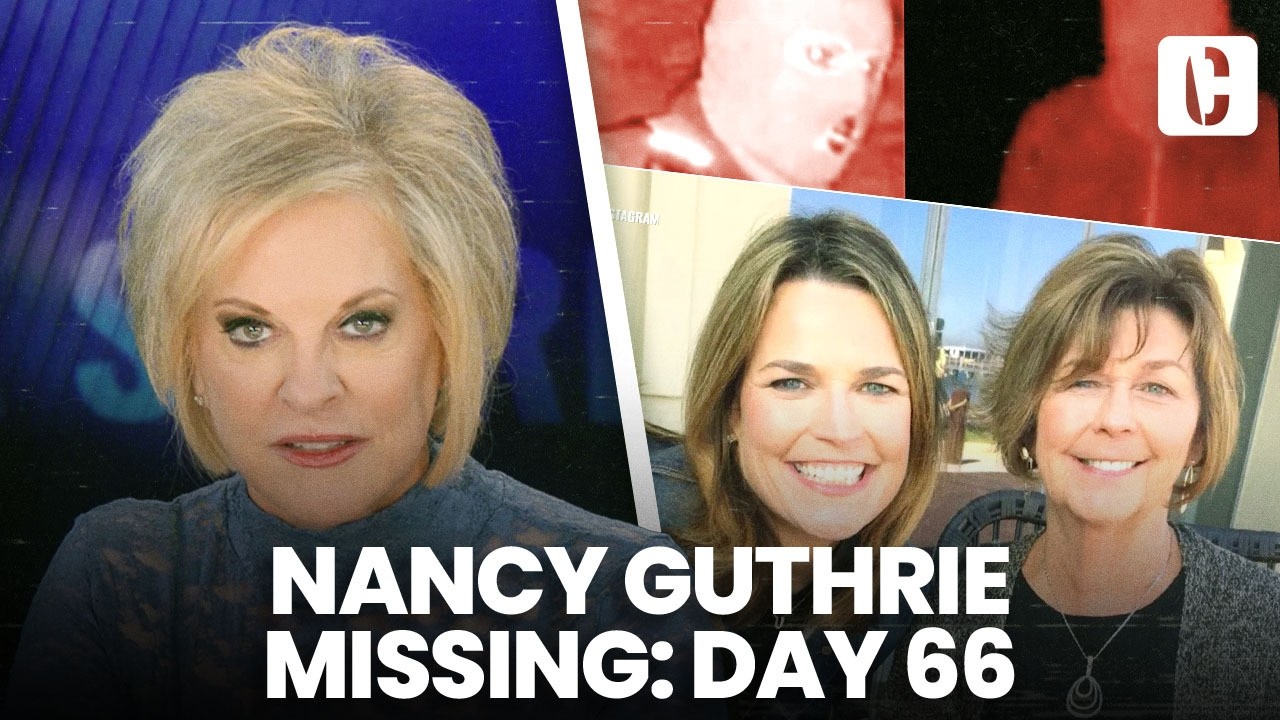
SAVANNAH GUTHRIE'S MOM MISSING: DAY 66
"On day 66 of Nancy Guthrie's disappearance, investigators grapple with two distinct sets of Bitcoin ransom notes, digital tracing challenges, and potential physical evidence like shoe coverings, as new, dubious claims emerge from a 'hyena' seeking payment for information."

True-crime cases with recent developments | 48 Hours Full Episodes
"This episode reconstructs four complex true-crime cases, detailing the harrowing searches for missing persons, the challenges of prosecuting murders without bodies, and the enduring quest for justice in cold cases spanning decades."
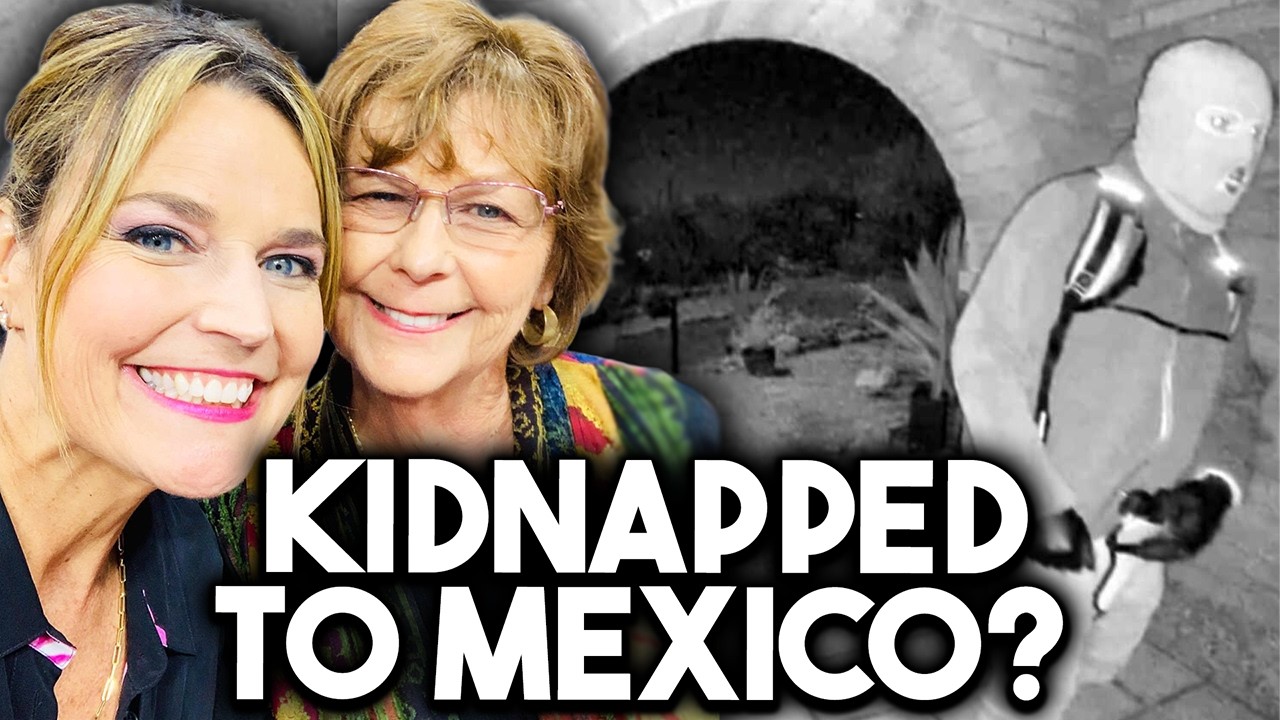
Nancy Guthrie Mystery: Kidnapped to Mexico? The Truth About Eerie Google Searches
"Federal authorities are now engaging with Mexican officials in the Nancy Guthrie kidnapping case, contradicting earlier statements from the local sheriff, while new investigative leads emerge from a gun holster purchase and Google search data is clarified."
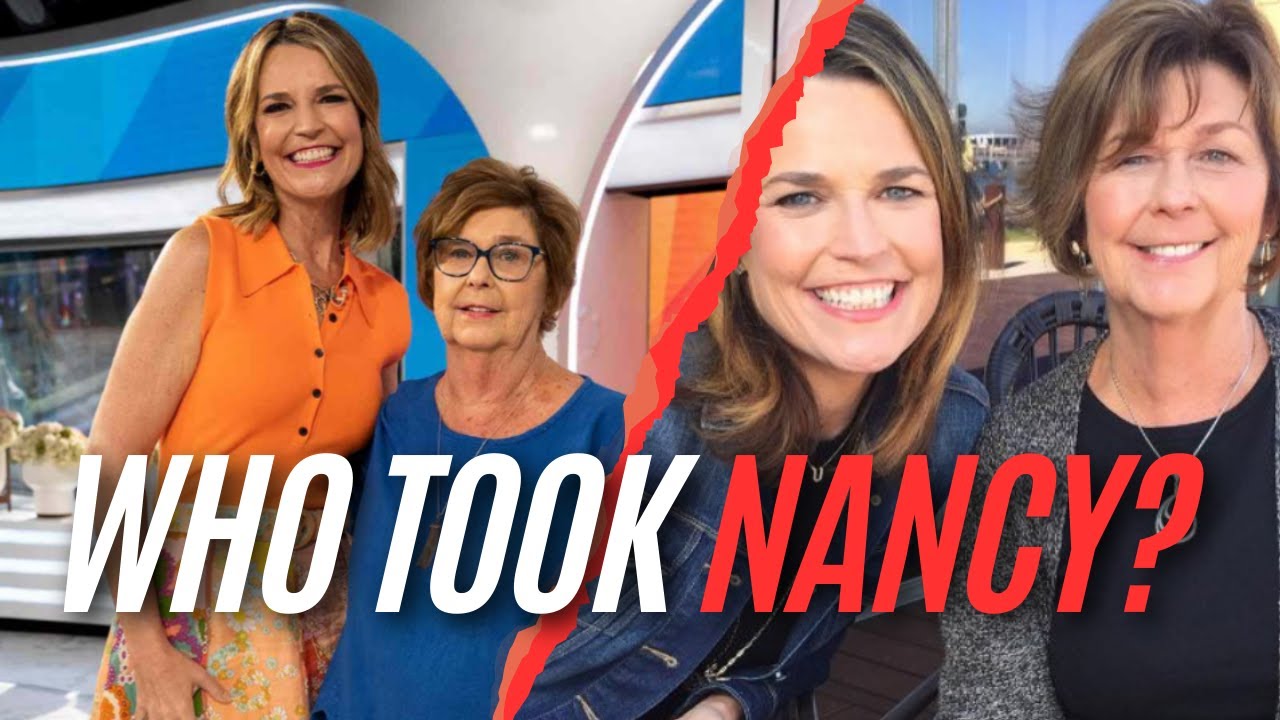
Who took Nancy Guthrie? Savannah Guthrie's mother missing and police call her home a crime scene
"The 84-year-old mother of TV host Savannah Guthrie has vanished from her Arizona home, with police declaring the residence a crime scene and suspecting foul play rather than a simple disappearance."