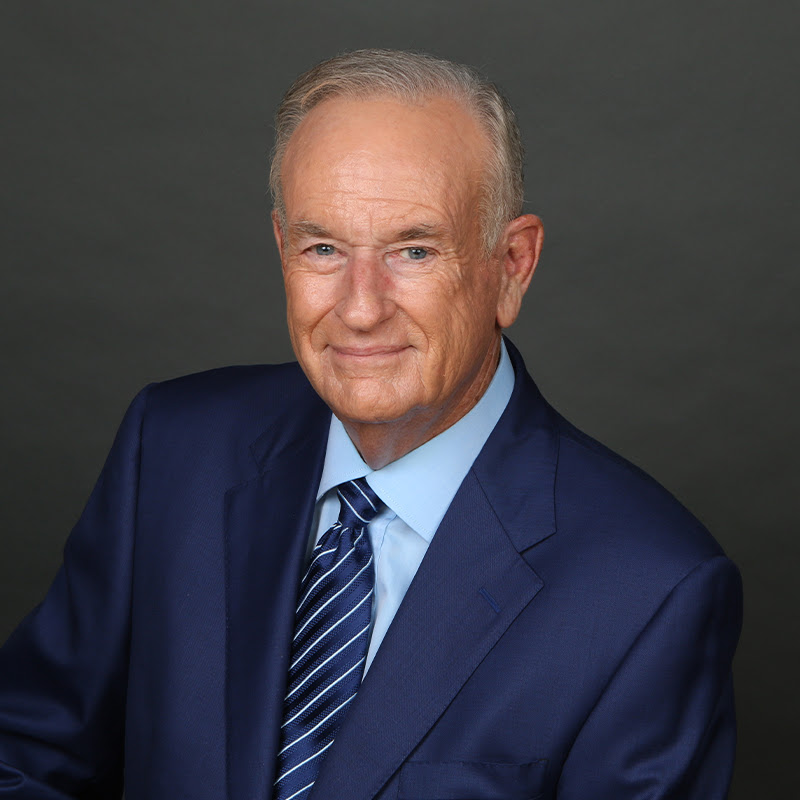
We'll Do It Live! — Rob Schneider
YouTube · NZ4uucxLYMw
Quick Read
Summary
Takeaways
- ❖Comedies are inherently more 'sink or swim' than dramas; if an audience doesn't laugh, it's a disaster.
- ❖The concept of 'punching down' in comedy is offensive because it implies some people are 'beneath' others and need defending, which Schneider views as patronizing.
- ❖Filipino Americans are cited as the highest earners in the US, attributed to their strong assimilation into American culture.
- ❖Schneider's mother, having lived through the Marcos era and Japanese occupation, instilled a fierce appreciation for American freedom and opportunity.
- ❖Schneider converted to Catholicism during COVID, seeing society succumb to tyranny and seeking a foundational belief system.
- ❖He moved from California to Arizona due to concerns about 'draconian measures' and the state becoming a 'pincer trap' during COVID lockdowns.
- ❖Adam Sandler actively fosters friendships among his SNL peers, even producing a movie to reconcile Rob Schneider and David Spade.
- ❖Norm Macdonald was admired for his 'comedy first' approach, even if it cost him, and his defiance of political correctness.
- ❖Bill O'Reilly brought Dennis Miller to Fox News after his CNBC show with a monkey failed, recognizing Miller's intelligent humor.
- ❖Schneider believes late-night hosts like Jimmy Kimmel have been 'deballed' by 'liberal women' (specifically Kimmel's wife) who control their content, leading to a lack of diverse thought.
- ❖He advocates countering cancel culture with 'love and understanding,' as demonstrated in his interaction with Robert De Niro over Trump support.
- ❖Schneider views the 'red-green alliance' (communism/wokeism combined with Islamism) as the greatest threat to America and Western civilization.
Insights
1The High-Stakes Nature of Comedy vs. Drama
Rob Schneider explains that comedy is a far riskier endeavor than drama. In drama, audiences are more forgiving of a less-than-perfect experience, but if a comedy fails to elicit laughter, it's considered a complete disaster. This pressure necessitates a strong, supportive team dynamic among comedians.
Schneider recounts John Cleese's observation that Adam Sandler moved to dramas because 'it's easier.' He states, 'If you go see a comedy and you don't laugh, that is a disaster. That's when you really look bad. So comedies are definitely more of a risk.'
2Filipino American Assimilation and Economic Success
Schneider highlights the unique success of Filipino Americans, stating they have the highest average income in the US. He attributes this to their strong assimilation, willingness to marry into the culture, and commitment to learning the language, contrasting it with other immigrant groups who he suggests may 'take advantage' of American systems.
Schneider states, 'The highest earners in America, Filipino Americans, they average 93,000 per cap... they really do well because they assimilate and when you get somebody from over the Philippines, they'll marry into the culture... they'll definitely know and learn the language.' He then raises a concern about people from Somalia coming to 'naive' states like Minnesota and 'completely take advantage of these people.'
3Political Correctness Diminishes Comedy and Culture
Both O'Reilly and Schneider argue that political correctness has stifled comedic expression, particularly in mainstream outlets like Saturday Night Live and late-night TV. They believe it has led to a lack of 'diversity of thought,' preventing comedians from challenging audiences and making humor about all political figures, even their own side.
Schneider asserts, 'I think it got lost in this... the liberal intelligencia. It did because what it did it took away the opportunity for laughs. Joe Biden and Kamala Harris was the greatest opportunity in the last 25 years for humor.' O'Reilly adds that conservative voices are 'deprived of work' for not conforming.
4Adam Sandler's Role in Fostering Comedic Brotherhood
Schneider details Adam Sandler's unique commitment to his friends and fellow comedians, not just by casting them in movies but by actively working to mend personal rifts. Sandler's work ethic is also highlighted as relentless, constantly developing multiple projects.
Schneider recounts a falling out with David Spade: 'Adam saying, you know, there's a movie that you're going to do and you know, you're going to work with David. And he made a movie... literally made the movie so that David and I... would have to work together so we'd have to work it out and we've been friends. We've been tight ever since.'
Bottom Line
The 'red-green alliance' (communism/wokeism combined with Islamism) is presented as the primary existential threat to America and Western civilization, fueled by foreign soft money influencing universities.
This perspective suggests a deeper, more coordinated ideological and financial attack on Western values than commonly discussed, implying that current cultural and political conflicts are symptoms of this larger, insidious alliance.
For analysts or strategists, this frames the cultural and political battle as a unified front against a specific ideological combination, potentially guiding counter-narrative development or policy recommendations focused on identifying and neutralizing these perceived influences.
The concept of 'punching down' in comedy is not only creatively restrictive but also 'patronizing,' implying that certain groups are inherently weak and need protection, which Schneider finds offensive.
This challenges the prevailing progressive view on comedic ethics, suggesting that attempts to protect certain groups from humor inadvertently disempower them and create a 'caste system' of vulnerability.
Comedians and content creators could explore this contrarian viewpoint to develop material that challenges perceived societal hierarchies without being genuinely malicious, potentially tapping into an audience segment tired of perceived 'patronizing' humor.
Key Concepts
The Comedian's Attention Deficit
Schneider suggests comedians often have an 'original attention deficit disorder,' allowing them to focus intensely on small, funny details for brief periods and extract jokes from them, like dissecting the multiple meanings of 'dude'.
Comedy as Challenge
Schneider's philosophy that a comedian's job is to challenge and push the audience, even if it risks offense, to achieve true humor and show absurdity, citing George Carlin as an example. Avoiding this diminishes culture.
The 'Punching Down' Fallacy
Schneider argues that the concept of 'punching down' in comedy is inherently offensive because it presupposes that certain groups are 'beneath' others and too feeble to withstand humor, thus patronizing them rather than protecting them.
Lessons
- Cultivate a supportive professional network that extends beyond work, as demonstrated by Adam Sandler's commitment to his SNL friends, even mediating conflicts.
- Challenge prevailing cultural norms and 'politically correct' narratives in your field if you believe they stifle genuine expression or critical thought, recognizing potential career risks but also opportunities for independent reach.
- For immigrants or those seeking success in a new culture, prioritize assimilation by learning the language and integrating into societal norms, as highlighted by the success of Filipino Americans.
Notable Moments
Rob Schneider recounts Robert De Niro confronting him about his Trump support at the SNL 50th anniversary, to which Schneider responded by saying, 'I love you.'
This anecdote illustrates the intense political polarization even within the entertainment industry and Schneider's chosen method of de-escalation by expressing affection rather than engaging in argument, suggesting a strategy for navigating ideological divides.
Bill O'Reilly details how he discovered Dennis Miller working on a CNBC show 'with a monkey' and subsequently brought him to Fox News, launching Miller's successful run as a political commentator.
This highlights O'Reilly's ability to spot talent in unconventional places and create new opportunities for individuals whose unique styles might not fit traditional media formats, demonstrating an entrepreneurial approach to content creation.
Quotes
"If you go see a comedy and you don't laugh, that is a disaster. That's when you really look bad. So comedies are definitely more of a risk."
"The highest earners in America, Filipino Americans, they average 93,000 per cap... they really do well because they assimilate."
"The idea somehow that these people need to be defended because they're so feeble and they're so weak that uh you as the higher up in society need to defend these people. I'm offended that that I find offensive."
"They want diversity of look. It is a shame cuz it's diminishing cuz you know you you need to have your certainties questioned, your foundational thinking needs to be challenged."
"Joe Biden and Kamala Harris was the greatest opportunity in the last 25 years for humor."
"We're not going to win the cancel culture. They're better at it than us. We're going to have to do it some other way. And it's going to be have to be through love and understand."
"The grifting is the left. If you just shut up and if you just go along with this insanity and this liberal and yes, men, you know, can be women if they say they are..."
"This communist under the you know the new name woke which is just communism dressed up as manners... but teaming up with um Islam that's the real threat to America right now."
"I think it's um liberal liberal women that have lost their minds are controlling these men and these guys have no more balls."
Q&A
Recent Questions
Related Episodes

Joe Rogan Experience #2471 - Mark Normand
"Comedians Joe Rogan and Mark Normand dissect the absurdity of modern media, politics, and human behavior, from AI-generated propaganda to the perils of comfort and cancel culture."

🚨 THEY F*CKED AROUND FOR THE LAST TIME 😭😭😭
"This episode unleashes a torrent of highly opinionated commentary on the US-Iran deal, Israel's role, and a scathing critique of 'leftist' policies and immigration, particularly highlighting the UK grooming gang report as evidence of Western societal decay."
🚨 THEY… F*CKING... FOUND… OUT… 😂😂😂
"The host delivers a fiery, unfiltered commentary on global and domestic political events, framing them as a battle between a 'collapsing globalist order' and a 'resurgent new right' that prioritizes national sovereignty and traditional Western values."

HANTAVIRUS PANDEMIC PANIC, Human To Human Spread Feared | Timcast IRL
"Tim Pool and his guests dismiss the Hantavirus panic as media desperation, pivot to discussing escalating political polarization, the rise of technocracy, and the weaponization of social issues."