BREAKING: Iran Fears BLOCKADE; Trump Tightens SIEGE; Hezbollah Cracks | TBN Israel
YouTube · NtW4qy6ssR4
Quick Read
Summary
Takeaways
- ❖The US has shifted its strategy against Iran from heavy bombing to a 'choking blockade' and economic pressure.
- ❖The naval blockade is costing Iran an estimated half a billion dollars per day, severely impacting its economy and ability to pay officials.
- ❖Iran's attempts to close the Strait of Hormuz backfired, as the US responded by closing it for Iran, turning a potential global crisis into an Iranian financial disaster.
- ❖Internal disagreements and power struggles are deepening within Iran's revolutionary guards and leadership due to the sustained pressure.
- ❖Iran is engaging in 'maritime guerrilla warfare' in the Strait of Hormuz, using small boats to seize commercial vessels and disrupt shipping, aiming to create uncertainty and inflict economic pain on the West.
- ❖Despite military weakness, Iran's 'terrorist' tactics in the Strait of Hormuz are effective in raising insurance costs and oil prices.
- ❖Israel is conducting 'Operation Silver Plow' in southern Lebanon, systematically demolishing villages and infrastructure along the border to deny Hezbollah operational space.
- ❖Hezbollah views Israel's border operation as a significant threat and has requested Iran to pressure the US to stop it.
- ❖The US demands Iran transfer its highly-enriched uranium to end the conflict, signaling a non-negotiable stance on its nuclear program.
- ❖Europe is preparing for an energy crisis due to rising oil prices and potential disruptions from the Strait of Hormuz situation.
Bottom Line
The US is financially benefiting from the war against Iran by effectively turning Iran's attempt to close the Strait of Hormuz into a self-inflicted economic wound for Tehran, while keeping global oil flows largely stable for itself.
This suggests a sophisticated economic warfare model where the aggressor (Iran) inadvertently creates leverage for its adversary (US), shifting the financial burden and making the conflict profitable for the US.
Nations and businesses could analyze this model to develop defensive and offensive economic strategies that exploit an opponent's miscalculations in critical global choke points, turning their aggressive actions into financial liabilities.
Iran's 'maritime guerrilla warfare' in the Strait of Hormuz, using small, seemingly unsophisticated boats to seize commercial tankers, is highly effective in disrupting global shipping and raising oil prices, despite Iran's conventional military inferiority.
This demonstrates that asymmetric tactics, focused on creating fear and uncertainty rather than direct military victory, can achieve significant strategic and economic objectives against superior conventional forces.
Naval defense and maritime security industries could develop new counter-asymmetric warfare technologies and doctrines specifically designed to neutralize small, fast, and numerous threats to commercial shipping, rather than focusing solely on traditional naval engagements.
Lessons
- Stay informed about geopolitical shifts in the Middle East, particularly the US-Iran conflict and its economic implications, by following reliable news sources.
- Consider the broader impact of regional conflicts on global supply chains and energy markets, and assess potential risks to personal or business investments.
- Engage in prayer for peace in Jerusalem, wisdom for leaders, and the safety of servicemen and women, as encouraged by the hosts.
Quotes
"The blockade frightens Iran more than the bombs do. One hand is extended to save the Iranian people and the other hand is choking the regime."
"The US is not suffering financially from the war against Iran. The US is making money from the war against Iran."
"The Iranians have no way of defeating the United States military power, but they're basically acting like a terrorist organization, but in a bigger scale."
"The only long-term solution, by the way, for this entire conversation, be it Iran, Hummus, or of course, Lebanon, the only way to long-term solve these issues is not with the power of the fist, the bullet, or the aircraft. It is by diplomatic means, is by long-term agreements."
"Iran is saying you can choke us at the ports, intercept tankers and expand the blockade all the way to the Indian Ocean, but we can still turn every sealane into a threat."
Q&A
Recent Questions
Related Episodes

BREAKING: Iran Threatens To END Talks; U.S. Vows Retaliation; Hezbollah Collapsing? | TBN Israel
"Iran is leveraging Hezbollah and the Strait of Hormuz to manipulate US negotiations, while Israel asserts its right to dismantle Hezbollah's eroding but still dangerous infrastructure in Lebanon, independent of international talks."

Patrick Henningsen: Hezbollah JUST Fired Back at Israel - Iran Vows to “Crush” All Attacks
"Patrick Henningsen argues that the US and Israel initiated an illegal war against Iran, driven by Trump's incompetence and Israeli influence, leading to an inevitable escalation with severe global economic repercussions."
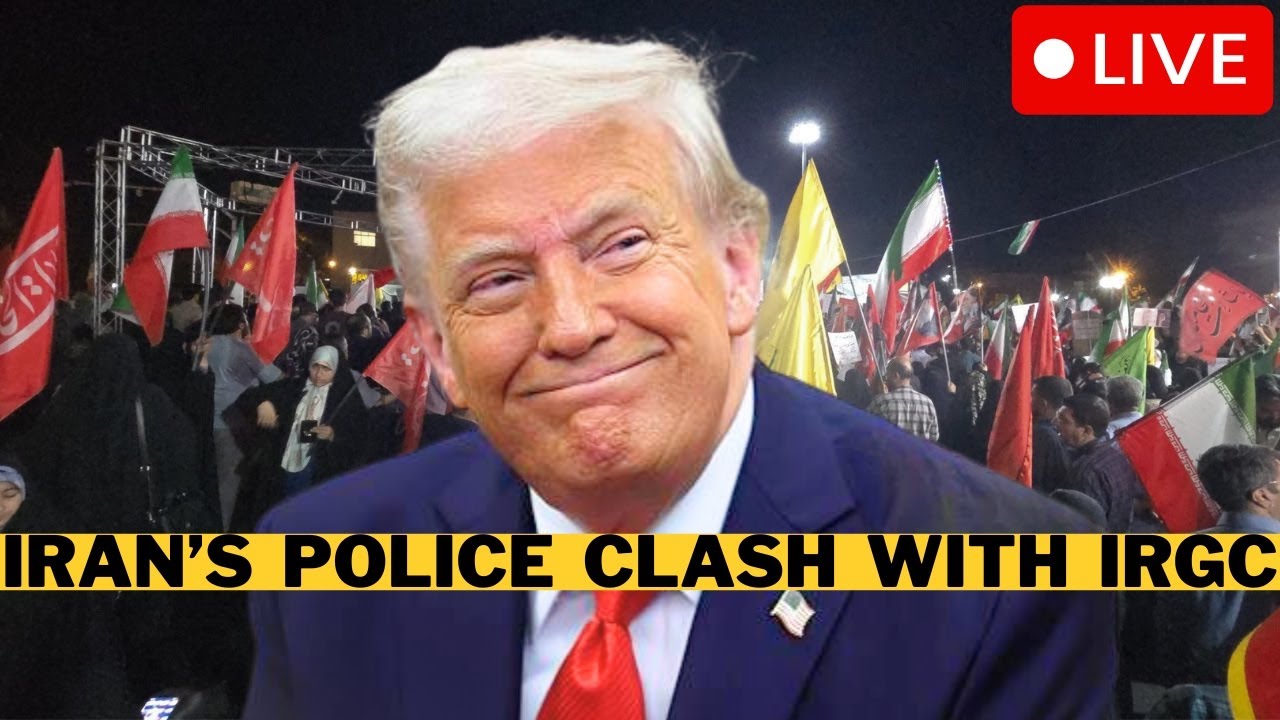
BREAKING: Protests ERUPT In Iran Over IRGC Surrendering To Trump - Infighting Clashes In Tehran
"Iran is experiencing severe internal infighting and protests as hardline IRGC elements clash with government figures over a perceived 'surrender' to the US, while mainstream Western media misrepresents the situation."

Iran Update: Israel’s Newest Bombing Campaign, the Oncoming War With China and How to Avoid It
"Colonel Wilerson reveals how the US and Israel are actively bombing China's strategic infrastructure in Iran, escalating a covert economic war that Beijing intends to win without direct military conflict by dismantling the dollar's global dominance."