Trump’s HUMILIATED as NO-BID SCAM Backfires!!!
YouTube · O3KFdXzKc9w
Quick Read
Summary
Takeaways
- ❖Donald Trump's name was controversially added to and then removed from the Kennedy Center, with his appointees obscuring the removal.
- ❖A $14 million no-bid contract to repaint the Reflection Pool blue backfired, as the pool quickly turned green due to algae, underscoring alleged wasteful spending.
- ❖The administration's repeated invocation of 'emergency powers' for various projects, including the border wall and the Reflection Pool, is a concerning pattern.
- ❖The potential appointment of Bill Palty as Director of National Intelligence is viewed as a severe threat, given his history of weaponizing government data against political opponents.
Insights
1Illegal Naming of Kennedy Center and Subsequent Cover-Up
Donald Trump's name was controversially chiseled onto the John F. Kennedy Center for the Performing Arts, an act that was later deemed illegal. When ordered to remove it, Trump's appointees on the Kennedy Center board covered the entire area with a tarp, obscuring not only Trump's name but also John F. Kennedy's, preventing public satisfaction from the removal. This action is framed as an assertion of authoritarian power and disregard for history.
Rob Weissman describes the area as covered by a tarp 'as if it were a construction project except it's not because they've done it.' Lisa Graves notes the board's assertion that they will 'search for future ways to add Trump's name to parts of the building or within the building'.
2Reflection Pool No-Bid Contract and Failure
The Trump administration issued a $14 million no-bid contract to repaint the Reflection Pool a 'bright blue' color, allegedly for Trump's birthday. This project was criticized for painting granite, which is generally not recommended, and for reallocating funds from national park maintenance. The blue paint quickly succumbed to algae, turning the pool green, rendering the expensive project ineffective and defeating its purpose as a 'reflecting pool'.
Lisa Graves details the 'no bid contract' for a 'pool resurfacing company to resurface the reflection pool' for $14 million, which 'was blue for like possibly a day' before 'the algae took over'. Rob Weissman adds that the blue color 'defeats the reflection'.
3Weaponization of Emergency Powers
The administration repeatedly invoked 'emergency powers' to bypass standard procurement and legal processes, such as for the no-bid Reflection Pool contract. This pattern extends to more significant issues like reallocating funds for the border wall, deploying the National Guard, and impacting energy policies. This invocation of emergency powers is viewed as a dangerous theme, potentially leading to authoritarian actions.
Rob Weissman states, 'they said it was an emergency... and that does tie to a pretty important theme of this administration, which is the invocation of a lot of presidential emergency powers.' He connects it to the border wall and National Guard deployments.
4Threat of Insurrection Act Invocation and Election Interference
There was a serious attempt by Donald Trump to invoke the Insurrection Act and declare martial law in Minneapolis during ICE operations, allegedly pushed by Stephen Miller. This revelation highlights the heightened risk of such powers being used to disrupt elections, potentially through the deployment of troops under false pretexts to interfere with voting or ballot counting.
Lisa Graves discusses reporting about Donald Trump wanting to 'invoke the insurrection act to declare martial law' in Minneapolis. Rob Weissman notes, 'we're much closer to having the insurrection act invoked than anyone realized' and that it remains a 'heightened risk'.
5Appointment of Bill Palty to DNI as a Threat to National Security
The potential appointment of Bill Palty as the acting Director of National Intelligence (DNI) is seen as a profound danger. Palty, who previously weaponized the Federal Housing Finance Agency by using mortgage data to target political enemies, lacks any national security experience. His appointment is interpreted as an attempt to weaponize the entire U.S. intelligence apparatus against political opponents and to interfere with elections, bypassing Senate confirmation.
Lisa Graves describes Palty as 'an heir to a real estate... building fortune... no experience in national security.' Rob Weissman states, 'The reason he's getting the job is because he knows how to weaponize government.' He also notes Palty is in an 'acting basis' to avoid Senate confirmation.
Lessons
- Monitor local and national election integrity efforts, supporting organizations involved in scenario planning and legal defense against election sabotage.
- Stay informed about executive actions and appointments, particularly those involving 'emergency powers' or positions within intelligence agencies, to identify potential abuses of power.
- Engage with advocacy groups like Public Citizen that work to protect democratic institutions and hold government officials accountable for alleged corruption and mismanagement.
Quotes
"To put your name literally on top of John Kennedy's on the Kennedy Center was astounding. It's the kind of thing I never even would have thought of, which is probably why they like it because exactly that it is so brazen and such an assertion of authoritarian power and disregard for history or the importance of any other human being who ever has lived advances their agenda."
"The problem is that they have destroyed its good name. Literally destroyed its good name."
"The reason he's getting the job is because he knows how to weaponize government."
Q&A
Recent Questions
Related Episodes
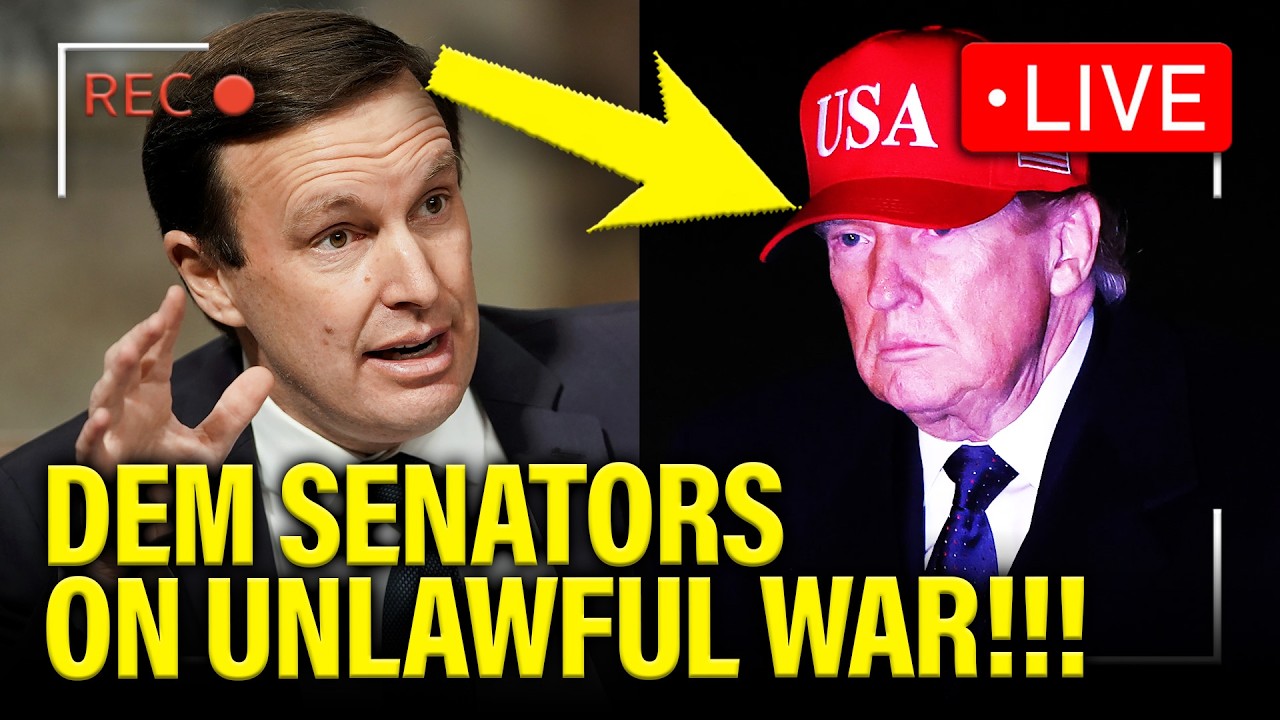
LIVE: DEM SENATORS ADDRESS UNLAWFUL WAR!!
"Democratic Senators, joined by VoteVets, forcefully condemn the administration's 'unlawful war' in Iran, citing constitutional overreach, devastating human and economic costs, and a deliberate lack of transparency and congressional oversight."

Mamdani CELEBRATES NYC Rent Freeze, This Will DESTROY The City | Timcast IRL
"New York City's rent freeze, celebrated by Mandami, is framed as a socialist 'land grab' that will devastate the city's housing market and economy, while a FIFA Pride Match in Seattle sparks outrage from conservative nations."
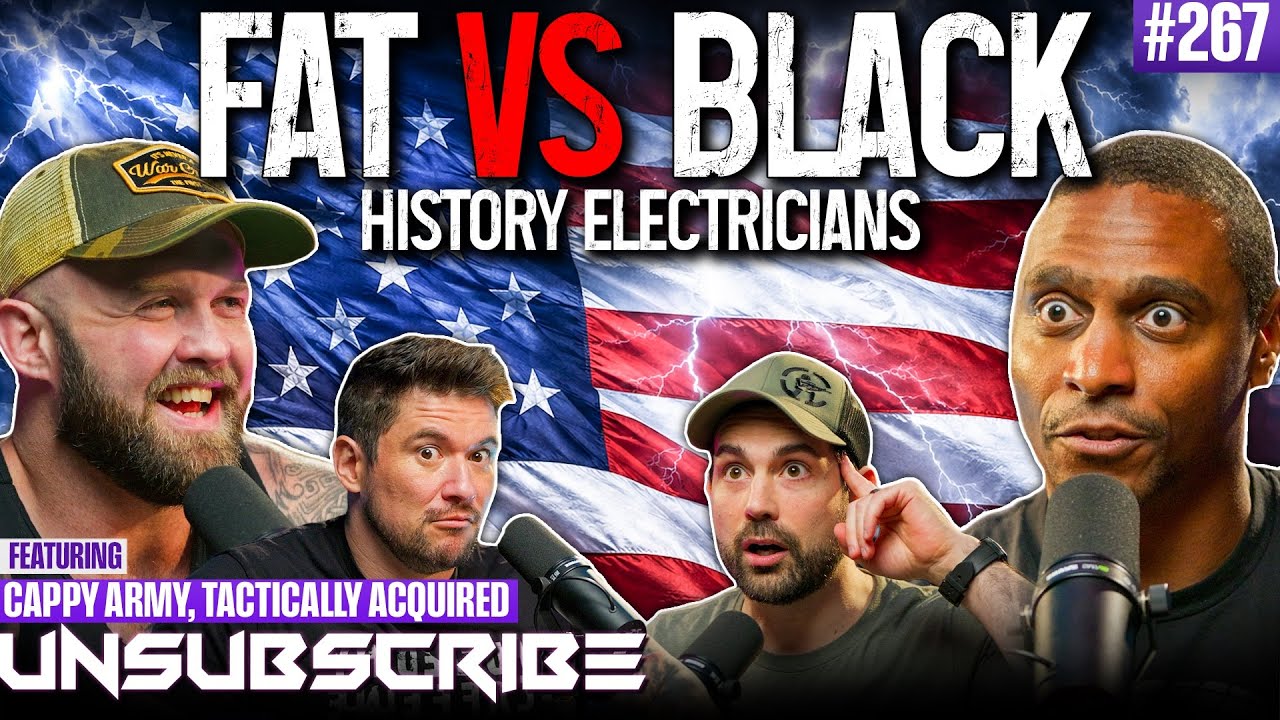
The Fat Electrician Vs Tactically Acquired | Unsubscribe Podcast 267
"This episode features military content creators discussing current geopolitical hotspots, advanced weaponry, and the surprising psychological warfare tactics of modern conflict, alongside their personal journeys building online communities."

LIVE: Trump $1.8B Scheme Faces IMMINENT COLLAPSE!!
"Donald Trump's $1.8 billion 'slush fund' faces imminent collapse due to a barrage of lawsuits, bipartisan Republican opposition, and judicial scrutiny over alleged fraud and procedural defects."