BREAKING: IDF Assassinates Iran Military Mastermind; U.S. Deploys POWERFUL New Weapon | TBN Israel
YouTube · OJZgHBa8NOc
Quick Read
Summary
Takeaways
- ❖Israel eliminated Ali Liani, Iran's de facto leader, and Basie commander Golam Raz Sulimmani, alongside their deputies.
- ❖IDF/US strikes targeted Iran's naval command, military satellite center, missile arrays, and internal security checkpoints.
- ❖The US deployed the Leonitis electromagnetic pulse (EMP) weapon and reverse-engineered Lucas drones for counter-drone and counter-projectile defense.
- ❖Iran is attempting a selective blockade of the Strait of Hormuz to disrupt global energy routes and pressure markets.
- ❖Internal cracks, defections, and a widening rift within the Iranian regime are reported, challenging its stability.
- ❖The IDF initiated ground operations in southern Lebanon to push Hezbollah back, linking it to the broader campaign against Iran.
Insights
1Systematic Elimination of Iranian Leadership and Control Mechanisms
Israel conducted a precise wave of strikes in Tehran, Shiraz, and Tabriz, eliminating key figures like Ali Liani, seen as Iran's de facto leader, and Basie commander Golam Raz Sulimmani and his deputy. These strikes targeted not just infrastructure but critical centers of power: the decision-making apparatus and the internal repression mechanism. This is part of a broader strategy to leave Iran without the ability to govern itself, respond effectively, or maintain a stable regime.
Israel eliminated Ali Liani and Basie commander Golam Raz Sulimmani and his deputy. This was a focused move against the two most critical centers of power inside the regime: the man managing decision-making and the man keeping the streets under fear. (, )
2Deployment of Advanced US Counter-Drone and EMP Weaponry
The United States deployed the Leonitis, an electromagnetic pulse (EMP) weapon, capable of frying the electronics of rockets, missiles, and drone swarms simultaneously. This system, now mounted on trucks or static platforms, represents a significant leap in counter-drone and counter-kinetic energy defense, even against EMP-protected or fiber-optic controlled drones. Additionally, the US reverse-engineered Iran's Shahed drone, creating the 'Lucas drone'—a low-cost, effective weapon designed to exhaust Iranian air defenses.
The US has deployed this new system, Leonitis, that uses electromagnetic pulses in various wavelengths to fry the electronics on board drones, rockets, and missiles. It can knock out swarms of drones at once. The US also deployed Lucas drones, reverse-engineered from Iranian Shahed drones, at $35,000 a piece, to exhaust enemy air defenses. (, )
3Iran's Economic Warfare via Strait of Hormuz and Gulf State Attacks
Iran is leveraging its remaining military power to enforce a selective siege on energy routes through the Strait of Hormuz, blocking major economies in Europe and Asia while allowing passage only to tankers tied to China and India. This aims to shake global markets, raise oil prices, and split the international coalition against it. Iran is also focusing heavy attacks on the United Arab Emirates, targeting its global hubs of trade, finance, and critical ports like Jebel Ali and Fujairah, to create immediate economic shockwaves.
Iran is activating its last remaining military power in a selective siege that blocks energy routes to major economies in Europe and Asia, shaking markets. Iran is focusing its heavy attacks on the United Arab Emirates, a global hub, to create immediate shock in markets and supply chains. (, )
4Internal Cracks and Leadership Instability within the Iranian Regime
IDF intelligence identifies cracks in the resilience of Iran's military and Revolutionary Guards, with Basie personnel fleeing and senior IRGC officials defecting. Drone strikes on security checkpoints in Tehran further undermine the regime's control and psychological standing. The controversial appointment of Muchapa as a potential supreme leader, despite his father's opposition and his own near-elimination in an opening strike, highlights a leadership born out of chaos and fear, further eroding legitimacy and widening rifts within the political and military echelons.
IDF intelligence directorate identifies cracks in the resilience of Iran's military and Revolutionary Guards. Basie personnel fled and senior officials are defecting. Strikes on security checkpoints in Tehran by drones were reported. Muchapa, the potential next supreme leader, survived an assassination attempt and his appointment was driven by hardliners after his father's death. (, )
5IDF Ground Operations in Southern Lebanon Against Hezbollah
The IDF has initiated focused ground activities in southern Lebanon, specifically in the Ramim Ridge and Elaim areas. This 'forward defensive mission' aims to push Hezbollah back, expand the security zone, and destroy the first line of houses near the border. These operations are intended to pressure the Lebanese government to restrain Hezbollah, with the Israeli Chief of Staff emphasizing that the Lebanon campaign is integrated with the broader effort against Iran.
IDF Division 9 forces began focused ground activities in southern Lebanon to expand defensive lines and destroy the first row of houses. This is to pressure the Lebanese government to restrain Hezbollah. (, )
Bottom Line
The systematic targeting of Iran's space capabilities, including anti-satellite attack centers, indicates a new dimension of modern warfare where control of the space domain is critical for future force projection and intelligence gathering.
This expands the theater of conflict beyond traditional land, air, and sea, suggesting that future conflicts will heavily involve disrupting or controlling an adversary's space assets for surveillance, communication, and strike capabilities.
Investing in advanced space defense technologies, counter-space capabilities, and resilient satellite networks will be paramount for national security and military advantage.
The reluctance of Gulf States, despite being attacked, to retaliate against Iran highlights a dependency on US/Israeli intervention and a fear of long-term Iranian retribution, even if the regime is weakened.
This dynamic suggests that regional alliances are fragile and that US/Israeli actions are perceived as the primary deterrent and offensive force, potentially limiting the effectiveness of broader coalitions.
Developing independent, robust defense capabilities and fostering stronger, more proactive regional security pacts among Gulf states could reduce reliance on external powers and present a more unified front.
Lessons
- Monitor global energy markets closely for volatility driven by disruptions in the Strait of Hormuz and potential retaliatory strikes on Gulf State infrastructure.
- Assess supply chain vulnerabilities to Middle East geopolitical instability, particularly for goods reliant on maritime shipping through the Persian Gulf and Red Sea.
- Stay informed on the development and deployment of advanced military technologies, such as EMP weapons and autonomous drones, as they redefine modern warfare and defense strategies.
Notable Moments
The revelation that Muchapa, the potential new supreme leader, survived an opening strike by mere minutes, with his wife and other family members terminated.
This incident underscores the precision and lethality of the strikes, the deep penetration of intelligence, and the chaotic, fear-driven nature of the current Iranian leadership succession.
The US President's statement that 'I don't know who you can talk to in Iran because everyone there is dead,' reflecting the scale of leadership elimination.
This aggressive framing by the US highlights the severe degradation of Iran's command structure and projects an image of overwhelming force, aiming to demoralize and destabilize the regime.
Quotes
"I don't know who you can talk to in Iran because everyone there is dead."
"The United States is currently refusing negotiations with Iran. They need more pounding."
"We're fighting a war where Israel and the United States, the United States more than Israel in this case, are trying to reinstate free travel through the straits of Humuz."
"If you mess with a wrong adversary, if you poke the American bear or poke the Israeli bear, you're going to pay for your miscalculation."
Q&A
Recent Questions
Related Episodes

Patrick Henningsen: Hezbollah JUST Fired Back at Israel - Iran Vows to “Crush” All Attacks
"Patrick Henningsen argues that the US and Israel initiated an illegal war against Iran, driven by Trump's incompetence and Israeli influence, leading to an inevitable escalation with severe global economic repercussions."

BREAKING: Iran Threatens To END Talks; U.S. Vows Retaliation; Hezbollah Collapsing? | TBN Israel
"Iran is leveraging Hezbollah and the Strait of Hormuz to manipulate US negotiations, while Israel asserts its right to dismantle Hezbollah's eroding but still dangerous infrastructure in Lebanon, independent of international talks."
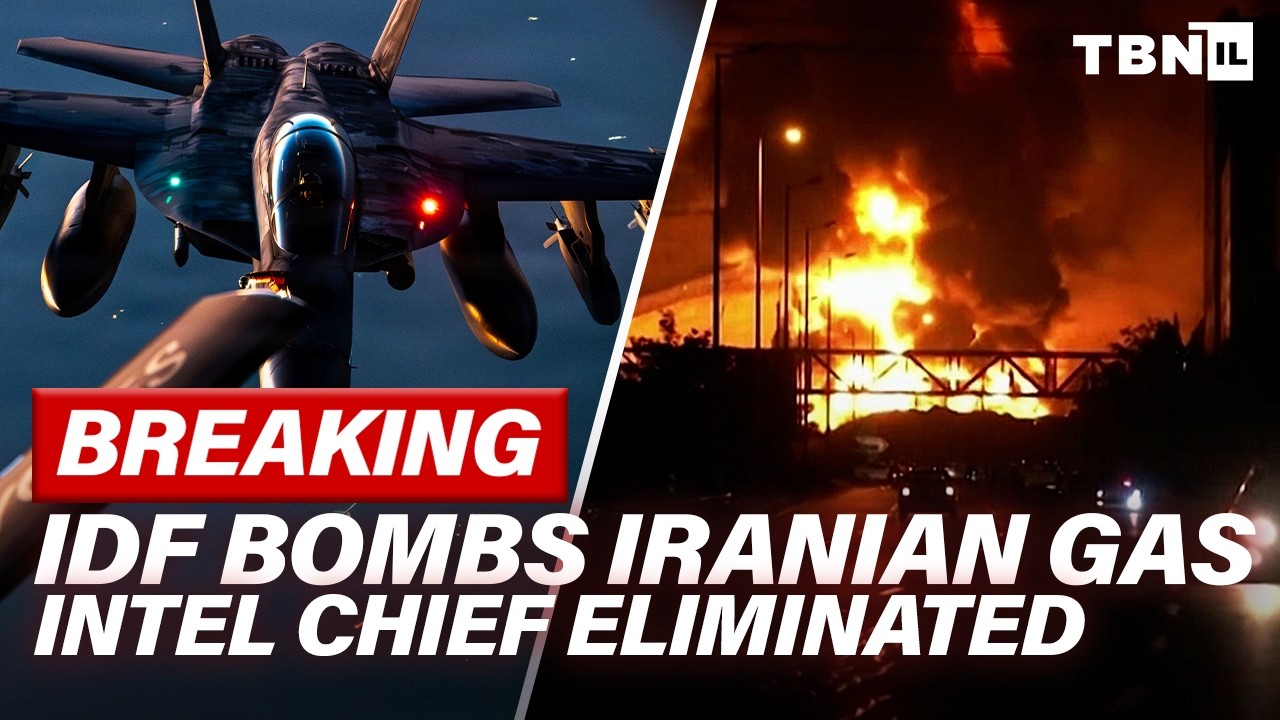
BREAKING: Israel BOMBS Major Iran Gas Site; Top Mullah ELIMINATED; Iran Vows VENGEACE | TBN Israel
"Israel and the United States have escalated their 'Roaring Lion War' against Iran, striking its largest gas facilities, eliminating key intelligence and military figures, and disrupting missile production, while Iran threatens a broader energy war in the Gulf."
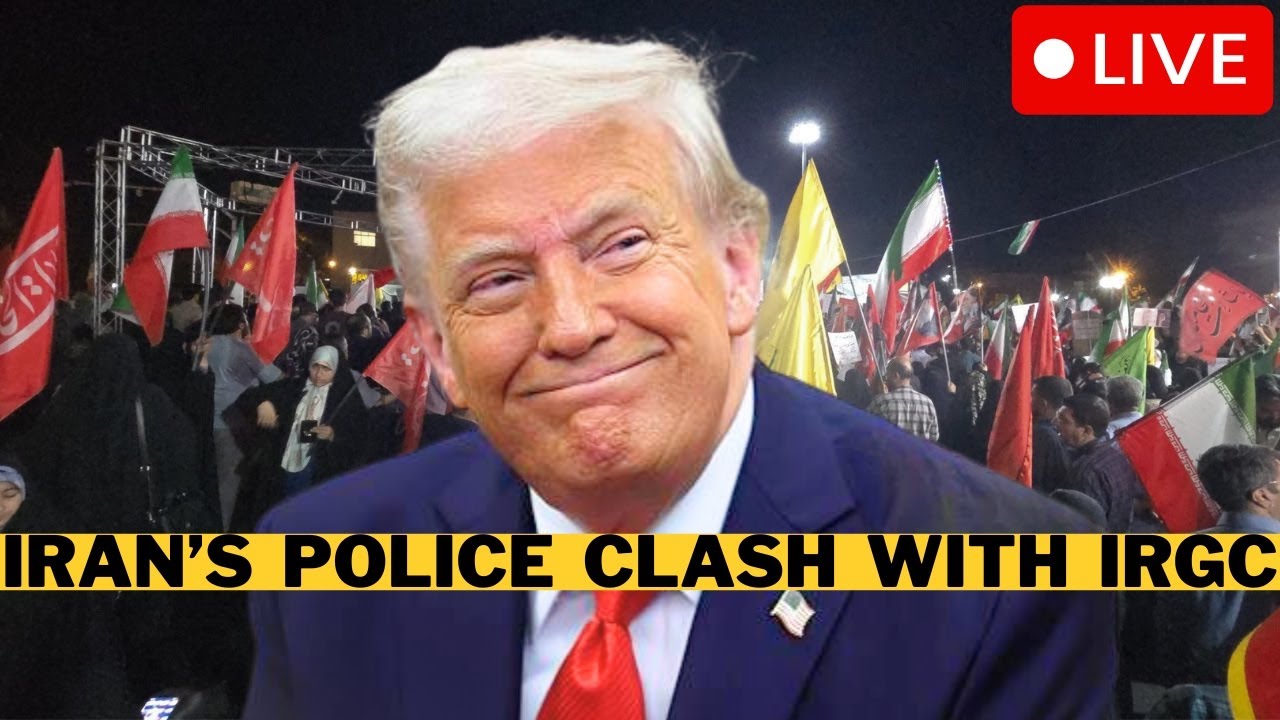
BREAKING: Protests ERUPT In Iran Over IRGC Surrendering To Trump - Infighting Clashes In Tehran
"Iran is experiencing severe internal infighting and protests as hardline IRGC elements clash with government figures over a perceived 'surrender' to the US, while mainstream Western media misrepresents the situation."