U.S. Olympians Take on the Trump Administration
YouTube · OQ3tpDcTRcE
Quick Read
Summary
Takeaways
- ❖The Trump administration politicized the 2024 Winter Olympics through actions like JD Vance's campaign trip to Milan and FBI Director Cash Patel's government-funded attendance at hockey games.
- ❖President Trump publicly attacked US Olympian Hunter Hess as a 'real loser' for expressing nuanced feelings about representing the US, leading to a torrent of online hate.
- ❖Numerous Olympians, including Eileen Goo, Chloe Kim, Kelly Panic, and Amber Glenn, publicly defended Hunter Hess and spoke out against Trump administration policies, such as ICE activities and anti-LGBTQ+ stances.
- ❖The International Olympic Committee (IOC) forced Haitian athletes to remove an image of Toussaint Louverture from their uniforms and prevented Ukrainian skeleton athlete Vladislav Heriskevich from wearing a helmet honoring war dead, citing rules against political statements.
- ❖The IOC's 'neutrality' is framed as selectively benefiting those in power, contrasting with its silence on political attacks against athletes.
- ❖Casey Wasserman, chair of the 2028 Los Angeles Olympics, faces calls for resignation due to his association with Ghislaine Maxwell, silence on ICE actions in LA, and public support for President Trump's anti-trans remarks.
Insights
1Trump Administration's Politicization of the Olympics
The Trump administration overtly politicized the Winter Olympics. Examples include JD Vance using the opening ceremony as a 2028 campaign stop, FBI Director Cash Patel flying on a government plane to attend hockey games and party with the US team, and President Trump's public denouncement of Olympian Hunter Hess for expressing nuanced views on national representation.
JD Vance's appearance and campaign activities (), Cash Patel's government-funded trip and locker room celebration (), Trump calling Hunter Hess a 'real loser' () and unleashing hate ().
2Athlete Activism and Resistance
Despite calls for athletes to remain apolitical, several Olympians used their platforms to challenge the Trump administration. Hunter Hess articulated mixed emotions about representing the US, drawing Trump's ire but support from peers. Other athletes like Kelly Panic and Rich Ru Honen spoke out against ICE, and Amber Glenn addressed the difficulties faced by the LGBTQ+ community under the administration.
Hunter Hess's statement on mixed emotions (), support from Eileen Goo and Chloe Kim (), Kelly Panic's pride in fighting ICE (), Rich Ru Honen's legal condemnation of ICE actions (), Amber Glenn's comments on community struggle ().
3IOC's Selective 'Neutrality'
The International Olympic Committee (IOC) demonstrated inconsistent application of its 'no politics' rule. It forced Haitian athletes to remove an image of Toussaint Louverture from their uniforms and prevented Ukrainian skeleton athlete Vladislav Heriskevich from wearing a helmet honoring war victims. This 'neutrality' is framed by the guest as siding with power and oppressing athlete expression, particularly when compared to the IOC's silence on political attacks against athletes.
Haitian uniform controversy with Toussaint Louverture (), Ukrainian athlete Vladislav Heriskevich's helmet of remembrance being banned for competition (), guest's assertion that IOC neutrality benefits oppressors ().
4Controversies Surrounding LA28 Chair Casey Wasserman
Casey Wasserman, chair of the 2028 Los Angeles Olympics, faces significant pressure to resign. This stems from his inclusion in the Jeffrey Epstein files, the LA28 committee's silence during ICE raids and military presence in Los Angeles, and Wasserman's public applause for President Trump's anti-trans remarks.
Epstein files and Ghislaine Maxwell association (), LA28's silence during ICE and military actions in LA (), Wasserman clapping for Trump's anti-trans rant ().
Notable Moments
FBI Director Cash Patel's controversial trip to the Winter Olympics on a government plane to watch hockey and celebrate with the US team.
This sparked widespread criticism for perceived misuse of taxpayer funds and politicization of a sporting event by a high-ranking government official.
President Trump publicly attacking Olympian Hunter Hess as a 'real loser' for expressing nuanced feelings about representing the US.
This highlights the direct political pressure and personal attacks athletes can face from national leaders for expressing non-conformist views, leading to significant personal distress for the athlete.
The IOC forcing Haitian athletes to remove an image of Toussaint Louverture from their uniforms and banning a Ukrainian athlete's helmet honoring war dead.
These incidents exemplify the IOC's selective enforcement of its 'no politics' rule, which is criticized for suppressing historical and remembrance expressions while often remaining silent on actions by powerful entities.
Quotes
"The Trump administration has fullon politicized these Olympics from the very beginning."
"Just cuz I'm wearing the flag doesn't mean I represent everything that's going on in the US."
"What's happening on the streets of Minnesota is disgusting and illegal, and there's no gray area about it."
"Neutrality when you're talking about powerful people, neutrality tends to benefit the oppressors. Neutrality tends to benefit those who already have power."
Q&A
Recent Questions
Related Episodes
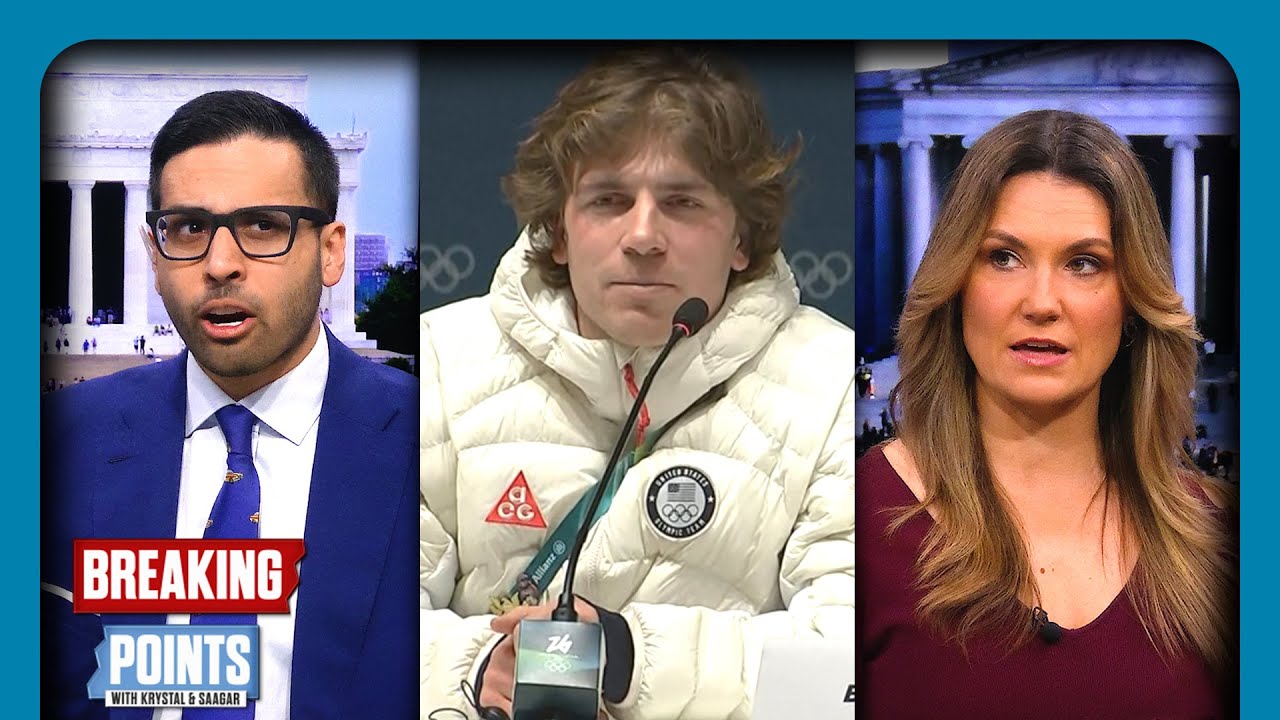
Krystal And Saagar REACT Olympic Athletes Trash America
"Krystal and Saagar dissect the right-wing outrage over American Olympic athletes expressing mild criticism of the US, arguing it exposes a 'fragility' in those demanding unquestioning patriotism."

Mamdani CELEBRATES NYC Rent Freeze, This Will DESTROY The City | Timcast IRL
"New York City's rent freeze, celebrated by Mandami, is framed as a socialist 'land grab' that will devastate the city's housing market and economy, while a FIFA Pride Match in Seattle sparks outrage from conservative nations."

Trump Dirt REVEALED: Iran, Zohran, Pardons, Deportations
"Journalists Maggie Haberman and Jonathan Swan reveal how Donald Trump operates in his second term, detailing his inner circle, policy priorities, and the surprising checks on his executive power."
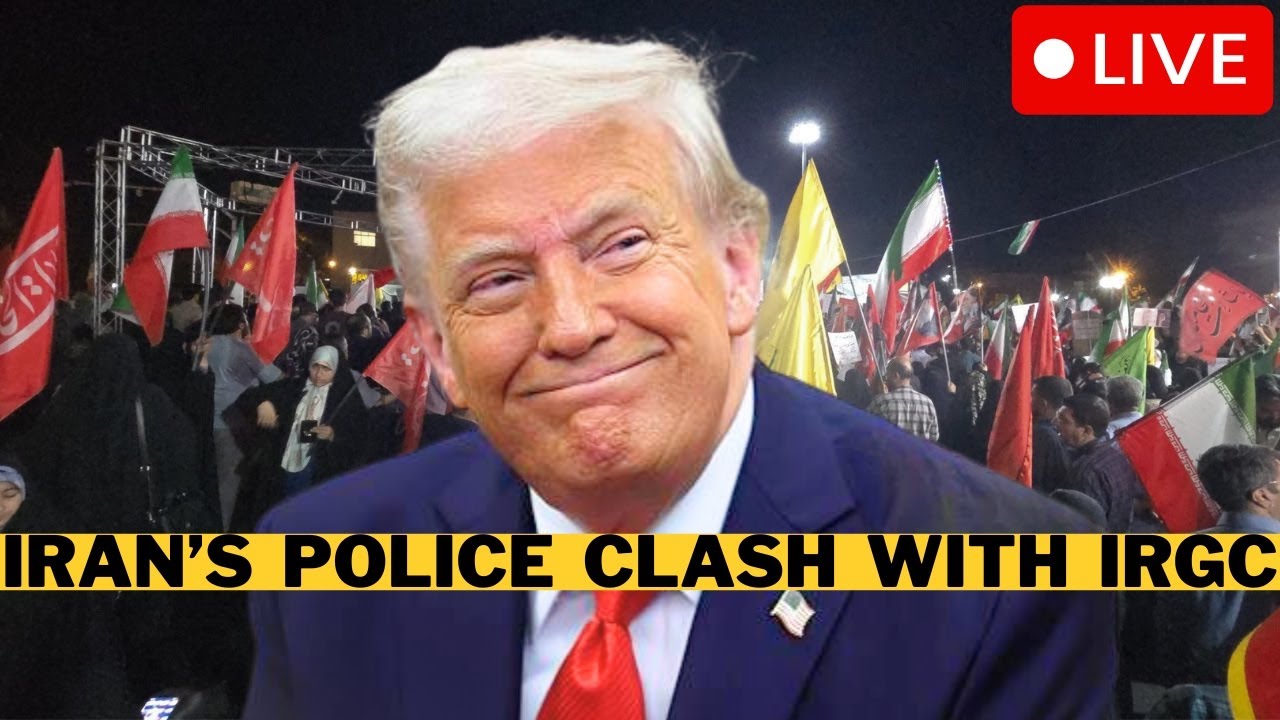
BREAKING: Protests ERUPT In Iran Over IRGC Surrendering To Trump - Infighting Clashes In Tehran
"Iran is experiencing severe internal infighting and protests as hardline IRGC elements clash with government figures over a perceived 'surrender' to the US, while mainstream Western media misrepresents the situation."