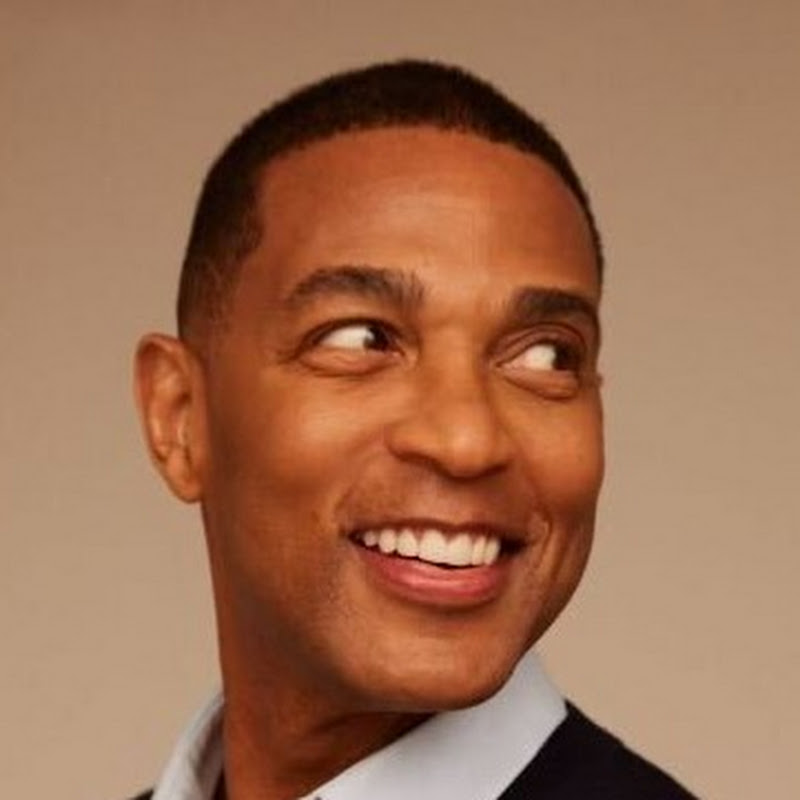
LEMON DROP | Keith Edwards Responds to Jasmine Crockett Backlash
YouTube · PD1AmQx-tN8
Quick Read
Summary
Takeaways
- ❖Both Don Lemon and Keith Edwards refuse to attend the White House Correspondents' Dinner, viewing it as normalizing attacks on the First Amendment.
- ❖The landscape of media is rapidly shifting from corporate dominance to independent digital creators, with Don Lemon being a prime example of successful transition.
- ❖Keith Edwards faced significant backlash, including accusations of racism, for critiquing Congresswoman Jasmine Crockett's political strategy.
- ❖Lemon and Edwards discuss the difficulty of engaging with accusations of racism or unconscious bias online, noting the lack of productive dialogue.
- ❖Keith Edwards believes the Democratic party is in an 'anti-establishment moment,' requiring new nominees who critique both Democrats and Republicans.
- ❖Don Lemon suggests corporate media is restricted from fully reporting on Donald Trump's health due to ownership interests and fear of legal repercussions.
Insights
1White House Correspondents' Dinner: A Normalization of Abnormalcy
Both Don Lemon and Keith Edwards express strong opposition to attending the White House Correspondents' Dinner. They argue that participating in the event, especially when the President has been perceived as an 'enemy of the First Amendment,' normalizes and legitimizes actions that undermine journalism and free speech. They believe journalists should not celebrate with those who seek to control or diminish their profession.
Keith Edwards states, 'Why would I go and sit and like have champagne with people who arrested me? And so, I feel like sitting there and sipping champagne in a tuxedo is kind of normalizing it. And it's this isn't normal.' Don Lemon adds, 'He's been such an enemy of the First Amendment. I just don't... and this this is really just supposed to be a celebration of that.'
2The Rise of Independent Digital Media Creators
The conversation highlights a significant shift in media power from traditional corporate outlets to independent digital creators. Don Lemon, having transitioned from CNN, and Keith Edwards, a political commentator and digital creator, discuss the entrepreneurial nature of this new landscape. They note the lack of a 'roadmap' for success but acknowledge the substantial impact and reach possible for those who do it well, often surpassing legacy media figures in public recognition at events.
Don Lemon remarks, 'I'm in a whole different kind of a different place than I was obviously when I was with corporate media... All those people want to be us now and and digital media.' Keith Edwards mentions, 'I started my channel 20 months ago... I think you've really shown like how big and impactful this can be if it's done well.' Lemon also notes, 'When I walk in I'm often the most like I don't know if it's the most famous or that people are gravitating going I want selfies.'
3Navigating Online Scrutiny and Accusations of Bias
Keith Edwards details the intense online backlash he received, including accusations of racism, for critiquing Congresswoman Jasmine Crockett's political strategy. He finds it frustrating to be 'misunderstood' and believes many attacks are in 'bad faith' attempts to silence him. Don Lemon emphasizes the importance of considering unconscious bias, especially for members of minority communities, and the different rules that apply to them.
Keith Edwards states, 'I had my opinion and then other people have their opinions... I think a lot were in bad faith and that I think it's unfortunate that that's a response you can get on the internet for truly just saying like I think the way that she says she can win Texas doesn't work.' Don Lemon adds, 'The rules are not always the same for us and the rules are not the same for black women. And when criticism that people when they're criticizing or analyzing it analyzing they should they need to take that into account.'
4Democratic Party's 'Anti-Establishment Moment'
Keith Edwards posits that the Democratic party is currently in an 'anti-establishment moment,' suggesting that future nominees will need to run on platforms that critique both Democrats and Republicans, focusing on corruption. He believes candidates who have been part of the current establishment will struggle to gain primary voter support, citing current DNC under-fundraising despite favorable polling.
Keith Edwards asserts, 'I think we are in an anti-establishment moment. Um I think whoever becomes a nominee is going to run on a platform that critiques not only Democrats, but one that critiques Republicans and comes after the corruption that we're all experiencing in this country.' He adds, 'Democrats are pissed off. You know, the DNC is under fundraising at this point.'
5Corporate Media's Constraints on Reporting Trump's Health
Don Lemon suggests that corporate media outlets are constrained from fully reporting on Donald Trump's perceived physical and mental decline due to ownership interests and fear of legal repercussions. He implies that media companies, influenced by pro-Trump owners, avoid 'headaches' by not pursuing certain stories, even when there's clear evidence of issues.
Don Lemon states, 'They can't do it... Because someone is going to get a phone call. Look at who owns the companies now... they don't want those headaches. And so if it if that means just that's what that's what they do.' He points to Trump's 'cankles, falling asleep, slurring' and incoherent speech as evidence.
Bottom Line
The rise of independent digital media is not just a shift in platform, but a fundamental change in the power dynamic, allowing creators to bypass traditional gatekeepers and directly engage with audiences, often leading to greater public recognition than corporate journalists at industry events.
This trend indicates a continued erosion of trust and influence for legacy media, creating opportunities for agile, authentic voices to build significant platforms and challenge established narratives without corporate constraints.
Entrepreneurs can focus on building direct-to-audience content models in niche political or social commentary, leveraging personal brand and direct engagement to create sustainable, impactful media ventures independent of traditional media structures.
Corporate media's self-censorship regarding politically sensitive topics, like a major candidate's health, is influenced by ownership interests and the desire to avoid legal or political 'headaches,' rather than purely journalistic principles.
This highlights a critical vulnerability in the traditional media landscape, where financial and political pressures can compromise objective reporting, leaving the public uninformed on crucial matters.
Independent journalists and investigative teams can fill this void by rigorously pursuing stories that corporate media avoids, building trust and a dedicated audience by demonstrating a commitment to unfiltered truth, potentially through crowdfunded models or non-profit structures.
Opportunities
Independent Political Commentary Platform
Create a platform or network specifically for political commentators and digital creators who have transitioned from corporate media or are building independent brands. This platform would offer infrastructure, monetization tools, and community support to help creators thrive outside traditional media, focusing on unfiltered analysis and direct audience engagement.
Bias-Aware Online Discourse Facilitator
Develop a service or platform designed to facilitate constructive online discussions around sensitive political topics, particularly those involving accusations of racism or unconscious bias. This could involve moderation tools, educational resources on bias, and structured debate formats to move beyond 'bad faith attacks' and foster genuine understanding.
Lessons
- Evaluate your media consumption: Actively seek out independent digital creators and diverse voices to get a more unfiltered perspective on political events and avoid potential corporate media biases.
- Engage critically with online political commentary: When encountering strong opinions or accusations, look for evidence and consider the potential for bad-faith attacks or unconscious biases, rather than reacting emotionally.
- Support independent journalism and creators: If you value unfiltered analysis and diverse perspectives, consider subscribing to or supporting independent digital media channels and commentators who are building their own platforms.
Notable Moments
Don Lemon and Keith Edwards express strong disapproval of the White House Correspondents' Dinner, refusing to attend due to its perceived normalization of actions against the First Amendment.
This highlights a growing sentiment among some media figures that traditional events can compromise journalistic integrity, signaling a shift in how media professionals view their role in relation to power.
Keith Edwards describes the emotional toll of being 'misunderstood' and facing 'bad faith attacks' online, particularly after critiquing a black female politician, despite his intentions to improve Democratic strategy.
This illustrates the intense and often personal nature of online political discourse, where critiques can be misconstrued as biased attacks, making nuanced discussion challenging for public figures.
Don Lemon suggests that corporate media is unable to fully report on Donald Trump's health issues due to ownership pressures and fear of legal repercussions, implying a form of self-censorship.
This is a significant claim about the integrity of mainstream journalism, suggesting that financial and political interests can override the public's right to know, impacting democratic transparency.
Quotes
"Why would I go and sit and like have champagne with people who arrested me? And so, I feel like sitting there and sipping champagne in a tuxedo is kind of normalizing it. And it's this isn't normal."
"I think you've really shown like how big and impactful this can be if it's done well."
"The rules are not always the same for us and the rules are not the same for black women. And when criticism that people when they're criticizing or analyzing it analyzing they should they need to take that into account because that's very important."
"I think we are in an anti-establishment moment. Um I think whoever becomes a nominee is going to run on a platform that critiques not only Democrats, but one that critiques Republicans and comes after the corruption that we're all experiencing in this country."
"They can't do it... Because someone is going to get a phone call. Look at who owns the companies now."
Q&A
Recent Questions
Related Episodes

Dan Bongino’s EPIC CRASHOUT Over Jimmy Dore!
"Jimmy Dore dissects Dan Bongino's alleged hypocrisy regarding the Epstein files and his public meltdown during a past interview, framing it as a case of psychological projection and political opportunism."
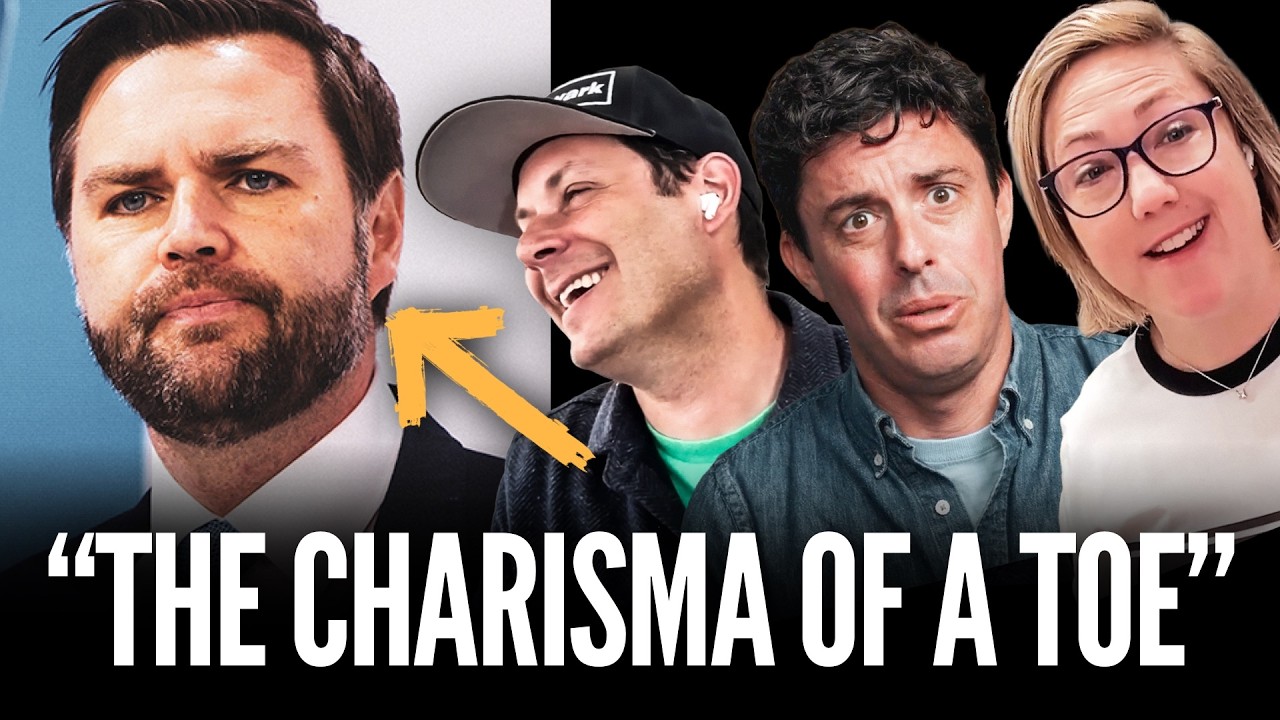
No Matter How Hard He Tries, JD Vance Will Never Be Cool
"This episode features a lively political trivia game and passionate rants, dissecting the 'Never Trump' movement, Democratic strategy, and the perceived lack of charisma of figures like JD Vance."

Iran Deal Skepticism. Whoopi Vs Vance. Potomac Park Invasion. Racist Hurls Slurs At Black Boy.
"This episode dissects multiple instances of alleged anti-Black policies and racial injustice, from the Trump administration's legal challenges to reparations and the Iran deal, to police brutality and the erasure of Black history."

PBS News Hour full episode, June 12, 2026
"The U.S. and Iran inch closer to a contentious peace deal amidst conflicting terms, while President Trump hosts a UFC cage fight on the White House lawn, and Gaza's children struggle for education in war-torn conditions."