Trump’s DOJ arrests journalists Don Lemon, Georgia Fort
YouTube · PmddZngJARA
Quick Read
Summary
Takeaways
- ❖Journalists Don Lemon and Georgia Fort were arrested by federal agents for covering an anti-ICE church protest, sparking First Amendment concerns.
- ❖The arrests are framed as a politically motivated attack by the Trump Justice Department, despite previous judicial rejections of warrants.
- ❖Critics argue the administration is deliberately targeting journalists, especially Black journalists, to intimidate the press and control narratives.
- ❖The use of the FACE Act for arrests related to a church protest is questioned, as it typically applies to reproductive services but also houses of worship.
- ❖The incident highlights a historical pattern of government attempts to silence journalists, particularly the Black press, through legal and extra-legal means.
- ❖The panel emphasizes the importance of collective action and voting to protect press freedom and democratic institutions from authoritarian tactics.
Insights
1Politically Motivated Arrests Despite Lack of Evidence
Federal agents arrested journalists Don Lemon and Georgia Fort for covering an anti-ICE protest at a church, citing the FACE Act. However, multiple sources, including CNN and MSNBC, reported that career prosecutors in Minneapolis and Los Angeles, as well as a chief judge, had previously found no evidence of criminal behavior and rejected warrants. The host and guests assert that the Trump Justice Department engaged in 'judge hopping' to secure indictments, demonstrating a clear political motivation behind the arrests.
CNN statement (), MSNBC reporting (), Federal magistrate judge rejection (), Host's commentary on 'judge hopping' ()
2Targeting of Black Journalists and Communities
The arrests of Don Lemon and Georgia Fort, both Black journalists, are explicitly framed as a deliberate targeting of people of color. Speakers argue that the Trump administration perceives less 'blowback' from targeting Black journalists and communities, using these arrests as a tactic to intimidate and silence critical reporting from marginalized voices. This is linked to broader patterns of disproportionate actions against Black communities, such as the FBI raid in Fulton County, Georgia.
Wesley Lowry's statement on 'no coincidence' (), Tanisha Tidwell's comparison to Anderson Cooper (), Thelma Anderson's point on 'coming after people of color first' (), CBC PAC statement ()
3Historical Precedent of Government Suppressing the Press
The panel provides historical context, noting that government attempts to silence journalists, especially the Black press, are not new. Examples include threats by the Franklin D. Roosevelt administration to imprison Black newspaper publishers during WWII for reporting on racism in the military, and the Nixon administration's legal battles over the Pentagon Papers. This historical pattern underscores the current arrests as part of a long-standing struggle between power and press freedom.
Roland Martin's reference to 'The Defender' and WWII (), 'The Race Beat' and civil rights era (), Nixon administration and Pentagon Papers ()
4Grand Jury Process as a Tool for Political Indictment
The host and a legal expert explain that a grand jury indictment, while seemingly official, can be easily manipulated for political purposes. They state that a prosecutor 'can get a grand jury to indict a ham sandwich,' highlighting that grand juries typically only hear probable cause affidavits without cross-examination or presenting defense evidence. This mechanism allows politically motivated charges to proceed even when career prosecutors deem evidence insufficient.
Roland Martin's 'ham sandwich' analogy (), Thelma Anderson's explanation of grand jury intake process ()
5Chilling Effect on Journalism and Weakness of Establishment Media
The arrests send a clear message that the administration is willing to make life 'hell' for journalists who report critically or aggressively. This creates a chilling effect, particularly on an already weakened establishment media, which is described as having fewer reporters, less time, and a lower tolerance for risk. The concern is that news organizations will pull back from contentious coverage to avoid legal battles, thereby compromising their accountability role.
Wesley Lowry's analysis of media weakness and risk aversion (), Tanisha Tidwell's mention of newsroom intimidation (), Thelma Anderson's call to 'get uncomfortable' ()
Bottom Line
The Trump administration's targeting of journalists like Don Lemon and Georgia Fort is exacerbated by the current weakness of the establishment media, which is less equipped to resist political pressure due to decades of business model disruption and reduced resources.
This vulnerability makes news organizations more susceptible to intimidation, potentially leading to self-censorship and a decline in aggressive, critical reporting, particularly on controversial topics or from independent/citizen journalists.
There is a critical need for robust, independent media, especially Black-owned and operated platforms, that are financially resilient and committed to accountability journalism, even when it's 'uncomfortable' or politically risky.
The political weaponization of the legal system, including 'judge hopping' and forcing out career prosecutors who refuse to comply, is a systemic issue that extends beyond journalism to other areas of government and civil liberties.
This indicates a broader erosion of the rule of law and an administration willing to disregard legal principles for political gain, impacting not just journalists but any individual or institution that challenges power, particularly marginalized communities.
Legal and civil rights organizations must collaborate more closely with media and advocacy groups to expose and challenge these systemic abuses, building a unified front to defend constitutional rights and judicial independence.
Lessons
- Actively support and defend press freedom by speaking out against governmental intimidation of journalists and advocating for constitutional protections.
- Engage in voter participation in all elections, recognizing that political inaction has direct consequences on civil liberties and the independence of institutions like the press and the judiciary.
- Educate yourself and others on First Amendment rights, particularly for journalists and citizens documenting events, and understand the mechanisms of legal processes like grand juries to identify potential abuses of power.
- Support independent and Black-owned media platforms, which are often at the forefront of reporting on marginalized communities and challenging established power structures.
Quotes
"The First Amendment exists to protect journalists whose role it is to shine light on the truth and hold those in uh hold those in power accountable."
"The free and fair press is central to the foundation of American democracy."
"If they come for a journalist, they're coming for you next. Okay? If they are ripping people out of their homes, out of their cars, uh killing them in broad daylight in the streets of Minneapolis, they're coming for you."
"A DA can get a grand jury to indict a ham sandwich if they want to."
"Journalism that holds power to account strengthens democracy. That mission must be defended, not punished. Not now, not this way. And again, not on our watch."
Q&A
Recent Questions
Related Episodes
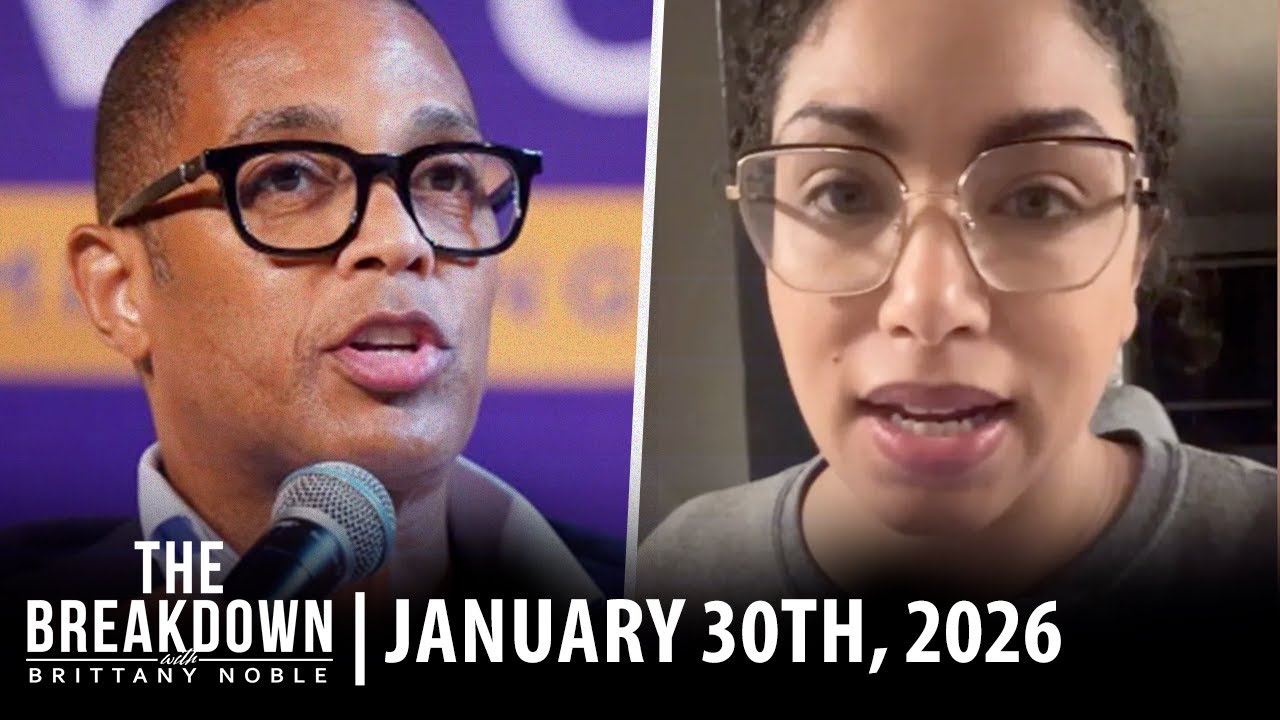
rump’s DOJ arrests journalists Don Lemon, Georgia Fort
"Federal agents arrested prominent journalists Don Lemon and Georgia Fort for covering a church protest, sparking widespread condemnation and raising critical questions about First Amendment rights and the weaponization of the Justice Department."
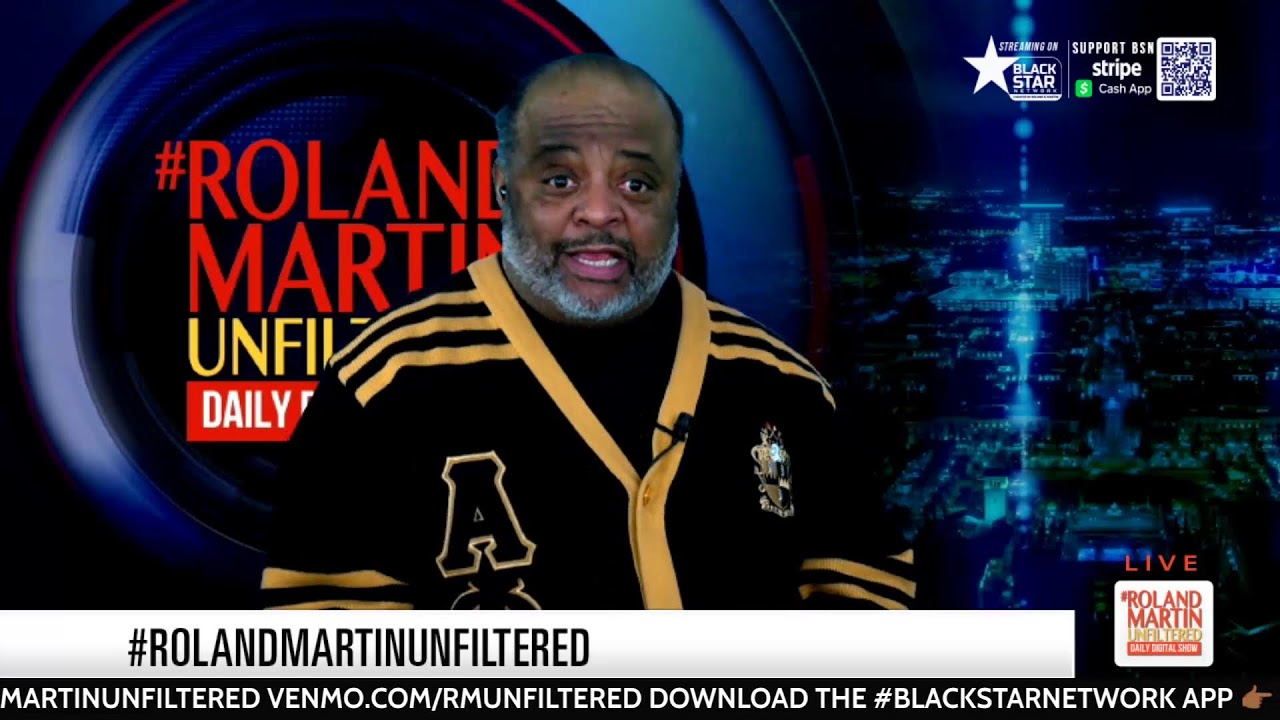
Don Lemon, Georgia Fort Arrested Over Church Protest. Press Freedom on the Line Under Trump.
"The Trump administration's arrest of journalists Don Lemon and Georgia Fort for covering a church protest is framed as a direct assault on press freedom and a calculated distraction from the release of damaging Epstein files."
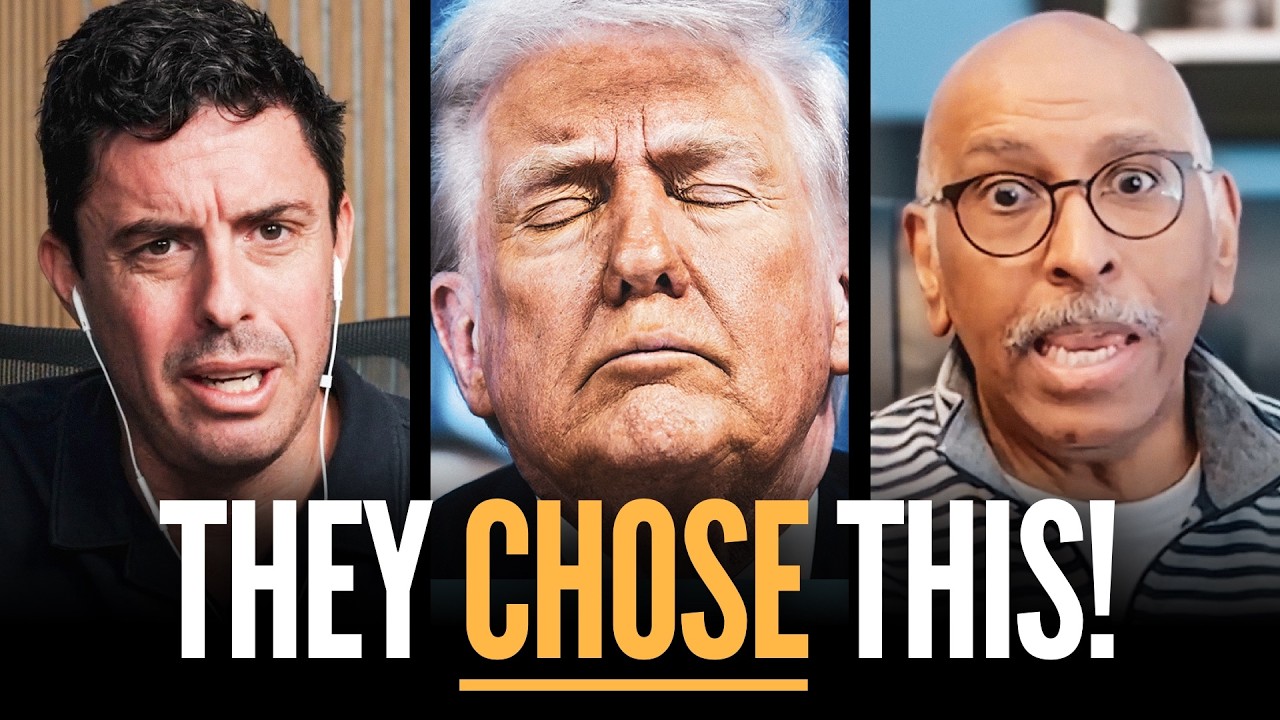
Republicans Own What Happens Next (w/ Michael Steele) | The Bulwark Podcast
"Michael Steele and Tim Miller dissect the current political landscape, arguing that the Republican Party's unwavering allegiance to Donald Trump has led to a cascade of government overreach, financial corruption, and a direct assault on constitutional liberties, making them fully accountable for the nation's chaotic state."

HOT TOPICS | WARNING: Donald Trump's Iran War Chaos Has Hit the Point of No Return!
"Don Lemon delivers a scathing critique of Donald Trump's recent actions, framing them as desperate, unconstitutional attempts to consolidate power, undermine democracy, and distract from economic and foreign policy failures, all while questioning his mental stability."