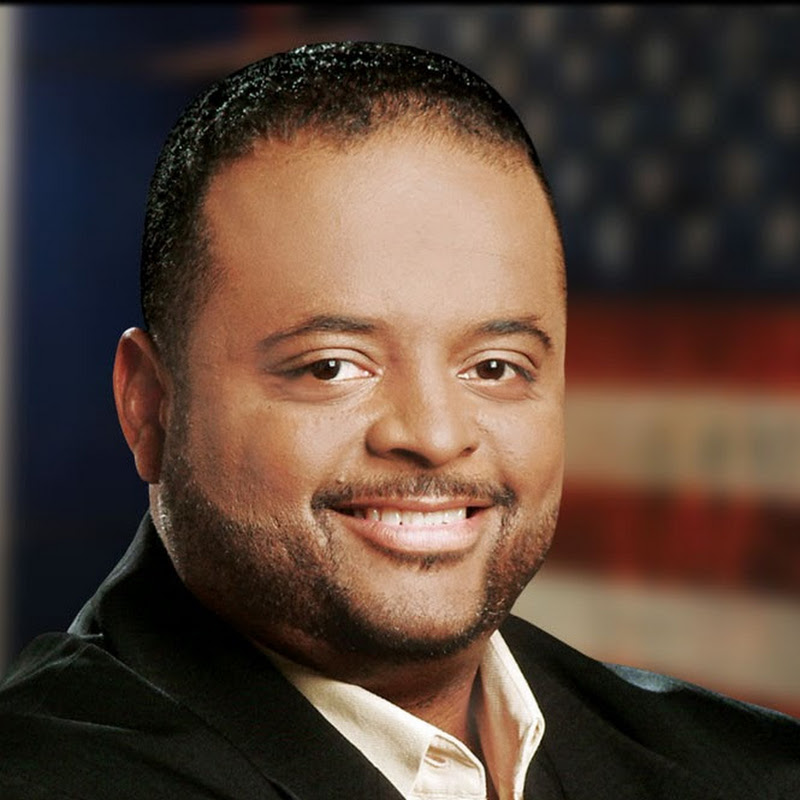
Target Boycott Organizers Hold News Conference | Fast Against The Retailer Ends
YouTube · Pzv8OgD60v0
Quick Read
Summary
Takeaways
- ❖The 'Target Fast' boycott, initiated by the 'Mothership Three,' achieved a partial victory against Target's rollback of DEI initiatives.
- ❖Target's market valuation dropped by $12.4 billion and sales declined due to the boycott.
- ❖Target fulfilled 97% of its $2 billion commitment to black-owned businesses and suppliers, and invested significantly in HBCUs.
- ❖Target implemented a 'belonging program' and increased minority representation on its board to 13%.
- ❖A key demand for Target to partner with a black bank remains unfulfilled.
- ❖Organizers demand a public apology from Target's CEO for publicly abandoning DEI, as private apologies to employees are insufficient.
- ❖The 'Target Fast' entity of the boycott is concluding, but the broader fight for corporate accountability and economic justice continues.
Insights
1Target's DEI Rollback Triggered Boycott
Target initially committed to expanding diversity and equity efforts following the murder of George Floyd, pledging to increase black employee representation, support black entrepreneurs, and spend over $2 billion with black-owned businesses by 2025. However, on January 24, 2025, Target announced a rollback of these DEI initiatives, including stopping reports to diversity-focused groups and ending programs for minority-owned products. This reversal, framed as 'bending to bigotry,' directly prompted the boycott by the 'Mothership Three' and its allies.
CEO Brian Cornell's initial commitment after George Floyd's murder (). Target's announcement on January 24, 2025, to roll back DEI initiatives ().
2Significant Financial Impact on Target
Since the boycott began, Target has experienced substantial financial repercussions. The company's market valuation dropped by $12.4 billion, accompanied by falling store traffic and declining sales. Operating income also decreased to $15.1 billion, and leadership shifts occurred, including Brian Cornell stepping down as CEO (though remaining executive chairman). These financial indicators served as evidence that organized consumer action can effectively influence corporate behavior.
Target lost $12.4 billion in the marketplace, with falling store traffic and declining sales, and operating income dropping to $15.1 billion (). Bloomberg reported a $12 billion drop in valuation ().
3Partial Fulfillment of Boycott Demands
Target has made progress on three of the four demands presented by the boycott organizers. They completed 97% of the $2 billion commitment to black-owned brands, media, and suppliers, with the remaining balance expected by Easter. Additionally, Target invested $10 million in the Pensole Lewis College of Business and Design (an HBCU design school) and contributed $26 million to the United Negro College Fund and its scholars program. They also implemented a 'belonging program' to open opportunities for minorities and women, resulting in 13% minority representation on Target's board.
Target completed 97% of the $2 billion commitment by Easter (). $10 million given to Pensole Lewis College (). $18 million to United Negro College Fund and $8 million to Target scholars (). 13% of Target's board is now minorities ().
4Unmet Demand: Partnership with Black Banks
Despite progress on other fronts, Target has not yet established a relationship with any black bank. This was a critical demand aimed at expanding access to capital for black businesses and promoting home ownership within the black community, which are seen as essential for generational wealth and economic development. Organizers submitted names of equipped black banks to Target, and discussions are ongoing.
Target does not have a relationship with one black bank (). Organizers submitted names of banks to Target ().
5Demand for Public Apology for Public Harm
While Target's new CEO, Michael Fideli, acknowledged internally that trust had been broken with black customers and employees, organizers firmly demand a public apology. They argue that a billion-dollar company cannot cause public harm and then apologize in private; the acknowledgment must be as public and clear as the initial offense. This public apology is a prerequisite for some organizers to consider returning to shop at Target.
CEO Fideli acknowledged broken trust with black customers and employees in an internal meeting (). 'If the harm was public, then the acknowledgement must be public as well.' (). Senator Turner stated she would not return until a public apology is issued ().
Bottom Line
The boycott highlighted that corporations often 'seduce' black consumers with promises of inclusion and then 'betray' them by backtracking on commitments under political pressure, treating black loyalty as a 'secret love' rather than a valued partnership.
This pattern reveals a transactional rather than relational approach by some corporations towards diverse communities, where DEI is seen as a temporary marketing strategy rather than a core value. This erodes trust and necessitates sustained vigilance from consumer groups.
Advocacy groups can leverage this insight to push for legally binding or publicly verifiable commitments from corporations, moving beyond performative gestures to ensure long-term, equitable practices that withstand political shifts.
The success of the Target boycott was significantly driven by social media and the black press, operating without a budget, publicist, or agent, and with organizers explicitly stating they received no personal gain or favors.
This demonstrates the immense power of grassroots, unmonetized digital and community-based media networks in mobilizing collective action and influencing corporate behavior, even against well-funded corporate communications. It challenges traditional notions of campaign funding and influence.
Activists and community organizers can prioritize building robust, independent social media and black press networks as primary tools for communication and mobilization, reducing reliance on mainstream media or external funding that might compromise their message or integrity.
Opportunities
Digital Directory of Black-Owned Businesses for Boycott Alternatives
Create and maintain a comprehensive, easily searchable digital directory of black-owned businesses as a direct alternative for consumers participating in boycotts against larger corporations. This directory should include individual websites for vendors who previously sold through big retailers, enabling direct consumer support.
Community 'Bullseye Markets' for Black Vendors
Establish regular, quarterly 'Bullseye Markets' hosted by community organizations (e.g., churches) to bring together hundreds of black vendors under one roof. These markets would provide a direct sales channel for black entrepreneurs and foster community-based economic support, encouraging consumers to 'recycle the black dollar.'
Key Concepts
Economic Power as Moral Power
The principle that collective economic decisions, such as boycotts, are not merely financial but represent a moral stance, holding corporations accountable for their social commitments and values. This model posits that consumer spending, when aligned with principles, can drive significant change (05:33).
Collective Economics (Kwanzaa Principle)
The idea that a community's combined financial resources, when strategically aligned and utilized, can create substantial impact and influence, even against large corporations. This involves directing spending away from entities that betray community values and towards those that support them (41:07).
Public Harm, Public Apology
The ethical framework that dictates if a corporation causes harm or breaks trust publicly, its acknowledgment and apology must also be public, clear, and heard by all impacted, rather than confined to internal communications (29:49).
Lessons
- Prioritize conscious spending by directing dollars towards businesses that align with community values and support diversity, equity, and inclusion, rather than those that backtrack on such commitments.
- Demand public accountability and apologies from corporations that cause public harm or betray trust, emphasizing that private acknowledgments are insufficient for public offenses.
- Actively support black-owned businesses and institutions, including black banks, to foster generational wealth, entrepreneurship, and economic development within the community.
Leveraging Economic Power for Corporate Accountability
Identify Corporate Betrayal: Pinpoint specific instances where corporations backtrack on public commitments to diversity, equity, and inclusion (DEI) or other social justice initiatives.
Form a Unified Leadership: Establish a 'Mothership' coalition of influential leaders and organizations to articulate demands and coordinate efforts.
Mobilize Grassroots Economic Resistance: Initiate a consumer boycott or 'fast' by encouraging millions of individuals to redirect their spending, creating significant financial pressure on the target corporation.
Sustain Local Presence: Organize consistent, visible protests (e.g., weekly picketing) at corporate locations to maintain public awareness and pressure.
Demand Specific Concessions & Public Apology: Present clear, measurable demands (e.g., investment in minority businesses, HBCUs, internal DEI programs, banking partnerships) and insist on public acknowledgment and apology for public harm.
Monitor and Report Progress: Regularly meet with corporate leadership to track progress on demands, verify commitments, and transparently report outcomes to the participating community.
Pivot to Broader Economic Empowerment: Concurrently develop and promote alternative economic ecosystems (e.g., directories of black businesses, community markets) to ensure sustained support for the community's economy beyond the immediate boycott.
Notable Moments
The DC Boycott Target coalition maintained a physical presence in front of a Target store every Saturday since the boycott began, enduring various weather conditions.
This consistent, long-term physical presence demonstrated unwavering commitment and served as a powerful, tangible symbol of the boycott's persistence, inspiring other participants and proving that justice requires 'discipline of presence' beyond hashtags.
Reverend Gralin Haggler, a key organizer of the DC coalition, continued his activism despite late-stage throat cancer, ensuring boycott documents were distributed even as he struggled physically.
This anecdote highlights the profound dedication and personal sacrifice of individuals within the movement, underscoring the deep conviction behind the fight for economic justice and inspiring others to remain committed.
Target's new CEO, Michael Fideli, acknowledged internally that the company had broken trust with black customers and employees, but this acknowledgment was not made public.
This moment reveals a critical point of contention: the difference between private corporate recognition of harm and the public accountability demanded by the affected community. It emphasizes that for public harm, a public apology is essential for true reconciliation and trust rebuilding.
Quotes
"We may have started this fire, but it is the everyday people of this country by the tens of thousands who kept it going on a regular basis and had impact."
"Companies cannot build their brand on the loyalty of communities and then abandon those communities when political pressure rises."
"As a billion-dollar company, you cannot harm people in public and then apologize in private. If the harm was public, then the acknowledgement must be public as well."
"Target is the only one we invited to the cookout. They were the only ones we felt were kissing cousins. They are the only Fortune 500 company that got a hood nickname. We called them 'Tar' because we had let them into the house and so it was not just an abandonment of DEI but we felt as if it was a betrayal to it."
"Our generation has only seen settlements and has never seen victory. And so I wanted this generation to know that there is power in your voice."
"Diversity, equity, inclusion is a workers' rights issue. Diversity, equity, inclusion is a moral rights issue. Diversity, equity, inclusion is a justice issue and a progress issue as a nation."
Q&A
Recent Questions
Related Episodes

Colo. Gov Blasted Over Tina Peters. FedEx Targeted Over Voting Rights. Jan. 6 Cops Sue Trump.
"Colorado's Democratic Governor faces censure for commuting an election denier's sentence, while activists target FedEx for its silence on Black voting rights, and a House hearing exposes partisan divides on defining hate groups and compensating January 6 rioters."

Trump Impact On Black America. SCOTUS Birthright Citizenship Case. Alabama College DEI probe
"This episode dissects the multifaceted impacts of Trump-era policies on Black America, from economic destabilization and civil rights rollbacks to an inspiring narrative of an entrepreneur rebuilding her life and community."

Anti-Trump Smoothie Shop Employees Fired. Deaf Black Woman's $1.2M Settlement. Bondi Subpoenaed
"This episode unpacks critical news from a $1.2M police settlement and a Smoothie King employee firing, to essential crisis planning for Black-owned businesses and a guide for non-technical app development."

Press Conference with the family of Reverend Jesse Louis Jackson, Sr.
"Reverend Jesse Jackson's family honors his expansive civil rights legacy, calling on the public to continue his fight for justice, equality, and unity while announcing memorial arrangements."