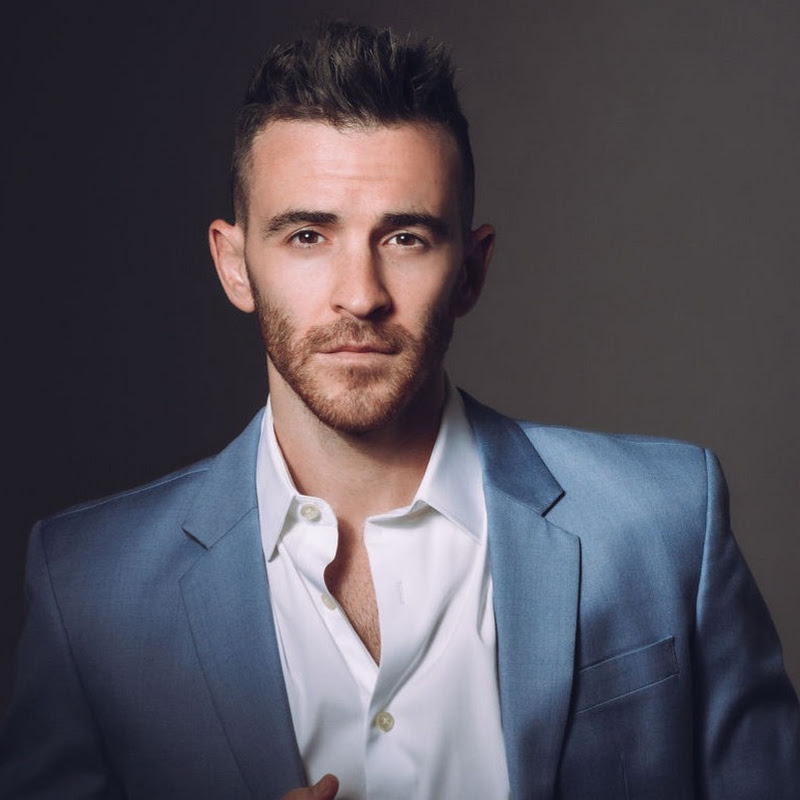
EXPLOSIVE update as Trump attacks CONTENT CREATORS
YouTube · QeBxieR3FfQ
Quick Read
Summary
Takeaways
- ❖Brian Tyler Cohen was added to Donald Trump's "enemies list" targeting media offenders and content creators.
- ❖Cohen views capitulation to Trump's pressure as emboldening further attacks and making others less safe.
- ❖CNN's Alex Marquardt refutes Trump's California election fraud claims, explaining the state's vote-by-mail verification and curing process.
- ❖Trump's allegations of fraud are seen as a branding strategy to discredit states where his policies are rejected.
- ❖Ari Melber links the promotion of Todd Blanche to efforts to suppress information related to the Epstein files.
- ❖The Republican "revolt" on the Epstein issue is cited as a turning point that led to pushback on other Trump policies.
- ❖Trump's aggressive attempts to censor and control the press are interpreted as a sign of political weakness and desperation.
- ❖A future Justice Department must aggressively prosecute corruption and "looting" to prevent a "failed coup without accountability" from becoming a "training exercise."
Insights
1Trump's 'Enemies List' and Defiance
Brian Tyler Cohen details his inclusion on Trump's 'enemies list' targeting content creators, viewing it as a deliberate tactic to intimidate and silence critics. He argues that capitulation by other entities (law firms, media outlets, tech companies) has only emboldened Trump, making it crucial to resist such pressure to protect broader democratic security.
I am officially on one of Donald Trump's enemies list. You'll now see my name under a list of media offenders. This is, I guess, a new iteration that's focused on content creators... in consultation with my attorneys, I've drafted a response, a legal response, to Trump putting my name on this enemies list... you. Suck my dick. Their decision to try and make their own lives easier actually made the rest of us less safe, less secure because now Trump knows how easy it is to wield the government against his enemies to get what he wants.
2Debunking California Election Fraud Claims
CNN's Alex Marquardt refutes Donald Trump's allegations of widespread fraud in California's vote counting. He explains that California's system prioritizes voter access, mailing ballots to all registered voters and requiring a multi-week process for signature verification and ballot curing, which naturally slows down the final tally but ensures legitimacy.
In terms of President Trump's argument that there's been widespread fraud in California, there is no evidence to that point... In California, by design, the lawmakers have made a system that prioritizes giving as many people as possible as many options as possible to vote up until the very last minute. And because of that, counting all of that is slow. The whole process, when everything comes together, takes about 3 weeks.
3Epstein Files and Political Accountability
Ari Melber discusses how Donald Trump's promotion of Todd Blanche, who was involved in suppressing Epstein files, illustrates a pattern of rewarding loyalty over transparency. He notes that the Republican "revolt" on the Epstein issue was a significant turning point, demonstrating that pushback against Trump's actions can occur and lead to broader challenges to his agenda.
Blanche was running the exact program that everyone has criticized... because they weren't transparent, they weren't honest, uh they buried and hid a lot of stuff... someone who actually went that far against the political winds... to just save him, protect him, and do Epstein secrecy, whatever it is they're hiding, that to him, to Trump, is a win. I think it already has made a huge impact because it it broke the dam in the in the votes and was the first big revolt that was a veto-proof revolt.
4Media Attacks as a Sign of Weakness
Melber and Cohen argue that Trump's aggressive and widespread attacks on various media outlets, including lawsuits and efforts to control coverage, are not indicators of strength but rather signs of political weakness and desperation. They suggest these actions are attempts to censor, mute, and control the press because his political position is "sliding and crashing."
The extreme way that they are trying to censor mute and control the press going into these midterms and presumably they're not going to stop going into the the big the big presidential election shows how weak they think they are without that kind of of pressure or cheating. You don't go after content creators if you're strong or popular. You do it when you're flailing, and that's exactly what he's exposing about himself.
5The Need for Future DOJ Accountability
Ari Melber emphasizes that any future non-MAGA Justice Department must aggressively address the "corruption, the looting, the revenge prosecutions" that have permeated government agencies. He warns that an unwillingness to uphold the law and hold individuals accountable for criminal behavior, as seen with the current DOJ's perceived inaction, will only embolden future abuses, turning a "failed coup without accountability" into a "training exercise."
I think any honest future Justice Department must deal with the corruption, the looting, the revenge prosecutions um that have basically infected multiple parts of the government. If we don't, you know, there was a writer I quoted when I did a piece about January 6th who said a failed coup without accountability becomes a training exercise.
Key Concepts
Failed Coup as Training Exercise
A concept suggesting that if a failed attempt to subvert democratic processes (like January 6th) goes unpunished, it serves as a learning opportunity for future attempts rather than a deterrent.
Willing Narratives into Existence
Describes a political strategy where claims, such as election fraud, are repeatedly asserted until people begin to believe them, effectively creating a desired reality through persistent branding and repetition.
Lessons
- Support independent media and content creators who are willing to challenge powerful political figures, as their defiance can create a "permission structure" for others to speak out.
- Pre-order Brian Tyler Cohen's book, "The Day After," described as a "blueprint for how Democrats can and must fight back against this aspiring autocrat."
- Stay informed about political processes and resist politically motivated narratives, such as unsubstantiated claims of election fraud, by understanding the legitimate mechanisms in place.
Notable Moments
Brian Tyler Cohen's defiant 'legal response' to being placed on Trump's 'enemies list' for content creators.
This moment encapsulates the host's commitment to resisting political intimidation and highlights the perceived necessity of standing up to powerful figures to prevent further erosion of free speech and democratic norms.
Quotes
"If the government wants to use taxpayer resources and a government website, whitehouse.gov, to draw attention to me, then they have the right to do that. Is it a good use of taxpayer funds?"
"He is a vindictive, petty, small man who seeks retribution as easily as he breathes. He doesn't need any legitimate reason to go after anybody."
"Their decision to try and make their own lives easier actually made the rest of us less safe, less secure because now Trump knows how easy it is to wield the government against his enemies to get what he wants."
"You don't go after content creators if you're strong or popular. You do it when you're flailing, and that's exactly what he's exposing about himself."
"If you say it enough, people start to believe it."
"They think it's a flex to say see what I can get away with. See what I can steal."
Q&A
Recent Questions
Related Episodes

Dan Bongino’s EPIC CRASHOUT Over Jimmy Dore!
"Jimmy Dore dissects Dan Bongino's alleged hypocrisy regarding the Epstein files and his public meltdown during a past interview, framing it as a case of psychological projection and political opportunism."
LIVE: Ben Meiselas RESPONDS to BREAKING NEWS!! 2/24/2026
"The Midas Touch Network boycotts the official State of the Union, hosting an alternative event while exposing alleged financial grifts, DOJ cover-ups of Epstein files, and the Pentagon's push for unregulated AI mass surveillance."

A Whistleblower Running For Congress?!
"The Young Turks expose alleged government and media complicity in covering up critical information, from the push for war with Iran and DHS surveillance of activists to shocking revelations from the Epstein files and the suppression of dissent against Israeli influence."

Iran Deal Skepticism. Whoopi Vs Vance. Potomac Park Invasion. Racist Hurls Slurs At Black Boy.
"This episode dissects multiple instances of alleged anti-Black policies and racial injustice, from the Trump administration's legal challenges to reparations and the Iran deal, to police brutality and the erasure of Black history."