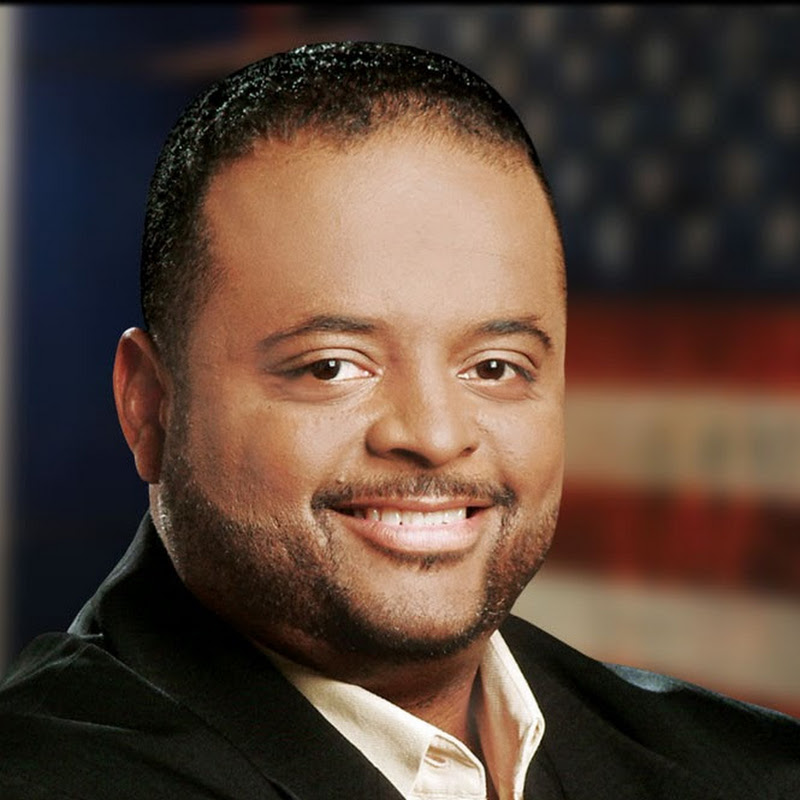
Mound Bayou: Oldest Black Town Under Pressure. Black Farmworkers & White South Africans Tensions
YouTube · QljoTXndBDg
Quick Read
Summary
Takeaways
- ❖Republican-led redistricting, fueled by recent Supreme Court decisions, threatens to eliminate up to 24 Congressional Black Caucus seats.
- ❖States like Alabama and Mississippi are actively targeting Black congressional and state legislative seats for elimination.
- ❖Black farmers have historically been denied federal loans and resources, leading to massive land loss, exacerbated by policies like Trump's tariffs.
- ❖Mound Bayou, founded in 1887, exemplifies Black collective economics, land ownership, and self-sufficiency, including its own bank and an early HMO.
- ❖The narrative of white South African farmworkers displacing Black workers in Mound Bayou is false; it occurred on white-owned farms in nearby Indianola.
- ❖The lack of operating capital is a primary barrier for Black farmers and businesses, hindering growth and scalability.
- ❖Voting and voter education are critical to connecting community needs (e.g., roads, schools) with political power and resource allocation.
Insights
1Coordinated Attack on Black Political Power
Republicans are orchestrating a widespread effort to diminish Black political power across the South through aggressive redistricting. This strategy, emboldened by recent Supreme Court decisions, aims to eliminate Black congressional and state legislative seats, potentially leading to the largest decrease in Black political representation since Reconstruction.
Alabama Governor Kay Ivey called a special session for redistricting, threatening to wipe out seats held by Congresswoman Terri Sewell and Congressman Shomari Figures. Mississippi Governor Tate Reeves similarly targets Congressman Bennie Thompson's seat. The Congressional Black Caucus Political Action Committee reported a potential loss of up to 24 seats. New Jersey and New York governors are considering redistricting to counter these moves.
2Systemic Disenfranchisement of Black Farmers
Black farmers face persistent systemic discrimination in accessing federal loans and resources, leading to significant land loss. This issue is compounded by delayed funding, unfavorable trade policies, and a lack of operating capital, making it nearly impossible for new generations to enter farming.
The federal government has historically failed to provide loans to Black farmers, with $25 billion in tariff relief going to white farmers under Trump, while a $5 billion fund for Black and Hispanic farmers was blocked by lawsuits. Farmers Home Administration loans were often disbursed in July, months after planting season in March, forcing Black farmers into debt. Input costs (diesel, fertilizer, seeds) have risen by 50% due to global events.
3Mound Bayou: A Model of Black Self-Sufficiency
Mound Bayou, founded in 1887, stands as a powerful historical example of Black collective economics, land ownership, and self-governance. Its success was built on community cooperation, establishing its own financial institutions, healthcare, and economic infrastructure.
Isaiah T. Montgomery acquired 840 acres, and the railroad authorized him to sell an additional 37,000 acres to Black farmers. The town established its own bank, produced the world's highest-grade cotton, and its stores made owners wealthy. The Taborean Hospital, founded in 1941, offered free healthcare for $8.40/year (or $16/year per family), becoming the country's first HMO and a sanctuary for Black people.
4False Narrative of White South African Farmworkers
A widely circulated story claiming white South African farmworkers are displacing Black workers in Mound Bayou is inaccurate. While white South Africans have been recruited for farm jobs in the Mississippi Delta, this occurred in nearby Indianola on white-owned farms, not within Mound Bayou itself, where Black farmers dominate.
A Chinese journalist's article was misinterpreted and misapplied to Mound Bayou. Charles Moley, President of Sunflower County NAACP, clarified that white South Africans worked in Indianola (30 minutes away) on white-owned farms, often receiving higher pay than local Black workers, a situation addressed by the Mississippi Center for Justice.
Bottom Line
The current political climate, characterized by attacks on Black political power and economic interests, mirrors the post-Reconstruction era, aiming to reverse decades of progress.
This historical parallel suggests a long-term strategy by conservative forces to maintain racial hierarchies and control over resources, making the current moment a critical juncture for Black communities.
Understanding this historical context can inform more effective counter-strategies, emphasizing sustained collective action, legal challenges, and the development of independent Black institutions, similar to those that emerged during Reconstruction and Jim Crow.
The inability of Black-controlled cities to leverage their political power (e.g., in cable franchise negotiations) highlights a broader issue of lacking strategic education and empowerment within Black leadership.
Even with demographic and political control, Black communities can remain economically marginalized if their leaders lack the knowledge or courage to assert their power effectively in negotiations and policy-making.
There's a significant opportunity for robust voter education that connects political action directly to tangible community benefits (e.g., infrastructure, business support), empowering leaders to demand equitable resource allocation and economic development.
Opportunities
Black Land Acquisition & Development Fund
Establish a collective fund, potentially leveraging small donations from a broad base, to acquire and develop land in historically Black areas. This fund would focus on purchasing land to prevent gentrification, support Black farmers facing foreclosure, and create new opportunities for Black-owned businesses and housing, drawing inspiration from Mound Bayou's origins.
Community-Based Agricultural Technology & Financing Hubs
Create regional hubs, possibly in partnership with HBCUs like Alcorn State, UAPB, or Southern, that provide young Black farmers with access to modern agricultural technology, technical assistance, and crucial operating capital. These hubs would also offer financial literacy and business development support tailored to the unique challenges faced by Black farmers.
Lessons
- Engage in comprehensive voter education efforts that clearly connect political participation to tangible community benefits like improved infrastructure, schools, and economic development.
- Support and invest in Black-owned media platforms to ensure accurate narratives and to counter misinformation, especially concerning issues impacting Black communities.
- Prioritize land acquisition and ownership within Black communities as a fundamental strategy to build generational wealth, combat gentrification, and secure economic and political power.
Mobilizing Black Political and Economic Power
Educate communities on the direct link between voting, political representation, and the allocation of resources for local services and economic opportunities.
Actively challenge redistricting efforts that dilute Black voting power by supporting legal battles and grassroots organizing to protect and expand Black congressional and state legislative seats.
Advocate for and invest in financial institutions (e.g., CDFIs) and policies that provide equitable access to capital for Black farmers and Black-owned businesses, addressing historical disparities in lending and support.
Notable Moments
The host, Roland Martin, clarifies a widely circulated false narrative about white South African farmworkers displacing Black workers in Mound Bayou, confirming it occurred in nearby Indianola on white-owned farms.
This moment highlights the importance of Black-owned media in correcting misinformation and providing accurate context for issues affecting Black communities, especially when mainstream media misrepresents local dynamics.
Former Mayor Daryl Johnson and his father Herman Johnson share the history of Mound Bayou as a sanctuary city during Jim Crow, where those in trouble could disappear and find safety.
This illustrates the deep historical significance of Black self-governance and solidarity, providing a powerful example of community resilience and protection against external threats.
Quotes
"What we're dealing with is an administration, uh Republicans who are trying to defund black America and the battle with political power is happening before our very eyes."
"This Supreme Court decision... is going to impact black political power on the congressional level, on the state level, and go all the way down."
"If black people start voting and start participating like everybody else, they're afraid that they would get snuffed out. But it's going to make this one of the greatest again. This would really make America really great again."
"What it's basically saying is black folk, Hispanic folk, we don't care about you. Your vote doesn't matter. We're going to do whatever we want. And unfortunately the Supreme Court has sanctioned that."
"You can't get 30 unless you get two. You can't get two, can't get five until you leave. That's all I'm saying. So like you said, the man 93, so if we at least get the monument built, we at least get the monument built and say thank you all in your There you go."
Q&A
Recent Questions
Related Episodes

LIVE: Ex-TOP Prosecutor BREAKS SILENCE On Trump Election Scheme | The Weekend Show
"Former Assistant Attorney General for Civil Rights, Kristen Clark, details how a recent Supreme Court ruling delivered a 'death nail' to the Voting Rights Act, exposing a coordinated agenda to dismantle civil rights and consolidate white political power."

INSTANT FALLOUT from MAJOR Supreme Court Decision... | PoliticsGirl
"The Supreme Court's recent decision in Louisiana v. Cala effectively gutted Section 2 of the Voting Rights Act, opening the door for widespread racial gerrymandering and signaling a return to Jim Crow-era voter suppression tactics."

Trump RUSHES Election Scheme as Midterms HAUNT HIM
"The hosts and guest expose the SAVE Act as a deceptive voter suppression tactic, drawing a stark contrast between the protection of gun rights and the erosion of voting rights."
NC Mom Sues Hospital For Negligence. Black NFL Coaches Win Major Ruling. Drug Test Scandal Exposed
"This episode exposes systemic failures and racial disparities across healthcare, professional sports, and politics, featuring a mother's harrowing hospital negligence lawsuit, a landmark NFL discrimination ruling, and alarming findings on flawed drug tests criminalizing new mothers."