
Jade Colvin is Missing | Full Episode
YouTube · R8zHrCvm6Ww
Quick Read
Summary
Takeaways
- ❖Jade Colvin, 14, went missing in June 2016 from a remote Iowa farm, after being dropped off by her mother.
- ❖Her history as a runaway initially complicated the investigation, but her complete lack of digital activity after her disappearance raised red flags.
- ❖A multi-agency task force, including U.S. Marshals and state detectives, revived the cold case years later.
- ❖Digital forensics on James Bachmurski's old cell phone revealed critical evidence: deleted messages and photos showing his home 'cleaned up' shortly after Jade's disappearance.
- ❖Bachmurski's inconsistent statements and a prior history of child endangerment strengthened the case against him.
- ❖Despite no body being recovered, James Bachmurski was convicted of second-degree murder in August 2025, receiving a 50-year sentence.
Insights
1Digital Footprint Disappearance as a Red Flag
Jade Colvin, despite a history of running away from foster care, always maintained contact with friends and family via social media. Her sudden and complete cessation of all digital activity after March 2017 was a critical indicator for investigators that her disappearance was not voluntary, shifting the case from a runaway to a suspected homicide.
Jade's friends and family consistently posted on her social media for years with no response. Her last known digital footprint ended abruptly on March 30, 2017. Detective Wuebker noted, 'She never had another digital footprint again.'
2Bachmurski's Cell Phone: A Digital Smoking Gun
The discovery of James Bachmurski's old, dusty cell phone in a neighbor's barn, where he had left belongings in a hurry, provided investigators with crucial evidence. This device contained photos, text messages, and, significantly, deleted messages that helped piece together Jade's last days and Bachmurski's suspicious actions.
A neighbor informed detectives that Bachmurski left his property in a hurry in 2018, leaving belongings behind. Investigators found his old cell phone in a box, which was described as 'unbelievable to come across.'
3Suspicious 'Clean-Up' Photos and Deleted Messages
Photos found on Bachmurski's phone, taken just two days after Jade's last known contact, showed his kitchen and bedroom unusually clean and organized, contrasting sharply with the typical messy state of the house. Additionally, deleted messages from Jade's family inquiring about her whereabouts suggested Bachmurski was actively concealing information.
Photos from April 1, 2017, showed Bachmurski's kitchen 'very unique' in its cleanliness and organization, which Bryan Bachmurski confirmed was 'way out of description' for their usual housekeeping. Deleted messages on the phone included desperate inquiries from Jade's mother, LaDawn, about her daughter.
4Evasive Interview and Implied Confession
During a second interview, Special Agent Jon Turbett confronted James Bachmurski with the evidence. Bachmurski feigned memory loss and intoxication, but his statement, 'I'd go to the grave before I'd talk about this,' was interpreted by investigators as a strong implied confession of guilt.
Bachmurski claimed he was drunk and couldn't remember details during the second interview, despite his 'fantastic' detail in the first. When confronted with involvement in Jade's death, he stated, 'I'd go to the grave before I'd talk about this.'
Lessons
- Prioritize digital forensics in missing persons cases, especially when a person's digital footprint abruptly ceases, as it can provide critical evidence even years later.
- Foster inter-agency collaboration (local, state, federal) to leverage diverse expertise and resources for complex cold case investigations.
- Recognize that a history of running away does not preclude foul play; a complete and uncharacteristic disappearance of communication should always be thoroughly investigated.
Quotes
"You don't get to go home and turn off Jade Colvin."
"When somebody goes missing, they want to be missing. They don't want you to know where they are. It's hard to track them down."
"It's very likely that Jade is no longer alive and we actually need to start treating this as a homicide investigation."
"I'd go to the grave before I'd talk about this."
"She didn't deserve any of this. And I never want anybody to think that she did anything wrong, or that it was in any way her fault."
Q&A
Recent Questions
Related Episodes

The YouTuber Who Had Her Husband Murdered
"A young YouTuber with dreams of online fame orchestrated the brutal murder of her husband, Ernie Abara, after staging a home invasion, leading to a complex investigation that exposed her calculated deception."
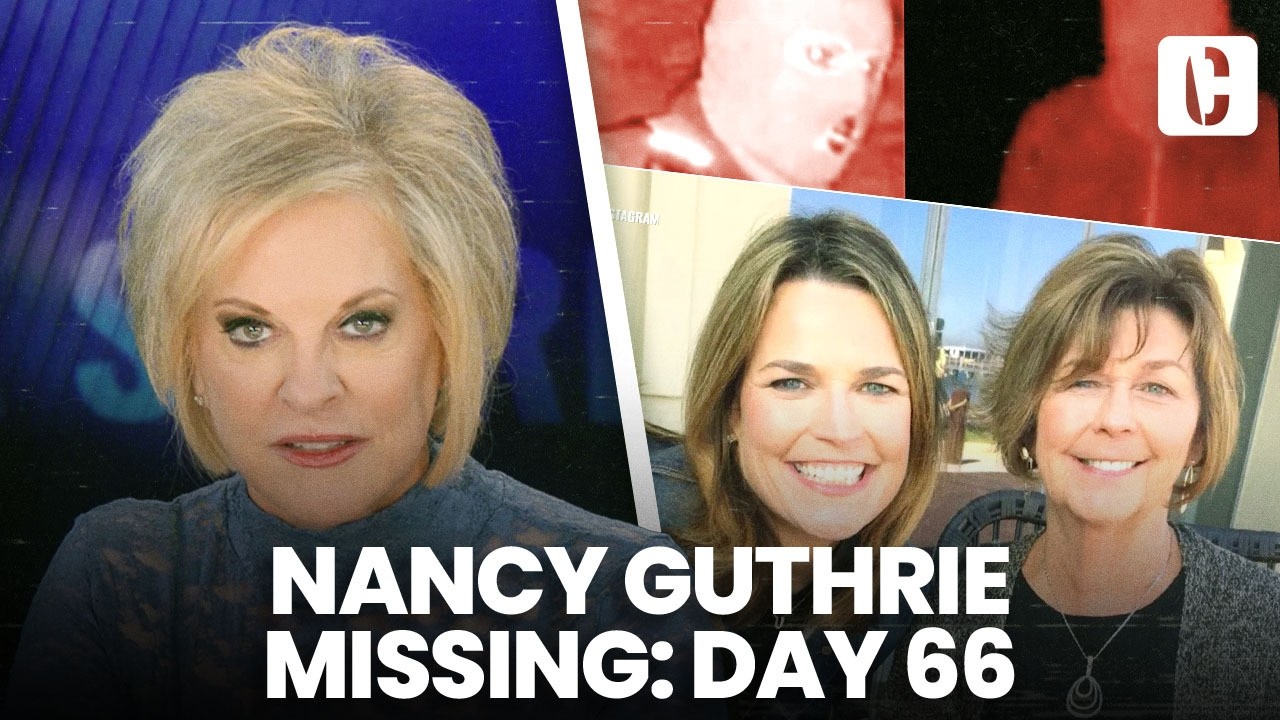
SAVANNAH GUTHRIE'S MOM MISSING: DAY 66
"On day 66 of Nancy Guthrie's disappearance, investigators grapple with two distinct sets of Bitcoin ransom notes, digital tracing challenges, and potential physical evidence like shoe coverings, as new, dubious claims emerge from a 'hyena' seeking payment for information."

'Good Kid' Becomes Sick Killer
"A seemingly model student who murdered his parents and lived with their bodies for two weeks was apprehended after a multi-state escape attempt, revealing his motive to be a plot to assassinate the US President and commit terrorist attacks."
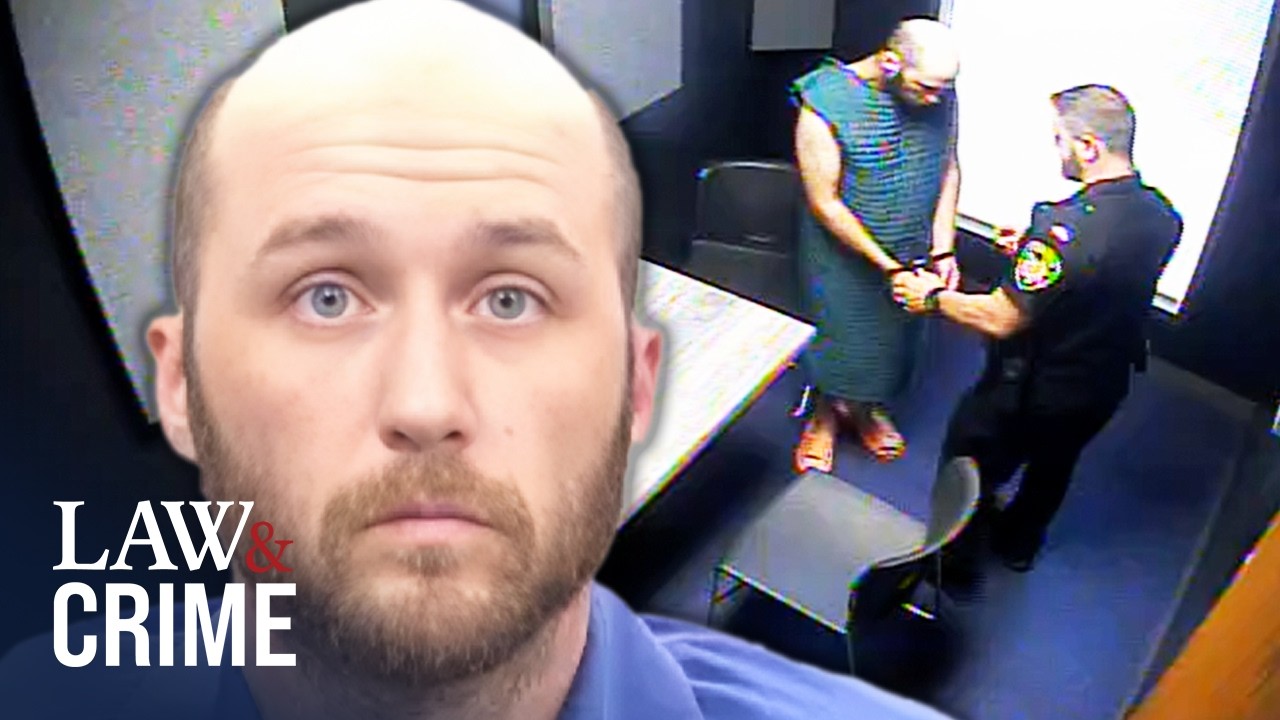
Drunk Dad Leaves Toddler in Fiery Car to Burn Alive
"A blackout drunk father, Nicholas Stammen, caused the horrific death of his 2-year-old daughter, Lilliana, by leaving her strapped in her car seat as his vehicle burned after a drunk driving crash, claiming he had no memory of the events."