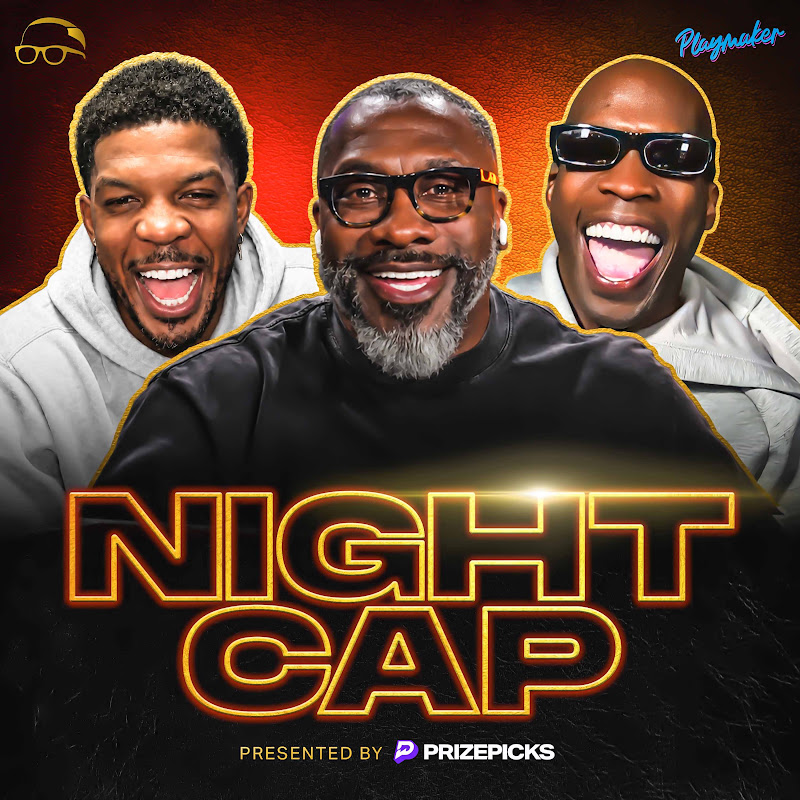
Unc & Iso Joe BLAME LOAD MANAGEMENT for ROBBING Cade Cunningham from All-NBA team! | Nightcap
YouTube · RuAOHZgQu9Q
Quick Read
Summary
Takeaways
- ❖The NBA's 65-game minimum rule for postseason awards has rendered 9 of 22 potential All-NBA/All-Defensive players ineligible due to missed games.
- ❖Cade Cunningham (collapsed lung) and Anthony Edwards (recurring knee issue/illness) are among the prominent players disqualified despite legitimate injuries.
- ❖The rule's intent was to curb 'load management,' but critics argue it unfairly punishes 'innocent' players who genuinely want to play.
- ❖All-NBA and All-Defensive team selections are tied to significant financial incentives, including eligibility for 'super max' contracts worth hundreds of millions.
- ❖Some players, like Jokic, Wembanyama, and Luka, are reportedly returning faster from minor injuries to meet the 65-game threshold, indicating the rule's impact on player behavior.
- ❖Carmelo Anthony believes Shai Gilgeous-Alexander (SGA) has the MVP 'locked up' due to his dominant performance, including breaking Wilt Chamberlain's 20+ point game record and leading the league in clutch scoring.
Insights
1NBA's 65-Game Minimum Rule Disqualifies Star Players from Postseason Awards
The NBA implemented a 65-game minimum for players to be eligible for postseason awards like All-NBA and All-Defensive teams. This rule, intended to curb load management, has inadvertently disqualified legitimately injured stars such as Cade Cunningham (collapsed lung) and Anthony Edwards (recurring knee issue/illness).
K. Cunningham is out at least one more week due to a collapsed lung and Anthony Edwards out due to a reoccurring knee issue plus an illness. Both will be unable to play the minimum 65 games required to be eligible for postseason awards. Nine of the 22 players who may be all NBA or all defensive teams are now ineligible this season.
2Load Management Rule Punishes the 'Innocent' While Achieving Its Goal
The hosts debate the fairness of the 65-game rule. Iso Joe argues it unfairly punishes genuinely injured players like Cunningham and Edwards, who are 'showmen' and love to play, effectively 'robbing' them of potential awards and significant contract incentives. Unc counters that players 'brought this on themselves' through widespread load management, forcing the NBA to implement a strict rule.
You put the rule in cuz you want to punish guys for load management... But damn, Kate Cunningham get a collapsed lung. What he supposed to do? () You got guys who you were trying to punish, but you end up punishing the innocent. () They brought this on themselves, sitting their ass down... The NBA say, 'You know what? We'll put a start to this.'
3Postseason Awards Directly Impact Player Earnings and Contract Value
Achieving All-NBA or All-Defensive team status is not just about recognition; it triggers significant financial incentives, including eligibility for 'super max' contracts worth hundreds of millions. Missing these awards due to the 65-game rule can cost players substantial future earnings.
Somebody go get those spots, Joe, and go get a big contract extension because they got a AllNBA, all N all and all defensive team. () Every time they win one of those award, Joe, you get extra money like an incentive... you get that super max. That's when you start getting the four the 5 years 300.
4Shai Gilgeous-Alexander's Dominant Season Positions Him for MVP
Carmelo Anthony believes Shai Gilgeous-Alexander (SGA) has the MVP award 'locked up.' SGA's performance includes breaking Wilt Chamberlain's record for consecutive 20+ point games (135), shooting 55% from the field, leading the league in clutch scoring, and potentially leading his team to the NBA's best record again. The hosts discuss his drive, noting he felt he could have played better last postseason.
Carmelo Anthony believes SGA has the MVP locked up. Melo said right now Shay is has that thing on a lock. 135 games with 20 or more. He broke Wilt's record. He's shooting 55% from the field. He's having a better MVC season this year than he did last year. And he leads the league in clutch scoring, carrying that defending champs, maybe again to the best record in the NBA. () He said he didn't feel like he could have played better... and dude playing like he's determined.
Bottom Line
The NBA's 65-game rule, designed to combat load management, has the unintended consequence of forcing genuinely injured players back onto the court prematurely to secure eligibility for lucrative awards and contracts.
This creates a moral hazard where player health might be compromised for financial gain, potentially leading to re-injury or long-term issues, contradicting player well-being initiatives.
Player associations could push for amendments to the rule, perhaps incorporating a 'hardship clause' for severe, season-ending injuries, to protect players from financial penalties due to unavoidable circumstances.
The NFL's contract landscape, exemplified by Kirk Cousins and Deshaun Watson, demonstrates that fully guaranteed contracts are feasible when teams are desperate for specific talent, challenging the notion that they are inherently impossible across the league.
This suggests that player power, particularly among star athletes, could be leveraged more effectively to push for fully guaranteed contracts in other sports, but requires collective action and a willingness to 'miss some checks' during negotiations.
Player unions in sports leagues with non-guaranteed contracts could use these examples to strengthen their bargaining position in future collective bargaining agreements, advocating for greater financial security for all players.
Key Concepts
The Boy Who Cried Wolf
The hosts use this analogy to explain how widespread, perceived 'fake' injuries or excessive load management by NBA players led the league to implement a strict 65-game minimum rule. Now, when players like Cade Cunningham suffer legitimate, severe injuries, the rule still applies, punishing them due to the past actions of others.
Lessons
- NBA players and their agents must meticulously track game eligibility thresholds, especially for players with minor injuries, to avoid disqualification from lucrative postseason awards and contract incentives.
- Player unions should consider negotiating 'hardship clauses' or injury exemptions into future collective bargaining agreements to protect players who suffer severe, legitimate injuries from losing award eligibility and associated financial benefits.
- Sports leagues should evaluate the long-term health implications and potential for premature returns caused by strict game minimum rules, balancing fan engagement with player well-being.
Notable Moments
The hosts identify specific star players like Cade Cunningham and Anthony Edwards who are now ineligible for All-NBA awards due to legitimate injuries, directly linking their health status to the new 65-game rule.
This highlights the immediate and tangible impact of the rule on individual careers and illustrates the core conflict between player health and league policy.
Unc uses the 'boy who cried wolf' analogy to explain the NBA's rationale for the 65-game rule, arguing that widespread load management forced the league's hand.
This provides a concise, relatable framework for understanding the league's perspective and the historical context that led to the controversial rule.
Quotes
"You put the rule in cuz you want to punish guys for load management... But damn, Kate Cunningham get a collapsed lung. What he supposed to do?"
"You got guys who you were trying to punish, but you end up punishing the innocent."
"They brought this on themselves, sitting their ass down... The NBA say, 'You know what? We'll put a start to this.'"
"Every time they win one of those award, Joe, you get extra money like an incentive... you get that super max. That's when you start getting the four the 5 years 300."
Q&A
Recent Questions
Related Episodes

Unc, Ocho & Iso react to Cavs beat Hawks, Cade returns, JJ Redick drama brewing w/ Lakers | Nightcap
"The hosts dissect critical NBA playoff races, the financial implications of player contracts, and the brewing internal drama within the Lakers, offering strong opinions on player power and team management."

Luka & The Lakers CAN WIN The NBA Finals
"The Lakers' recent surge and Luka's MVP-level play ignite a fierce debate on their playoff ceiling, while the controversial waiving of Cam Thomas exposes the brutal realities of NBA contract negotiations and team perception."
CAM'RON GOESS FULL RICO FROM PAID IN FULL ON LUKE KORNET OVER MAGIC CITY PROMOTION NIGHT COMMENTS!
"Cam'ron unleashes a fiery defense of Atlanta's strip club culture against NBA player Luke Cornet's moral objections, alongside sharp analysis of NFL quarterback market dynamics for Kyler Murray, Kirk Cousins, and Daniel Jones."

The Pat McAfee Show Live | Tuesday June 23rd 2026
"Pat McAfee and guests dissect the seismic Giannis trade to Miami, the NFL's firm stance on gambling, Windham Clark's US Open triumph, and the USMNT's World Cup momentum, all while celebrating the Kachuk brothers' reunion."