Toure UNFILTERED: Did Diddy REALLY Kill Tupac?
YouTube · Ud4C-iC_ypE
Quick Read
Summary
Takeaways
- ❖The documentary accurately portrays Diddy as an exploitative, ego-maniacal individual with a history of sexual assault and violence, dating back to his youth.
- ❖Touré refutes the documentary's central claim that Diddy ordered Tupac's murder, citing Occam's Razor and the sequence of events involving Orlando Anderson.
- ❖The narrative that Diddy intentionally endangered Biggie Smalls in Los Angeles or 'stole' a Rolling Stone cover from him is factually incorrect, according to Touré's reporting.
- ❖Diddy was known to drug people with potent substances to incapacitate them for sexual assault, a detail Touré believes the documentary underplayed.
- ❖The documentary missed an opportunity to investigate the suspicious death of Kim Porter, which many people question.
Insights
1Diddy's Early Exploitative Nature and the CCNY Tragedy
Touré details Diddy's childhood entrepreneurial spirit, where he bought out other kids' paper routes and had them work for him, demonstrating an early 'instinct for exploitation.' This behavior escalated to the CCNY tragedy in the early 90s, where Diddy oversold tickets for an event, leading to a stampede that killed nine people. The documentary frames this tragedy as part of Diddy's rise to fame, a point Touré acknowledges for name recognition but emphasizes as a result of Diddy's recklessness.
Diddy's paper route story; the overselling of tickets for the CCNY celebrity basketball game and mini-concert, leading to a stampede and nine deaths.
2Debunking Diddy's Involvement in Tupac's Murder
Touré strongly disputes the documentary's claim that Diddy ordered Tupac's murder. He finds the idea of Diddy offering a 'million-dollar bounty' to 40 gangsters unbelievable, suggesting a leader would approach one person privately. Touré argues for Occam's Razor: Tupac initiated a fight with Orlando Anderson (Keffe D's nephew) shortly before his death, making Anderson's retaliation the most 'extraordinarily believable and reasonable' motive, rather than a pre-ordered hit by Diddy, who was not a 'street guy' at that point.
The documentary's claim of a $1 million bounty; Touré's counter-argument that Tupac beat up Orlando Anderson, who then shot him. Keffe D's testimony is noted but questioned.
3Refuting Diddy's Role in Biggie's Death and Misrepresented Interview Clip
Touré rejects the documentary's subtext that Diddy intentionally put Biggie's life at risk in Los Angeles or hoped for his death to advance his own career. He states Biggie chose to go to LA, enjoyed his time, and extended his stay willingly, not under Diddy's coercion. Crucially, Touré reveals that the documentary uses an 'I'm scared' interview clip of Biggie from 1.5-2 years prior to his death, where Biggie was discussing his fears as a drug dealer, not his current safety in LA. This misplacement of the clip creates a false narrative.
Biggie's choice to extend his stay in LA; Touré's personal interview with Biggie (the 'I'm scared' clip) being from his first album, referring to his past as a dealer, not the LA trip.
4Factual Correction on the Rolling Stone Cover Story
Touré, a former Rolling Stone staff member, definitively debunks the documentary's claim that Diddy 'stole' a Rolling Stone cover from Biggie after his death. He confirms that Biggie was never slated for a cover at that time because Rolling Stone's editor-in-chief, Jann Wenner, did not consider any rapper 'big enough' for the cover. Diddy's cover later materialized due to the massive success of 'I'll Be Missing You,' his willingness to pose shirtless, and his connection to a major advertiser (Calvin Klein).
Touré's direct communication with the former photo director and editor-in-chief of Rolling Stone, confirming Biggie was never considered for a cover and Diddy's cover was a separate, later decision.
5Diddy's Pattern of Drugging for Sexual Assault
Touré corroborates allegations of Diddy drugging people to incapacitate them for sexual assault. He notes that multiple, unconnected individuals described being given potent drugs in drinks by Diddy, leading to memory loss and loss of bodily control. Touré believes this aspect of Diddy's alleged behavior was underplayed in the documentary.
Touré's conversations with Lil' Rod and other men and women who described being unwillingly drugged by Diddy, often through drinks, resulting in memory loss and incapacitation.
Quotes
"I find it very difficult to believe that you basically stood on a stage in front of 40 people and said, 'Hey, I got a million-dollar bounty.' I mean, I also think as a leader you wouldn't do it that way. You would say it to one person."
"To me, Occam's razor is you saw a, you beat up a, and he came back and shot you. That is extraordinarily believable and extraordinarily reasonable."
"Biggie was never supposed to be on the cover. Period. Rolling Stone at that point in history when Biggie was making Life After Death, would not have put a rapper on the cover. Jann Wenner at that moment did not think a rapper was big enough to be on the cover."
"Puff was definitely known to roofie or drug people. So I shouldn't say roofie because he was using something that was much more potent and multiple people who do not know each other talked about being given a drug and feeling uh being unwillingly drugged."
Q&A
Recent Questions
Related Episodes
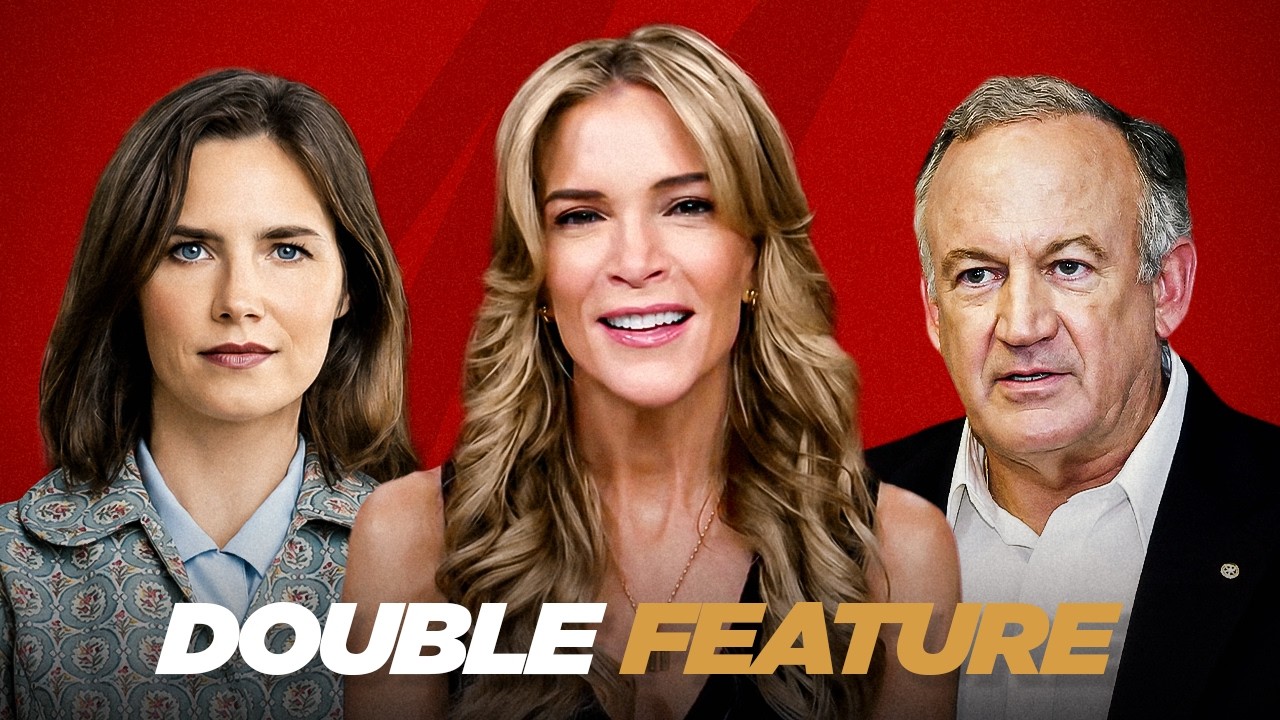
Amanda Knox and John Ramsey - Megyn Kelly's "Double Feature" of Fascinating Interviews
"This episode features two individuals, Amanda Knox and John Ramsey, whose lives were irrevocably altered by tragic crimes and subsequent wrongful accusations, revealing systemic failures in justice and media manipulation."

PATREON EXCLUSIVE | The Human Experience (feat. Eric Benet and T.I) | The Joe Budden Podcast
"Eric Benét and T.I. offer candid insights into the evolving music industry, the challenges of maintaining authenticity, and their personal philosophies on career longevity, health, and societal changes."
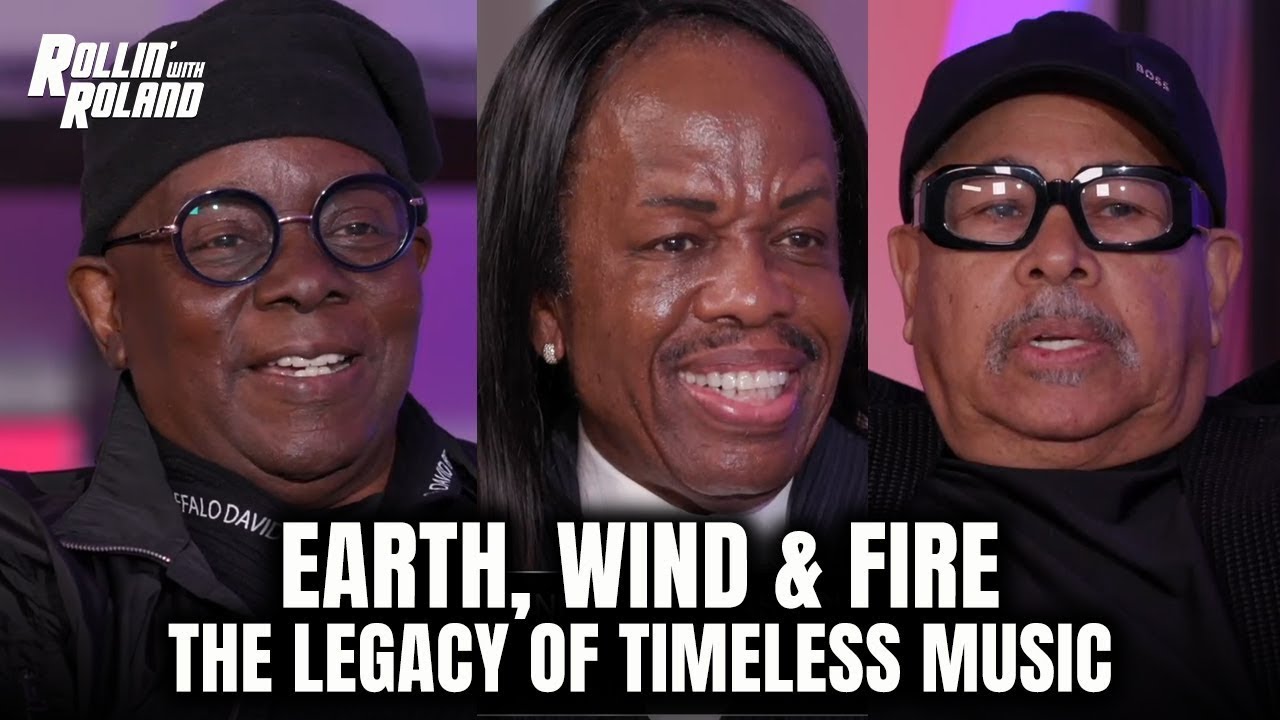
Earth, Wind & Fire on Timeless Music, Legacy & Generations Grooving Together | #RollinWithRoland
"Earth, Wind & Fire members reflect on the enduring power of their music, its multi-generational appeal, and the critical factors that sustained their legendary career through industry shifts and personal challenges."
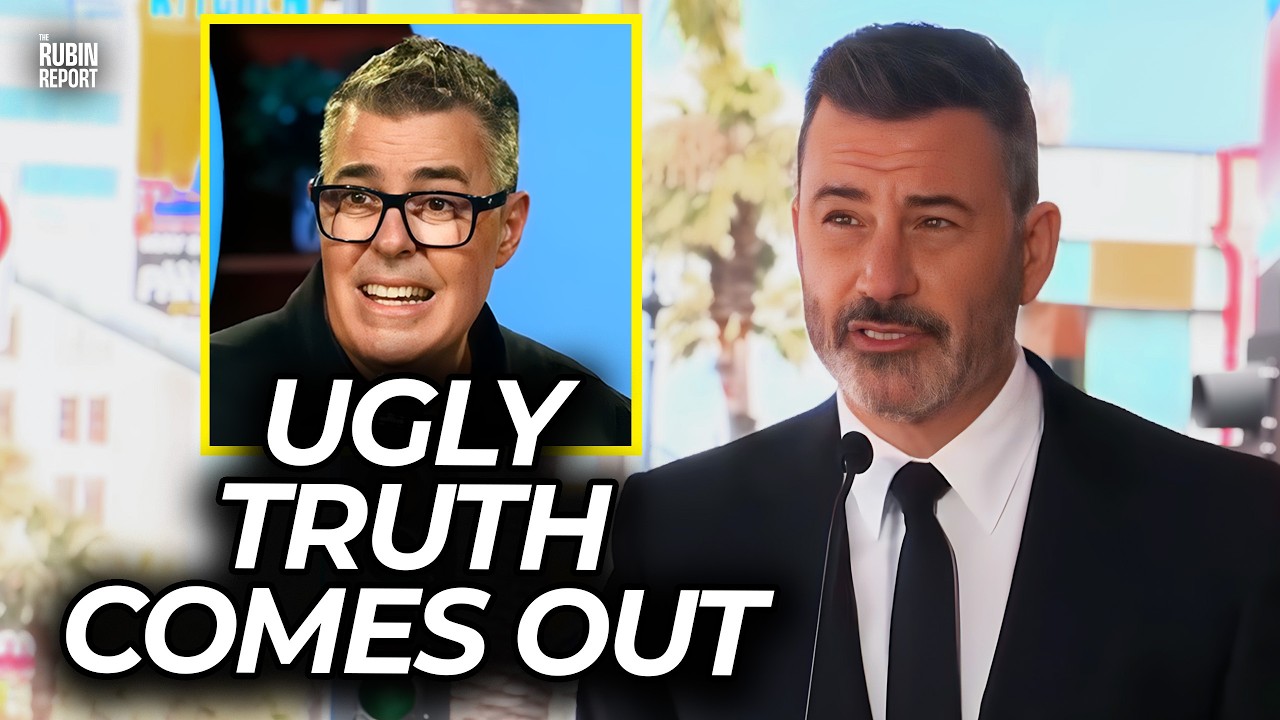
Jimmy Kimmel Gets Emotional Admitting Political Differences w/ Adam Carolla
"Dave Rubin, Dr. Drew, and Sage Steele discuss how personal relationships can transcend political divides, critique LA's failed homelessness policies, and debunk media-fueled public health scares, all while sharing personal stories of overcoming financial struggles."