Michael Beasley on Kevin Durant, LeBron James, Derrick Rose, James Harden & Not Being No. 1 Pick
YouTube · Wo8JNID3vT4
Quick Read
Summary
Takeaways
- ❖Kevin Durant was the first person to genuinely guide Beasley towards dedicated basketball training, shifting his focus from street play.
- ❖Beasley believes the current AAU culture, driven by NIL money, harms young athletes by prioritizing financial gain over genuine love for the game and education.
- ❖He felt ESPN and the public consistently diminished his achievements, even omitting him from the McDonald's All-American MVP display despite his win.
- ❖Beasley's first stint with the Miami Heat was hampered by the team's focus on Dwyane Wade and their inability to integrate his unique playing style.
- ❖The emotional toll of his mother's stage four cancer diagnosis and subsequent death significantly impacted his ability to play basketball with joy.
- ❖He advocates for listening and understanding individuals' "choices" (circumstances) rather than solely judging their "decisions" (actions).
- ❖Beasley believes many NBA players, including himself, were judged for perceived "mental issues" that were actually consequences of unaddressed trauma and societal pressure.
- ❖He views money as a tool, not the root of evil, but emphasizes that lack of knowledge and greed in its control leads to detrimental outcomes for athletes and families.
- ❖Beasley is building a "We The Ones" one-on-one league and youth sports program to teach kids discipline, monetize themselves ethically, and provide a safety net if sports careers don't pan out.
Insights
1Early Life Trauma and Basketball's Role as an Escape
Beasley's childhood was marked by significant family incarceration, including his grandfather, father, and uncle, which exposed him to street life and a lack of consistent male role models. Basketball, particularly after meeting Kevin Durant, became his crucial escape and a structured path away from negative influences. Durant was the first person to genuinely encourage dedicated gym work, shifting Beasley's focus from casual street play to serious training.
My uncle got the Rico the first time when I was eight... my dad, my grandfather did 99 years... they all kept me on the basketball court. So I shot my first shot at 3 years old... I didn't become a good basketball player until I met Kevin Durant. Kevin was the first person that's ever told me, 'Don't do that. Let's go to the gym.'
2Critique of AAU and NIL Culture
Beasley strongly criticizes the current AAU and NIL (Name, Image, Likeness) culture, arguing that the influx of money has corrupted youth basketball. He believes it shifts the focus from the love of the game, opportunities for college, and education to immediate financial gain. This financialization, often driven by parents and handlers, exploits young athletes and deters them from playing for the right reasons.
Money. Damn. Money ruins everything. Huh. Yeah. We didn't know about the money they was getting. We played for the love of the game... NIL opened up the gates all the way down to 10 years old... It's up to these parents to stop thinking everything financial.
3Systemic Undermining and Public Misperception of His Career
Beasley consistently felt undervalued and misunderstood by the NBA establishment and media, particularly ESPN. He recounts being ranked lower than deserved despite being the #1 player, his McDonald's All-American MVP being unacknowledged in the hall of fame, and his talent being sidelined due to perceived 'character issues' or an inability to fit into a system. He attributes many of his 'troubles' to trusting the wrong people rather than inherent misbehavior.
ESPN just make it they business to just erase my existence. Even from what you just said, nobody know I was the MVP. If you go to the McDonald's game, I'm not even in the hallway of the MVPs... Spo... they just forgot about me... I didn't help getting in trouble. So that part, but there's a lot of getting in trouble in Miami, huh? No, I didn't get in trouble like y'all think. I got in trouble just trusting the wrong people.
4The Emotional Toll of His Mother's Death
The death of his mother from stage four cancer, which she had initially concealed as stage two, profoundly affected Beasley. This personal tragedy, occurring during his time with the Lakers, led to deep emotional distress that impacted his ability to play basketball with joy. He felt public ridicule and laughter over minor incidents (like wearing the 'wrong shorts' to a game near his cousin's funeral) compounded his grief, as he couldn't openly express his struggles.
When I signed with the Lakers, that's when that's when we found out my mom would been lying about us about having stage two cancer and it was stage four... I couldn't be happy around them cuz they was laughing too. I ain't want to play at all... They was just laughing at me, man. I was hot.
5LeBron James's 'Cookie Incident' and Impending Departure from Miami
Beasley provides a firsthand account of the infamous 'cookie incident' on the Heat plane, clarifying that the confiscated items were LeBron's personal, chef-prepared ice cream and cookies, not team snacks. He interprets LeBron's angry reaction and subsequent 'tiptoeing' by the organization as a clear signal that James was already planning to leave Miami, feeling disrespected and ready to move on.
He personally brings those himself his chef... So those LeBron ice cream, LeBron cookies. They took LeBron ice cream, LeBron cookies, and wouldn't let LeBron eat his own ice cream and cookies. Bro, that boy stood up... So from that moment on you knew LeBron was leaving? They knew he was leaving. Everybody did, man.
Bottom Line
The 'Zero Step' and Era Comparison: Beasley argues that comparing players like Dwyane Wade and James Harden is flawed because they played in different eras with different rules (e.g., the introduction of the 'zero step' and volume shooting). Modern players have legal advantages that older players didn't, making direct comparisons unfair.
This insight challenges common sports debates by emphasizing the dynamic evolution of rules and play styles, suggesting that greatness should be contextualized within its era rather than through direct, anachronistic comparisons.
Analysts and fans should adopt a more nuanced approach to historical player comparisons, considering rule changes and strategic shifts rather than just raw statistics or nostalgic biases.
The Cost of 'Loyalty' in Poverty: Beasley reflects on how his family's 'hood mentality' and lack of financial literacy led them to 'sink with the ship' rather than adapt. He felt compelled to stay 'loyal' but ultimately realized it was detrimental, especially once he had his own children and needed to prioritize their future.
This highlights the complex interplay of loyalty, poverty, and financial education, showing how well-intentioned family ties can hinder individual growth and financial stability in the absence of knowledge and strategic planning.
Programs aimed at financial literacy for athletes and their families should address the psychological and cultural pressures of loyalty, providing tools for sustainable wealth management without alienating family members, but rather educating them.
Silent Judgment and Mental Health: Beasley describes how his quiet demeanor was often misinterpreted as maturity or 'character issues,' leading to silent judgment from coaches, executives, and the public. This lack of understanding, coupled with personal trauma, contributed to his depression and anxiety, which were then further mislabeled as inherent flaws.
This exposes a critical flaw in how mental health is perceived and addressed (or not addressed) in professional sports, where quiet struggles are often penalized rather than supported, leading to isolation and deeper issues.
Sports organizations need to foster a culture of open communication and provide robust mental health support, actively seeking to understand players' internal states rather than relying on external judgments or superficial narratives.
Opportunities
We The Ones One-on-One League & Youth Sports Program
A comprehensive youth sports ecosystem focusing on discipline, ethical monetization, and providing a safety net for athletes if professional sports don't work out. This includes building one-on-one gyms and a league, with Atlanta as a key expansion city.
Arya Music App
A platform for artists to upload licensed music, go viral, and earn revenue through small percentage cuts, offering an alternative to traditional music deals. It aims to empower artists by allowing them to monetize their work directly and retain more control.
Key Concepts
Decisions vs. Choices
People often judge individuals' actions (decisions) without understanding the underlying circumstances or limited options (choices) that led to those actions. True understanding requires empathy for the choices available.
Yesterday Never Happens, Tomorrow Never Comes
A philosophy advocating for living in the present moment, as dwelling on past events or future possibilities can be unproductive and hinder personal growth. Lessons are learned from the past, but true living is in the now.
Medicine vs. Poison (Dosage)
The concept that the impact of something (like money or early success) is determined by its quantity or application. A small 'dose' can be beneficial, while an excessive 'dose' can be detrimental, even if the substance itself isn't inherently good or bad.
Iron Sharpens Iron
The idea that continuous competition, challenge, and interaction with strong peers are essential for personal and professional growth, leading to mutual improvement.
Lessons
- Prioritize Understanding Over Judgment: Before forming opinions on individuals' actions ('decisions'), seek to understand their underlying circumstances and past experiences ('choices').
- Invest in Youth Development Beyond Athletics: For young athletes, emphasize the love of the game, discipline, and education over immediate financial gains, ensuring they have a fallback plan and holistic development.
- Challenge Narratives and Seek Truth: Actively question media narratives and public perceptions, especially when they reduce complex individuals to simple labels, and advocate for a more empathetic and truthful understanding.
Notable Moments
Pizza Incident: As a child, Beasley stole half a pizza from an AAU trip to feed his family, illustrating his early sense of responsibility and the poverty he faced.
This highlights Beasley's early sense of responsibility and the extreme poverty he experienced, shaping his drive and perspective on providing for his family.
LeBron's Cookie Outburst: LeBron James's angry reaction to the confiscation of his personal, chef-prepared cookies on the Heat plane signaled his impending departure from Miami to Beasley.
This incident, often misconstrued, reveals a moment of deep disrespect towards LeBron and, according to Beasley, a clear sign of his dissatisfaction with the organization leading to his departure.
McDonald's All-American MVP Disrespect: Beasley won the MVP but was ranked #6 by ESPN, fueling his competitive drive and highlighting his feeling of being consistently overlooked and disrespected by the media.
This event underscores Beasley's ongoing struggle with media perception and the feeling that his achievements were consistently downplayed, impacting his motivation and public image.
Confrontation with Principal: In fifth grade, Beasley knocked out his principal after she grabbed his arm during a fight, a consequence of his violent childhood and his mother's instruction to defend himself.
This extreme childhood incident illustrates the early violence and lack of emotional regulation in Beasley's life, stemming from his environment and parental guidance, contributing to later 'character issues' narratives.
Quotes
"Just because I'm not in the NBA don't mean it's not elite in my gym, too."
"Money is not the root of all evil. It's who controls the money which becomes the root."
"ESPN just make it they business to just erase my existence."
"Memories are what hold us back. Yesterday never happened. Tomorrow don't exist."
Q&A
Recent Questions
Related Episodes

HaHa Davis on Druski, Katt Williams, Kevin Hart, Jay-Z, Relationships, Fame & Social Media Comedy
"Comedian Haha Davis offers a candid look into the unpredictable world of social media fame, the complexities of modern relationships, and the personal journey of finding success while staying true to his Detroit roots."
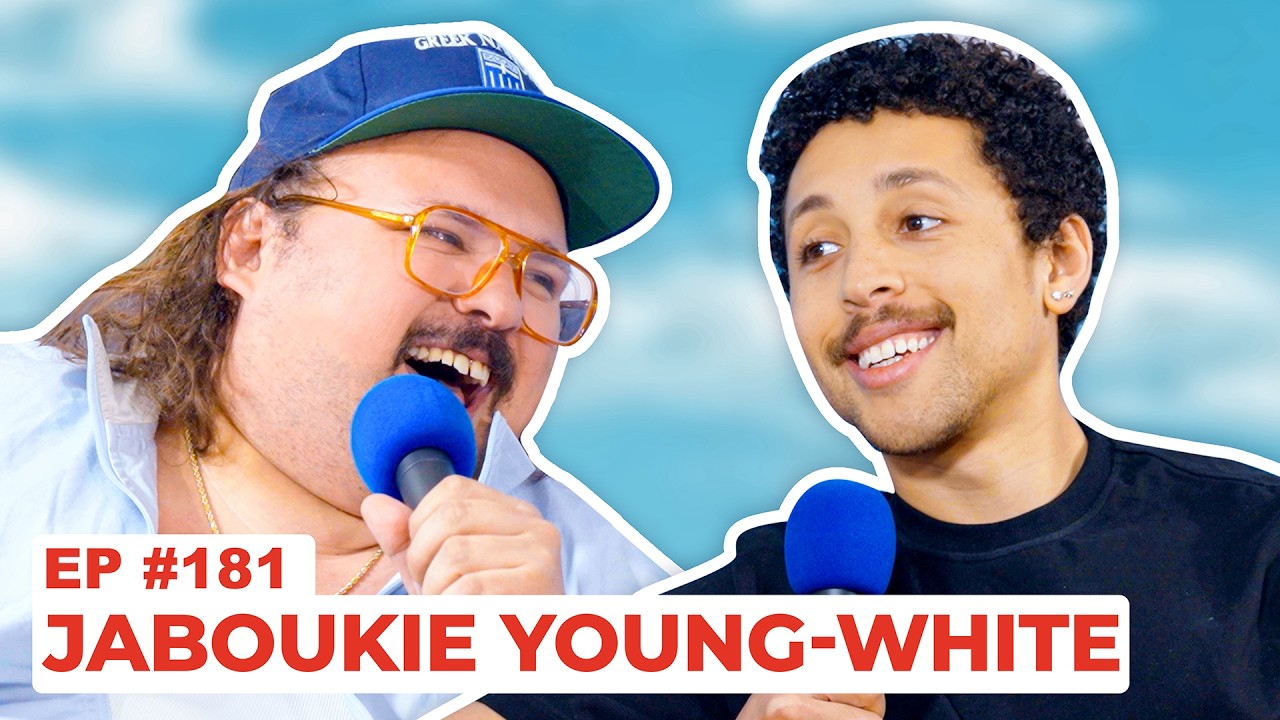
Stavvy's World #181 - Jaboukie Young-White | Full Episode
"Stavros Halkias and Jaboukie Young-White dive into chaotic family histories, modern relationship dilemmas, and the absurdities of celebrity culture, offering unfiltered comedic takes and unconventional advice to callers."

Unc, Ocho & Iso react to Cavs beat Hawks, Cade returns, JJ Redick drama brewing w/ Lakers | Nightcap
"The hosts dissect critical NBA playoff races, the financial implications of player contracts, and the brewing internal drama within the Lakers, offering strong opinions on player power and team management."
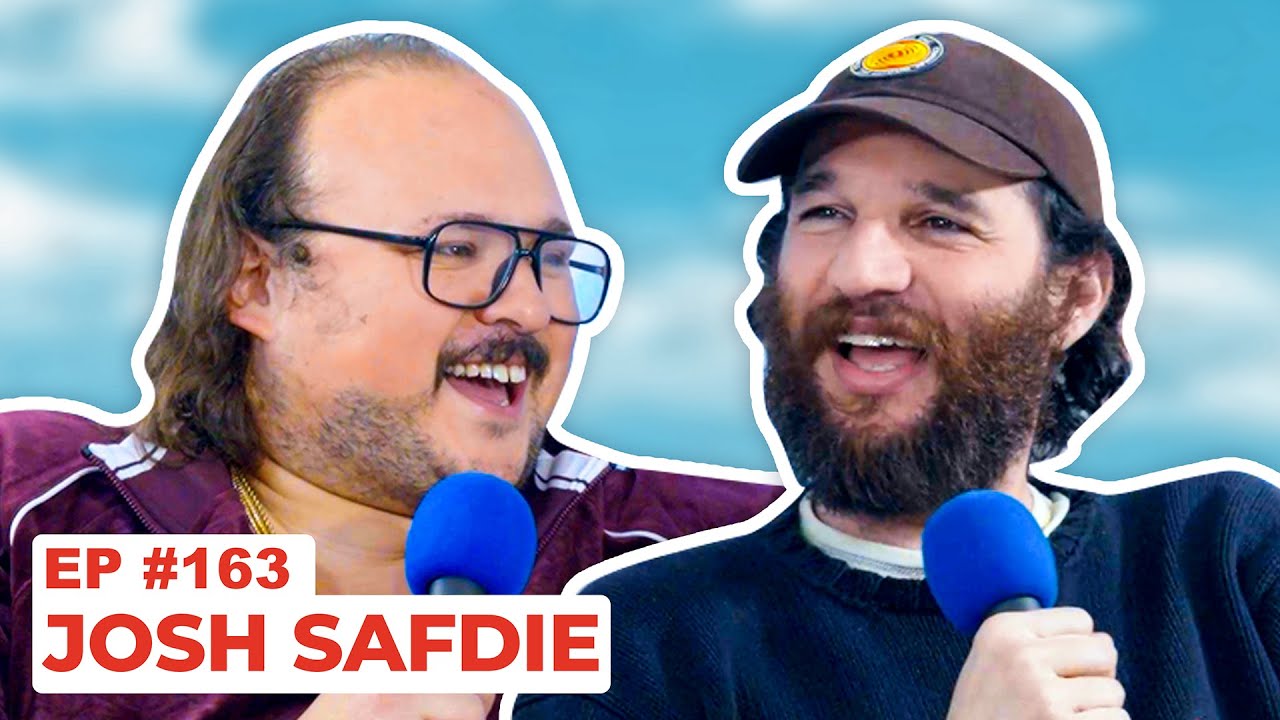
Stavvy's World #163 - Josh Safdie | Full Episode
"Filmmaker Josh Safdie shares his unconventional casting methods, personal anecdotes about working with unique personalities, and joins the host in offering unfiltered advice to listeners on relationships and workplace harassment."