BREAKING: Israel STRIKES Iran Nuclear Sites; Steel Industry HIT; Houthis Join War | TBN Israel
YouTube · XZhL2hucIVo
Quick Read
Summary
Takeaways
- ❖Israel launched extensive strikes on Iran's nuclear facilities, including the Arak heavy water reactor and the Yazd uranium extraction plant.
- ❖Two of Iran's largest steel plants in Isfahan and Ahvaz were hit, reportedly paralyzing 70% of the country's steel production capability.
- ❖Yemen's Houthi rebels joined the war, launching a ballistic missile towards Israel's southern region.
- ❖The US is pursuing a 'negotiations under fire' strategy with Iran, extending ultimatums while deploying additional military forces to the region.
- ❖Iran's parliament is discussing a bill to impose transit fees on vessels passing through the Strait of Hormuz.
- ❖Internal reports from Iran indicate widespread fear, power outages, internet disruptions, and over 14,000 arrests amidst forced pro-regime demonstrations.
- ❖An alleged IRGC commander, General Abbas Karami, was eliminated by Israel in Tehran.
- ❖A terror attack involving 650 grams of explosives was foiled near a Bank of America branch in Paris, with the suspect claiming Snapchat recruitment.
Insights
1Israel's Expanded Strike Strategy Targets Iran's Nuclear and Economic Backbone
Israel has shifted its operational focus from purely military targets to dual-use infrastructure, striking Iran's heavy water reactor in Arak and its only known uranium extraction plant in Yazd. Simultaneously, Israel hit Iran's two largest steel plants in Isfahan and Ahvaz, reportedly damaging or paralyzing up to 70% of its steel production. This strategy aims to not only reduce immediate military capabilities but also to cripple Iran's long-term ability to produce weapons and sustain its economy.
IDF struck the reactor in Arak and the yellow cake plant in Yazd (). The air force struck the heavy water reactor in the Arak area and a uranium extraction plant (, ). IDF struck two largest steel plants in Isfahan and Ahvaz, paralyzing about 70% of Iran's production capability (, ).
2Houthis Join the Conflict, Opening a New Front and Threatening Global Shipping
After 29 days, Yemen's Houthi rebels officially entered the war by launching a ballistic missile towards Israel's southern region, which was intercepted. This move is interpreted as Iran activating a 'late response option' to signal that no shipping route, aircraft carrier, or supply corridor will be safe in the Strait of Hormuz or the Red Sea, primarily targeting the United States.
The Houthis are joining this war with Israel (). For the first time since the fighting with Iran began, a ballistic missile was launched from Yemen towards the Negev, Israel's southern region, and it was intercepted (, ). The Houthi message is aimed mainly at the United States ().
3US Pursues 'Negotiations Under Fire' Strategy with Iran
The United States is employing a dual approach of diplomacy and military pressure. President Trump extended an ultimatum to Iran by 10 days to allow for negotiations, while the Pentagon is considering sending an additional 10,000 troops and deploying the aircraft carrier George Bush to the region. This strategy aims to achieve a resolution through talks while maintaining a credible military threat.
Trump is once again extending the ultimatum to Iran, this time by 10 days (). Talks are taking place in the background between the United States and Iran about ending the war (). The Pentagon is considering sending another 10,000 troops, and the United States continues to reinforce its forces (). The aircraft carrier George Bush is supposed to join this arena ().
4Internal Instability and Control Struggles Plague the Iranian Regime
Life in Tehran is described as 'hell' due to fear, power outages, internet disruptions, roadblocks, and mass arrests. The regime reportedly organized 850 support demonstrations for itself while simultaneously arresting over 14,000 people. Reports also suggest senior figures are attempting to blend in and avoid standing out, indicating that fear has penetrated the heart of the system and the revolutionary guards are occupied with controlling the Iranian street.
Life inside Tehran right now is hell because of the regime (). The regime organized 850 support demonstrations for itself and arrested more than 14,000 people (, ). Reports are coming out about senior figures trying to blend in, disappear, and avoid standing out ().
Bottom Line
Ukraine is positioning itself as a key partner for Gulf States by offering cheap and effective drone interception solutions, potentially reshaping regional defense procurement.
This creates a new competitive dynamic in the defense market, allowing Gulf states to diversify their defense technology sources beyond traditional Western suppliers and potentially adopt more cost-effective, specialized solutions for asymmetric threats like drones.
Companies specializing in affordable, high-performance counter-drone and air defense systems could find significant market opportunities in the Gulf region, leveraging Ukraine's demonstrated battlefield experience and cost-efficiency.
Lessons
- Monitor global shipping routes, especially the Strait of Hormuz and Red Sea, for increased disruptions and potential toll implementations by Iran, which could impact logistics and trade costs.
- Assess the potential impact of escalating conflict on energy prices and supply chains, particularly those reliant on Middle Eastern oil and gas, and consider contingency plans.
- Observe internal political stability in Iran for signs of further unrest or regime change, which could have significant regional and global repercussions on markets and security.
Notable Moments
Israel struck Iran's only known uranium extraction plant in Yazd and the heavy water reactor in Arak, which could produce weapons-grade plutonium.
This directly targets Iran's nuclear program at critical early stages, aiming to set back its capabilities significantly by disrupting the production of fissile material.
Israel struck Iran's two largest steel plants in Isfahan and Ahvaz, reportedly paralyzing 70% of Iran's steel production capability.
Steel is a dual-use commodity vital for both civilian infrastructure and military production (missiles, vessels), making this a severe economic and military blow designed to degrade Iran's long-term war-making capacity.
An alleged IRGC commander, General Abbas Karami, was eliminated by Israel in Tehran.
This indicates Israel's targeting of high-value leadership within Iran, aiming to disrupt command structures, instill fear within the regime, and degrade its operational effectiveness.
A terror attack was foiled in Paris involving 650 grams of explosives near a Bank of America branch, with the suspect claiming he was contacted via Snapchat and promised €600.
This highlights the potential for the conflict to inspire or activate agents globally, extending its reach beyond the Middle East and demonstrating new, low-cost methods of recruitment and radicalization through social media platforms.
Quotes
"Israel is no longer content just to hunt the launchers. It is striking the materials, the chemistry, the steel, the heavy water, the sea, the research, the intelligence, and the propaganda."
"If you hit our economic artery, our economy, we will try to touch yours as well."
"Strike deeply enough so that a quick return will not be required, but avoid a long sinking into the Iranian mud."
Q&A
Recent Questions
Related Episodes
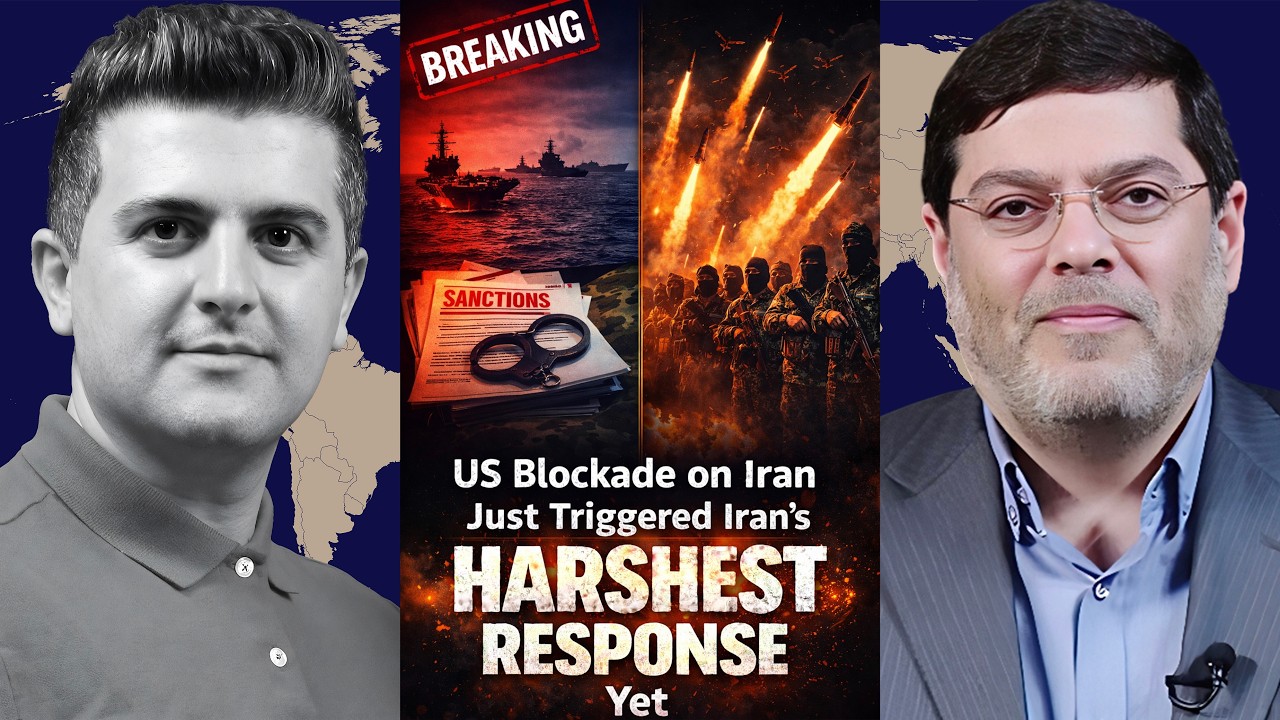
Seyed M. Marandi: US Blockade on Iran Just Triggered Iran’s HARSHEST Response Yet
"An Iranian professor details how US demands and an imposed blockade triggered Iran's harshest response, exposing American strategic missteps and the vulnerability of Gulf Arab states."
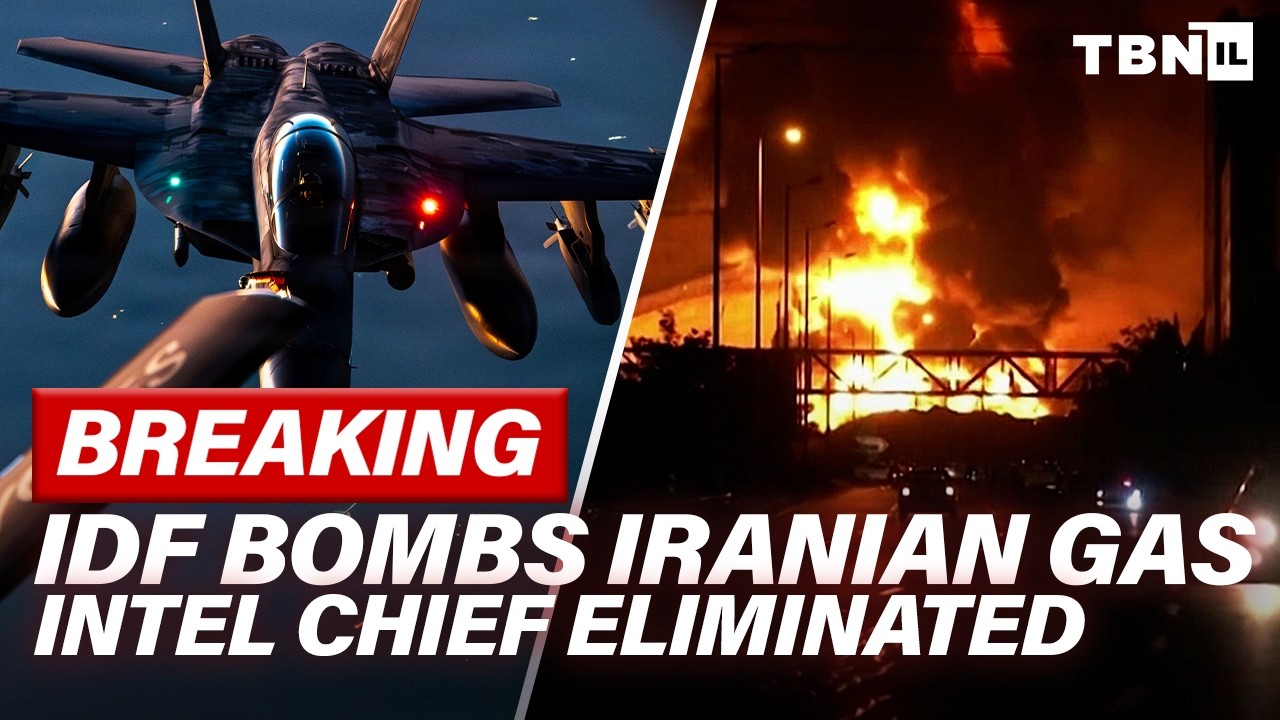
BREAKING: Israel BOMBS Major Iran Gas Site; Top Mullah ELIMINATED; Iran Vows VENGEACE | TBN Israel
"Israel and the United States have escalated their 'Roaring Lion War' against Iran, striking its largest gas facilities, eliminating key intelligence and military figures, and disrupting missile production, while Iran threatens a broader energy war in the Gulf."

Iran Update: Israel’s Newest Bombing Campaign, the Oncoming War With China and How to Avoid It
"Colonel Wilerson reveals how the US and Israel are actively bombing China's strategic infrastructure in Iran, escalating a covert economic war that Beijing intends to win without direct military conflict by dismantling the dollar's global dominance."

Patrick Henningsen: Hezbollah JUST Fired Back at Israel - Iran Vows to “Crush” All Attacks
"Patrick Henningsen argues that the US and Israel initiated an illegal war against Iran, driven by Trump's incompetence and Israeli influence, leading to an inevitable escalation with severe global economic repercussions."